





Menu

Sump Pump Failure Cleanup in Kansas City – 24/7 Emergency Water Extraction Teams Dispatched in Under 60 Minutes

When your sump pump fails and water floods your basement, every minute counts. Our emergency sump pump backup water removal crews are standing by around the clock to protect your Kansas City property from catastrophic water damage.

Slider Image 1
Slider Image 2
Slider Image 3
Slider Image 4
Slider Image 5
Slider Image 7
Slider Image 8
Slider Image 9
Slider Image 10
Slider Image 11

Why Sump Pump Failures Happen So Often in Kansas City Homes

Kansas City sits at the intersection of two major rivers, the Missouri and the Kansas, which means high water tables and clay-heavy soil that expands and contracts with every freeze-thaw cycle. Your basement is under constant hydrostatic pressure. When spring storms dump three inches of rain in an hour, or when winter thaws flood the ground with snowmelt, your sump pump becomes the only thing standing between you and a flooded basement.

The problem is that most sump pumps fail without warning. A stuck float switch, a clogged discharge line, or a power outage during a storm can leave your basement defenseless. You wake up to standing water, ruined belongings, and the sickening smell of mold starting to take hold in your foundation walls.

Sump pump overflow cleanup is not a DIY job. Water from a broken sump pump water damage restoration event is Category 2 gray water at minimum, often contaminated with soil, sewage backup, or chemicals. You need professional sump pump failure water extraction to remove the water completely, dry out hidden moisture in your subfloor and walls, and prevent mold colonization in the 24 to 48 hour window before spores take root.

The longer water sits in your basement, the worse the damage becomes. Drywall wicks moisture three feet up from the floor. Wooden floor joists start to swell and rot. Your HVAC system, water heater, and electrical panel are all at risk. This is why emergency sump pump cleanup services exist, and why you need a crew on-site within the hour, not tomorrow morning.

Why Sump Pump Failures Happen So Often in Kansas City Homes
How Professional Sump Pump Failure Water Extraction Actually Works

How Professional Sump Pump Failure Water Extraction Actually Works

We do not show up with a wet vac and a fan. Sump pump backup water removal requires industrial-grade extraction equipment, moisture mapping technology, and a methodical drying protocol that most homeowners have never seen.

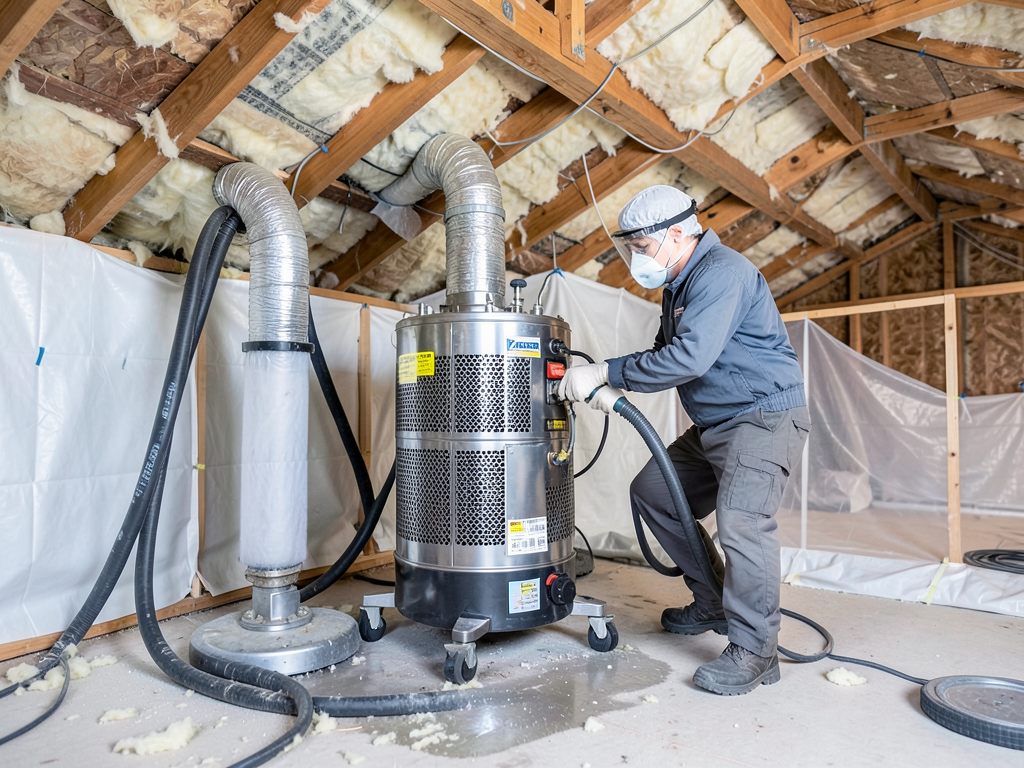
First, we deploy truck-mounted extraction pumps capable of removing hundreds of gallons per minute. Standing water is gone in the first hour. But the real damage is not what you see on the surface. It is the moisture that has soaked into your concrete slab, wicked up your drywall, and saturated your insulation.

We use thermal imaging cameras to map moisture intrusion behind walls and under flooring. You cannot see it, but we can measure it down to the percentage point. This tells us exactly where to place air movers and commercial dehumidifiers. We are not guessing. We are engineering a drying environment that pulls moisture out of building materials at a controlled rate to prevent warping, cracking, and secondary damage.

Broken sump pump water damage restoration also means addressing contamination. If your sump basin pulled in groundwater mixed with soil or sewage, we treat affected areas with antimicrobial agents to kill bacteria and prevent mold. We remove and dispose of porous materials like carpet padding and drywall that cannot be salvaged.

Throughout the process, we monitor humidity levels and moisture content daily using hygrometers and moisture meters. Drying is not done when the floor feels dry. It is done when moisture readings return to baseline levels for your specific building materials. That takes three to five days on average, sometimes longer for severe flooding. We do not leave until the job is finished, documented, and verified.

What Happens After You Call for Sump Pump Overflow Cleanup

Sump Pump Failure Cleanup in Kansas City – 24/7 Emergency Water Extraction Teams Dispatched in Under 60 Minutes
01

Emergency Dispatch and Assessment

Within five minutes of your call, a two-person crew is dispatched to your location with water extraction equipment already loaded. We arrive in under 60 minutes for most Kansas City metro addresses. Our lead technician conducts a visual inspection, identifies the cause of pump failure, and maps the extent of water intrusion using moisture detection tools before any work begins.
02

Water Extraction and Drying

Truck-mounted pumps remove standing water immediately. We then place commercial air movers and dehumidifiers in calculated positions based on airflow dynamics and moisture readings. Antimicrobial treatments are applied to contaminated surfaces. We monitor and adjust equipment placement daily to maintain optimal drying conditions. This phase runs continuously until all building materials return to safe moisture levels.
03

Restoration and Prevention Planning

Once drying is verified complete, we remove damaged materials that cannot be saved and provide a restoration scope for repairs. We also evaluate your sump pump system and recommend upgrades like battery backup systems, secondary pumps, or improved discharge routing to prevent future failures. You get a detailed moisture log and photo documentation for your insurance claim.

Why Kansas City Homeowners Call A Plus Water Damage Restoration First

You need a water damage crew that understands Kansas City basements. Homes built before 1980 in neighborhoods like Waldo, Brookside, and the Northland often have limestone foundation walls that are porous and prone to efflorescence when water intrusion occurs. Newer construction in Lee's Summit and Olathe uses poured concrete, but poor grading and clay soil still create hydrostatic pressure that overwhelms sump systems during heavy rain.

We have worked in every type of foundation common to the Kansas City metro. We know how water moves through your specific type of basement, which materials are salvageable, and which need immediate removal. We also understand local building codes and can coordinate with city inspectors if structural repairs are required after major flooding.

Speed matters in emergency sump pump cleanup services, but so does doing the job right. Insurance companies deny claims every day because homeowners hire cheap crews that do surface-level cleanup and leave hidden moisture to cause mold and rot. We document everything with photos, moisture logs, and daily progress reports. Your insurance adjuster gets the evidence they need to approve your claim, and you get a basement that is actually dry, not just visually dry.

We also offer direct insurance billing for most carriers, which means you do not have to pay out of pocket and wait for reimbursement. We handle the paperwork, the negotiations, and the follow-up. You handle getting your family back to normal.

Kansas City homeowners call us first because we answer the phone at 2 a.m., we show up when we say we will, and we do not leave until the problem is fixed. No excuses, no delays, no surprises.

What You Can Expect During Sump Pump Failure Cleanup

Response Time and Availability

We dispatch emergency crews 24 hours a day, 365 days a year. When you call our line at (816) 473-3833, you reach a live dispatcher, not an answering service. Most Kansas City metro calls receive an on-site crew within 60 minutes. We do not wait until morning, and we do not make you schedule an appointment three days out. Sump pump failures flood basements in minutes, and we treat every call like the emergency it is. Our trucks are pre-loaded with extraction pumps, air movers, and dehumidifiers so we can start work immediately upon arrival.

Initial Inspection and Moisture Mapping

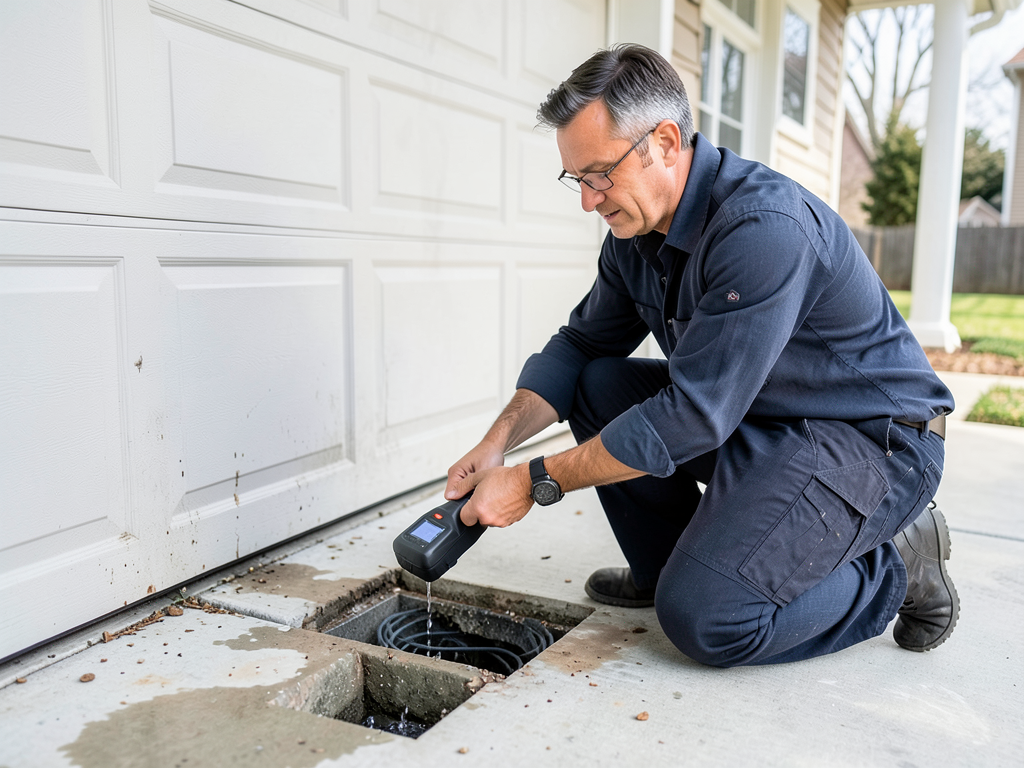
Before we touch anything, we document the damage. Our lead technician photographs the affected areas, measures moisture levels in walls and flooring using pin-type and non-invasive meters, and uses thermal imaging to detect hidden water intrusion. This creates a baseline for tracking drying progress and provides evidence for your insurance claim. We also identify the root cause of pump failure, whether it is a mechanical issue, power loss, or discharge line blockage. You get a written assessment on-site that explains what happened and what needs to happen next.

Complete Drying and Decontamination

Professional drying takes three to five days on average. We do not rush the process because incomplete drying leads to mold, odors, and structural damage. Our equipment runs continuously, monitored by daily site visits where we take fresh moisture readings and adjust airflow as needed. When readings show all materials have returned to safe levels, we remove equipment and provide a completion certificate. You get a basement that is dry to the core, not just dry on the surface, with documentation that proves it.

Insurance Coordination and Prevention Advice

We work directly with your insurance carrier to streamline claims processing. Most homeowners policies cover sudden sump pump failures, and we provide all the documentation adjusters require. We also offer direct billing for approved claims so you do not have to front the costs. After restoration is complete, we provide recommendations for preventing future failures, including battery backup sump pumps, secondary pump installation, and improved drainage solutions. You get expert advice on protecting your investment, not just a cleanup crew that disappears after the check clears.

Frequently Asked Questions

You Have Questions,
We Have Answers

How to clean up after sump pump failure? +

Stop water at the source if possible. Turn off electricity to the basement. Do not touch standing water if electrical outlets are submerged. Extract water using a wet vac or submersible pump. Remove wet materials like cardboard and fabrics within 24 hours. Disinfect all surfaces with antimicrobial cleaners. Set up commercial dehumidifiers and air movers to dry structural elements. Kansas City's high humidity slows natural drying, making professional extraction equipment critical. Document all damage with photos for insurance. If water exceeds 2 inches or affects finished spaces, call a certified restoration company immediately to prevent mold and structural damage.

How much does it cost to have a sump pump cleaned? +

Professional sump pump maintenance in Kansas City typically ranges based on the scope of work. Basic cleaning and inspection runs lower, while deep cleaning with sediment removal costs more. Emergency flood cleanup after sump failure is billed differently, often involving water extraction, drying, and restoration work. Costs depend on water volume, affected square footage, and contamination level. Many restoration companies offer free assessments to determine actual needs. Clay soil common in the Kansas City metro deposits heavy sediment, requiring more frequent maintenance. Regular annual cleaning prevents expensive emergency failures. Always get written estimates before authorizing work.

How do you clean sludge out of a sump pump? +

Disconnect power to the pump. Remove the pump from the basin. Rinse the exterior with a garden hose. Use a wet vac to remove standing sludge from the basin. Scrub the intake screen and impeller with a stiff brush. For heavy clay sediment common in Kansas City basins, soak components in white vinegar for 30 minutes to dissolve mineral buildup. Flush the discharge line with water to clear blockages. Wipe down the float switch and check for free movement. Rinse the basin walls thoroughly. Reinstall the pump and test operation. If sludge is excessive or the motor struggles, replacement may be necessary.

What to do when a sump pump fails? +

Act immediately. Turn off power to the basement to avoid electrocution risk. Stop using water in the home if drains back up. If you have a backup pump, activate it manually. Move valuables to higher ground. Do not enter deep standing water. Call a 24/7 emergency water restoration service right away. Kansas City's clay soil causes slow drainage, meaning water accumulates fast during pump failure. Professional crews extract water within hours, preventing foundation damage and mold growth. Contact your insurance company to start a claim. Do not delay. Waiting even 12 hours dramatically increases restoration costs and health risks.

Can I put a chlorine tablet in my sump pump? +

No. Chlorine tablets damage rubber components, corrode metal parts, and create toxic fumes in enclosed spaces. They do not prevent mold or bacteria effectively in sump systems. The tablet residue clogs discharge lines and harms septic systems or soil if pumped outside. For odor control in Kansas City basins, use a vinegar and water solution during routine cleaning. If you smell sewage or mildew, the issue is likely a dried trap, standing water, or organic buildup. Address the root cause with proper cleaning and ensure the pump cycles regularly. If odors persist after cleaning, call a professional to inspect for hidden damage or contamination.

How long does it take for mold to grow after flooding? +

Mold spores begin colonizing within 24 to 48 hours after flooding. Kansas City's average humidity above 60 percent accelerates growth, especially in basements with poor ventilation. Visible mold appears within 72 hours on porous materials like drywall, insulation, and wood. Once mold establishes, it spreads rapidly and releases airborne spores that contaminate HVAC systems and upper floors. You cannot afford to wait. Professional water extraction and drying within the first 24 hours prevents mold entirely. If you see or smell mold after sump failure, remediation requires containment, HEPA filtration, and antimicrobial treatment. Do not attempt DIY removal on affected areas larger than 10 square feet.

Does homeowners insurance cover sump pump failure? +

Coverage depends on your specific policy language. Standard homeowners policies in Kansas City often exclude sump pump failure unless you purchased a separate water backup endorsement or sump pump failure rider. This optional coverage costs little but covers thousands in damage. Review your declarations page now. If you have the endorsement, most policies cover structural repairs, contents, and remediation up to your limit. Document everything with photos and detailed notes. File your claim immediately. Insurers require prompt notification. If denied, ask for written explanation and consider appealing. Many Kansas City homeowners discover exclusions only after disaster strikes. Prevent surprises by reviewing coverage annually.

What is the most common reason for sump pump failure? +

Power failure during storms tops the list in Kansas City, where severe weather knocks out electricity frequently. Without power, pumps cannot operate during the heaviest rainfall when you need them most. Switch failure from debris or mineral buildup ranks second. Kansas City's clay-heavy soil deposits sediment that jams float switches and clogs intake screens. Overwhelmed pumps during flash flooding cannot keep pace with water volume. Aging pumps lose efficiency after 7 to 10 years. Lack of maintenance allows small issues to escalate. Installing a battery backup system and scheduling annual inspections eliminates most failure causes before they flood your basement.

How to clean out a sump pump without removing it? +

Turn off the pump power. Use a wet vac to remove standing water and loose debris from the basin. Pour a bucket of clean water into the pit to flush sediment toward the intake. Use a long-handled brush to scrub visible sludge from basin walls. For the pump itself, reach down and clear debris from the intake screen by hand while wearing rubber gloves. Wipe down the float switch. Pour a vinegar solution into the basin to break down mineral deposits common in Kansas City water. Let it sit for 20 minutes, then flush with clean water. Test the pump. This method works for light maintenance between professional servicing.

What are the signs of a failing sump pump? +

Listen for unusual grinding, rattling, or humming noises indicating motor strain or debris. Watch for longer run times or failure to shut off, signaling float switch problems. Check for visible rust, corrosion, or cracks on the pump body. If the pump cycles on and off rapidly, the switch is likely malfunctioning. Water backing up into the basin despite the pump running means a clogged discharge line or failed impeller. In Kansas City, heavy clay sediment accelerates wear. If your pump is over 7 years old or shows any of these signs, replace it before the next storm. Do not wait for total failure during heavy rain.

Why Kansas City's Clay Soil and Freeze-Thaw Cycles Make Sump Pump Failures So Common

Kansas City sits on expansive clay soil that swells when wet and shrinks when dry. During winter, freeze-thaw cycles cause the ground to heave and settle repeatedly, which puts enormous pressure on basement walls and foundation drains. When spring storms hit and the ground is already saturated from snowmelt, water has nowhere to go except into your sump basin. If your pump cannot keep up with the volume, or if it fails during a power outage, your basement floods fast. This is not a rare event in Kansas City. It is a predictable result of our local geology and weather patterns, which is why emergency sump pump cleanup services are critical for homeowners in neighborhoods near the Blue River, Brush Creek, and anywhere with a high water table.

A Plus Water Damage Restoration Kansas City has responded to hundreds of sump pump failures across Jackson County, Clay County, and Johnson County. We understand the specific challenges of Kansas City basements, from aging cast iron discharge pipes that corrode and clog to inadequate grading that directs runoff toward foundations instead of away. We also know which local contractors can handle foundation repairs if your flooding exposed cracks or structural issues. Choosing a local company means you get a crew that knows your neighborhood, understands your home's construction, and has relationships with inspectors and insurance adjusters who operate in this market. You are not getting a franchise crew from out of state reading from a script. You are getting Kansas City expertise.
Water Damage Restoration Services in The Kansas City Area

While we provide rapid mobile service throughout the entire Kansas City area, you can also view our general service area on the map. We are dedicated to being a local, accessible resource for all your water damage restoration needs, whether you're in the heart of the city or a surrounding community. Our team is always just a phone call away, ready to assist you with expertise and care, no matter where you are located within our service area.

Address:
A Plus Water Damage Restoration Kansas City, 1020 E Armour Blvd, Kansas City, MO, 64109

Additional Services We Offer

Our news updates

Latest Articles & News from The Blogs

How the hard water in Edwardsville is secretly shortening the life of your plumbing and appliances Hard water is more…

How the hard water in Edwardsville is secretly shortening the life of your plumbing and appliances

How the hard water in Edwardsville is secretly shortening the life of your plumbing and appliances Hard water is more…

How to protect your Weatherby Lake home from major water damage while you are away for the winter

How to protect your Weatherby Lake home from major water damage while you are away for the winter Winterizing your…

What every first-time buyer in Raymore needs to check for water damage before closing the deal

What every first-time buyer in Raymore needs to check for water damage before closing the deal Buying your first home…

Contact Us

Do not wait for the water to get worse. Every hour of delay means more damage, higher costs, and greater risk of mold. Call A Plus Water Damage Restoration Kansas City right now at (816) 473-3833. We will dispatch an emergency crew to your location immediately and start protecting your home.