



Menu

Categories of Water in Kansas City – Understanding IICRC Water Classifications for Safe Restoration Decisions

Learn the official IICRC water damage categories that determine restoration protocols, safety requirements, and insurance claims in Kansas City properties affected by floods, sewage backups, and Missouri River overflows.

Slider Image 1
Slider Image 2
Slider Image 3
Slider Image 4
Slider Image 5
Slider Image 7
Slider Image 8
Slider Image 9
Slider Image 10
Slider Image 11

Why Kansas City Property Owners Need to Know Water Contamination Levels

When water enters your home or business in Kansas City, not all water is equal. The contamination level determines health risks, cleanup protocols, and whether you can salvage materials or need complete removal. Many property owners along the Missouri River basin or in neighborhoods near Brush Creek make dangerous assumptions about water quality after flooding.

Kansas City's position at the confluence of the Kansas and Missouri Rivers creates unique flood risks. Spring storms and rapid snowmelt from upstream can push contaminated river water into basements throughout the West Bottoms, River Market, and Berkley Riverfront neighborhoods. That floodwater carries agricultural runoff, industrial discharge, and sewage from overwhelmed treatment systems.

The Institute of Inspection, Cleaning and Restoration Certification defines three water damage categories based on contamination levels. Category 1 is clean water from supply lines or rainwater that has not contacted contaminants. Category 2 is gray water containing biological or chemical contaminants that can cause discomfort or illness. Category 3 is black water from sewage, rising floodwaters, or standing water that has supported microbial growth.

Understanding these water quality classifications protects your health and guides restoration decisions. Category 1 water becomes Category 2 within 48 hours as bacteria multiply. Category 2 water touching porous materials like drywall or insulation immediately becomes Category 3. Kansas City's humid summers accelerate this degradation process, making rapid professional assessment critical.

Insurance claims depend on accurate water categorization. Your adjuster needs documentation of water contamination levels to approve the proper scope of work. Misidentifying black water as gray water leaves dangerous pathogens in your property and voids coverage for future microbial growth claims.

Why Kansas City Property Owners Need to Know Water Contamination Levels
How A Plus Water Damage Restoration Kansas City Classifies Water Contamination

How A Plus Water Damage Restoration Kansas City Classifies Water Contamination

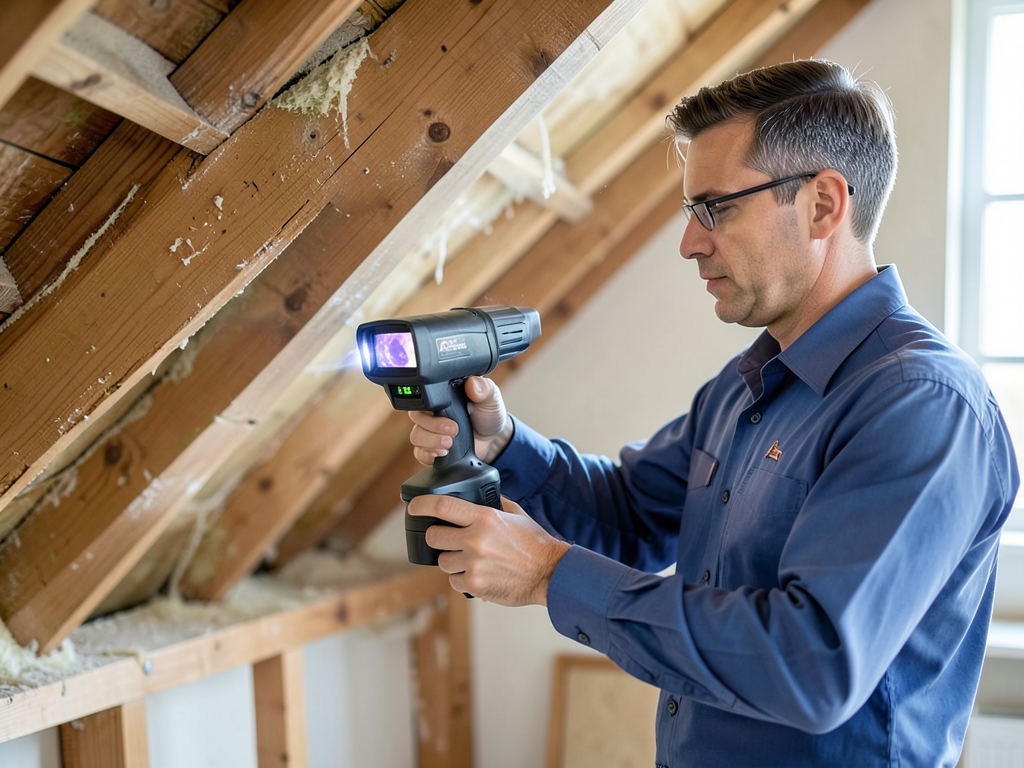
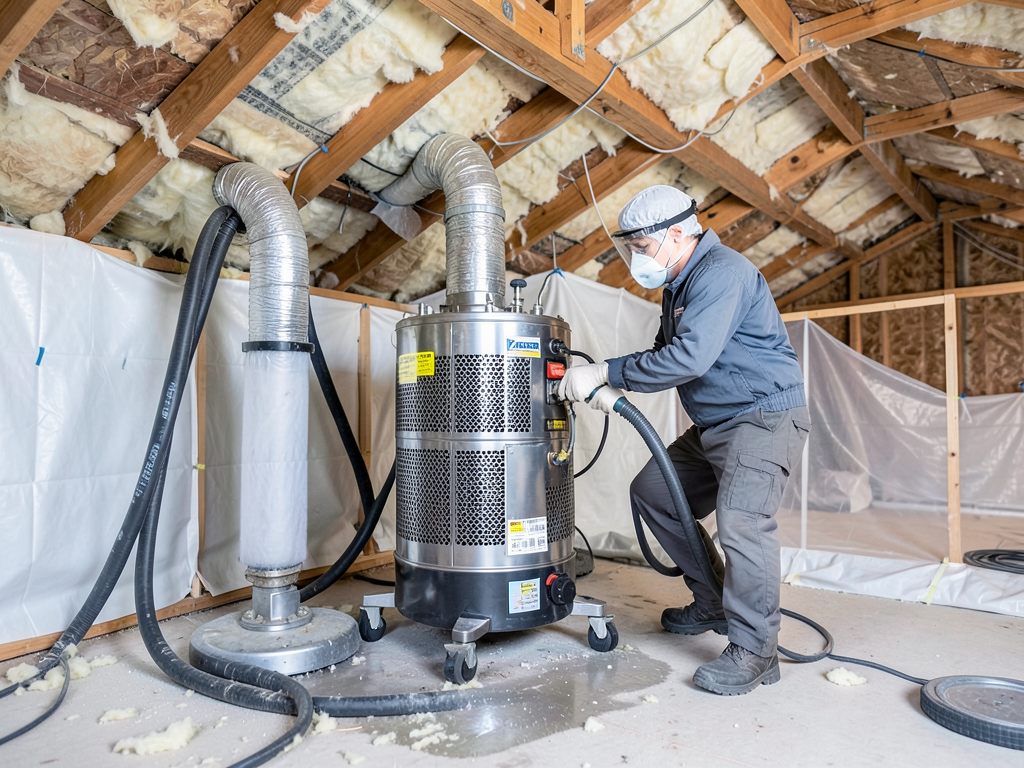
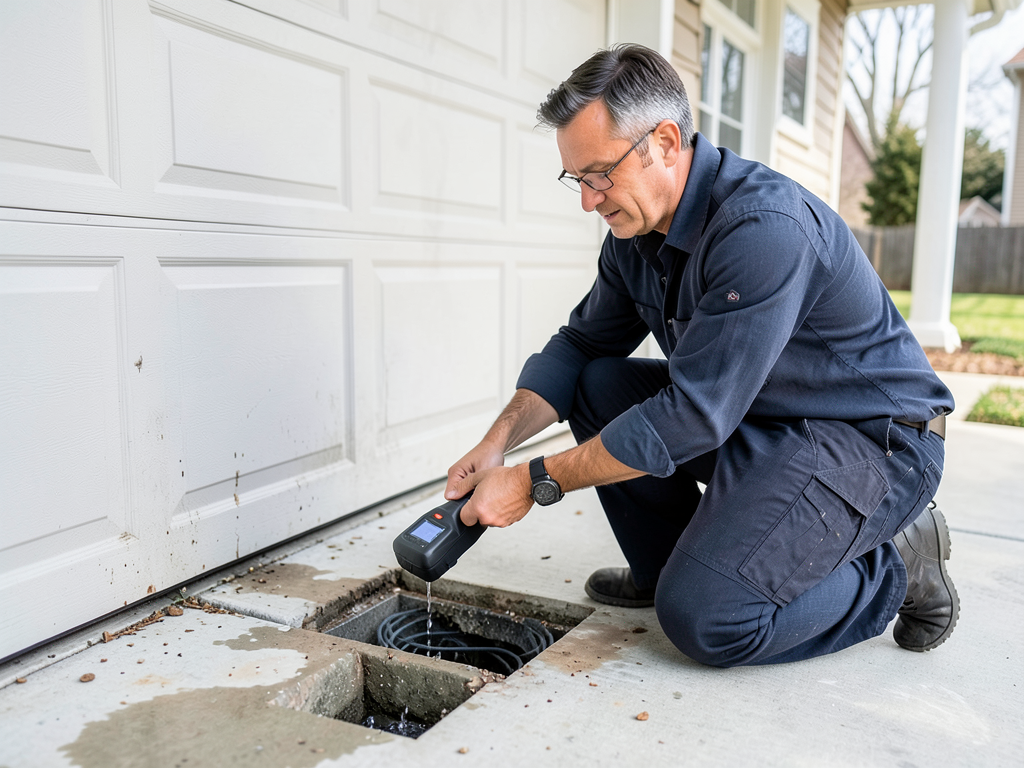
We follow IICRC S500 standards for water damage assessment and categorization. Our technicians arrive with moisture detection equipment, infrared cameras, and contamination testing capabilities to determine the exact water category affecting your property.

For Category 1 clean water events from supply line breaks or water heater failures, we focus on rapid extraction and drying to prevent category migration. We monitor temperature and humidity levels specific to Kansas City's variable climate. Clay soil common throughout Jackson County creates foundation movement that stresses plumbing connections, making supply line failures frequent in older neighborhoods like Hyde Park and Brookside.

Category 2 gray water requires antimicrobial treatment and removal of porous materials that absorbed contamination. We see gray water from washing machine overflows, dishwasher malfunctions, and sump pump backups. In Kansas City's older housing stock, particularly in the Historic Northeast and Ivanhoe neighborhoods, outdated drainage systems contribute to frequent gray water events during heavy rainfall.

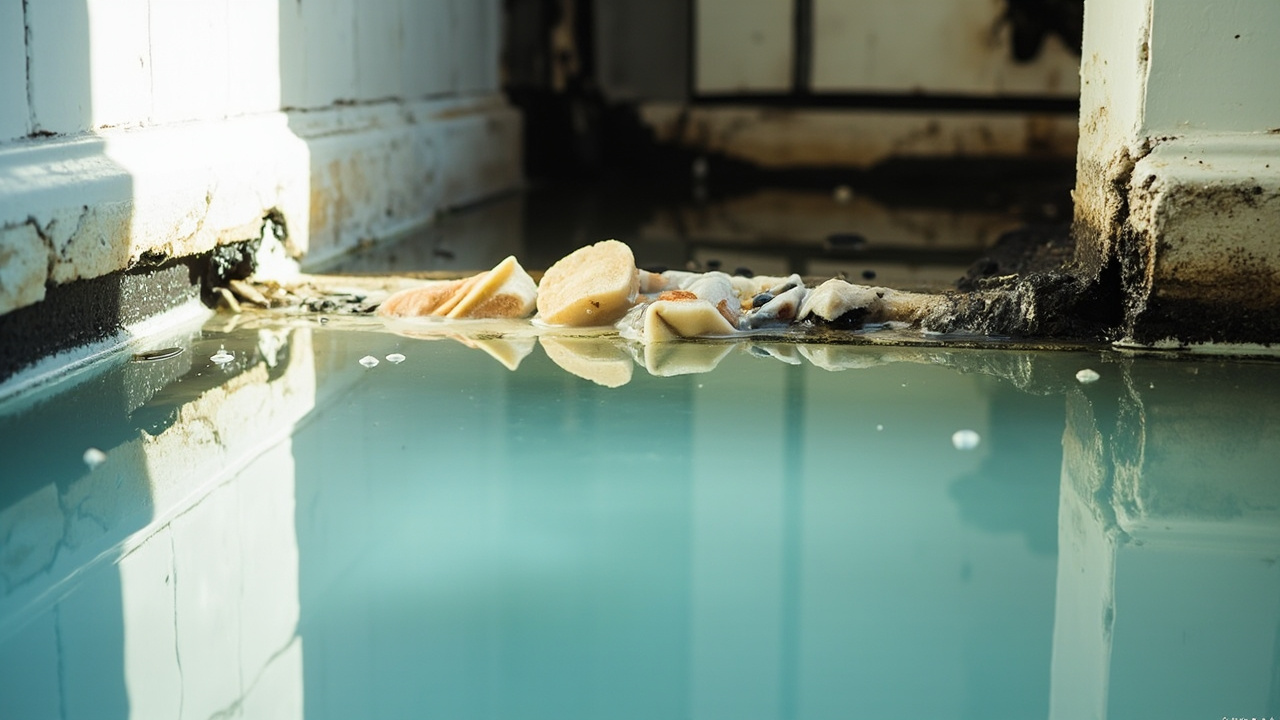
Category 3 black water demands full protective equipment, complete removal of contacted materials, and thorough disinfection of structural elements. Sewage backups from Kansas City's combined sewer system affect thousands of properties annually. During significant rain events, the system cannot handle volume and raw sewage backs into basements through floor drains.

We document water categories with photos, moisture readings, and contamination test results. This documentation supports insurance claims and creates a legal record of conditions. Our reports specify which materials require removal versus cleaning, preventing disputes with adjusters who have not seen the actual contamination levels.

Testing confirms category classification rather than assuming based on source alone. Standing water changes category over time, and cross-contamination from building materials introduces new hazards.

What Happens During Professional Water Category Assessment

Categories of Water in Kansas City – Understanding IICRC Water Classifications for Safe Restoration Decisions
01

Initial Source Identification

We trace water to its origin point to establish baseline category. A burst supply line indicates Category 1, while water entering through foundation cracks during flooding suggests Category 3. We inspect mechanical systems, plumbing fixtures, roof penetrations, and drainage systems. Kansas City's freeze-thaw cycles cause hidden pipe damage that suddenly fails during temperature swings, requiring careful investigation of multiple potential sources.
02

Contamination Level Testing

We collect water samples and test for biological and chemical contaminants. Visual inspection reveals obvious contamination like sewage solids or chemical discoloration, but clear water can still contain dangerous pathogens. We measure microbial activity in affected materials and check for cross-contamination from building systems. Standing water in Kansas City basements often contacts furnace condensate, water softener discharge, or laundry waste, upgrading category classification.
03

Documentation and Protocol Assignment

We photograph conditions, log moisture readings, and create detailed category classification reports. This documentation specifies safety equipment requirements, material removal protocols, and disinfection procedures. We provide these reports to insurance adjusters and property owners before beginning work. Our classification determines which materials we can dry and save versus those requiring removal, preventing future liability from improper restoration of contaminated materials.

Why Kansas City Property Owners Trust Our Water Category Expertise

Water category misclassification creates serious health risks and legal liability. Property owners who treat Category 3 sewage water as Category 1 clean water expose occupants to E. coli, hepatitis, and other pathogens. Insurance companies deny claims when restoration work does not match documented water categories.

A Plus Water Damage Restoration Kansas City technicians complete IICRC Water Damage Restoration certification that covers water quality classifications and contamination assessment. We understand how Kansas City's specific infrastructure challenges affect water categories. The city's combined sewer system, aging water mains, and Missouri River flood plain all create contamination patterns different from other regions.

We know which Kansas City neighborhoods face elevated risks for specific water categories. Properties in the West Bottoms and River Market near the confluence see frequent Category 3 flooding. Homes in older areas like Westport and Valentine rely on clay tile sewer laterals that crack and allow sewage infiltration during heavy rain. Commercial properties in the Crossroads and downtown face water main breaks from traffic vibration and infrastructure age.

Our assessment reports satisfy insurance requirements and building department inspections. We document category classification with technical detail that prevents claim disputes. Adjusters trust our categorization because we follow industry standards rather than minimizing damage to reduce costs.

We explain water categories in clear terms so you understand health risks and why certain materials require removal. You make informed decisions about restoration scope rather than discovering contamination issues months later when microbial growth appears or occupants develop respiratory problems.

Kansas City's building codes reference IICRC standards for water damage restoration. Our category-appropriate protocols ensure your property meets code requirements for re-occupancy after water damage. We work with city inspectors who verify our contamination remediation work in commercial properties and multi-family buildings.

What You Should Know About Water Category Assessment and Restoration

Response Time Affects Water Category

Water category degrades over time. Clean Category 1 water becomes Category 2 within 48 hours as bacteria multiply in standing water and wet materials. We provide 24-hour response throughout Kansas City to assess and document initial water category before degradation occurs. Delayed response means treating all water as Category 2 or 3, increasing removal costs and restoration time. Summer heat and humidity in Kansas City accelerate bacterial growth, shortening the window before category migration. Our rapid assessment protects your property value by preventing unnecessary material removal when early intervention preserves clean water classification.

Category Determines Restoration Protocol

Each water category requires specific safety equipment, cleaning procedures, and material handling protocols. Category 1 allows structural drying and content cleaning. Category 2 requires antimicrobial treatment and removal of porous materials like carpet padding and insulation. Category 3 demands protective equipment, complete removal of contacted materials, and disinfection of all surfaces. We do not use Category 1 protocols on Category 2 or 3 water regardless of cost pressure. Your health and legal liability depend on category-appropriate restoration. Insurance coverage follows IICRC standards, so proper categorization ensures claim approval for necessary work.

Testing Confirms Visual Assessment

Water appearance does not always reveal contamination level. Clear water from toilet supply lines is Category 1, but clear water from toilet overflows is Category 3. We test water and materials rather than assuming category from visual inspection. Moisture meters detect hidden water in wall cavities where contamination spreads unseen. Infrared cameras reveal wet insulation and structural elements requiring category assessment. Our testing equipment identifies cross-contamination from building systems that upgrade water category. Documentation from testing supports insurance claims and protects you from future liability if contamination issues emerge after improper restoration.

Post-Restoration Verification and Clearance

Category 2 and 3 water restoration requires verification that contamination has been eliminated. We conduct post-restoration testing to confirm microbial levels meet safety standards. Moisture readings verify complete drying that prevents future microbial growth. We provide clearance documentation for insurance companies and building departments. Category 3 restoration in commercial properties may require third-party industrial hygiene testing before re-occupancy. Our detailed final reports document water category, restoration protocols used, and post-restoration conditions. This creates a legal record protecting you from future liability claims related to water contamination and ensures work meets IICRC standards.

Frequently Asked Questions

You Have Questions,
We Have Answers

What are the 5 types of water? +

In water damage restoration, professionals classify water into three primary categories, not five. Category 1 is clean water from sources like supply lines or rainwater. Category 2 is gray water containing contaminants from appliances like dishwashers or washing machines. Category 3 is black water, highly contaminated with sewage, chemicals, or floodwater. Kansas City homes face all three types due to aging infrastructure, Missouri River flooding, and severe storms. Understanding these categories helps you determine the urgency and safety protocols needed. Clean water can quickly degrade to gray or black water within 48 hours if not addressed immediately.

What is category 1, 2, and 3 water? +

Category 1 water is clean water from sanitary sources like broken supply lines, faucets, or rainwater. It poses no immediate health threat. Category 2, or gray water, contains contaminants from sources like washing machines, dishwashers, or sump pump failures. It can cause discomfort or illness if contacted. Category 3, black water, is grossly contaminated with sewage, chemicals, or river floodwater. It causes severe illness or death if ingested. Kansas City properties near the Missouri River or Blue River frequently encounter Category 3 events during spring flooding. Each category requires different safety equipment, containment methods, and disposal procedures during restoration.

What are the 7 forms of water? +

The seven forms of water refer to physical states and phases in nature: solid ice, liquid water, water vapor, supercooled water, superheated steam, plasma, and critical fluid. However, this scientific classification differs from restoration industry standards. For water damage purposes, professionals focus on contamination categories and evaporation classes instead. Kansas City homeowners experiencing water damage need to understand contamination levels and material porosity rather than molecular states. What matters most is identifying whether water is clean, gray, or black, and whether affected materials are porous, semi-porous, or non-porous. This determines extraction methods, drying techniques, and safety protocols for your property.

What are the three categories of water? +

The three categories of water in restoration are based on contamination levels. Category 1 is clean water from sanitary sources like supply lines or rain. Category 2 is gray water with chemical or biological contaminants from appliances or overflow. Category 3 is black water containing sewage, chemicals, or floodwater with dangerous pathogens. These categories directly affect restoration costs, safety measures, and demolition requirements. Kansas City properties face all three types, especially during Missouri River flooding or sewer backups in older neighborhoods with combined storm and sewer systems. Proper identification prevents health risks and ensures insurance claims document the correct contamination level for coverage.

How Kansas City's Combined Sewer System Affects Water Contamination Categories

Kansas City operates one of the nation's largest combined sewer systems, where stormwater and sanitary sewage share infrastructure. During heavy rainfall, the system reaches capacity and overflows through basement floor drains in thousands of properties. This creates immediate Category 3 black water events containing raw sewage, industrial waste, and street runoff. Neighborhoods in the urban core built before 1950 face the highest risk. The city's ongoing green infrastructure projects aim to reduce combined sewer overflows, but significant rain events still overwhelm capacity multiple times each year. Understanding this infrastructure reality helps property owners recognize that clear water backing up through floor drains during storms is Category 3 contamination requiring aggressive remediation protocols.

A Plus Water Damage Restoration Kansas City works regularly with properties throughout Jackson County affected by contaminated water from multiple sources. We understand local water quality issues from the Missouri River, infrastructure age in historic neighborhoods, and seasonal flooding patterns along Brush Creek and the Blue River. Our technicians recognize contamination signatures specific to Kansas City water sources and building systems. Insurance adjusters working Kansas City claims trust our category assessments because we document local factors that affect water quality. This regional expertise ensures proper classification and restoration protocols that protect your health and satisfy insurance requirements for contamination remediation work.
Water Damage Restoration Services in The Kansas City Area

While we provide rapid mobile service throughout the entire Kansas City area, you can also view our general service area on the map. We are dedicated to being a local, accessible resource for all your water damage restoration needs, whether you're in the heart of the city or a surrounding community. Our team is always just a phone call away, ready to assist you with expertise and care, no matter where you are located within our service area.

Address:
A Plus Water Damage Restoration Kansas City, 1020 E Armour Blvd, Kansas City, MO, 64109

Additional Services We Offer

Our news updates

Latest Articles & News from The Blogs

How the hard water in Edwardsville is secretly shortening the life of your plumbing and appliances Hard water is more…

How the hard water in Edwardsville is secretly shortening the life of your plumbing and appliances

How the hard water in Edwardsville is secretly shortening the life of your plumbing and appliances Hard water is more…

How to protect your Weatherby Lake home from major water damage while you are away for the winter

How to protect your Weatherby Lake home from major water damage while you are away for the winter Winterizing your…

What every first-time buyer in Raymore needs to check for water damage before closing the deal

What every first-time buyer in Raymore needs to check for water damage before closing the deal Buying your first home…

Contact Us

Do not guess about water contamination levels in your Kansas City property. Call A Plus Water Damage Restoration Kansas City at (816) 473-3833 for immediate assessment and category classification. We provide 24-hour response with testing equipment and documentation that protects your health and insurance claim.