







Menu

Allergic Reactions in Home in Kansas City – Expert Mold Detection and Water Damage Remediation to Eliminate Indoor Allergens

Stop sneezing, wheezing, and itchy eyes caused by hidden mold and water damage. A Plus Water Damage Restoration Kansas City identifies allergic reactions in home sources and removes them permanently.

Slider Image 1
Slider Image 2
Slider Image 3
Slider Image 4
Slider Image 5
Slider Image 7
Slider Image 8
Slider Image 9
Slider Image 10
Slider Image 11

Why Kansas City Homes Breed Mold and Trigger Indoor Allergies

You wake up congested. Your eyes burn. Your throat itches. You assume it's seasonal allergies, but the symptoms never go away. The problem is not outside. It's inside your home.

Kansas City's climate creates ideal conditions for household mold allergies. Summers here average 70 to 80 percent humidity. The Missouri and Kansas Rivers raise moisture levels across the metro. Homes in Brookside, Waldo, and Prairie Village trap this humidity in crawl spaces, attics, and basements. When moisture meets organic materials like drywall, insulation, or wood framing, mold colonies grow fast.

Most homeowners do not see the mold. It hides behind walls, under flooring, or in HVAC ductwork. But you breathe the spores every day. Indoor mold symptoms include chronic sinus congestion, coughing, skin rashes, and fatigue. Water damage allergy triggers often stem from past leaks, roof damage, or foundation seepage you forgot about months ago.

Mildew allergic reactions are not just uncomfortable. They indicate a deeper problem. If you smell musty odors in your laundry room or notice dark spots along baseboards, you are dealing with active mold growth. Mold exposure symptoms worsen over time, especially for children, elderly residents, and anyone with asthma or immune system issues.

Kansas City's freeze-thaw cycles also crack foundations and shift soils. Clay soil in neighborhoods like Roeland Park and Mission Hills expands when wet and contracts when dry. This movement creates entry points for groundwater, which feeds mold colonies in your basement. The problem compounds when heating systems circulate contaminated air throughout your home.

If you experience allergic reactions in home environments, you need more than antihistamines. You need to find the source and eliminate it.

Why Kansas City Homes Breed Mold and Trigger Indoor Allergies
How We Trace Mold Sources and Restore Clean Indoor Air

How We Trace Mold Sources and Restore Clean Indoor Air

Mold remediation is not about spraying bleach on visible spots. That approach misses the root cause and allows regrowth within weeks. We use a diagnostic process that identifies moisture intrusion points, maps mold distribution, and removes contaminated materials without spreading spores.

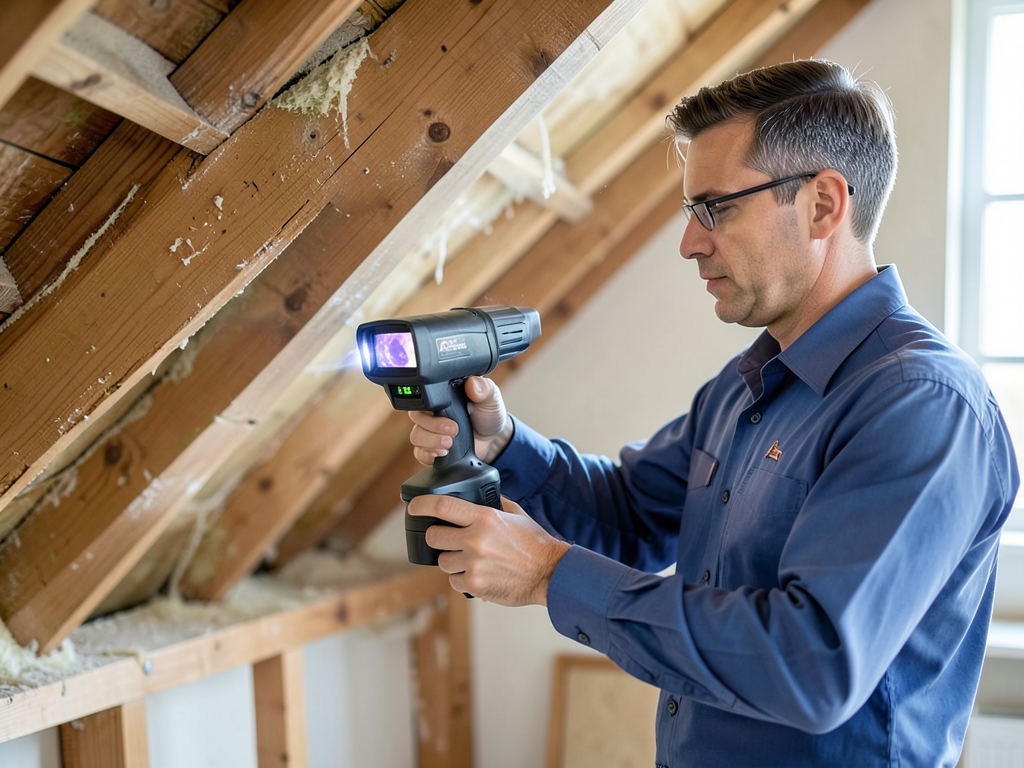
Our team starts with a thermal imaging scan. This tool detects temperature variations in walls, ceilings, and floors. Wet materials show up as cold spots. We pinpoint hidden leaks from plumbing lines, roof penetrations, or condensation buildup in HVAC systems. We also measure relative humidity in each room using hygrometers. Readings above 60 percent indicate conditions that support mold growth.

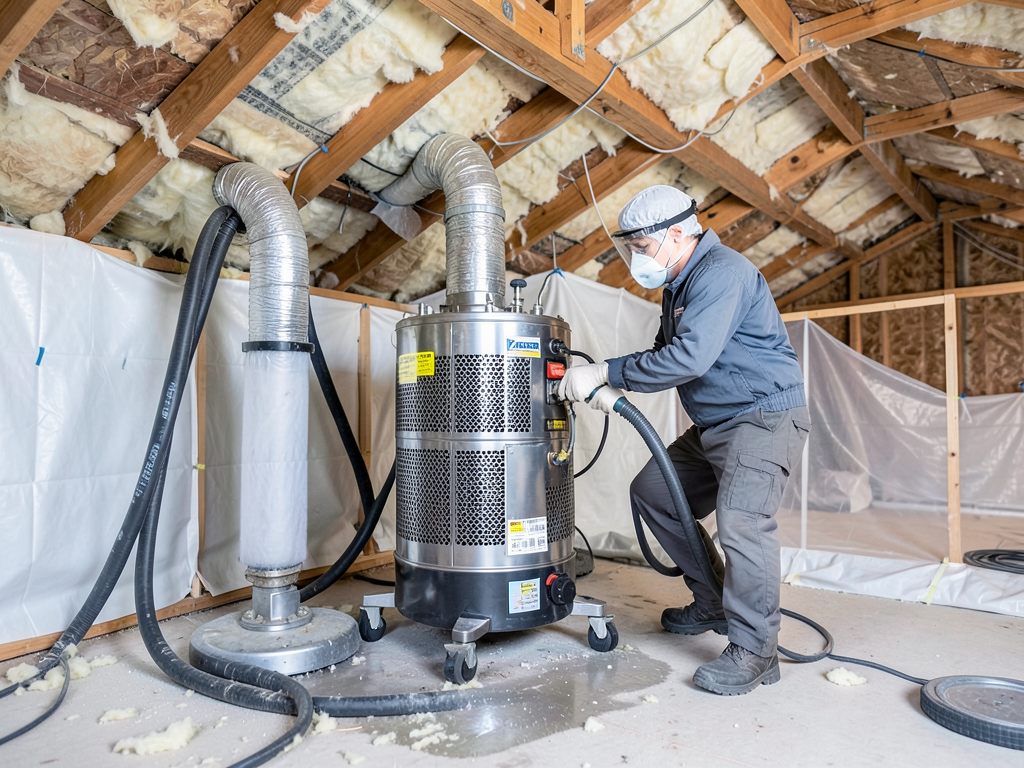
Once we locate the moisture source, we establish containment zones. We seal off affected areas with polyethylene sheeting and negative air pressure machines. This prevents mold spores from migrating to clean spaces during remediation. We remove water-damaged drywall, insulation, and flooring. These materials cannot be salvaged once mold colonizes them.

We apply HEPA filtration throughout the process. HEPA filters capture 99.97 percent of airborne particles, including mold spores, dust mites, and pet dander. We run air scrubbers continuously during demolition and reconstruction. After removing contaminated materials, we treat remaining surfaces with antimicrobial solutions that inhibit future growth.

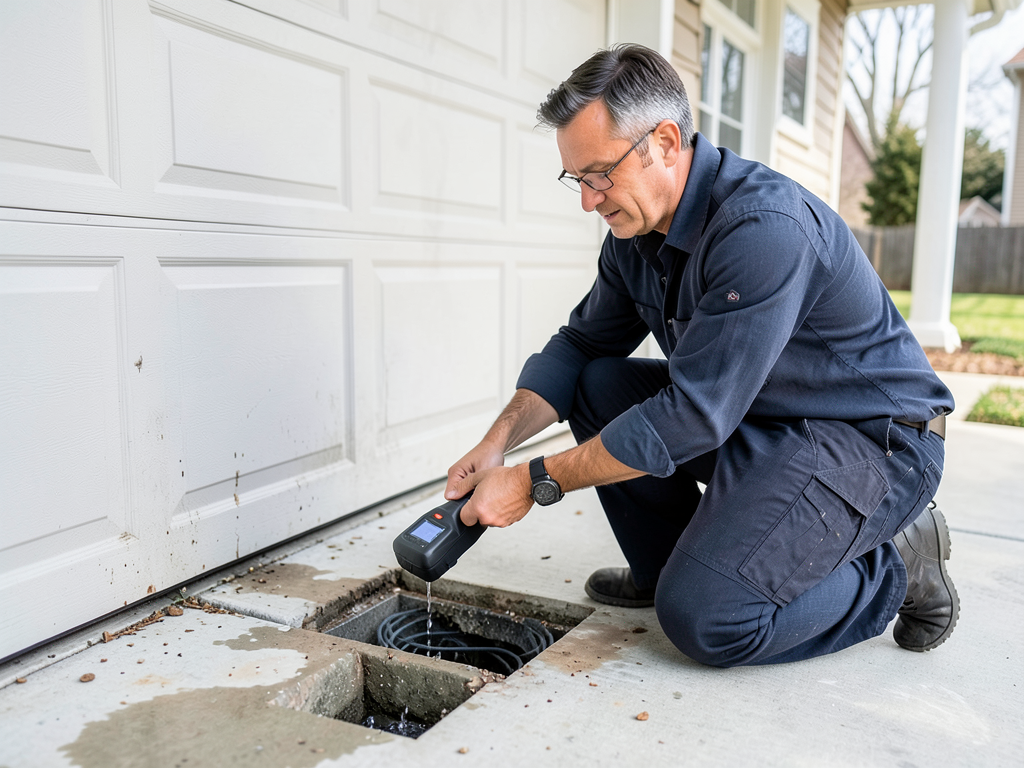
We also address the structural issues that allowed water intrusion. This might involve sealing foundation cracks, rerouting downspouts, or installing vapor barriers in crawl spaces. Kansas City's clay soil requires extra attention. We recommend perimeter drainage systems for homes with chronic basement moisture.

Finally, we verify our work with post-remediation testing. We collect air samples and send them to a third-party lab. You receive a clearance report confirming that spore counts meet EPA standards. This is not guesswork. It is a controlled process that eliminates household mold allergies at the source.

What Happens During Your Mold and Allergen Inspection

Allergic Reactions in Home in Kansas City – Expert Mold Detection and Water Damage Remediation to Eliminate Indoor Allergens
01

Visual and Moisture Assessment

We walk through your home and document visible mold growth, water stains, and musty odors. We use moisture meters to test walls, ceilings, and floors for elevated moisture content. This reveals hidden leaks and condensation zones. We photograph affected areas and create a detailed map of contamination. You understand exactly where the problem exists before we begin any removal work.
02

Containment and Mold Removal

We isolate the work area with plastic barriers and negative air machines. We remove all porous materials that absorbed mold, including drywall, carpet, and insulation. Non-porous surfaces like metal ducts and concrete get treated with antimicrobial cleaners. We bag and dispose of contaminated debris according to Kansas City waste regulations. HEPA air scrubbers run throughout to capture airborne spores and prevent cross-contamination.
03

Drying and Clearance Testing

We dry all affected areas to moisture levels below 15 percent. Industrial dehumidifiers and air movers accelerate evaporation from concrete, wood, and framing. Once dry, we collect air samples and submit them for lab analysis. You receive a clearance report confirming that mold spore counts are within normal limits. We do not consider the job complete until your indoor air quality meets EPA standards.

Why Kansas City Homeowners Trust Local Water Damage and Mold Experts

You need a team that understands Kansas City's unique building challenges. Homes in neighborhoods like Midtown, Westport, and the Northland were built across different decades with varying construction methods. Older homes in historic districts use plaster walls and solid wood framing. Newer builds in Olathe and Overland Park use engineered lumber and synthetic stucco. Each material reacts differently to moisture and mold.

A Plus Water Damage Restoration Kansas City has worked in every corner of the metro. We know which foundation types crack during freeze-thaw cycles. We know which roofing systems fail first during spring storms. We know how Kansas City's clay soil shifts and where groundwater enters basements. This knowledge matters when diagnosing water damage allergy triggers.

We also understand local building codes. Kansas City requires permits for structural repairs and mold remediation projects that involve more than 10 square feet of contamination. We handle permitting, inspections, and compliance documentation. You do not waste time navigating city bureaucracy.

Many homeowners wait too long to address indoor mold symptoms. They assume the problem will resolve on its own or that a dehumidifier will fix everything. By the time they call us, mold has colonized multiple rooms and caused respiratory issues for the entire household. Early intervention prevents this. If you smell musty odors, see discoloration on walls, or experience persistent allergy symptoms at home, schedule an inspection immediately.

We work directly with insurance companies. Most homeowner policies cover water damage and mold remediation if the damage results from a sudden event like a burst pipe or roof leak. We document all findings, provide detailed estimates, and communicate with adjusters to streamline your claim.

Kansas City families trust us because we solve problems without upselling unnecessary services. We tell you what needs to be done, why it needs to be done, and how much it will cost. No surprises. No pressure. Just honest remediation work that restores your home and your health.

What You Can Expect During Mold Remediation and Water Damage Repair

Rapid Response and Assessment

We answer calls seven days a week. Emergency water damage requires immediate attention to prevent mold growth. We arrive within hours, not days. Our team conducts a thorough inspection and moisture assessment during the first visit. You receive a written scope of work and cost estimate before any demolition begins. For non-emergency mold concerns, we schedule inspections within 24 to 48 hours. We respect your time and your home.

Comprehensive Mold and Moisture Testing

We use thermal imaging cameras, moisture meters, and hygrometers to map water intrusion. Air quality testing identifies mold spore concentrations and species. Surface sampling confirms contamination on walls, floors, and HVAC components. We explain findings in plain language and show you exactly where problems exist. You make informed decisions based on data, not guesswork. We also identify the moisture source, whether it's a hidden plumbing leak, roof damage, or foundation seepage.

Complete Remediation and Restoration

We remove all contaminated materials, treat surfaces with antimicrobial agents, and rebuild damaged areas. You get your home back in pre-loss condition. We install moisture barriers, improve ventilation, and address structural issues that caused the problem. Our work prevents future mold growth. Final air quality testing confirms that spore counts meet EPA standards. You receive documentation for your records and peace of mind that your home is safe.

Ongoing Moisture Monitoring and Prevention Plans

Mold returns if moisture problems persist. We provide recommendations for dehumidification, drainage improvements, and HVAC upgrades. For high-risk properties, we offer annual moisture inspections. These checkups catch small leaks before they cause major damage. We also educate homeowners on warning signs like condensation on windows, musty odors, or rising humidity levels. Prevention costs less than remediation. We help you avoid repeat issues.

Frequently Asked Questions

You Have Questions,
We Have Answers

What could be causing allergies in my house? +

Indoor allergens in Kansas City homes include dust mites, pet dander, mold spores, and cockroach droppings. High humidity levels common in Kansas City basements and crawl spaces create ideal conditions for mold growth and dust mite populations. Pollen from outdoor sources also enters through windows and doors, especially during spring and fall. Poor ventilation traps allergens inside. Water damage from leaky pipes or roof issues often leads to hidden mold behind walls or under flooring. HVAC systems can circulate allergens throughout your home if filters are not changed regularly. Older Kansas City homes may have dust accumulation in ductwork.

How do I figure out what I am allergic to in my house? +

Start by tracking when and where symptoms worsen. Note if reactions happen in specific rooms like basements or bedrooms. Schedule an allergy test with your doctor to identify specific triggers through skin prick tests or blood work. Inspect your home for visible mold, especially in bathrooms, kitchens, and basements where Kansas City humidity problems occur. Check for water stains on ceilings or walls indicating leaks. Remove potential allergens one at a time, such as removing carpets or relocating pets, to see if symptoms improve. Professional mold testing can identify hidden contamination behind walls or under floors.

How to manage an allergic reaction at home? +

Remove yourself from the allergen source immediately. Wash exposed skin and rinse nasal passages with saline solution. Take antihistamines like cetirizine or loratadine for mild symptoms. Use a cool compress on affected skin areas. For respiratory symptoms, stay in a well-ventilated area. Drink water to help flush your system. Monitor symptoms closely. If you experience difficulty breathing, throat swelling, or rapid heartbeat, call 911 immediately. These indicate anaphylaxis, which requires emergency treatment. Keep prescribed epinephrine injectors accessible if you have known severe allergies. Document the reaction and follow up with your doctor.

How do you treat an allergy cough? +

Identify and remove the allergen causing the cough. Use a humidifier to add moisture, which helps soothe irritated airways, but monitor humidity levels since Kansas City homes already battle moisture issues. Drink warm liquids like tea or broth to thin mucus. Over-the-counter antihistamines can reduce postnasal drip triggering coughs. Honey may coat the throat and reduce irritation. Sleep with your head elevated to prevent mucus accumulation. Avoid irritants like smoke or strong fragrances. If the cough persists beyond two weeks or worsens, see a doctor. Chronic coughing may indicate mold exposure or other serious allergens.

How to test your house for allergens? +

Hire a professional to test for mold, dust mites, and other allergens. Labs analyze air samples and surface swabs to identify contaminants. DIY mold test kits are available but less accurate than professional testing. Inspect visible areas for water damage, discoloration, or musty odors. Check your HVAC system and ductwork for dust buildup. In Kansas City, pay special attention to basements and crawl spaces where moisture accumulates. Test humidity levels with a hygrometer. Readings above 50 percent promote mold growth and dust mites. Look for evidence of pests, which contribute allergens through droppings.

What could I be allergic to in my own house? +

Common household allergens include dust mites living in bedding and upholstered furniture, pet dander from cats and dogs, mold spores from damp areas, cockroach droppings, and pollen tracked indoors. Household cleaning products, fragrances, and chemical irritants can trigger reactions. Kansas City homes often have mold in basements due to humidity and poor ventilation. Older homes may have accumulated dust in walls and ductwork. Food allergens in kitchens can become airborne during cooking. Latex products, certain fabrics, and indoor plants also cause reactions in sensitive individuals. Water-damaged areas behind walls often harbor hidden mold growth.

Do air purifiers help allergies? +

Air purifiers with HEPA filters effectively remove airborne allergens like pollen, pet dander, and dust mite particles. They capture particles as small as 0.3 microns. Place purifiers in bedrooms or main living areas for maximum benefit. However, they do not remove allergens embedded in carpets, furniture, or walls. Air purifiers work best alongside regular cleaning and humidity control. In Kansas City homes with basement moisture issues, purifiers alone cannot solve mold problems. You must address the water source first. Change filters regularly to maintain effectiveness. Purifiers reduce symptoms but do not eliminate all allergen exposure.

Can mold cause allergic reactions? +

Yes, mold is a common allergen that triggers respiratory symptoms, skin rashes, and eye irritation. Mold spores become airborne and enter your lungs or contact skin. Some people develop severe reactions including asthma attacks or hypersensitivity pneumonitis. Kansas City homes face mold risks due to humidity, especially in basements and crawl spaces with poor ventilation. Water damage from roof leaks, plumbing issues, or foundation cracks creates mold growth within 24 to 48 hours. Black mold, though not always toxic, indicates serious moisture problems. Professional remediation is necessary for mold covering more than 10 square feet.

Why am I congested in my house but not outside? +

Indoor air quality is often worse than outdoor air. Your home traps allergens like dust mites, pet dander, and mold spores that accumulate without proper ventilation. Kansas City homes sealed tightly for energy efficiency prevent fresh air circulation. HVAC systems recirculate contaminated air if filters are dirty. Basements and crawl spaces with high humidity breed mold that spreads throughout the house. Dust accumulates in carpets, drapes, and upholstery. Pollen and outdoor allergens settle on surfaces and remain indoors long after outdoor levels drop. Poor ventilation, water damage, or hidden mold growth behind walls often causes persistent indoor congestion.

How do you flush an allergic reaction out of your system? +

Drink plenty of water to help your body process and eliminate allergens. Rinse nasal passages with saline solution to remove trapped particles. Take antihistamines to block histamine response causing symptoms. Shower to wash allergens off skin and hair. Change clothes worn during exposure. Use a neti pot for deeper nasal irrigation. Eat anti-inflammatory foods. Rest to allow your immune system to recover. Most mild reactions clear within hours to a few days. For severe reactions, seek medical attention immediately. Identify and eliminate the allergen source to prevent future exposure. Clean your home thoroughly after a reaction episode.

How Kansas City's Humidity and Clay Soil Create Chronic Mold Problems in Basements

Kansas City sits at the intersection of humid continental and humid subtropical climate zones. Summer dew points regularly exceed 65 degrees. This moisture load enters homes through foundation walls, crawl spaces, and attics. Homes built on clay soil in neighborhoods like Shawnee, Lenexa, and Lee's Summit face additional challenges. Clay expands when saturated and contracts during dry periods. This movement cracks foundation walls and slab floors. Groundwater seeps through these cracks and pools in basements. Chronic dampness triggers household mold allergies and creates persistent indoor air quality issues. Residents near the Blue River or Brush Creek experience even higher humidity due to proximity to water sources.

Kansas City's building codes require vapor barriers in new construction, but older homes lack these protections. Many homes built before 1980 have unfinished basements with exposed concrete and minimal ventilation. These spaces trap moisture and breed mold year-round. A Plus Water Damage Restoration Kansas City understands these local conditions. We design remediation plans that address both immediate contamination and long-term moisture control. Our team knows which drainage solutions work best in Kansas City's clay soil and how to retrofit older homes with modern moisture barriers. Local expertise matters when you are protecting your family from mold exposure symptoms and water damage allergy triggers.
Water Damage Restoration Services in The Kansas City Area

While we provide rapid mobile service throughout the entire Kansas City area, you can also view our general service area on the map. We are dedicated to being a local, accessible resource for all your water damage restoration needs, whether you're in the heart of the city or a surrounding community. Our team is always just a phone call away, ready to assist you with expertise and care, no matter where you are located within our service area.

Address:
A Plus Water Damage Restoration Kansas City, 1020 E Armour Blvd, Kansas City, MO, 64109

Additional Services We Offer

Our news updates

Latest Articles & News from The Blogs

Understanding the difference between water mitigation and full restoration for your Riverside property When water invades your Riverside home the…

Understanding the difference between water mitigation and full restoration for your Riverside property

Understanding the difference between water mitigation and full restoration for your Riverside property When water invades your Riverside home the…

How the hard water in Edwardsville is secretly shortening the life of your plumbing and appliances

How the hard water in Edwardsville is secretly shortening the life of your plumbing and appliances Hard water is more…

How to protect your Weatherby Lake home from major water damage while you are away for the winter

How to protect your Weatherby Lake home from major water damage while you are away for the winter Winterizing your…

Contact Us

You deserve to breathe clean air in your own home. Call A Plus Water Damage Restoration Kansas City at (816) 473-3833 for a comprehensive mold and moisture inspection. We eliminate the source of your allergic reactions in home and restore healthy indoor air quality.