


Menu

Toilet Overflow Cleanup in Kansas City – 24/7 Emergency Response Stops Contamination Fast

We dispatch trained technicians to Kansas City homes within 60 minutes to extract sewage, sanitize affected areas, and prevent black mold from taking hold after toilet overflow emergencies.

Slider Image 1
Slider Image 2
Slider Image 3
Slider Image 4
Slider Image 5
Slider Image 7
Slider Image 8
Slider Image 9
Slider Image 10
Slider Image 11

Why Toilet Overflow Demands Immediate Action in Kansas City

A toilet overflow is not just messy. It is a Category 3 contamination event. The water contains bacteria, viruses, and pathogens that pose serious health risks. Every minute you wait, sewage water spreads deeper into subflooring, baseboards, and carpet padding.

Kansas City's older housing stock makes this problem worse. Many homes in neighborhoods like Hyde Park and Columbus Park were built on crawlspace foundations with wood joists. When toilet sewage soaks into these structural timbers, you face rot, mold colonization, and expensive subfloor replacement. The high humidity we see from spring through fall accelerates microbial growth. You have a 24 to 48-hour window before mold spores begin to multiply.

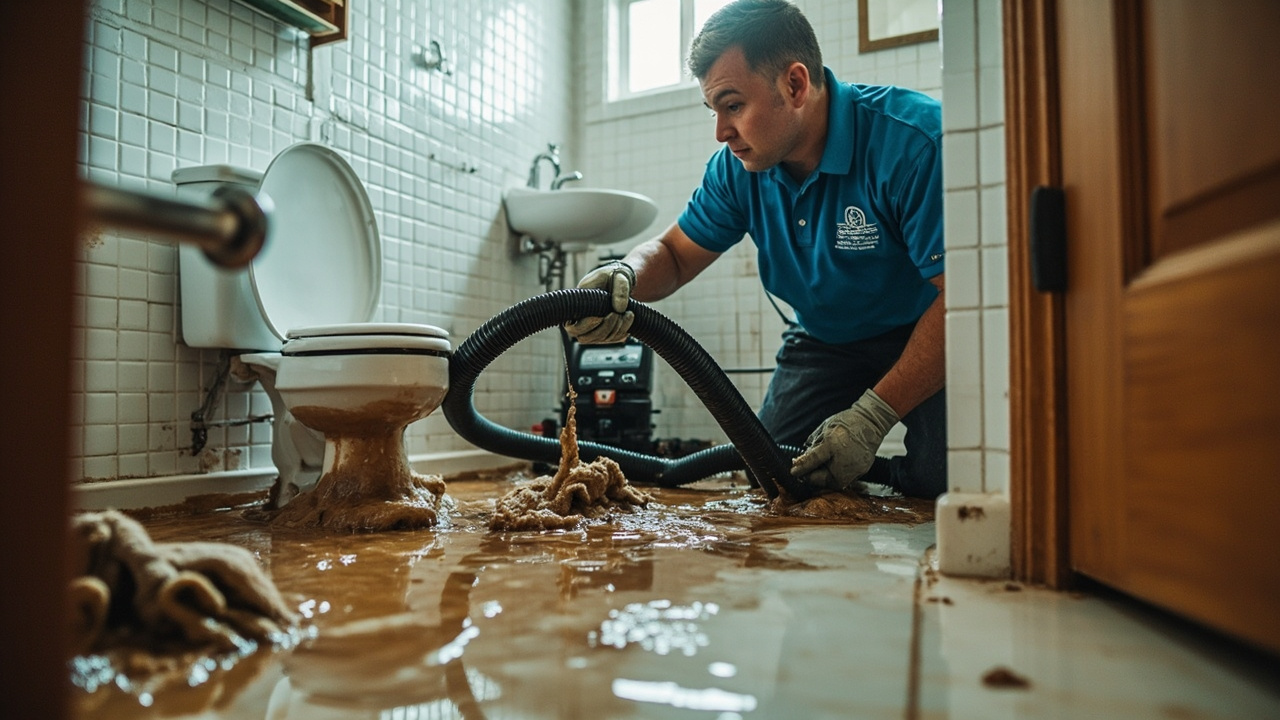
Emergency toilet water extraction is the first step. Standing sewage must be removed immediately using truck-mounted extractors. You cannot mop this up with towels. The contamination has already wicked into porous materials. Overflowing toilet cleanup requires professional-grade antimicrobial agents and thermal drying equipment to restore safe indoor air quality.

Toilet flood restoration is not about aesthetics. It is about protecting your family from illness and preventing long-term structural damage. If the overflow originated from a clogged main line or sewer backup, the contamination level is even higher. You need certified toilet overflow remediation, not a handyman with a wet vac.

The longer you wait, the more you pay. Sewage damage compounds by the hour.

Why Toilet Overflow Demands Immediate Action in Kansas City
How Professional Toilet Sewage Removal Works

How Professional Toilet Sewage Removal Works

Toilet overflow cleanup follows a strict protocol. We do not guess. We follow IICRC S500 standards for water damage restoration and IICRC S520 standards for mold remediation.

First, we assess the source. Is this a simple bowl overflow or a main line backup pushing sewage through the toilet? We trace the contamination to determine Category 2 or Category 3 classification. This dictates our containment and disposal procedures.

Next, we extract all standing water using high-capacity submersible pumps and truck-mounted extraction units. We pull water from carpet, padding, and subflooring using weighted extraction tools. Surface removal is not enough. We measure moisture content in the subfloor using pin-type and non-invasive moisture meters. Anything above 15 percent moisture content requires targeted drying.

We then apply EPA-registered antimicrobial treatments to all affected surfaces. This is not bleach. We use hospital-grade disinfectants formulated for sewage contamination. We treat walls, baseboards, and subfloors to neutralize pathogens.

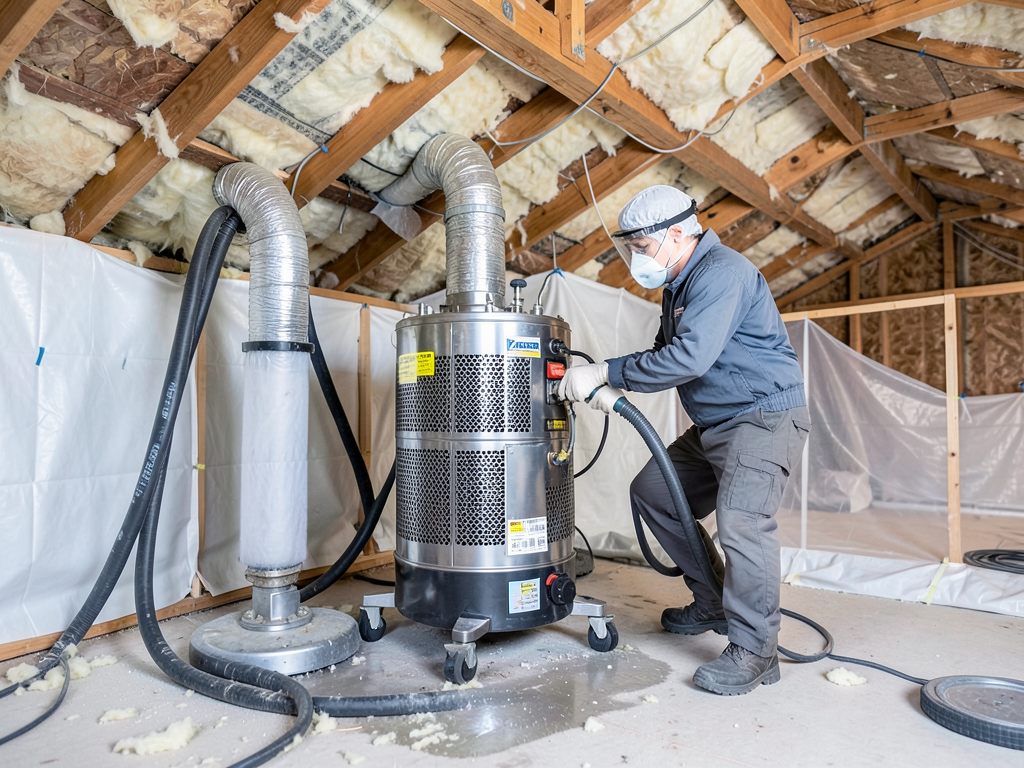
Thermal drying comes next. We deploy axial fans, centrifugal air movers, and low-grain refrigerant dehumidifiers. We create negative air pressure to prevent cross-contamination into unaffected rooms. We monitor temperature and humidity every 12 hours until the space reaches equilibrium moisture content.

Finally, we remove and dispose of non-salvageable materials. Carpet padding exposed to sewage cannot be saved. Drywall wicking more than 24 inches must be cut and replaced. We document everything for your insurance claim. You get a moisture log, thermal imaging reports, and a detailed scope of work.

This is not a DIY project. You need containment barriers, PPE, and commercial-grade drying equipment.

What Happens When You Call for Toilet Overflow Emergency Service

Toilet Overflow Cleanup in Kansas City – 24/7 Emergency Response Stops Contamination Fast
01

Immediate Dispatch and Containment

Our team arrives within 60 minutes wearing full PPE and carrying containment barriers. We stop the source, establish containment zones with plastic sheeting and negative air machines, and begin extracting standing sewage water. We prevent contamination from spreading to clean areas of your home. You get a verbal assessment and timeline before we start any work.
02

Extraction and Antimicrobial Treatment

We use truck-mounted extractors to pull sewage from carpet, padding, and subfloors. We apply EPA-registered disinfectants to all affected surfaces, including walls and baseboards. We remove unsalvageable materials like soaked padding and baseboards. We deploy thermal drying equipment and dehumidifiers to begin the drying process. You receive a moisture reading log and drying schedule.
03

Monitoring and Final Verification

We monitor moisture levels every 12 hours until your floors and walls return to normal moisture content. We perform final air quality testing and microbial surface sampling to verify safe conditions. We document everything for your insurance carrier and provide a certificate of completion. Your home is safe for reoccupation, and you have a full record of the remediation work.

Why Kansas City Homeowners Choose A Plus Water Damage Restoration

You need a company that understands Kansas City's housing stock and climate. We work in homes built in the 1920s with plaster walls and wood lath. We know how sewage water behaves in balloon-framed houses versus platform-framed construction. We know that basements in Waldo and Brookside flood differently than crawlspaces in Northeast Kansas City.

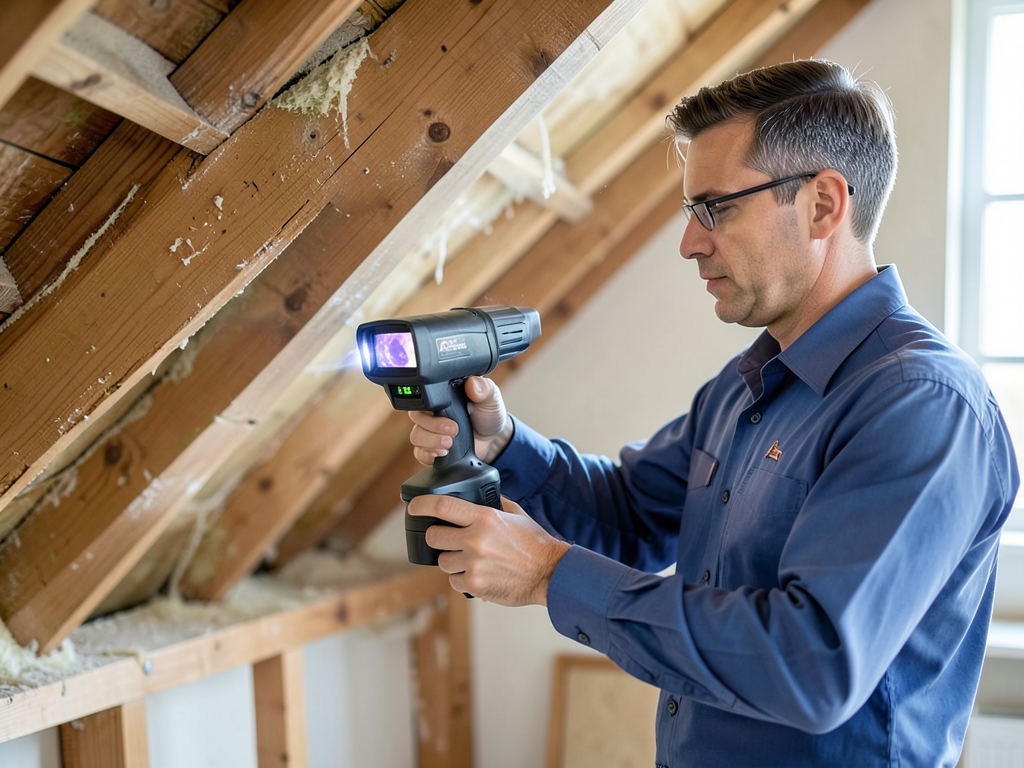
We are IICRC-certified in water damage restoration and applied microbial remediation. That means we follow science-based protocols, not guesswork. We carry thermal imaging cameras to find hidden moisture in wall cavities. We use psychrometric calculations to optimize drying efficiency. We document every step for your insurance adjuster.

We work with every major insurance carrier in Kansas City. We know how to write estimates that align with Xactimate pricing. We handle the paperwork so you do not have to argue with your adjuster about scope or pricing. We get approvals fast.

Our technicians live and work in Kansas City. We have dispatched to jobs in Overland Park, Lenexa, Lee's Summit, and Independence. We understand local building codes and permit requirements. If your sewage backup requires a plumbing repair before we can begin restoration, we coordinate with licensed Kansas City plumbers to expedite the process.

We do not subcontract. The team that answers your call is the team that performs the work. You get consistent quality and accountability from start to finish.

You also get 24/7 availability. Toilets do not overflow during business hours. We answer the phone at 2 a.m. on Sunday. We dispatch immediately. You do not wait until Monday morning while sewage soaks into your subflooring.

We treat your home like it is ours. We wear shoe covers. We protect unaffected areas with plastic and tape. We leave your home cleaner than we found it.

What to Expect During Toilet Overflow Restoration

Emergency Response Timeline

We dispatch a two-person crew within 60 minutes of your call. Our trucks carry extraction equipment, antimicrobial agents, air movers, dehumidifiers, and moisture detection tools. We begin work immediately upon arrival. Initial extraction and containment typically takes two to four hours depending on the affected area. We provide a verbal timeline and written scope of work before starting any billable service. You know what to expect before we begin.

Assessment and Moisture Mapping

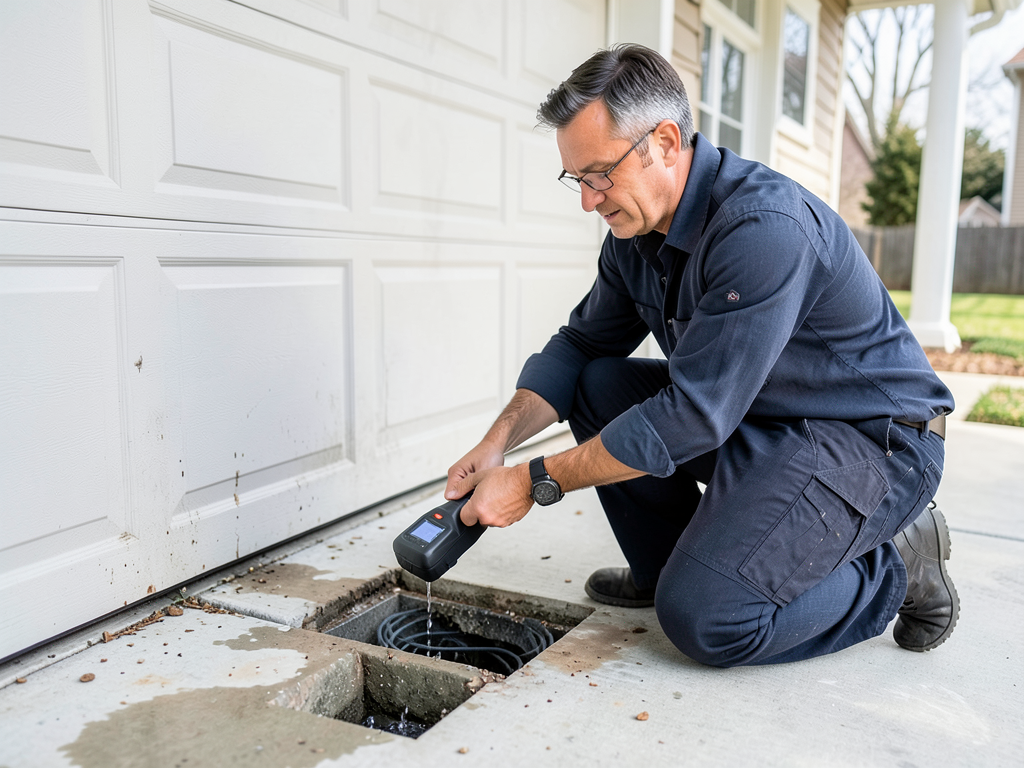
We use thermal imaging cameras and moisture meters to map contamination spread. We measure moisture content in floors, walls, and baseboards. We document everything with photos and written logs. This data drives our drying strategy and provides documentation for your insurance claim. We explain our findings in plain language so you understand the extent of the damage and the required remediation steps. You receive a copy of the moisture map and daily monitoring logs.

Complete Sanitization and Drying

We achieve complete drying in three to five days for most residential toilet overflows. We use commercial-grade air movers and dehumidifiers to pull moisture from structural materials. We monitor conditions twice daily and adjust equipment placement as needed. We perform final microbial testing to verify surfaces are safe. You receive a certificate of completion and full documentation package. Your home is restored to pre-loss condition with verified dry readings.

Insurance Coordination and Documentation

We handle all communication with your insurance carrier. We provide detailed estimates, moisture logs, thermal imaging, and daily progress photos. We write scopes that align with Xactimate pricing to prevent disputes. We attend adjuster meetings and explain our remediation protocol. We do not require upfront payment if you have an active homeowners policy. We bill your carrier directly and collect only your deductible. You get professional advocacy without the paperwork headaches.

Frequently Asked Questions

You Have Questions,
We Have Answers

Can you pour vinegar in a toilet overflow tube? +

Yes, you can pour white vinegar into the overflow tube to remove mineral deposits and improve flow. Pour one cup of white vinegar directly into the tube and let it sit for 30 minutes. The acid breaks down calcium and lime buildup common in Kansas City's hard water. Flush the toilet to rinse. This works for minor maintenance, but if your toilet overflows due to a clog or backup, stop using it immediately. Sewage backups require professional cleanup to prevent contamination. Do not attempt DIY cleaning if standing water or sewage is present.

How to clean a toilet overflow tube? +

Turn off the water supply at the shut-off valve. Remove the tank lid and locate the overflow tube in the center. Use a small bottle brush or pipe cleaner dipped in white vinegar to scrub inside the tube. Kansas City's hard water causes mineral buildup that restricts flow. For stubborn deposits, pour vinegar down the tube and let it sit for an hour before scrubbing. Rinse by turning the water back on and flushing. If you find black mold or sewage residue inside, the toilet has likely overflowed before. Call a water damage professional immediately.

Will hydrogen peroxide dissolve toilet paper? +

Hydrogen peroxide does not dissolve toilet paper effectively. It breaks down organic matter through oxidation, but toilet paper is designed to be durable when wet. The standard 3 percent solution you buy at stores is too weak to dissolve cellulose fibers quickly. If you have a clog, use a plunger or auger instead. In Kansas City's older homes with cast iron pipes, flushing chemicals can corrode lines and worsen blockages. If your toilet overflows due to a paper clog, remove standing water immediately to prevent floor damage and subfloor saturation.

What is the best cleaner for toilet rim jets? +

White vinegar works best for cleaning rim jets because it dissolves mineral deposits without damaging porcelain. Kansas City has moderately hard water that clogs these jets with calcium buildup. Close the tank flaps to stop water flow, then tape the jets shut with duct tape. Pour vinegar into the overflow tube and let it sit for two hours. Remove the tape and scrub jets with a wire hanger or Allen wrench. Avoid harsh acids like muriatic acid unless you are experienced. They can crack porcelain and cause dangerous fumes in poorly ventilated bathrooms.

Can I leave vinegar in the toilet tank overnight? +

Yes, leaving white vinegar in the tank overnight is safe and effective for removing mineral buildup. Pour two cups into the tank after the last flush of the day. The acid works slowly to dissolve calcium deposits on the flapper, fill valve, and tank walls. Kansas City's water causes gradual scaling that reduces flush efficiency. Flush twice in the morning to rinse. Do not use vinegar if you have rubber or plastic tank components showing cracks. The acid can accelerate deterioration. If you notice black mold or foul odors, you may have a hidden leak requiring professional inspection.

What do plumbers say about baking soda and vinegar? +

Most plumbers say baking soda and vinegar are ineffective for serious clogs. The reaction creates carbon dioxide bubbles that look impressive but lack the pressure to clear blockages. For slow drains, this mix might help with minor buildup, but it will not remove tree roots, grease clogs, or compacted waste. Kansas City homes with older sewer laterals often face root intrusion that needs mechanical snaking. If your toilet overflows, the problem is beyond a DIY fix. Call a licensed plumber to clear the line and a water damage professional to dry flooring and prevent mold growth.

What are two things you should never flush down a toilet? +

Never flush wipes or feminine hygiene products. Wipes labeled flushable do not break down like toilet paper. They snag on pipe joints and create clogs that cause overflows. Feminine products absorb water and expand, blocking sewer lines completely. Kansas City's combined sewer system in older neighborhoods can back up during heavy rain, and these items make blockages worse. If your toilet overflows from a clog, raw sewage can contaminate your bathroom. Stop flushing immediately, turn off the water supply, and call a professional to extract standing water and sanitize affected areas.

Can I use CLR to clean toilet rim jets? +

Yes, CLR works for cleaning rim jets, but use it carefully. It contains stronger acids than vinegar and dissolves calcium deposits faster. Wear gloves and ventilate the bathroom well. Apply CLR with a small brush directly into each jet hole and let it sit for two minutes, not longer. Rinse thoroughly by flushing multiple times. Kansas City's water hardness causes stubborn buildup, but overuse of CLR can damage older porcelain and rubber gaskets. If jets stay clogged after cleaning, you may have a venting issue or partial sewer blockage requiring professional diagnosis.

How to get rid of smell after toilet overflows? +

Remove all standing water and contaminated materials immediately. Open windows and run fans to increase airflow. Spray affected surfaces with an EPA-registered disinfectant approved for sewage cleanup. Kansas City's humidity can trap odors in drywall and subfloors, so moisture must be extracted quickly. Do not rely on air fresheners. They mask smells but do not eliminate bacteria. If the overflow involved sewage, porous materials like carpet padding and drywall may need removal. Call a water damage restoration company with extraction equipment and antimicrobial treatments. Lingering odors indicate hidden moisture or contamination requiring professional remediation.

What do plumbers recommend to clean toilet tanks? +

Plumbers recommend white vinegar for routine tank cleaning because it is safe and removes mineral deposits without damaging components. Pour two cups into the tank, let it sit for a few hours, then scrub and flush. For heavy buildup common in Kansas City's hard water areas, some plumbers suggest a diluted bleach solution, but bleach can corrode metal parts over time. Avoid drop-in tablets that contain chlorine. They degrade flappers and gaskets, causing leaks. If you notice rust, mold, or persistent sediment, the tank may need professional inspection to prevent future overflows.

How Kansas City's Aging Sewer Infrastructure Increases Toilet Overflow Risk

Kansas City has over 1,000 miles of combined sewer system that handles both stormwater and sewage. During heavy rain events, which we see frequently from April through June, the system becomes overwhelmed. Sewage can back up through floor drains and toilets, especially in older neighborhoods like North Kansas City and the West Bottoms. Homes built before 1960 often lack backwater valves, making them vulnerable to main line surges. When the combined system floods, you need immediate toilet flood restoration to prevent contaminated water from saturating your foundation and living spaces.

Kansas City homeowners need restoration companies that understand local plumbing codes and the unique risks posed by our aging infrastructure. We work with Kansas City Water Services and local plumbers to address both the immediate contamination and the underlying cause. We know which neighborhoods are prone to sewer backups and how to prevent future incidents. Our technicians are trained on Kansas City building codes and permit requirements for structural repairs. When you hire local experts, you get faster service and better outcomes.
Water Damage Restoration Services in The Kansas City Area

While we provide rapid mobile service throughout the entire Kansas City area, you can also view our general service area on the map. We are dedicated to being a local, accessible resource for all your water damage restoration needs, whether you're in the heart of the city or a surrounding community. Our team is always just a phone call away, ready to assist you with expertise and care, no matter where you are located within our service area.

Address:
A Plus Water Damage Restoration Kansas City, 1020 E Armour Blvd, Kansas City, MO, 64109

Additional Services We Offer

Our news updates

Latest Articles & News from The Blogs

Understanding the difference between water mitigation and full restoration for your Riverside property When water invades your Riverside home the…

Understanding the difference between water mitigation and full restoration for your Riverside property

Understanding the difference between water mitigation and full restoration for your Riverside property When water invades your Riverside home the…

How the hard water in Edwardsville is secretly shortening the life of your plumbing and appliances

How the hard water in Edwardsville is secretly shortening the life of your plumbing and appliances Hard water is more…

How to protect your Weatherby Lake home from major water damage while you are away for the winter

How to protect your Weatherby Lake home from major water damage while you are away for the winter Winterizing your…

Contact Us

Every minute counts when sewage contaminates your home. Call (816) 473-3833 now for 24/7 emergency dispatch. Our Kansas City team arrives in 60 minutes or less with full containment and extraction equipment. Do not wait. Protect your family and your property.