



Parkville sits along the Missouri River bluffs where elevation changes create unique drainage problems. Homes in lower areas near English Landing Park flood during spring storms when the river swells and stormwater backs up through aging sewer systems. The clay-heavy soil common throughout Platte County absorbs water slowly, which means heavy rain pools against foundations instead of draining away.
Winter freeze-thaw cycles crack pipes in crawl spaces and attics. A pipe freezes overnight when temperatures drop below 20 degrees, then bursts when it thaws the next afternoon. Older homes near downtown Parkville have cast iron drain lines that corrode from the inside and fail without warning. Water heaters in basements give out after 10 years, dumping 40 to 50 gallons across finished floors.
The humidity here climbs above 70 percent in summer. Water that gets into walls or under flooring grows mold within 48 hours. Every hour you wait after discovering water damage increases the cost of repairs and the health risk to your family. Insurance companies require immediate mitigation to cover claims. Fast response protects your home and your coverage.
We operate out of Kansas City and serve Parkville with the same response time as downtown calls. Our trucks carry enough equipment to handle residential floods, commercial water losses, and sewage backups without returning to the shop for more gear. We stock truck-mounted extractors that pull thousands of gallons per hour, not small shop vacs that take all day.
Our technicians hold IICRC Water Damage Restoration certifications and Applied Structural Drying credentials. That means they understand building science, not just how to run equipment. They know where water hides in wall cavities, under vinyl flooring, and inside HVAC ductwork. They use thermal imaging cameras to find moisture you cannot see and document it for your insurance adjuster.
We work directly with every major insurance carrier. We photograph damage, write detailed estimates, and communicate with adjusters so you do not have to fight for coverage. Most claims get approved because we document everything according to industry standards. We also bill insurance directly in most cases, so you do not pay out of pocket and wait for reimbursement.
Our guarantee is simple. We dry your structure to ANSI/IICRC S500 standards or we keep working until we do. That means moisture readings below 15 percent in wood framing and below 40 percent relative humidity in the air. We place professional-grade air movers and dehumidifiers, then monitor readings daily until your home passes inspection. No hidden fees. No surprise charges. Just complete drying and documented proof your home is safe.

We dispatch from Kansas City the moment you call. Our trucks reach most Parkville addresses in under an hour. Fast water extraction prevents subfloor damage, saves hardwood floors, and stops mold before it colonizes your walls. Every minute counts when water is spreading.

We handle the insurance paperwork and bill your carrier directly in most cases. You do not pay thousands upfront and wait months for reimbursement. We write estimates adjusters approve because we follow industry documentation standards. Your claim moves faster when we manage it.
Our crews hold Water Damage Restoration and Applied Structural Drying certifications. They understand psychrometrics, building materials, and moisture migration. They place equipment where science says it works, not where it looks busy. Certified technicians dry structures correctly the first time.
We know which Parkville neighborhoods flood during spring storms and which older homes have cast iron drain lines that fail. We understand local construction methods and common problem areas. That experience means faster diagnosis, better equipment placement, and complete drying with fewer delays.
Water damage comes in different categories based on contamination level and requires different approaches. Clean water from a supply line needs extraction and drying. Gray water from washing machine overflows needs disinfection. Black water from sewage backups requires full containment and antimicrobial treatment. We handle all three categories with appropriate equipment and safety protocols.
Our services cover emergency water removal, structural drying, mold remediation, content restoration, and reconstruction. We arrive as the emergency mitigation company and stay through final repairs if you choose. That continuity means one company manages your entire claim instead of coordinating multiple contractors.
Residential jobs range from small bathroom floods to whole-house disasters. Commercial projects include office buildings, retail spaces, and apartment complexes. We scale equipment to match the loss. A bathroom pipe break gets portable extractors and air movers. A flooded basement gets truck-mounted systems that remove water in hours instead of days.
Standing water ruins flooring, soaks into drywall, and spreads into adjacent rooms every hour it sits. Our truck-mounted extractors pull thousands of gallons per hour from carpets, tile, and concrete. We use weighted wands that compress carpet padding to extract water portable machines miss. Submersible pumps handle deep basement flooding. Fast extraction saves materials and lowers your total repair cost.
Removing standing water is step one. Drying hidden moisture in walls, subfloors, and insulation is step two. We place commercial dehumidifiers that remove 150 pints per day and high-velocity air movers that increase evaporation rates. Our technicians monitor moisture readings daily with pin and pinless meters until all materials reach dry standards. We document every reading for your insurance claim.
Mold grows in wet building materials within 48 hours. We contain affected areas with plastic sheeting and negative air machines to prevent spore spread. We remove contaminated drywall, insulation, and framing members that cannot be cleaned. We treat remaining surfaces with antimicrobial solutions and verify clearance with post-remediation testing. Fast water damage response prevents most mold problems before they start.
Parkville homes face predictable water damage risks based on age, location, and construction type. Properties near the Missouri River and English Landing Park flood when spring storms dump heavy rain and the river rises. Older homes built before 1980 have cast iron drain lines that corrode and fail inside walls. Ranch-style homes common throughout Parkville have slab foundations where supply line leaks go unnoticed until water surfaces through flooring.
Finished basements flood when sump pumps fail during power outages or when discharge lines freeze in winter. Crawl spaces in split-level homes trap moisture from groundwater seepage and poor ventilation. Water heaters in utility rooms give out after 10 years and dump 40 gallons before anyone notices. Every one of these problems requires immediate attention to prevent structural damage and mold growth.
Parkville winters drop below 20 degrees multiple times per season. Pipes in exterior walls, attics, and crawl spaces freeze solid. When temperatures rise the next day, pipes burst and flood entire floors. PEX and copper supply lines both fail. We extract water fast and dry wall cavities before mold starts.
Spring storms knock out power when you need sump pumps most. Water rises in basements and ruins finished living spaces, carpet, and furniture. Backup battery systems fail after three years. We pump out flooded basements, extract water from carpets, and dry framing before secondary damage occurs.
Rubber washing machine hoses burst after five years and dump water across laundry rooms and into adjacent spaces. Water flows under walls into bedrooms and living areas. It soaks carpet padding and seeps into subfloors. We extract water from all affected areas and dry hidden moisture before mold colonizes materials.
Ice dams form on Parkville roofs when snow melts and refreezes at eaves. Water backs up under shingles and leaks into attics, then drips through ceilings into living spaces. Insulation soaks up water and loses effectiveness. We dry attic spaces, remove wet insulation, and treat framing to prevent mold in enclosed areas.
Water emergencies create panic. You need clear answers and immediate action. When you call our emergency line, you talk to a trained technician who asks specific questions about the water source, how long it has been flowing, and which rooms are affected. That information helps us bring the right equipment and enough crew members to handle your specific situation.
We give you an arrival window and call again when our truck is 10 minutes out. Our technicians arrive in company uniforms with identification. They assess damage, explain what needs to happen, and start extraction immediately. We do not wait for insurance approval to stop water damage from spreading. Every hour we delay costs you more money and creates more destruction.
You stay informed through every step. We photograph damage before we start work. We explain which materials can be saved and which need replacement. We write a detailed estimate and send it to your insurance company with documentation they require for approval. Most customers tell us the process felt overwhelming until we took control and managed everything.
We answer emergency calls 24 hours a day and dispatch crews within 60 minutes across Parkville. You talk to a real person who asks questions about your situation, not an answering service that takes messages. We give you honest timelines and clear next steps. You know when we arrive, what we will do, and how long it takes.
We photograph damage from multiple angles and write detailed notes about water sources, affected materials, and necessary repairs. We measure moisture readings in floors, walls, and ceilings with calibrated meters. That documentation goes directly to your insurance adjuster in the format they require. Claims move faster when we handle the paperwork correctly from day one.
We do not pull equipment after three days and hope for the best. Our technicians return daily to take moisture readings and adjust equipment placement. We document progress with written logs and photos. Drying continues until moisture meters show all materials have reached industry dry standards. You get final documentation that proves your home is safe and your insurance claim is complete.
Water damage restoration follows a proven sequence based on building science and insurance industry standards. We cannot skip steps or rush the process without causing secondary damage or mold growth. Every project moves through assessment, extraction, drying, and verification phases at the pace the building materials dictate.
Our technician arrives within 60 minutes and inspects all affected areas. They identify the water source, stop active leaks, and classify the water category. They use moisture meters to map wet materials and thermal cameras to find hidden damage. They photograph everything and explain which materials need extraction, which need drying, and which need removal. You receive a verbal overview and written scope before work begins.
We extract standing water with truck-mounted systems or portable extractors depending on project size. We remove soaked carpet padding, cut wet drywall, and pull damaged insulation. We place commercial dehumidifiers and air movers in strategic locations to maximize evaporation. Our technicians return daily to monitor moisture readings and adjust equipment. Drying takes three to seven days depending on materials and humidity levels.
When moisture readings reach dry standards, we document final numbers and remove equipment. We provide verification reports to your insurance company that confirm successful mitigation. If you choose our rebuild services, we replace drywall, install new flooring, and paint to match existing finishes. One company manages your project from emergency to completion.
Water damage restoration is not about running fans and hoping materials dry. It is applied building science based on psychrometric principles, material porosity, and evaporation rates. The IICRC S500 Standard governs our industry and defines dry standards, safety protocols, and documentation requirements. Insurance companies require restoration contractors to follow these standards or they deny claims.
Proper drying requires controlling four environmental factors: temperature, relative humidity, air movement, and vapor pressure. Commercial dehumidifiers remove moisture from the air, which lowers humidity and increases the evaporation rate from wet materials. Air movers increase surface evaporation by moving humid air away from wet materials and replacing it with drier air. Temperature affects how much moisture air can hold. We heat drying environments to 75 to 80 degrees to maximize dehumidifier efficiency.
Different materials dry at different rates. Drywall dries in three to five days with proper equipment. Hardwood flooring takes seven to 10 days. Concrete slabs take up to 14 days because water migrates slowly through dense materials. We use penetrating probes and non-invasive meters to track moisture deep in materials, not just surface readings. Pulling equipment too early causes mold growth and structural damage weeks after we leave.
Water is classified into three categories based on contamination. Category 1 is clean water from supply lines. Category 2 is gray water from appliance overflows with some contamination. Category 3 is black water from sewage or flooding that contains dangerous pathogens. Each category requires different safety protocols and disposal methods. We contain Category 3 losses, use PPE, and dispose of contaminated materials according to EPA guidelines.
Parkville homes built before 1980 may contain asbestos in flooring, drywall joint compound, or ceiling texture. We stop work and arrange asbestos testing if we encounter suspect materials. Missouri law requires licensed abatement contractors to remove asbestos. Lead paint is also common in older homes. We follow EPA RRP guidelines when disturbing painted surfaces during demolition. Your safety and our crews' safety come first.
The IICRC S500 Standard defines dry as moisture content no higher than 15 percent in wood framing and relative humidity below 40 percent in affected spaces. We document moisture readings daily with calibrated meters. Insurance adjusters require proof we met these standards before they approve final payment. Shortcuts cause claim denials and mold problems.
Restoration costs depend on water category, square footage affected, building materials, and drying time. Category 3 sewage losses cost more because of disposal requirements and antimicrobial treatment. Hardwood floors cost more to dry than carpet. Finished basements with drywall cost more than unfinished spaces. Fast response lowers total cost by preventing secondary damage.
Small water losses dry in three to five days. Whole-house floods take seven to 10 days. Concrete slab moisture takes up to 14 days to reach dry standards. We cannot speed up drying without causing material damage. Anyone who promises 48-hour drying is removing equipment before materials are safe. That causes mold growth and structural problems later.
Missouri does not require water damage contractors to hold state licenses, which means anyone can claim they restore homes. We carry full general liability and workers compensation insurance. We hold IICRC certifications that prove technical competence. We follow OSHA safety standards on every job. Ask any contractor for proof of insurance and training before you let them into your home.
Professional water damage restoration guide for Parkville homeowners explains emergency response procedures, structural drying science, and insurance claim documentation. Video covers moisture detection methods, equipment placement, IICRC drying standards, and typical timelines for complete water damage mitigation. Demonstrates truck-mounted extraction systems, commercial dehumidifiers, and thermal imaging technology used to locate hidden moisture in walls and subfloors.
A Plus Water Damage Restoration Kansas City serves all of Parkville and responds to water emergencies throughout Platte County. We know this area because we work here every day. Our crews handle water damage in the historic downtown district near English Landing Park, where older brick buildings and renovated storefronts face aging plumbing and foundation seepage from the Missouri River bluffs.
Residential calls come from neighborhoods throughout Parkville. We respond to Riss Lake area homes where finished basements flood during spring storms when sump pumps fail. We serve properties near Park University along the river bluffs where elevation changes create drainage problems and foundation water intrusion. The National Golf Club area has newer construction with PEX plumbing that still fails when freezes hit, requiring fast water extraction from multiple rooms.
Homes along Highway 45 and Highway 9 corridors face different water damage patterns. Split-level ranch homes common in these areas have crawl spaces that trap moisture and finished lower levels that flood when supply lines burst. We understand these construction types and know where water hides in wall cavities and under vinyl flooring. Fast response from Kansas City means we reach these neighborhoods in under an hour during emergencies.
We also serve surrounding communities that border Parkville. Weatherby Lake residents call us for basement flooding and water heater failures. Riverside properties near the airport face similar Missouri River flood risks and clay soil drainage issues. Platte City and Platte Woods homes share the same aging infrastructure and freeze-thaw pipe problems common throughout the county. Our service area covers the entire northern Kansas City metro because water damage does not respect city limits.
Commercial properties throughout Parkville trust us for water damage restoration. We handle office buildings downtown, retail spaces along Highway 9, and multi-family apartment complexes that need 24-hour response. Our equipment scales from single-room losses to whole-building disasters. We work with property managers who need fast mitigation and complete documentation for insurance claims.
Water damage restoration in Parkville MO takes 3 to 7 days for most projects. Small leaks with minimal damage need 3 to 4 days. Larger floods or sewage backups require 5 to 7 days or longer. The timeline depends on the water source, affected square footage, and material types in your home. Drying alone takes 2 to 4 days. Restoration teams then repair damaged drywall, flooring, and structural elements. Severe cases with mold growth or structural damage extend the process to several weeks.
Water damage restoration pricing in Parkville depends on damage severity, water category, and affected square footage. Clean water from supply lines costs less to remediate than contaminated water from sewage backups. A small bathroom leak affects pricing differently than a flooded basement. Extraction, drying, and repairs each add to the total. Most restoration companies provide free inspections and detailed estimates. Your insurance policy often covers significant portions of restoration work. Get written quotes from multiple Parkville companies to compare services and pricing structures before making your decision.
Your homeowners insurance typically covers sudden and accidental water damage in Parkville MO. Burst pipes, appliance malfunctions, and storm damage usually qualify for coverage. Insurance companies exclude gradual damage from neglected maintenance or long-term leaks. Flood damage requires separate flood insurance through FEMA or private carriers. Review your policy declarations page to understand your deductible and coverage limits. Document all damage with photos and videos before cleanup begins. Contact your insurance agent immediately after discovering water damage to start the claims process and confirm your coverage details.
Water damage restoration in Parkville MO takes 3 to 7 days for most projects. Small leaks with minimal damage need 3 to 4 days. Larger floods or sewage backups require 5 to 7 days or longer. The timeline depends on the water source, affected square footage, and material types in your home. Drying alone takes 2 to 4 days. Restoration teams then repair damaged drywall, flooring, and structural elements. Severe cases with mold growth or structural damage extend the process to several weeks.
Water damage restoration pricing in Parkville depends on damage severity, water category, and affected square footage. Clean water from supply lines costs less to remediate than contaminated water from sewage backups. A small bathroom leak affects pricing differently than a flooded basement. Extraction, drying, and repairs each add to the total. Most restoration companies provide free inspections and detailed estimates. Your insurance policy often covers significant portions of restoration work. Get written quotes from multiple Parkville companies to compare services and pricing structures before making your decision.
Your homeowners insurance typically covers sudden and accidental water damage in Parkville MO. Burst pipes, appliance malfunctions, and storm damage usually qualify for coverage. Insurance companies exclude gradual damage from neglected maintenance or long-term leaks. Flood damage requires separate flood insurance through FEMA or private carriers. Review your policy declarations page to understand your deductible and coverage limits. Document all damage with photos and videos before cleanup begins. Contact your insurance agent immediately after discovering water damage to start the claims process and confirm your coverage details.
You need emergency water damage restoration in Parkville when water actively flows into your home, affects electrical systems, or covers large floor areas. Standing water deeper than two inches requires immediate professional help. Sewage backups and contaminated water pose health risks and demand urgent response. Water near electronics, appliances, or your electrical panel creates dangerous conditions. Visible ceiling sagging or bulging walls indicate structural threats. Call emergency services if you smell gas or see sparking outlets. Quick action within the first 24 to 48 hours prevents mold growth and reduces total damage.
You might stay in your Parkville home during water damage restoration if the affected area remains isolated and contractors provide safe access routes. Small projects like single-room water damage often allow occupancy. Extensive damage affecting multiple rooms, HVAC systems, or creating safety hazards requires temporary relocation. Sewage backups and Category 3 water contamination make homes unsafe until cleanup completes. Loud equipment, dust, and disrupted utilities make staying uncomfortable. Your restoration company will assess safety conditions and recommend whether you should stay or leave during the restoration process.
Water damage restoration and water damage remediation describe the same service in Parkville. Both terms refer to the complete process of removing water, drying structures, and repairing damage. Some companies prefer remediation to emphasize the cleanup and sanitization aspects. Others use restoration to highlight the rebuilding phase. The services include water extraction, moisture detection, dehumidification, antimicrobial treatments, and reconstruction. Industry professionals use both terms interchangeably. Focus on the company's qualifications, equipment, and process rather than which term they use to describe their water damage services.
Call a water damage restoration company in Parkville MO within the first hour of discovering water damage. Water spreads quickly through flooring, walls, and personal belongings. The first 24 hours determine whether you face minor repairs or major reconstruction. Mold begins growing within 24 to 48 hours in moist environments. Immediate response stops water migration and starts the drying process. Turn off your water source if possible, move valuables to dry areas, and contact professionals. Evening, weekend, or holiday water damage requires the same urgent response as weekday incidents.
Water damage restoration companies in Parkville regularly work with insurance adjusters to streamline your claim. Experienced companies document damage with photos, moisture readings, and detailed reports for your insurer. They provide estimates that match insurance industry standards and pricing guidelines. Many offer direct billing services where they communicate with your insurance company throughout the process. This coordination helps you avoid payment disputes and ensures proper documentation. Some companies employ staff who specialize in insurance claims. Ask potential contractors about their insurance coordination experience before hiring them for your Parkville restoration project.
Water damage restoration companies in Parkville use industrial dehumidifiers to remove moisture from air and materials. Truck-mounted and portable extraction units pull standing water from floors and carpets. Air movers create airflow across wet surfaces to speed drying. Moisture meters and thermal imaging cameras detect hidden water in walls and ceilings. HEPA air scrubbers filter airborne contaminants during cleanup. Technicians apply antimicrobial treatments to prevent mold growth. Specialized equipment includes injectidry systems for hardwood floors and wall cavity drying systems. Professional-grade equipment works faster and more effectively than consumer rentals.
Prevent mold after water damage in your Parkville home by starting the drying process within 24 hours. Remove standing water immediately and increase air circulation with fans. Run dehumidifiers to reduce humidity below 50 percent. Remove wet carpeting, padding, and porous materials that stay saturated. Clean and disinfect all affected surfaces with appropriate cleaners. Monitor moisture levels with a moisture meter until readings return to normal. Professional restoration companies use antimicrobial treatments on vulnerable surfaces. Address the original water source to prevent recurring moisture problems that create ideal conditions for mold growth.
You need emergency water damage restoration in Parkville when water actively flows into your home, affects electrical systems, or covers large floor areas. Standing water deeper than two inches requires immediate professional help. Sewage backups and contaminated water pose health risks and demand urgent response. Water near electronics, appliances, or your electrical panel creates dangerous conditions. Visible ceiling sagging or bulging walls indicate structural threats. Call emergency services if you smell gas or see sparking outlets. Quick action within the first 24 to 48 hours prevents mold growth and reduces total damage.
You might stay in your Parkville home during water damage restoration if the affected area remains isolated and contractors provide safe access routes. Small projects like single-room water damage often allow occupancy. Extensive damage affecting multiple rooms, HVAC systems, or creating safety hazards requires temporary relocation. Sewage backups and Category 3 water contamination make homes unsafe until cleanup completes. Loud equipment, dust, and disrupted utilities make staying uncomfortable. Your restoration company will assess safety conditions and recommend whether you should stay or leave during the restoration process.
Water damage restoration and water damage remediation describe the same service in Parkville. Both terms refer to the complete process of removing water, drying structures, and repairing damage. Some companies prefer remediation to emphasize the cleanup and sanitization aspects. Others use restoration to highlight the rebuilding phase. The services include water extraction, moisture detection, dehumidification, antimicrobial treatments, and reconstruction. Industry professionals use both terms interchangeably. Focus on the company's qualifications, equipment, and process rather than which term they use to describe their water damage services.
Call a water damage restoration company in Parkville MO within the first hour of discovering water damage. Water spreads quickly through flooring, walls, and personal belongings. The first 24 hours determine whether you face minor repairs or major reconstruction. Mold begins growing within 24 to 48 hours in moist environments. Immediate response stops water migration and starts the drying process. Turn off your water source if possible, move valuables to dry areas, and contact professionals. Evening, weekend, or holiday water damage requires the same urgent response as weekday incidents.
Water damage restoration companies in Parkville regularly work with insurance adjusters to streamline your claim. Experienced companies document damage with photos, moisture readings, and detailed reports for your insurer. They provide estimates that match insurance industry standards and pricing guidelines. Many offer direct billing services where they communicate with your insurance company throughout the process. This coordination helps you avoid payment disputes and ensures proper documentation. Some companies employ staff who specialize in insurance claims. Ask potential contractors about their insurance coordination experience before hiring them for your Parkville restoration project.
Water damage restoration companies in Parkville use industrial dehumidifiers to remove moisture from air and materials. Truck-mounted and portable extraction units pull standing water from floors and carpets. Air movers create airflow across wet surfaces to speed drying. Moisture meters and thermal imaging cameras detect hidden water in walls and ceilings. HEPA air scrubbers filter airborne contaminants during cleanup. Technicians apply antimicrobial treatments to prevent mold growth. Specialized equipment includes injectidry systems for hardwood floors and wall cavity drying systems. Professional-grade equipment works faster and more effectively than consumer rentals.
Prevent mold after water damage in your Parkville home by starting the drying process within 24 hours. Remove standing water immediately and increase air circulation with fans. Run dehumidifiers to reduce humidity below 50 percent. Remove wet carpeting, padding, and porous materials that stay saturated. Clean and disinfect all affected surfaces with appropriate cleaners. Monitor moisture levels with a moisture meter until readings return to normal. Professional restoration companies use antimicrobial treatments on vulnerable surfaces. Address the original water source to prevent recurring moisture problems that create ideal conditions for mold growth.
While we provide rapid mobile service throughout the entire Kansas City area, you can also view our general service area on the map. We are dedicated to being a local, accessible resource for all your water damage restoration needs, whether you're in the heart of the city or a surrounding community. Our team is always just a phone call away, ready to assist you with expertise and care, no matter where you are located within our service area.
Address:
Parkville, MO, 64152
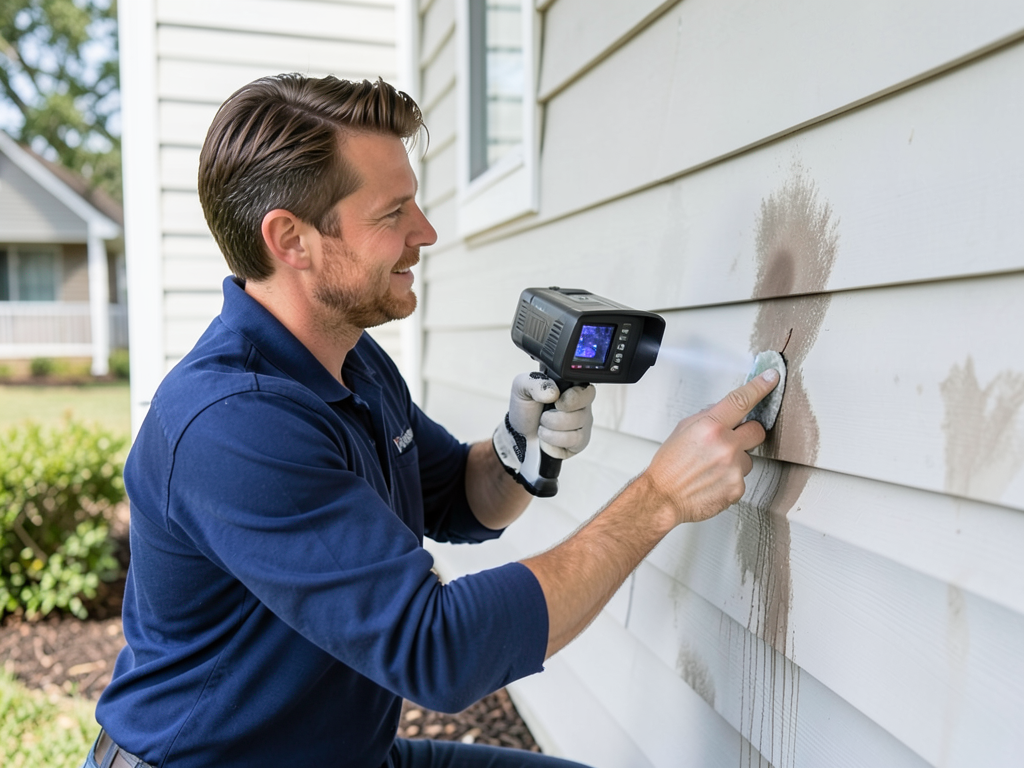
How trapped water behind vinyl siding can rot your Blue Springs home from the outside in Water trapped behind vinyl siding creates a perfect environment for rot and mold growth that can destroy your Blue…
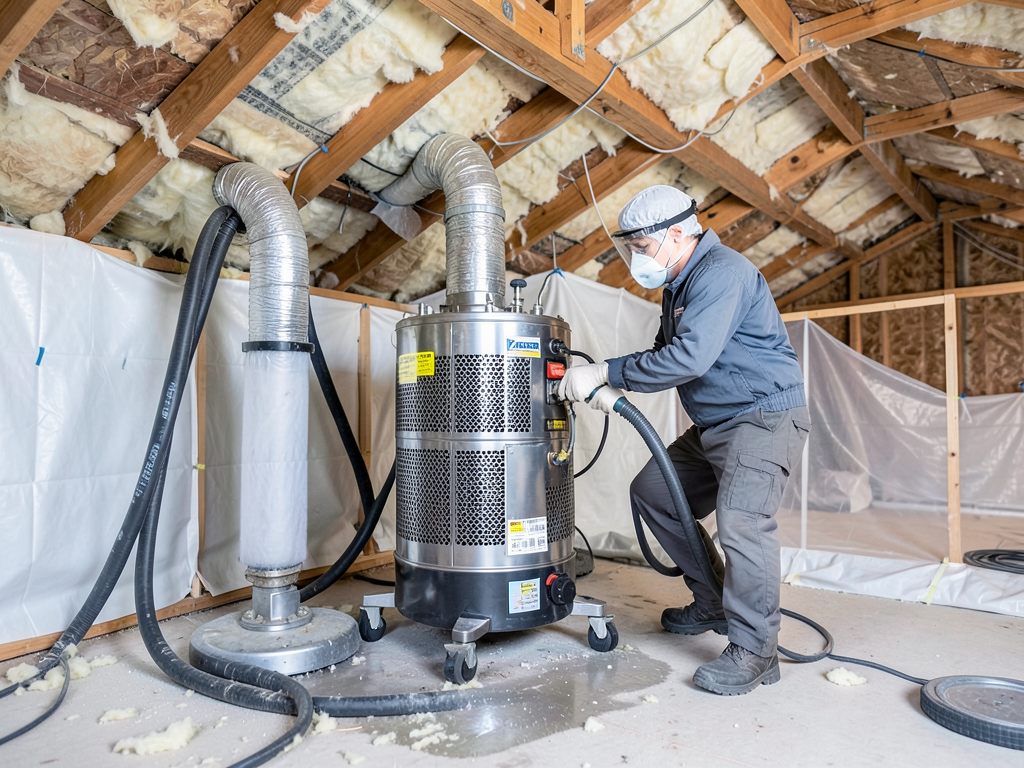
Replacing wet blown-in insulation in your Shawnee attic after a roof leak Finding wet insulation…
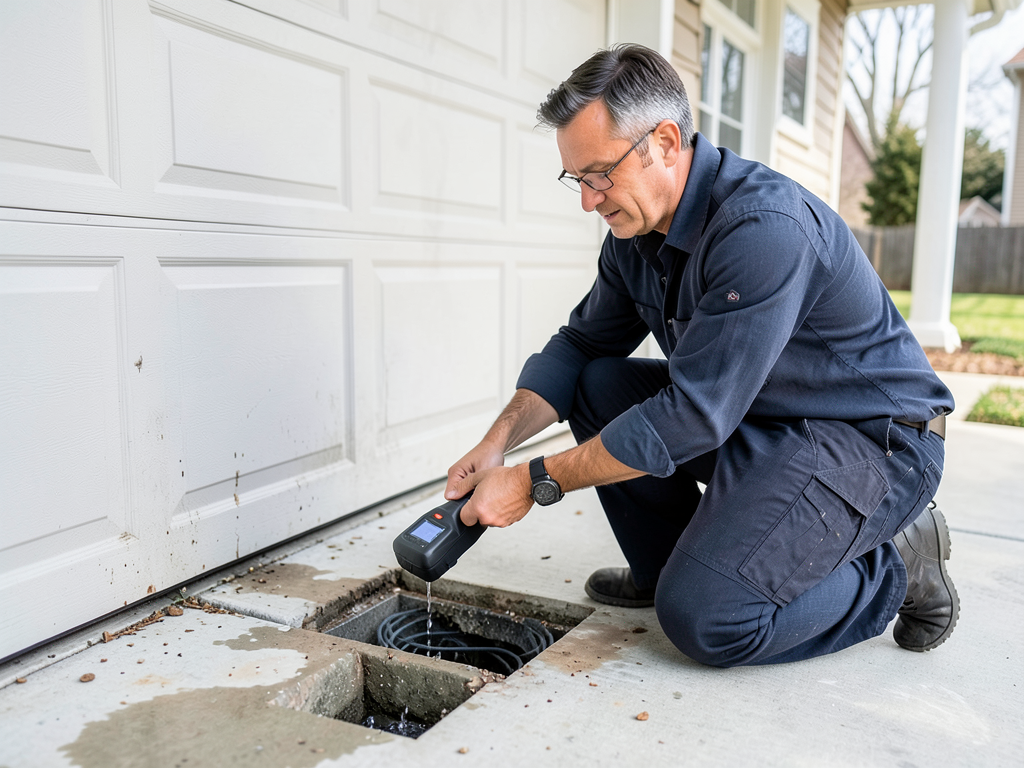
What to do when your Olathe garage floor drain starts backing up Garage floor drain…
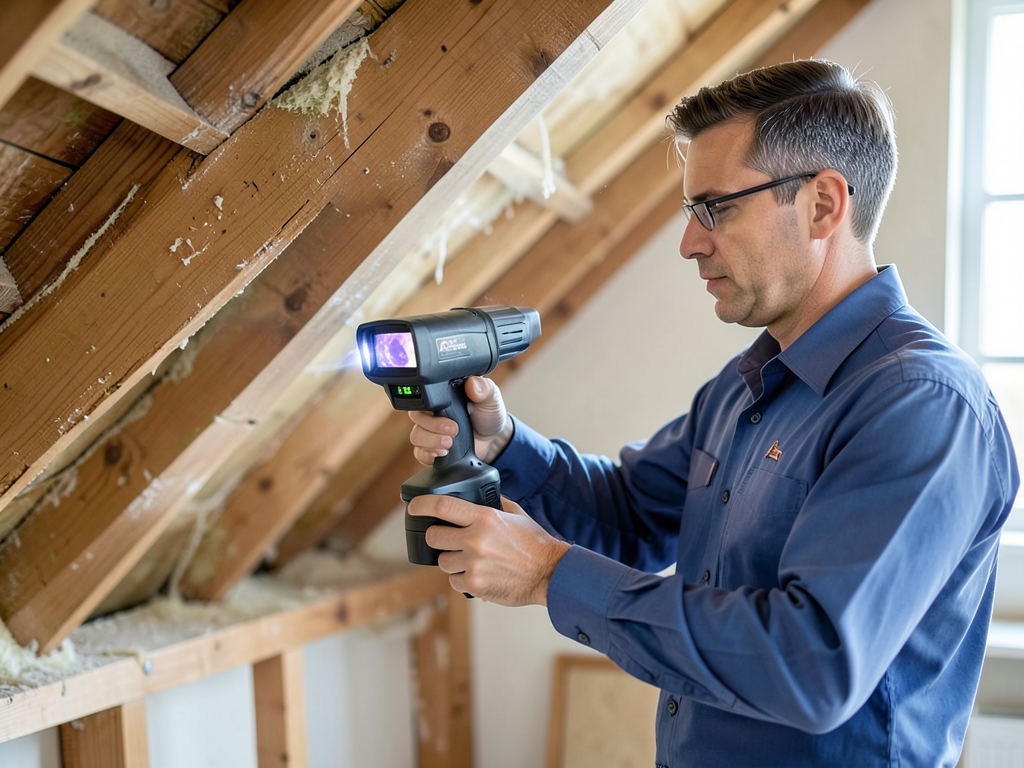
Dealing with attic condensation and mystery ceiling spots in Lee’s Summit Those dark spots on…
Water damage gets worse every hour you wait. Our crews are ready to respond right now. Call A Plus Water Damage Restoration Kansas City at (816) 473-3833 for immediate dispatch. We arrive in under 60 minutes, extract water fast, and dry your property completely. Your home matters. We protect it.