
How the way you landscape your Martin City yard can save your basement from the next big storm
Heavy spring rains in Martin City can turn a well-maintained yard into a basement flood nightmare. The combination of Missouri’s clay-heavy soil and the area’s rolling topography creates unique drainage challenges that many homeowners overlook. When water pools against your foundation instead of flowing away, hydrostatic pressure builds up and forces moisture through even the smallest cracks. Smart landscaping isn’t just about curb appeal—it’s your first line of defense against expensive water damage restoration. What to do when your Overland Park basement floods during a storm.
Martin City sits in a low-lying area where water naturally collects. The Blue River basin influences local groundwater levels, and many homes in the 64145 zip code sit on expansive clay soil that expands when wet and contracts when dry. This constant movement puts stress on foundations and creates pathways for water intrusion. Without proper yard grading and drainage systems, even a moderate thunderstorm can send hundreds of gallons of water toward your basement walls. Water Stains on Drywall.
The good news is that strategic landscaping changes can dramatically reduce your flood risk. Simple adjustments to your yard’s slope, adding French drains, and extending downspouts can redirect water away from your home’s foundation. These improvements work with gravity to move water where you want it to go instead of letting it find its way into your basement. Water Damage Restoration Harrisonville.
Understanding Martin City’s drainage challenges
Martin City’s location in South Kansas City presents specific drainage problems that generic landscaping advice doesn’t address. The area’s soil composition includes a high percentage of Missouri clay, which drains poorly and holds water against foundations. When this clay becomes saturated during heavy rains, it creates a bowl effect that traps water around your home.. Read more about What happens when the city storm drains overflow into your Columbus Park driveway.
Many Martin City homes were built in the 1960s and 1970s when drainage standards were less stringent. These older properties often have settled grading that directs water toward the foundation instead of away from it. The combination of aging infrastructure and changing weather patterns means today’s storms can overwhelm drainage systems designed for lighter rainfall decades ago.. Read more about What to do when your neighbor’s drainage issues are causing water to pool against your Strawberry Hill foundation.
Surface water runoff from nearby streets and properties can also contribute to basement flooding. Without proper swales or berms to channel water around your yard, runoff can flow directly toward your foundation walls. This is especially problematic in the Martin City area where several neighborhoods sit at the bottom of gentle slopes that collect water from multiple directions.. Read more about Why your Longview basement smells like a wet dog every July and how to fix it.
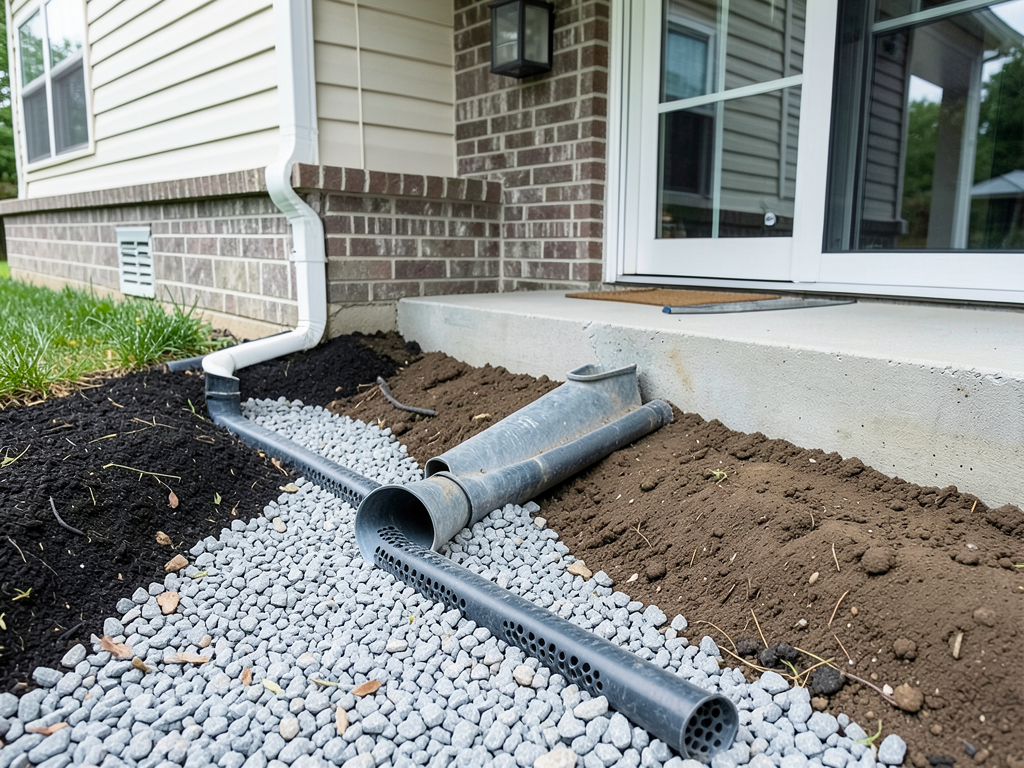
Diagram showing proper yard grading with 6-inch slope over 10 feet, French drain installation, and downspout extensions directing water away from foundation.
Key landscaping solutions for basement protection
Effective yard drainage starts with understanding how water moves across your property. A simple walk around your home during the next rainstorm can reveal problem areas where water pools or flows toward your foundation. Look for these warning signs: water stains on foundation walls, erosion channels in your yard, and areas where grass stays soggy for days after rain.. Read more about A simple seasonal checklist to make sure your Rosedale sump pump actually works when you need it.
French drains provide one of the most effective solutions for Martin City homes. These perforated pipes buried in gravel trenches collect subsurface water and redirect it away from your foundation. The gravel surrounding the pipe allows water to flow freely while filtering out soil particles that could clog the system. For properties with severe drainage issues, French drains can be installed along foundation walls or in problem areas of the yard.
Downspout extensions are another critical component of basement protection. Standard downspouts often discharge water too close to the foundation, where it can seep into the soil and create pressure against basement walls. Extending downspouts at least 10 feet away from your home ensures that roof runoff doesn’t contribute to foundation moisture problems. In Martin City’s clay soil, this distance is even more important because water moves slowly through the dense soil.. Read more about How hydrostatic pressure in Grandview can force water through a solid concrete floor.
Surface grading involves shaping your yard’s topography to direct water away from your home. The ideal slope drops six inches over the first ten feet from your foundation, then continues at a gentler grade. This creates a natural drainage path that moves water away before it can pool against your basement walls. Proper grading also prevents erosion that can create low spots where water collects.. Read more about Why cleaning the gutters on your Hyde Park home is the best way to prevent interior water damage.
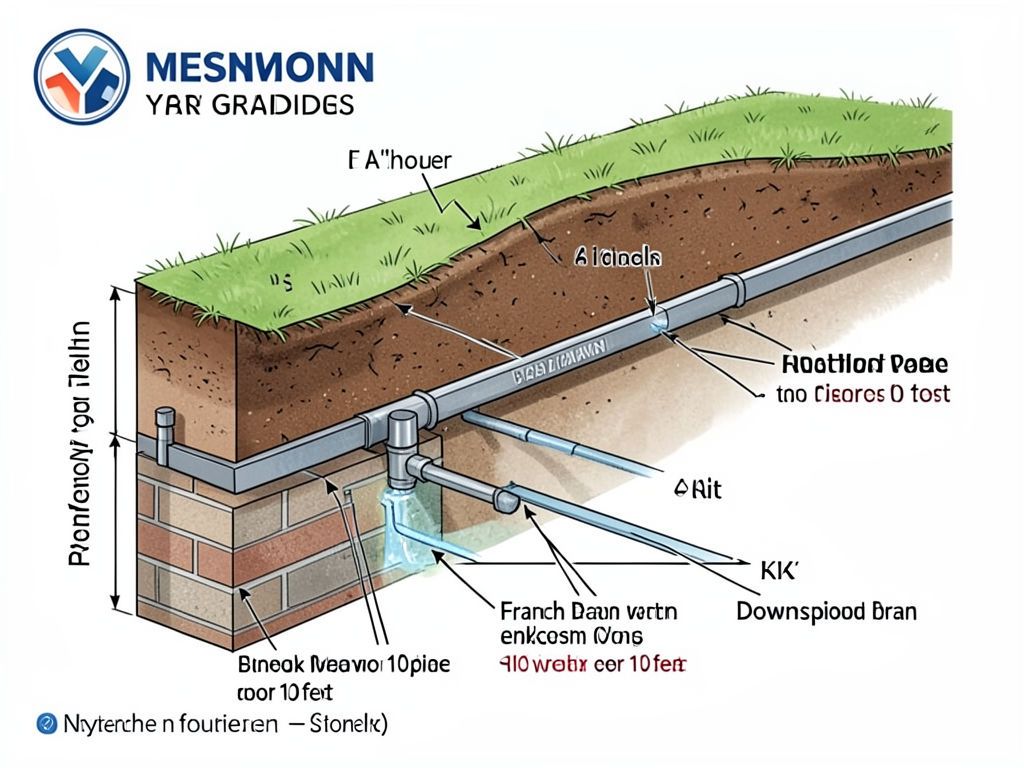
Photo showing a French drain installation with clean gravel, perforated pipe, and proper slope away from a Martin City home’s foundation.
Soil management and foundation health
The relationship between your yard’s soil and your basement’s integrity is more important than most homeowners realize. Missouri clay soil expands when wet and contracts when dry, creating movement that can crack foundation walls and create entry points for water. Managing this soil movement is crucial for long-term basement protection.
Aeration and organic amendments can improve clay soil’s drainage properties. By creating channels for water to move through the soil, you reduce surface pooling and subsurface pressure against your foundation. Adding compost or other organic matter also helps maintain consistent soil moisture levels, which minimizes the expansion and contraction that damages foundations.
Native plants with deep root systems can also help manage water in your yard. Plants like switchgrass, little bluestem, and native wildflowers develop extensive root networks that create natural channels for water movement. These roots also help hold soil in place, preventing erosion that can create new drainage problems around your foundation.
Moisture barriers between your lawn and foundation can provide an additional layer of protection. A six-inch-wide strip of gravel or decorative stone along your foundation wall creates a gap that prevents soil from directly contacting your basement walls. This barrier also makes it easier to spot foundation cracks or moisture problems early before they become major issues.
Regular inspection of your yard’s drainage patterns is essential for maintaining basement protection. After heavy rains, walk around your property and look for areas where water is pooling or flowing toward your foundation. Small changes in grading or the addition of simple drainage features can prevent water from finding its way into your basement.
Photo showing a completed downspout extension with splash block, properly graded soil, and gravel barrier along foundation wall.
When to call a professional
While many drainage improvements can be DIY projects, some situations require professional expertise. If you notice foundation cracks, water stains on basement walls, or persistent moisture problems despite your landscaping efforts, it’s time to consult a water damage restoration specialist. These signs often indicate that water has already found its way into your basement structure.
Professional drainage assessments use specialized equipment to identify subsurface water movement and foundation vulnerabilities. Moisture meters can detect hidden dampness in walls and floors, while thermal imaging can reveal temperature differences that indicate water intrusion. These diagnostic tools help pinpoint problems that aren’t visible to the naked eye. Specialized commercial water damage restoration for Kansas City business owners.
Local building codes in Jackson County require specific permits for major drainage modifications and foundation work. A professional familiar with Martin City’s regulations can ensure your improvements meet all local requirements and don’t create drainage problems for neighboring properties. Improper drainage work can actually worsen flooding by directing water toward adjacent homes.
The cost of professional drainage improvements varies based on your property’s specific needs. Simple grading corrections might cost a few hundred dollars, while comprehensive French drain systems can run several thousand. However, these improvements often pay for themselves by preventing even a single major basement flood, which can cost tens of thousands in water damage restoration.. Read more about Why your battery backup might fail during a long power outage in a Spring Hill storm.
Emergency water damage situations require immediate professional response. If you discover water in your basement during a storm, don’t wait to see if it will drain away. Standing water can cause structural damage within hours and create ideal conditions for mold growth. Quick action can mean the difference between a minor cleanup and a major restoration project.
Maintenance for long-term protection
Even the best drainage systems require regular maintenance to function properly. Check your French drains annually for clogs or damage, and clean out any debris that has accumulated in the gravel. Test your downspout extensions by running water through them to ensure they’re still properly directed away from your foundation.. Read more about How five dollar downspout extensions can prevent thousands in damage to your Piper home.
Seasonal changes can affect your yard’s drainage performance. Fall leaves can clog surface drains, while winter freeze-thaw cycles can damage drainage pipes. Spring is the ideal time to inspect and repair any damage from winter weather. Summer provides an opportunity to make improvements before the heavy fall rains arrive. EPA WaterSense guidelines.
Monitor your foundation walls for new cracks or signs of movement throughout the year. Small changes in your home’s structure can indicate drainage problems that need attention. Early detection of foundation issues allows for simpler, less expensive repairs before major water damage occurs.
Keep detailed records of any drainage improvements or repairs you make. This documentation can be valuable for insurance purposes and helps track the effectiveness of different solutions over time. It also provides useful information for future homeowners if you sell your property.
Frequently Asked Questions
How much slope do I need away from my foundation?
The ideal grade slopes six inches down over the first ten feet from your foundation, then continues at a gentler slope. This creates effective water drainage while maintaining a natural appearance in your yard.
Can I install a French drain myself?
Basic French drain installation is possible for DIY homeowners, but proper slope calculation and local code compliance are crucial. Professional installation ensures the system will function correctly and meet all local requirements.
How often should I inspect my drainage systems?
Inspect your drainage systems at least twice yearly—once in spring after winter weather and again in fall before heavy rains. Check for clogs, damage, and proper water flow after major storms.
Will landscaping improvements affect my home’s value?
Proper drainage improvements typically increase property value by preventing water damage and creating more usable outdoor space. They also demonstrate to potential buyers that the home has been well-maintained.
What’s the first sign of drainage problems I should watch for?
Water stains on foundation walls, persistent wet spots in your yard, and erosion channels are early warning signs. Addressing these issues quickly can prevent more serious basement flooding.
Don’t wait for the next big storm to discover your basement’s drainage weaknesses. The right landscaping improvements can save you thousands in water damage restoration costs and protect your home’s structural integrity for years to come. Call (816) 473-3833 today to schedule your inspection and learn how we can help protect your Martin City home from water damage. For more information, visit IICRC S500 Standard.
{
“@context”: “https://schema.org”,
“@type”: “BlogPosting”,
“headline”: “How the way you landscape your Martin City yard can save your basement from the next big storm”,
“description”: “Protect your Martin City basement from flooding with smart landscaping. Learn how proper grading, drainage, and soil management can prevent water damage.”,
“wordCount”: 1768,
“datePublished”: “2026-05-05T12:08:00.000Z”,
“dateModified”: “2026-05-05T12:08:00.000Z”,
“inLanguage”: “en-US”,
“mainEntityOfPage”: {
“@type”: “WebPage”,
“@id”: “https://apluswaterdamagerestorationkansascity.com”
},
“publisher”: {
“@type”: “LocalBusiness”,
“name”: “A Plus Water Damage Restoration Kansas City”,
“url”: “https://apluswaterdamagerestorationkansascity.com”
},
“author”: {
“@type”: “Organization”,
“name”: “A Plus Water Damage Restoration Kansas City”,
“url”: “https://apluswaterdamagerestorationkansascity.com”
},
“image”: {
“@type”: “ImageObject”,
“url”: “https://apluswaterdamagerestorationkansascity.com/wp-content/uploads/2026/03/how-the-way-you-landscape-your-martin-city-yard-ca-1.png”
}
}
{
“@context”: “https://schema.org”,
“@type”: “LocalBusiness”,
“name”: “A Plus Water Damage Restoration Kansas City”,
“url”: “https://apluswaterdamagerestorationkansascity.com”,
“address”: {
“@type”: “PostalAddress”,
“addressLocality”: “Kansas City”
},
“areaServed”: {
“@type”: “City”,
“name”: “Kansas City”
}
}
{
“@context”: “https://schema.org”,
“@type”: “FAQPage”,
“mainEntity”: [
{
“@type”: “Question”,
“name”: “How much slope do I need away from my foundation?”,
“acceptedAnswer”: {
“@type”: “Answer”,
“text”: “The ideal grade slopes six inches down over the first ten feet from your foundation, then continues at a gentler slope. This creates effective water drainage while maintaining a natural appearance in your yard.”
}
},
{
“@type”: “Question”,
“name”: “Can I install a French drain myself?”,
“acceptedAnswer”: {
“@type”: “Answer”,
“text”: “Basic French drain installation is possible for DIY homeowners, but proper slope calculation and local code compliance are crucial. Professional installation ensures the system will function correctly and meet all local requirements.”
}
},
{
“@type”: “Question”,
“name”: “How often should I inspect my drainage systems?”,
“acceptedAnswer”: {
“@type”: “Answer”,
“text”: “Inspect your drainage systems at least twice yearly—once in spring after winter weather and again in fall before heavy rains. Check for clogs, damage, and proper water flow after major storms.”
}
},
{
“@type”: “Question”,
“name”: “Will landscaping improvements affect my home’s value?”,
“acceptedAnswer”: {
“@type”: “Answer”,
“text”: “Proper drainage improvements typically increase property value by preventing water damage and creating more usable outdoor space. They also demonstrate to potential buyers that the home has been well-maintained.”
}
},
{
“@type”: “Question”,
“name”: “What’s the first sign of drainage problems I should watch for?”,
“acceptedAnswer”: {
“@type”: “Answer”,
“text”: “Water stains on foundation walls, persistent wet spots in your yard, and erosion channels are early warning signs. Addressing these issues quickly can prevent more serious basement flooding.”
}
}
]
}
{
“@context”: “https://schema.org”,
“@type”: “BreadcrumbList”,
“itemListElement”: [
{
“@type”: “ListItem”,
“position”: 1,
“name”: “Home”,
“item”: “https://apluswaterdamagerestorationkansascity.com”
},
{
“@type”: “ListItem”,
“position”: 2,
“name”: “Blog”,
“item”: “https://apluswaterdamagerestorationkansascity.com/blog”
},
{
“@type”: “ListItem”,
“position”: 3,
“name”: “How the way you landscape your Martin City yard can save your basement from the next big storm”
}
]
}
{
“@context”: “https://schema.org”,
“@type”: “Service”,
“serviceType”: “Water Damage Restoration”,
“provider”: {
“@type”: “LocalBusiness”,
“name”: “A Plus Water Damage Restoration Kansas City”,
“url”: “https://apluswaterdamagerestorationkansascity.com”
},
“areaServed”: {
“@type”: “City”,
“name”: “Kansas City”
},
“description”: “Protect your Martin City basement from flooding with smart landscaping. Learn how proper grading, drainage, and soil management can prevent water damage.”
}