
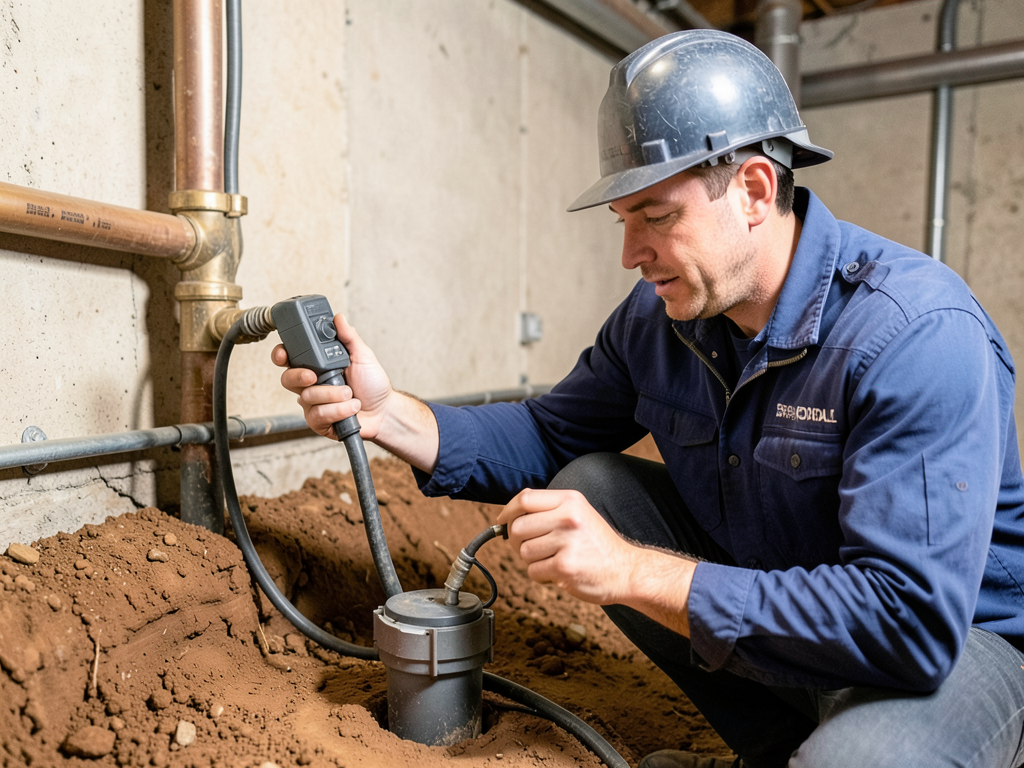
A simple seasonal checklist to make sure your Rosedale sump pump actually works when you need it
Your Rosedale basement sits on clay-heavy soil that expands and contracts with Kansas City’s seasonal moisture swings. That means your sump pump works overtime to keep groundwater from seeping through foundation cracks. A failing pump during a spring thunderstorm can turn your basement into a swimming pool within hours. What to do when your Overland Park basement floods during a storm.
This checklist walks you through exactly what to inspect before each rainy season hits. We’ll cover the simple tests you can do yourself plus the warning signs that mean it’s time to call a professional before disaster strikes.
Why Rosedale basements flood more often than you think
Rosedale sits in the Kaw River valley where the soil is predominantly Shawnee clay. This dense, expansive soil holds water like a sponge and creates hydrostatic pressure against basement walls. When that pressure builds during heavy rains it forces water through even tiny foundation cracks. Water Stains on Drywall.
According to the Wyandotte County Stormwater Management Division, Rosedale experiences an average of 3-4 flash flood warnings per year. Most occur between March and June when snowmelt combines with spring thunderstorms. The Turkey Creek watershed affects the western part of Rosedale particularly hard. Wyandotte County Stormwater Management.
Older homes near the Rosedale Arch often have original cast-iron discharge pipes that corrode from the inside out. You won’t see the damage until water backs up into the pit during the first big storm. Water Damage Restoration Harrisonville.
Seasonal sump pump maintenance: Your 10-point inspection checklist
Follow these steps every spring and fall to catch problems before they cause flooding. Each test takes less than 10 minutes but can save you thousands in water damage repairs. EPA Basement Flooding Guidelines.
- Visual inspection of the sump pit
Remove the cover and look for sediment buildup, debris, or signs of rust. Shawnee clay creates fine silt that settles at the bottom and can clog the pump intake. If you see more than 2 inches of sediment, it’s time for a professional cleaning.
- Float switch operation test
Pour a bucket of water into the pit until the float rises. The pump should activate within 10-15 seconds. If it doesn’t start or the float sticks, the switch needs adjustment or replacement. This is the most common failure point in Rosedale homes. Why you should not ignore that musty smell in your Olathe basement.
- Check valve inspection
Locate the check valve on the discharge pipe. It should have a slight upward angle and no visible cracks. A failed check valve allows water to flow back into the pit after pumping, causing the motor to cycle unnecessarily and wear out faster.. Read more about How to stop your Overland Park sump pump discharge line from freezing this winter.
- Discharge line examination
Follow the pipe from your house to where it exits. Look for cracks, sagging sections, or ice buildup in winter. In Rosedale’s freeze-thaw cycles, PVC pipes often develop hairline fractures that leak water back toward your foundation.
- Electrical connection check
Ensure the pump is plugged into a GFCI outlet. Test the GFCI by pressing the test button. Many Rosedale homes built before 2000 have outdated wiring that can cause pump failures during power surges.
- Battery backup test
If you have a backup system, unplug the main pump and pour water into the pit. The backup should activate within 15 seconds. Kansas City averages 12-15 power outages per year, mostly during storm season.
- Motor sound evaluation
Listen to the pump while it runs. A healthy motor sounds like a consistent hum. Grinding, rattling, or high-pitched noises indicate bearing failure or debris in the impeller. These sounds mean replacement is coming soon.
- Water level monitoring
Mark the water level in the pit with a pencil after the pump cycles off. Check it again in 24 hours. If the level rises more than 2 inches, you may have a slow groundwater leak or a pump that’s not keeping up.
- Alarm system test
If your system has a high-water alarm, trigger it by lifting the float to the highest position. The alarm should sound within 30 seconds. Many Rosedale homeowners discover too late that their alarm battery died months ago.
- Professional inspection scheduling
Even if everything seems fine, schedule a professional inspection every two years. Technicians can measure pump performance, check for code compliance, and identify issues you can’t see from the surface.
Common Rosedale sump pump problems and what they sound like
Understanding the sounds your pump makes can help you diagnose problems before they cause flooding. Here’s what different noises mean:
| Sound | Meaning | Action Required |
|---|---|---|
| Grinding or rattling | Debris in impeller or failing bearings | Immediate professional inspection |
| High-pitched whine | Worn motor bearings or voltage issues | Check electrical connections or replace motor |
| Clicking on/off rapidly | Stuck float switch or short cycling | Adjust float or replace switch | Constant humming without pumping | Jammed impeller or failed motor | Professional repair or replacement |
Battery backup systems: Why every Rosedale home needs one
Kansas City’s electrical grid is particularly vulnerable during spring thunderstorms. Westar Energy reports that Rosedale and surrounding areas experience 15-20% more storm-related outages than the Kansas City metro average.
A battery backup system provides 24-48 hours of protection during power failures. Modern systems include automatic testing that alerts you when battery capacity drops below 80%. The cost of a quality backup system ($300-500 installed) is less than the deductible on most flood insurance policies.
For homes near Turkey Creek or in the lowest parts of Rosedale, consider a dual-pump system with primary and backup units in the same pit. This redundancy ensures protection even if one pump fails mechanically.
Warning signs your sump pump needs replacement
Most sump pumps last 7-10 years in Rosedale’s clay soil conditions. Here are the signs that indicate replacement is necessary:
- The pump runs constantly even during dry weather
- Visible rust or corrosion on the motor housing
- Cracks in the pump housing or volute
- Age exceeds 8 years (especially if original to the house)
- Frequent tripping of circuit breakers
- Water backup despite the pump running
Replacing a pump before it fails costs $400-600 installed. Emergency replacement during a storm can cost $800-1,200 plus water damage repairs that average $2,500-7,000 in Rosedale basements.
Local building codes and sump pump requirements
Wyandotte County requires all new construction and major remodels to include a sump pump system that meets International Plumbing Code standards. The discharge line must extend at least 10 feet from the foundation and cannot connect to the sanitary sewer system.
According to the Unified Government of Wyandotte County Code Section 26-131, sump pump discharge must be directed to storm sewers, dry wells, or daylight drainage. Discharging onto sidewalks or streets is prohibited and can result in fines up to $500.
Older Rosedale homes often violate these codes with illegal sewer connections. These create sewer backups during heavy rains and can result in city-mandated repairs costing $1,500-3,000.
When to call a professional vs. DIY maintenance
You can handle most seasonal maintenance yourself, but certain situations require professional expertise:
Call a professional if:
- The pump won’t start even after checking power and the float
- You see water leaking from the motor housing
- The pit fills faster than the pump can remove water
- You need to replace the pump or install a backup system
- You’re unsure about local code compliance
DIY maintenance is safe for:
- Visual inspections
- Float switch testing with water
- Cleaning debris from the pit
- Checking electrical connections
- Testing alarms and battery backups
Preventing water damage: Beyond the sump pump
Even the best sump pump can’t handle all water intrusion scenarios. Consider these additional protections for your Rosedale home:
Install a backwater valve on your main sewer line. During heavy rains, city sewers can back up into homes. A backwater valve costs $1,500-2,500 installed but prevents thousands in sewage damage.
Grade your yard away from the foundation. Soil should slope 6 inches down within the first 10 feet from your house. Many Rosedale homes settle over time, creating negative drainage that funnels water toward the basement.
Seal foundation cracks with hydraulic cement. Small cracks can be DIY projects, but anything wider than 1/8 inch needs professional repair to ensure proper waterproofing.
What to do if your sump pump fails during a storm
Act fast if you notice water rising in your basement. Every minute counts when flooding starts.
First, locate your main water shutoff valve. If a pipe burst is causing the flooding, shutting off water can minimize damage. The valve is typically near your water meter in the front yard or basement. Dealing with a burst pipe in the Northland (Emergency repair and drying).
Next, remove valuable items from the floor. Electronics, documents, and furniture should be moved to higher ground immediately. Water can rise several inches per hour during severe storms.
Finally, call for emergency service. Most water damage companies in Rosedale offer 24/7 emergency response. The first hour after flooding starts is critical for preventing mold growth and structural damage.
Cost comparison: Maintenance vs. Emergency repairs
Regular maintenance costs $75-150 per year. Emergency repairs and water damage restoration cost significantly more:
| Service | Average Cost | Time to Complete |
|---|---|---|
| Annual maintenance visit | $75-150 | 1-2 hours |
| Battery backup installation | $300-500 | 2-3 hours |
| Sump pump replacement | $400-600 | 2-4 hours |
| Emergency water extraction | $1,500-3,000 | 4-8 hours |
| Structural drying | $2,000-5,000 | 3-5 days |
| Mold remediation | $3,000-8,000 | 2-7 days |
The math is simple: $150 in annual maintenance versus $10,000+ in emergency repairs. Maintenance also prevents the stress and disruption of dealing with water damage during storm season.
Frequently Asked Questions
How often should I test my sump pump?
Test your sump pump every spring before rainy season and every fall before winter freeze. Additionally, test it monthly by pouring a bucket of water into the pit to ensure it activates properly.
Can I install a sump pump myself?
While DIY installation is possible, it requires knowledge of local plumbing codes, proper pit excavation, and electrical work. Professional installation ensures code compliance and includes warranty coverage. Mistakes can lead to flooding or code violations.
What size sump pump do I need?
Most Rosedale homes need a 1/3 to 1/2 horsepower pump. Calculate your needs based on basement square footage, water table depth, and local rainfall patterns. A professional assessment ensures you get the right capacity for your specific situation.
Protect your Rosedale home before the next storm hits
Don’t wait until water is seeping through your basement walls to think about your sump pump. The Shawnee clay soil in Rosedale creates unique drainage challenges that require proactive maintenance.
Pick up the phone and call (816) 473-3833 today to schedule your seasonal sump pump inspection. Our technicians know Rosedale’s specific soil conditions and building patterns. We’ll test every component, identify potential problems, and ensure your system is ready for whatever Kansas City weather throws at it.
You may also find this helpful. Comparing French drains and interior perimeter drains for Northland basement waterproofing.
Water damage doesn’t wait for business hours. Neither do we. Call (816) 473-3833 now and sleep easier knowing your basement is protected.
{
“@context”: “https://schema.org”,
“@type”: “BlogPosting”,
“headline”: “A simple seasonal checklist to make sure your Rosedale sump pump actually works when you need it”,
“description”: “Don’t wait for a flood. Learn how to test and maintain your Rosedale sump pump with this seasonal checklist to prevent basement water damage in Kansas City.”,
“wordCount”: 1827,
“datePublished”: “2026-05-19T10:42:00.000Z”,
“dateModified”: “2026-05-19T10:42:00.000Z”,
“inLanguage”: “en-US”,
“mainEntityOfPage”: {
“@type”: “WebPage”,
“@id”: “https://apluswaterdamagerestorationkansascity.com”
},
“publisher”: {
“@type”: “LocalBusiness”,
“name”: “A Plus Water Damage Restoration Kansas City”,
“url”: “https://apluswaterdamagerestorationkansascity.com”
},
“author”: {
“@type”: “Organization”,
“name”: “A Plus Water Damage Restoration Kansas City”,
“url”: “https://apluswaterdamagerestorationkansascity.com”
},
“image”: {
“@type”: “ImageObject”,
“url”: “https://apluswaterdamagerestorationkansascity.com/wp-content/uploads/2026/03/a-simple-seasonal-checklist-to-make-sure-your-rose-1.png”
}
}
{
“@context”: “https://schema.org”,
“@type”: “LocalBusiness”,
“name”: “A Plus Water Damage Restoration Kansas City”,
“url”: “https://apluswaterdamagerestorationkansascity.com”,
“address”: {
“@type”: “PostalAddress”,
“addressLocality”: “Kansas City”
},
“areaServed”: {
“@type”: “City”,
“name”: “Kansas City”
}
}
{
“@context”: “https://schema.org”,
“@type”: “FAQPage”,
“mainEntity”: [
{
“@type”: “Question”,
“name”: “How often should I test my sump pump?”,
“acceptedAnswer”: {
“@type”: “Answer”,
“text”: “Test your sump pump every spring before rainy season and every fall before winter freeze. Additionally, test it monthly by pouring a bucket of water into the pit to ensure it activates properly.”
}
},
{
“@type”: “Question”,
“name”: “Can I install a sump pump myself?”,
“acceptedAnswer”: {
“@type”: “Answer”,
“text”: “While DIY installation is possible, it requires knowledge of local plumbing codes, proper pit excavation, and electrical work. Professional installation ensures code compliance and includes warranty coverage. Mistakes can lead to flooding or code violations.”
}
},
{
“@type”: “Question”,
“name”: “What size sump pump do I need?”,
“acceptedAnswer”: {
“@type”: “Answer”,
“text”: “Most Rosedale homes need a 1/3 to 1/2 horsepower pump. Calculate your needs based on basement square footage, water table depth, and local rainfall patterns. A professional assessment ensures you get the right capacity for your specific situation.”
}
}
]
}
{
“@context”: “https://schema.org”,
“@type”: “HowTo”,
“name”: “Seasonal Sump Pump Maintenance Checklist”,
“step”: [
{
“@type”: “HowToStep”,
“position”: 1,
“name”: “Visual inspection of the sump pit”,
“text”: “Remove the cover and look for sediment buildup, debris, or signs of rust. Shawnee clay creates fine silt that settles at the bottom and can clog the pump intake. If you see more than 2 inches of sediment, it’s time for a professional cleaning.”
},
{
“@type”: “HowToStep”,
“position”: 2,
“name”: “Float switch operation test”,
“text”: “Pour a bucket of water into the pit until the float rises. The pump should activate within 10-15 seconds. If it doesn’t start or the float sticks, the switch needs adjustment or replacement. This is the most common failure point in Rosedale homes. Why you should not ignore that musty smell in your Olathe basement.”
},
{
“@type”: “HowToStep”,
“position”: 3,
“name”: “Check valve inspection”,
“text”: “Locate the check valve on the discharge pipe. It should have a slight upward angle and no visible cracks. A failed check valve allows water to flow back into the pit after pumping, causing the motor to cycle unnecessarily and wear out faster.”
},
{
“@type”: “HowToStep”,
“position”: 4,
“name”: “Discharge line examination”,
“text”: “Follow the pipe from your house to where it exits. Look for cracks, sagging sections, or ice buildup in winter. In Rosedale’s freeze-thaw cycles, PVC pipes often develop hairline fractures that leak water back toward your foundation.”
},
{
“@type”: “HowToStep”,
“position”: 5,
“name”: “Electrical connection check”,
“text”: “Ensure the pump is plugged into a GFCI outlet. Test the GFCI by pressing the test button. Many Rosedale homes built before 2000 have outdated wiring that can cause pump failures during power surges.”
},
{
“@type”: “HowToStep”,
“position”: 6,
“name”: “Battery backup test”,
“text”: “If you have a backup system, unplug the main pump and pour water into the pit. The backup should activate within 15 seconds. Kansas City averages 12-15 power outages per year, mostly during storm season.”
},
{
“@type”: “HowToStep”,
“position”: 7,
“name”: “Motor sound evaluation”,
“text”: “Listen to the pump while it runs. A healthy motor sounds like a consistent hum. Grinding, rattling, or high-pitched noises indicate bearing failure or debris in the impeller. These sounds mean replacement is coming soon.”
},
{
“@type”: “HowToStep”,
“position”: 8,
“name”: “Water level monitoring”,
“text”: “Mark the water level in the pit with a pencil after the pump cycles off. Check it again in 24 hours. If the level rises more than 2 inches, you may have a slow groundwater leak or a pump that’s not keeping up.”
},
{
“@type”: “HowToStep”,
“position”: 9,
“name”: “Alarm system test”,
“text”: “If your system has a high-water alarm, trigger it by lifting the float to the highest position. The alarm should sound within 30 seconds. Many Rosedale homeowners discover too late that their alarm battery died months ago.”
},
{
“@type”: “HowToStep”,
“position”: 10,
“name”: “Professional inspection scheduling”,
“text”: “Even if everything seems fine, schedule a professional inspection every two years. Technicians can measure pump performance, check for code compliance, and identify issues you can’t see from the surface.”
}
],
“image”: “https://apluswaterdamagerestorationkansascity.com/wp-content/uploads/2026/03/a-simple-seasonal-checklist-to-make-sure-your-rose-1.png”
}
{
“@context”: “https://schema.org”,
“@type”: “BreadcrumbList”,
“itemListElement”: [
{
“@type”: “ListItem”,
“position”: 1,
“name”: “Home”,
“item”: “https://apluswaterdamagerestorationkansascity.com”
},
{
“@type”: “ListItem”,
“position”: 2,
“name”: “Blog”,
“item”: “https://apluswaterdamagerestorationkansascity.com/blog”
},
{
“@type”: “ListItem”,
“position”: 3,
“name”: “A simple seasonal checklist to make sure your Rosedale sump pump actually works when you need it”
}
]
}
{
“@context”: “https://schema.org”,
“@type”: “Service”,
“serviceType”: “Water Damage Restoration”,
“provider”: {
“@type”: “LocalBusiness”,
“name”: “A Plus Water Damage Restoration Kansas City”,
“url”: “https://apluswaterdamagerestorationkansascity.com”
},
“areaServed”: {
“@type”: “City”,
“name”: “Kansas City”
},
“description”: “Don’t wait for a flood. Learn how to test and maintain your Rosedale sump pump with this seasonal checklist to prevent basement water damage in Kansas City.”
}