
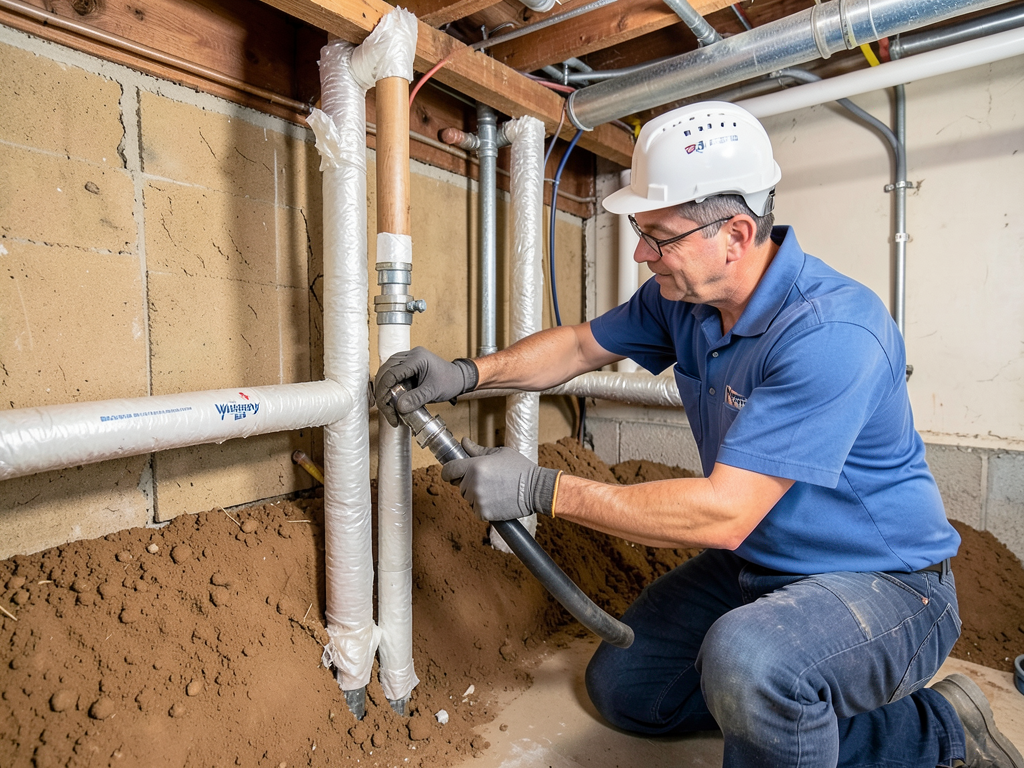
How to protect your Weatherby Lake home from major water damage while you are away for the winter
Winterizing your Weatherby Lake home requires more than just turning down the thermostat. The combination of freezing temperatures, heavy snow loads, and the unique challenges of lakefront properties creates specific vulnerabilities that can lead to thousands of dollars in water damage. Before you head south for the season, understanding these risks and implementing proper prevention measures can save you from returning to a flooded disaster. Water Stains on Drywall.
Understanding Weatherby Lake’s winter water damage risks
Weatherby Lake homes face distinct challenges during winter months. The area’s clay-heavy soil expands when frozen, creating pressure against foundation walls that can cause basement leaks. Lake-effect snow adds significant moisture to the ground, increasing hydrostatic pressure against basement walls. Additionally, the freeze-thaw cycles common in this region cause pipes to expand and contract repeatedly, weakening joints and creating perfect conditions for bursts. What to do when your Overland Park basement floods during a storm.
Many Weatherby Lake homes are secondary residences, meaning they sit vacant for extended periods. This vacancy creates additional risks: no one notices small leaks until major damage occurs, HVAC systems run less frequently allowing humidity to build, and plumbing systems become more vulnerable to freezing when not used daily.
Essential winterization steps for Weatherby Lake homes
Proper winterization involves multiple systems working together. Start with your plumbing system since burst pipes cause the most common winter damage claims in the Kansas City area. Dealing with a burst pipe in the Northland (Emergency repair and drying).
Plumbing system protection
Begin by locating your main water shut-off valve. In most Weatherby Lake homes, this valve sits near the water meter in the basement or crawl space. Turn off the main supply, then open all faucets to drain remaining water from pipes. Don’t forget outdoor spigots, which often freeze first due to their exposure to cold air.. Read more about Finding the source of water leaking through your window frames during heavy North Kansas City winds.
Install pipe insulation on all exposed plumbing in unheated areas like crawl spaces, attics, and garages. Use foam pipe insulation sleeves that fit your pipe diameter. For extra protection in extremely cold areas, wrap pipes with heat tape before adding insulation. Heat tape provides consistent warmth that prevents freezing even during severe cold snaps.
Consider installing a whole-house water shut-off system with leak detection. These systems monitor water flow and automatically shut off the supply if they detect unusual patterns that might indicate a leak. Some advanced models connect to smartphone apps, allowing you to monitor your home’s water usage from anywhere.. Read more about Putting smart home leak detectors to the test in older Volker houses.
HVAC system preparation
Set your thermostat to at least 55 degrees Fahrenheit. This temperature keeps pipes above freezing without wasting energy. Modern smart thermostats allow you to monitor and adjust temperatures remotely, giving you peace of mind while you’re away.
Change your furnace filter before leaving. A clean filter improves efficiency and prevents dust buildup that could cause problems during the months you’re gone. Consider having your HVAC system professionally serviced to ensure all components work properly.
If your home has a humidifier connected to the HVAC system, turn it off and drain it. Humidifiers can develop mold during long periods of inactivity, creating musty odors and potential health hazards when you return.
Water heater considerations
Set your water heater to vacation mode if it has this feature. This setting maintains a lower temperature that prevents freezing while saving energy. If your water heater doesn’t have vacation mode, lower the temperature to around 50 degrees Fahrenheit.. Read more about How the hard water in Edwardsville is secretly shortening the life of your plumbing and appliances.
Consider draining the water heater completely if you’ll be gone for several months. Turn off the power or gas supply, connect a garden hose to the drain valve, and direct water to a floor drain or outside. Remember that you’ll need to refill and restart the system when you return.
Weatherby Lake-specific winter challenges
Living near Weatherby Lake creates unique winter conditions that affect home protection strategies. The lake’s presence moderates temperatures somewhat but also increases moisture in the air, which can lead to condensation problems in poorly ventilated areas.
Heavy snowfall around Weatherby Lake can block vents and create snowdrifts against foundation walls. These drifts insulate the ground, keeping it warmer than surrounding areas but also trapping moisture against your home’s foundation. Clear snow away from foundation walls and ensure all vents remain unblocked.
Lake-effect winds can drive snow into attic vents and create ice dams on roofs. Ice dams form when heat escaping through the roof melts snow, which then refreezes at the colder eaves. This ice buildup can force water under shingles and into your attic or walls.
Smart technology for remote monitoring
Modern smart home technology makes protecting your vacant home much easier. Water leak detectors placed under sinks, near water heaters, and in basements can alert you to problems before they become disasters. Many systems send instant notifications to your smartphone when they detect moisture.
Smart thermostats do more than just control temperature. They can send alerts if indoor temperatures drop below your set threshold, indicating potential HVAC problems or extreme weather impacts. Some models track humidity levels, helping you prevent mold growth in the closed-up environment.
Security cameras with motion detection serve double duty by allowing you to check on your property visually. Look for models with night vision and cloud storage so you can review footage if needed. Some systems integrate with smart home platforms, allowing you to control multiple devices from one app.. Read more about Getting your Overland Park property ready for the 2026 spring runoff and heavy rains.
Consider installing a smart water main valve that automatically shuts off water if it detects unusual flow patterns. These devices can prevent catastrophic damage by stopping water flow within seconds of detecting a major leak.
Sump pump protection and backup systems
Weatherby Lake homes often have sump pumps due to the area’s high water table and clay soil. Before leaving for winter, test your sump pump by pouring water into the pit until the pump activates. Listen for unusual noises that might indicate bearing wear or motor problems.
Install a battery backup system for your sump pump. Power outages during winter storms are common in the Kansas City area, and a failed sump pump during a power outage can lead to basement flooding. Battery backups automatically switch on when grid power fails, providing continued protection.
Clean the sump pit before leaving. Remove debris, sediment, and any buildup that could interfere with pump operation. Check the discharge pipe to ensure it’s clear and directs water away from your foundation.
Consider a water-powered backup sump pump as an additional layer of protection. These pumps use municipal water pressure to operate during power outages, providing protection even if both grid power and battery backup fail.
Foundation and exterior protection
Inspect your foundation for cracks before winter. Small cracks can expand when water freezes inside them, creating larger openings for water intrusion. Seal any cracks with appropriate masonry sealant designed for your foundation type.
Clean gutters and downspouts thoroughly. Clogged gutters cause ice dams and allow water to overflow, potentially damaging your foundation or creating hazardous ice patches around your home. Ensure downspouts direct water at least six feet away from your foundation.
Trim trees and remove dead branches that could fall during winter storms. Heavy snow and ice can bring down branches that damage roofs, gutters, or siding, creating openings for water intrusion.
Seal gaps around windows, doors, and utility penetrations. Use weatherstripping and caulk to prevent cold air infiltration and moisture entry. Pay special attention to areas where pipes or cables enter your home.
Humidity control and mold prevention
Closed-up homes in winter create perfect conditions for mold growth. Use a dehumidifier if your home tends to retain moisture. Set it to maintain humidity between 30 and 50 percent. Some smart dehumidifiers can be monitored and controlled remotely.
Run bathroom exhaust fans periodically to remove moisture. Even brief operation can help prevent condensation buildup in closed spaces. Consider installing timers on these fans to ensure they run for adequate periods.
Open cabinet doors under sinks to allow warm air circulation around plumbing. This simple step can prevent pipes in exterior walls from freezing. Remove cleaning products and other chemicals from these areas to prevent spills if minor leaks occur.
Professional winterization services
Professional winterization services can provide comprehensive protection that’s difficult to achieve on your own. These services typically include plumbing system draining, HVAC inspection, and identification of potential problem areas specific to your home’s construction and location.
Consider hiring a local property management service that specializes in seasonal homes. These companies can perform regular checks during your absence, ensuring systems continue functioning properly and addressing issues before they escalate.
Professional restoration companies often offer winterization consultations. They can identify vulnerabilities based on their experience with similar homes in the Weatherby Lake area and recommend specific measures tailored to your property.
What to do if you discover water damage upon return
Even with the best prevention measures, problems can still occur. Knowing how to respond quickly can minimize damage and restoration costs.
Upon returning, inspect your home systematically. Start with the basement, checking for water stains, musty odors, or visible moisture. Look for water spots on ceilings that might indicate roof leaks. Check under sinks and around appliances for signs of leaks.
If you discover water damage, act immediately. Shut off the main water supply if you haven’t already. Document all damage with photos and videos for insurance purposes. Remove standing water using wet vacuums or pumps if necessary.
Contact a professional water damage restoration company immediately. Time is critical in preventing mold growth and further structural damage. Most restoration companies offer 24/7 emergency service and can begin mitigation within hours of your call.
Avoid the temptation to handle major water damage yourself. Professional restoration involves specialized equipment like industrial dehumidifiers, air movers, and moisture meters that most homeowners don’t possess. Proper drying requires knowledge of building science and moisture dynamics. Specialized commercial water damage restoration for Kansas City business owners.
Creating a winter home watch routine
Establish a relationship with a trusted neighbor who can check on your home periodically. Provide them with emergency contact information and instructions for what to do if they discover problems. Consider offering to reciprocate when they travel.
Leave contact information with your alarm company, plumber, and restoration service. Ensure they know your home will be vacant and have permission to enter if emergencies arise.
Keep a small stock of basic repair supplies at your home, including pipe repair clamps, plumber’s tape, and basic tools. While these won’t solve major problems, they can help address minor issues until professional help arrives. EPA mold prevention guidelines.
Consider installing a smart water main shut-off valve that automatically turns off water if it detects unusual flow patterns. These devices can prevent catastrophic damage by stopping water flow within seconds of detecting a major leak.
Insurance considerations for seasonal homes
Review your insurance policy before winterizing your home. Some policies have specific requirements for vacant properties, such as regular inspections or temperature maintenance. Failure to comply with these requirements could void coverage for water damage claims.
Document your winterization efforts with photos and receipts. This documentation can support insurance claims if damage occurs despite your precautions. Keep records of professional services performed and maintenance completed.
Consider adding water backup coverage to your policy if you don’t already have it. This coverage protects against damage from sump pump failures and sewer backups, which are common issues in the Weatherby Lake area during winter storms.
Ask your insurance agent about vacancy provisions in your policy. Some policies reduce coverage or increase deductibles for homes vacant more than 30 consecutive days. Understanding these provisions helps you make informed decisions about protection measures.
Local resources and professional services
Weatherby Lake residents have access to several local services that can help protect their homes during winter absences. Local plumbing companies understand the specific challenges of the area’s soil conditions and building practices.
Restoration companies serving the Weatherby Lake area have experience with the unique water damage patterns common to lakefront properties. They understand how lake-effect weather impacts homes and can provide targeted prevention advice.
Local hardware stores often carry products specifically designed for the Kansas City climate. Staff at these stores can provide advice on products that work best in local conditions. Retail Store Water Cleanup.
Community groups and neighborhood associations sometimes coordinate home watch services among residents. These informal networks can provide peace of mind at minimal cost.
Final checklist before departure
Create a comprehensive checklist to ensure you don’t overlook important steps. Include items like adjusting thermostat settings, turning off water supply, setting up mail holds, and notifying service providers of your absence.
Test all smart home devices before leaving to ensure they’re functioning properly. Verify that notifications are enabled and that you can access all systems remotely.
Leave written instructions for anyone who might need to access your home. Include locations of important systems like water shut-off valves, electrical panels, and HVAC equipment.
Consider creating a video walkthrough of your home’s systems before you leave. This visual reference can help you or service providers locate equipment and understand your home’s layout if issues arise while you’re away.
Remember that proper winterization is an investment in protecting your property. The time and money spent on prevention measures typically cost far less than repairing water damage and dealing with insurance claims after a disaster occurs.
Frequently Asked Questions
What temperature should I set my thermostat to while away for winter?
Set your thermostat to at least 55 degrees Fahrenheit. This temperature keeps pipes above freezing without wasting energy. Modern smart thermostats allow you to monitor and adjust temperatures remotely, giving you peace of mind while you’re away.
How do I know if my sump pump is working properly before winter?
Test your sump pump by pouring water into the pit until the pump activates. Listen for unusual noises that might indicate bearing wear or motor problems. Clean the sump pit before leaving and ensure the discharge pipe directs water away from your foundation.
Should I turn off my water heater for winter?
If your water heater has vacation mode, use it to maintain a lower temperature that prevents freezing while saving energy. For extended absences, you might consider draining the water heater completely, but remember you’ll need to refill and restart the system when you return.
What are the signs of water damage I should look for when I return?
Inspect your home systematically, starting with the basement for water stains, musty odors, or visible moisture. Look for water spots on ceilings that might indicate roof leaks. Check under sinks and around appliances for signs of leaks. Document any damage with photos for insurance purposes.
Is professional winterization worth the cost?
Professional winterization services provide comprehensive protection that’s difficult to achieve on your own. These services typically include plumbing system draining, HVAC inspection, and identification of potential problem areas specific to your home’s construction and location. The cost is usually far less than repairing water damage after a disaster.
- Shut off main water supply
Locate and turn off the main water valve, typically near the water meter in the basement or crawl space.
- Drain plumbing system
Open all faucets to drain remaining water from pipes, including outdoor spigots which often freeze first.
- Set thermostat to 55°F
Maintain minimum temperature to prevent pipe freezing while saving energy with smart thermostat controls.
- Install pipe insulation
Wrap exposed pipes in unheated areas with foam insulation sleeves, adding heat tape for extra protection in extremely cold spots.
- Test sump pump and install backup
Verify pump operation by adding water to the pit and install battery backup to prevent flooding during power outages.
- Clean gutters and downspouts
Remove debris to prevent ice dams and ensure downspouts direct water at least six feet from foundation walls.
- Set up smart monitoring
Install water leak detectors and smart thermostats that send alerts to your smartphone about potential problems.
Take action before winter arrives
Protecting your Weatherby Lake home from winter water damage requires planning and attention to detail. Start your winterization process at least two weeks before your planned departure to allow time for professional services and any necessary repairs.
Don’t wait until the first freeze to begin preparations. Many service providers get booked quickly as winter approaches, and you want to ensure all systems are properly protected before severe weather hits.
If you discover water damage upon returning or need professional assistance with winterization, call (816) 473-3833 today. Our experienced team understands the unique challenges of Weatherby Lake homes and can help you protect your investment throughout the winter months.
Pick up the phone and call (816) 473-3833 before the next storm hits. We’re here to help you enjoy your winter away without worrying about what’s happening back home. For more information, visit IICRC water damage restoration standards.
{
“@context”: “https://schema.org”,
“@type”: “BlogPosting”,
“headline”: “How to protect your Weatherby Lake home from major water damage while you are away for the winter”,
“description”: “Protect your Weatherby Lake home from winter water damage with expert tips on pipe insulation, sump pump backups, smart leak detectors, and professional winterization services.”,
“wordCount”: 2806,
“datePublished”: “2026-04-25T10:05:00.000Z”,
“dateModified”: “2026-04-25T10:05:00.000Z”,
“inLanguage”: “en-US”,
“mainEntityOfPage”: {
“@type”: “WebPage”,
“@id”: “https://apluswaterdamagerestorationkansascity.com”
},
“publisher”: {
“@type”: “LocalBusiness”,
“name”: “A Plus Water Damage Restoration Kansas City”,
“url”: “https://apluswaterdamagerestorationkansascity.com”
},
“author”: {
“@type”: “Organization”,
“name”: “A Plus Water Damage Restoration Kansas City”,
“url”: “https://apluswaterdamagerestorationkansascity.com”
},
“image”: {
“@type”: “ImageObject”,
“url”: “https://apluswaterdamagerestorationkansascity.com/wp-content/uploads/2026/03/how-to-protect-your-weatherby-lake-home-from-major-1.png”
}
}
{
“@context”: “https://schema.org”,
“@type”: “LocalBusiness”,
“name”: “A Plus Water Damage Restoration Kansas City”,
“url”: “https://apluswaterdamagerestorationkansascity.com”,
“address”: {
“@type”: “PostalAddress”,
“addressLocality”: “Kansas City”
},
“areaServed”: {
“@type”: “City”,
“name”: “Kansas City”
}
}
{
“@context”: “https://schema.org”,
“@type”: “FAQPage”,
“mainEntity”: [
{
“@type”: “Question”,
“name”: “What temperature should I set my thermostat to while away for winter?”,
“acceptedAnswer”: {
“@type”: “Answer”,
“text”: “Set your thermostat to at least 55 degrees Fahrenheit. This temperature keeps pipes above freezing without wasting energy. Modern smart thermostats allow you to monitor and adjust temperatures remotely, giving you peace of mind while you’re away.”
}
},
{
“@type”: “Question”,
“name”: “How do I know if my sump pump is working properly before winter?”,
“acceptedAnswer”: {
“@type”: “Answer”,
“text”: “Test your sump pump by pouring water into the pit until the pump activates. Listen for unusual noises that might indicate bearing wear or motor problems. Clean the sump pit before leaving and ensure the discharge pipe directs water away from your foundation.”
}
},
{
“@type”: “Question”,
“name”: “Should I turn off my water heater for winter?”,
“acceptedAnswer”: {
“@type”: “Answer”,
“text”: “If your water heater has vacation mode, use it to maintain a lower temperature that prevents freezing while saving energy. For extended absences, you might consider draining the water heater completely, but remember you’ll need to refill and restart the system when you return.”
}
},
{
“@type”: “Question”,
“name”: “What are the signs of water damage I should look for when I return?”,
“acceptedAnswer”: {
“@type”: “Answer”,
“text”: “Inspect your home systematically, starting with the basement for water stains, musty odors, or visible moisture. Look for water spots on ceilings that might indicate roof leaks. Check under sinks and around appliances for signs of leaks. Document any damage with photos for insurance purposes.”
}
},
{
“@type”: “Question”,
“name”: “Is professional winterization worth the cost?”,
“acceptedAnswer”: {
“@type”: “Answer”,
“text”: “Professional winterization services provide comprehensive protection that’s difficult to achieve on your own. These services typically include plumbing system draining, HVAC inspection, and identification of potential problem areas specific to your home’s construction and location. The cost is usually far less than repairing water damage after a disaster.”
}
}
]
}
{
“@context”: “https://schema.org”,
“@type”: “HowTo”,
“name”: “How to Winterize Your Weatherby Lake Home”,
“step”: [
{
“@type”: “HowToStep”,
“position”: 1,
“name”: “Shut off main water supply”,
“text”: “Locate and turn off the main water valve, typically near the water meter in the basement or crawl space.”
},
{
“@type”: “HowToStep”,
“position”: 2,
“name”: “Drain plumbing system”,
“text”: “Open all faucets to drain remaining water from pipes, including outdoor spigots which often freeze first.”
},
{
“@type”: “HowToStep”,
“position”: 3,
“name”: “Set thermostat to 55°F”,
“text”: “Maintain minimum temperature to prevent pipe freezing while saving energy with smart thermostat controls.”
},
{
“@type”: “HowToStep”,
“position”: 4,
“name”: “Install pipe insulation”,
“text”: “Wrap exposed pipes in unheated areas with foam insulation sleeves, adding heat tape for extra protection in extremely cold spots.”
},
{
“@type”: “HowToStep”,
“position”: 5,
“name”: “Test sump pump and install backup”,
“text”: “Verify pump operation by adding water to the pit and install battery backup to prevent flooding during power outages.”
},
{
“@type”: “HowToStep”,
“position”: 6,
“name”: “Clean gutters and downspouts”,
“text”: “Remove debris to prevent ice dams and ensure downspouts direct water at least six feet from foundation walls.”
},
{
“@type”: “HowToStep”,
“position”: 7,
“name”: “Set up smart monitoring”,
“text”: “Install water leak detectors and smart thermostats that send alerts to your smartphone about potential problems.”
}
],
“image”: “https://apluswaterdamagerestorationkansascity.com/wp-content/uploads/2026/03/how-to-protect-your-weatherby-lake-home-from-major-1.png”
}
{
“@context”: “https://schema.org”,
“@type”: “BreadcrumbList”,
“itemListElement”: [
{
“@type”: “ListItem”,
“position”: 1,
“name”: “Home”,
“item”: “https://apluswaterdamagerestorationkansascity.com”
},
{
“@type”: “ListItem”,
“position”: 2,
“name”: “Blog”,
“item”: “https://apluswaterdamagerestorationkansascity.com/blog”
},
{
“@type”: “ListItem”,
“position”: 3,
“name”: “How to protect your Weatherby Lake home from major water damage while you are away for the winter”
}
]
}
{
“@context”: “https://schema.org”,
“@type”: “Service”,
“serviceType”: “Water Damage Restoration”,
“provider”: {
“@type”: “LocalBusiness”,
“name”: “A Plus Water Damage Restoration Kansas City”,
“url”: “https://apluswaterdamagerestorationkansascity.com”
},
“areaServed”: {
“@type”: “City”,
“name”: “Kansas City”
},
“description”: “Protect your Weatherby Lake home from winter water damage with expert tips on pipe insulation, sump pump backups, smart leak detectors, and professional winterization services.”
}