
Getting your Overland Park property ready for the 2026 spring runoff and heavy rains
Spring in Overland Park brings heavy rains and rapid snowmelt that can overwhelm drainage systems and flood basements. The clay-heavy soil in Johnson County expands when wet creating hydrostatic pressure against foundation walls. This pressure forces water through even tiny cracks. A single inch of rain on a 2,000 square foot roof produces over 1,200 gallons of runoff. Without proper preparation that water finds its way inside. EPA National Pollutant Discharge Elimination System.
Spring storm season in the Kansas City metro area typically runs from March through May. During this period the ground remains saturated from winter precipitation. When heavy April thunderstorms arrive the soil cannot absorb more water. Overland Park homes built on sloped lots face additional risk as water flows downhill toward foundations. The 2026 spring forecast predicts above-average rainfall making preparation critical. What to do when your Overland Park basement floods during a storm.
Taking action now prevents costly water damage later. Simple maintenance tasks like cleaning gutters and testing sump pumps take a few hours but save thousands in potential repairs. Overland Park residents who prepare their properties avoid the stress of emergency calls during the first major storm. The following guide covers essential steps to protect your home from spring flooding.
Testing and maintaining your sump pump system
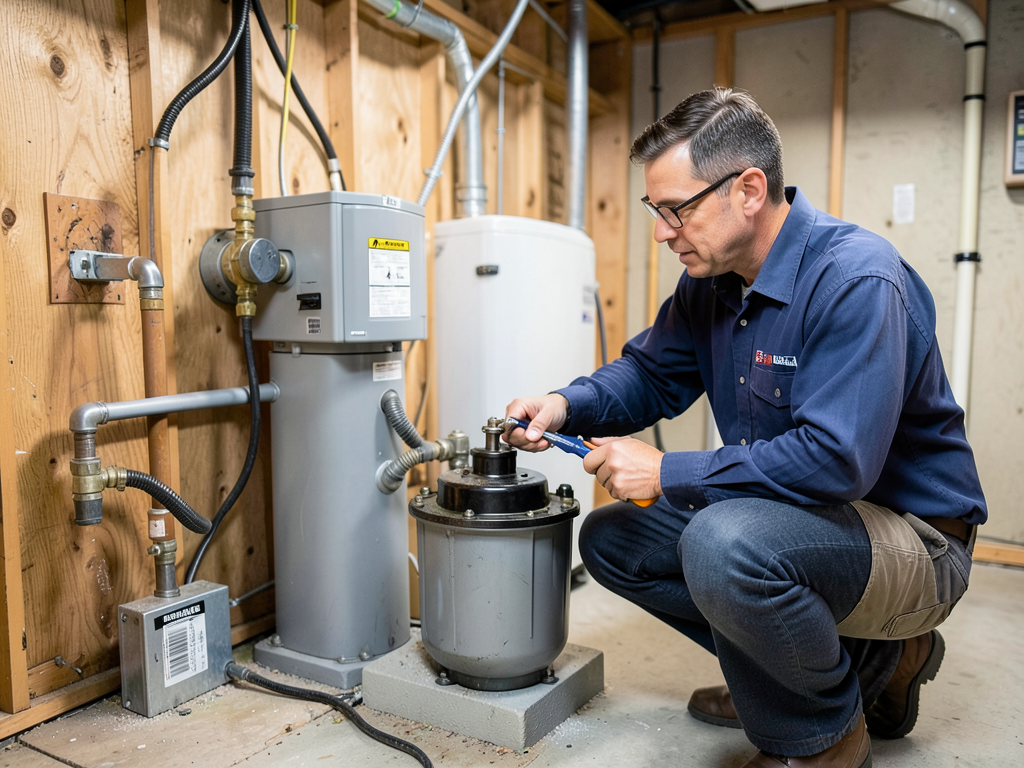
Your sump pump serves as the first line of defense against basement flooding. Overland Park homes with finished basements particularly need reliable sump pump operation. Test your pump by pouring a bucket of water into the sump pit. The pump should activate automatically and remove the water within seconds. If the pump fails to turn on the float switch may be stuck or the motor burned out. Why you should not ignore that musty smell in your Olathe basement.
Many Overland Park homes experience power outages during spring storms. A battery backup system keeps your sump pump running when the grid fails. Standard battery backups provide 24-48 hours of operation depending on pump usage. Overland Park residents living near the Indian Creek watershed should consider a water-powered backup that operates without electricity. These systems use municipal water pressure to remove sump water.
Clean the sump pit annually to remove sediment and debris. Overland Park homes near construction sites or with mature trees often accumulate more debris in sump pits. A clogged pump cannot remove water effectively. Check the discharge pipe outside your home to ensure it directs water at least 10 feet away from the foundation. Frozen or blocked discharge pipes cause water to back up into the basement.
Improving exterior drainage around your foundation
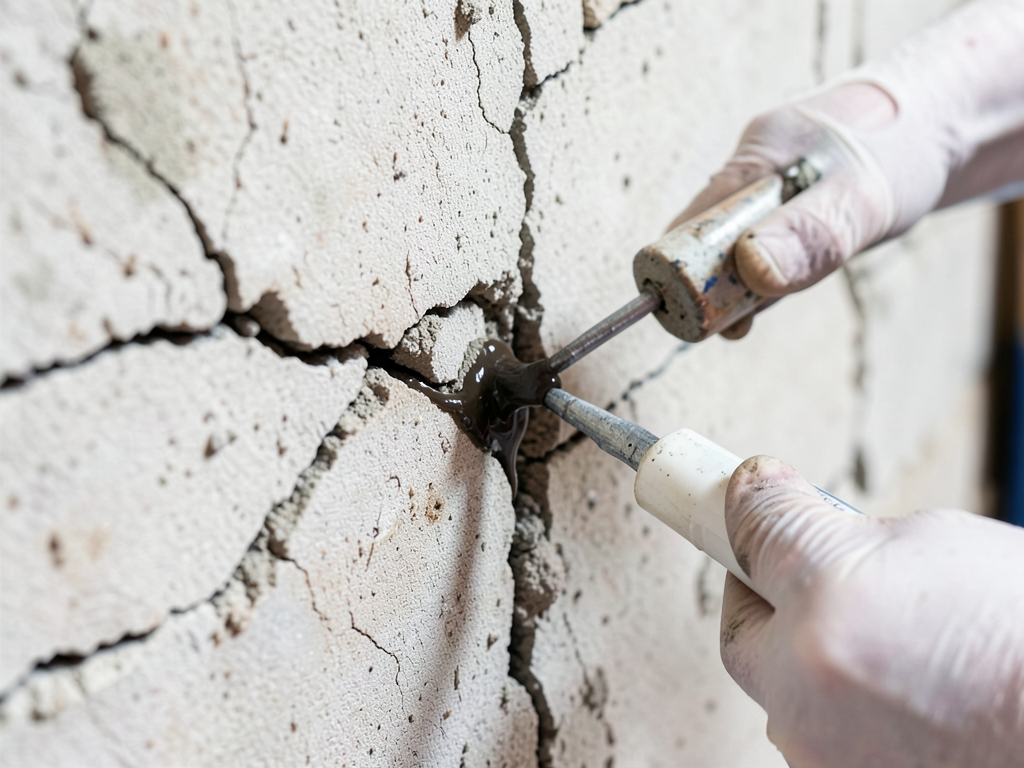
Overland Park’s clay soil creates unique drainage challenges. Clay particles are microscopic and pack tightly together. This composition prevents water from percolating into the ground. Instead water flows across the surface or collects near foundations. The soil expands when saturated creating pressure that cracks basement walls. Homes built before 2000 in Overland Park often lack proper drainage systems to handle this pressure.
Grade your yard to slope away from the foundation at a minimum 6-inch drop over 10 feet. Use a level and shovel to check current slopes. Many Overland Park homes settle over time creating negative grades that direct water toward foundations. Add clean fill dirt against foundation walls to create positive drainage. Do not use mulch or topsoil as these materials absorb water and hold it against the foundation.
Clean gutters and downspouts remove thousands of gallons of water from your roof during spring storms. Overland Park homes with mature trees need gutter cleaning twice yearly. Clogged gutters overflow sending water down foundation walls. Install downspout extensions to carry roof runoff at least 6 feet from the foundation. Underground drainage systems work better than surface extensions which can become disconnected or damaged.
Sealing foundation cracks and preventing water intrusion
Foundation cracks provide direct pathways for water entry during heavy rains. Overland Park homes built on expansive clay soils develop cracks from seasonal soil movement. Inspect your foundation walls for horizontal, vertical, or stair-step cracks. Hairline cracks less than 1/8 inch wide can be sealed with epoxy injection. Larger cracks require professional evaluation as they may indicate structural movement.
Apply waterproofing sealant to foundation walls above ground level. Overland Park homes with brick or stone foundations need special masonry sealants that allow the wall to breathe. Do not seal the joint where the foundation meets the siding as this allows moisture to escape. Install window well covers on basement windows to prevent rain and debris accumulation. Overland Park homes with below-grade windows face higher flood risk during heavy storms.
Check basement floor drains for proper function. Overland Park homes built before 1970 may have floor drains connected to combined sewer systems. During heavy rains these systems can back up sending sewage into basements. Install a backwater valve to prevent this type of flooding. The valve automatically closes when water flows backward through the drain.
Landscaping strategies for flood prevention
Strategic landscaping diverts water away from your home. Overland Park residents can install French drains along problem areas to collect and redirect subsurface water. A French drain consists of a perforated pipe surrounded by gravel in a sloped trench. Water enters the pipe through holes and flows to a safe discharge point. Homes near Tomahawk Creek or other waterways benefit from French drains that handle seasonal high water tables.
Plant water-tolerant species in low areas of your yard. Overland Park’s climate supports native plants like switchgrass and prairie dropseed that absorb significant water. These plants develop deep root systems that create channels for water infiltration. Avoid planting water-sensitive species like boxwood or yew in areas prone to saturation. Create rain gardens in natural depressions to capture and filter stormwater runoff.
Maintain proper mulch depth around foundation plantings. Overland Park homes with extensive landscaping need 2-3 inches of mulch to retain soil moisture and prevent erosion. Excessive mulch holds water against foundation walls. Keep mulch 6 inches below siding to prevent termite access and moisture damage. Use inorganic mulch like river rock near downspout outlets where organic mulch washes away during heavy rains.
Emergency preparation and response planning
Prepare an emergency kit for potential flooding situations. Overland Park residents should store important documents in waterproof containers. Keep a battery-powered weather radio to receive storm alerts. Overland Park lies within Johnson County’s emergency notification system. Register your phone number to receive flood warnings and evacuation notices. The system activates when Indian Creek or other waterways reach flood stage. Retail Store Water Cleanup.
Know how to shut off utilities during a flood emergency. Locate your main water shutoff valve and electrical breaker panel. Overland Park homes with basements need clear access to these controls. Teach all household members how to turn off gas if your home uses natural gas. Keep a flashlight and tools near utility shutoffs for quick access during power outages.
Document your property before flooding occurs. Take photos of your basement, valuables, and important systems. Overland Park homeowners with finished basements should photograph walls, flooring, and built-in features. This documentation helps with insurance claims if flooding damages your property. Store copies of this documentation in cloud storage or with a trusted relative outside the flood zone.
Professional assessment and remediation services
Some water damage issues require professional expertise. Overland Park homes with persistent basement moisture problems benefit from professional assessment. Look for companies certified by the Institute of Inspection Cleaning and Restoration Certification (IICRC). These technicians follow industry standards for water damage restoration and mold remediation. Overland Park residents should verify contractor licenses through the Kansas Secretary of State business database.
Foundation repair specialists can address structural issues causing water intrusion. Overland Park homes built on clay soil often need foundation piering or wall anchors to resist soil pressure. These repairs require engineering evaluation and building permits from the City of Overland Park. Professional waterproofing companies install interior drainage systems and sump pumps according to local building codes.
Emergency water damage restoration services operate 24/7 in the Kansas City metro area. Overland Park residents should save contact information for reputable companies before emergencies occur. Quick response prevents secondary damage like mold growth which can begin within 24-48 hours of water exposure. Professional restoration teams use industrial-grade equipment to extract water and dry structures thoroughly.
Local resources and support services
Overland Park residents can access several local resources for flood preparation and response. The City of Overland Park maintains a Stormwater Management Division that provides guidance on drainage issues. Their office at 8101 Marty Street offers free consultations for residents experiencing recurring flooding. The Johnson County Emergency Management Agency coordinates flood response and provides real-time river level monitoring for Indian Creek and other waterways.
The Overland Park Fire Department’s Special Operations team handles swift water rescues during flash floods. Their station at 6101 West 75th Street maintains specialized equipment for water emergencies. The Johnson County Library system offers workshops on emergency preparedness throughout the year. Check their website for upcoming classes on flood safety and home protection strategies. Specialized commercial water damage restoration for Kansas City business owners.
Overland Park’s building department enforces drainage regulations to prevent flooding between properties. If your neighbor’s grading causes water to flow onto your property, file a complaint with the city’s Code Enforcement office. They can require corrective action to resolve drainage disputes. The city also maintains a list of pre-approved contractors for drainage and foundation repairs.
Financial considerations and insurance coverage
Standard homeowners insurance policies in Overland Park do not cover flood damage. Overland Park residents need separate flood insurance through the National Flood Insurance Program (NFIP) or private insurers. Premiums vary based on property location and flood risk. Homes in the 100-year floodplain pay higher rates but receive coverage for rising water events. Overland Park properties outside designated flood zones can still experience basement flooding from surface water.
Document all flood prevention improvements for potential insurance discounts. Overland Park insurance companies may offer premium reductions for installed sump pumps, backflow preventers, or foundation waterproofing. Keep receipts and photos of completed work. Some Overland Park residents qualify for FEMA mitigation grants that reimburse a portion of flood prevention costs. Check the FEMA website for current grant availability and application requirements. FEMA National Flood Insurance Program.
Understand your insurance policy’s water damage coverage. Overland Park homeowners policies cover sudden and accidental water damage like burst pipes but exclude groundwater intrusion. Review your policy annually and ask your agent about coverage gaps. Consider adding sewer backup coverage which pays for damage when drains or sump pumps fail during heavy rains. This coverage typically costs $50-100 annually but provides $5,000-10,000 in protection. Dealing with a burst pipe in the Northland (Emergency repair and drying).
Spring maintenance checklist for Overland Park homeowners
Follow this checklist to prepare your Overland Park property for spring storms:
- Test Sump Pump
Pour water into the sump pit and verify automatic activation. Check battery backup if equipped.
- Clean Gutters and Downspouts
Remove leaves and debris. Ensure downspouts direct water at least 6 feet from foundation.
- Inspect Foundation
Look for new cracks or signs of water intrusion. Seal small cracks with appropriate sealant.
- Check Grading
Verify soil slopes away from foundation at 6 inches per 10 feet. Add fill dirt if needed.
- Service Sump Pump
Clean the pit and check the discharge pipe for blockages or damage.
- Install Window Well Covers
Prevent rain and debris accumulation in basement window wells.
- Test Floor Drains
Pour water down drains to ensure they flow freely. Consider backwater valve installation.
- Prepare Emergency Kit
Store important documents in waterproof containers and keep weather radio accessible.
- Review Insurance Coverage
Verify flood and sewer backup coverage. Document property condition with photos.
- Schedule Professional Inspection
Have a certified technician evaluate your waterproofing system if you have persistent moisture issues.
Frequently Asked Questions
How much does professional basement waterproofing cost in Overland Park?
Professional basement waterproofing costs in Overland Park range from $3,000 to $15,000 depending on the scope of work. Simple crack sealing starts around $500 while comprehensive interior drainage systems with sump pumps cost $8,000 to $15,000. Exterior waterproofing that requires excavation costs $10,000 to $25,000. Most Overland Park homeowners spend $5,000 to $10,000 for effective waterproofing solutions.
How quickly can water damage restoration teams respond to Overland Park homes?
Emergency water damage restoration teams can typically respond to Overland Park homes within 60 minutes of your call. A+ Water Damage Restoration maintains crews on standby throughout the Kansas City metro area. During major storms response times may extend to 2-3 hours due to high call volume. The company provides 24/7 emergency service with technicians arriving in fully equipped vehicles ready to begin water extraction immediately.
What are signs my Overland Park home has foundation drainage problems?
Signs of foundation drainage problems include water stains on basement walls, musty odors, efflorescence (white mineral deposits), and standing water in window wells. Overland Park homes with clay soil often show stair-step cracks in foundation walls or doors that stick during wet seasons. If your basement feels humid even when the air conditioner runs, you likely have moisture intrusion through the foundation.
Should I install a battery backup for my sump pump in Overland Park?
Yes, Overland Park residents should install battery backups for sump pumps. The area experiences frequent spring thunderstorms that cause power outages when trees fall on power lines. A battery backup provides 24-48 hours of protection during outages, preventing basement flooding when you need protection most. Overland Park homes near Indian Creek or with finished basements particularly benefit from backup systems.
How often should I replace my sump pump in Overland Park?
Replace your sump pump every 7-10 years in Overland Park. The area’s clay soil creates more demanding conditions than sandy soils, causing pumps to work harder and fail sooner. Overland Park residents should test pumps monthly during wet seasons and replace them at the first sign of failure. Consider upgrading to a cast iron pump which lasts longer than plastic models in our climate.
Spring flooding can devastate your Overland Park home if you are unprepared. The clay soil, heavy rains, and power outages common to our area create perfect conditions for water damage. Taking action now prevents the stress and expense of emergency restoration later. Most flood prevention measures require only a weekend of work but provide years of protection.
Overland Park homeowners who follow this guide significantly reduce their flood risk. However, even well-prepared homes can experience water damage during extreme weather events. When that happens you need a trusted professional who understands local conditions and responds quickly. A+ Water Damage Restoration has served Overland Park and the entire Kansas City metro area for over 15 years.
Our technicians live in your community. We understand the unique challenges of Overland Park’s clay soil and spring storm patterns. We arrive within 60 minutes with industrial-grade equipment to extract water and begin drying your home. Our team works directly with your insurance company to handle claims and get you back to normal as quickly as possible.
Don’t wait for the next storm to test your preparation. Call (816) 473-3833 today to schedule your free inspection. Our experts will evaluate your property’s flood risk and recommend specific solutions for your Overland Park home. Pick up the phone and call (816) 473-3833 before the next storm hits. Your home deserves professional protection from spring flooding.
{
“@context”: “https://schema.org”,
“@type”: “BlogPosting”,
“headline”: “Getting your Overland Park property ready for the 2026 spring runoff and heavy rains”,
“description”: “Protect your Overland Park home from 2026 spring floods with expert tips on sump pumps, foundation sealing, and storm prep. Call (816) 473-3833 for emergency help.”,
“wordCount”: 2574,
“datePublished”: “2026-03-31T12:49:00.000Z”,
“dateModified”: “2026-03-31T12:49:00.000Z”,
“inLanguage”: “en-US”,
“mainEntityOfPage”: {
“@type”: “WebPage”,
“@id”: “https://apluswaterdamagerestorationkansascity.com”
},
“publisher”: {
“@type”: “LocalBusiness”,
“name”: “A Plus Water Damage Restoration Kansas City”,
“url”: “https://apluswaterdamagerestorationkansascity.com”
},
“author”: {
“@type”: “Organization”,
“name”: “A Plus Water Damage Restoration Kansas City”,
“url”: “https://apluswaterdamagerestorationkansascity.com”
},
“image”: {
“@type”: “ImageObject”,
“url”: “https://apluswaterdamagerestorationkansascity.com/wp-content/uploads/2026/03/getting-your-overland-park-property-ready-for-the-1.png”
}
}
{
“@context”: “https://schema.org”,
“@type”: “LocalBusiness”,
“name”: “A Plus Water Damage Restoration Kansas City”,
“url”: “https://apluswaterdamagerestorationkansascity.com”,
“address”: {
“@type”: “PostalAddress”,
“addressLocality”: “Kansas City”
},
“areaServed”: {
“@type”: “City”,
“name”: “Kansas City”
}
}
{
“@context”: “https://schema.org”,
“@type”: “FAQPage”,
“mainEntity”: [
{
“@type”: “Question”,
“name”: “How much does professional basement waterproofing cost in Overland Park?”,
“acceptedAnswer”: {
“@type”: “Answer”,
“text”: “Professional basement waterproofing costs in Overland Park range from $3,000 to $15,000 depending on the scope of work. Simple crack sealing starts around $500 while comprehensive interior drainage systems with sump pumps cost $8,000 to $15,000. Exterior waterproofing that requires excavation costs $10,000 to $25,000. Most Overland Park homeowners spend $5,000 to $10,000 for effective waterproofing solutions.”
}
},
{
“@type”: “Question”,
“name”: “How quickly can water damage restoration teams respond to Overland Park homes?”,
“acceptedAnswer”: {
“@type”: “Answer”,
“text”: “Emergency water damage restoration teams can typically respond to Overland Park homes within 60 minutes of your call. A+ Water Damage Restoration maintains crews on standby throughout the Kansas City metro area. During major storms response times may extend to 2-3 hours due to high call volume. The company provides 24/7 emergency service with technicians arriving in fully equipped vehicles ready to begin water extraction immediately.”
}
},
{
“@type”: “Question”,
“name”: “What are signs my Overland Park home has foundation drainage problems?”,
“acceptedAnswer”: {
“@type”: “Answer”,
“text”: “Signs of foundation drainage problems include water stains on basement walls, musty odors, efflorescence (white mineral deposits), and standing water in window wells. Overland Park homes with clay soil often show stair-step cracks in foundation walls or doors that stick during wet seasons. If your basement feels humid even when the air conditioner runs, you likely have moisture intrusion through the foundation.”
}
},
{
“@type”: “Question”,
“name”: “Should I install a battery backup for my sump pump in Overland Park?”,
“acceptedAnswer”: {
“@type”: “Answer”,
“text”: “Yes, Overland Park residents should install battery backups for sump pumps. The area experiences frequent spring thunderstorms that cause power outages when trees fall on power lines. A battery backup provides 24-48 hours of protection during outages, preventing basement flooding when you need protection most. Overland Park homes near Indian Creek or with finished basements particularly benefit from backup systems.”
}
},
{
“@type”: “Question”,
“name”: “How often should I replace my sump pump in Overland Park?”,
“acceptedAnswer”: {
“@type”: “Answer”,
“text”: “Replace your sump pump every 7-10 years in Overland Park. The area’s clay soil creates more demanding conditions than sandy soils, causing pumps to work harder and fail sooner. Overland Park residents should test pumps monthly during wet seasons and replace them at the first sign of failure. Consider upgrading to a cast iron pump which lasts longer than plastic models in our climate.”
}
}
]
}
{
“@context”: “https://schema.org”,
“@type”: “HowTo”,
“name”: “Spring Flood Prevention Checklist”,
“step”: [
{
“@type”: “HowToStep”,
“position”: 1,
“name”: “Test Sump Pump”,
“text”: “Pour water into the sump pit and verify automatic activation. Check battery backup if equipped.”
},
{
“@type”: “HowToStep”,
“position”: 2,
“name”: “Clean Gutters and Downspouts”,
“text”: “Remove leaves and debris. Ensure downspouts direct water at least 6 feet from foundation.”
},
{
“@type”: “HowToStep”,
“position”: 3,
“name”: “Inspect Foundation”,
“text”: “Look for new cracks or signs of water intrusion. Seal small cracks with appropriate sealant.”
},
{
“@type”: “HowToStep”,
“position”: 4,
“name”: “Check Grading”,
“text”: “Verify soil slopes away from foundation at 6 inches per 10 feet. Add fill dirt if needed.”
},
{
“@type”: “HowToStep”,
“position”: 5,
“name”: “Service Sump Pump”,
“text”: “Clean the pit and check the discharge pipe for blockages or damage.”
},
{
“@type”: “HowToStep”,
“position”: 6,
“name”: “Install Window Well Covers”,
“text”: “Prevent rain and debris accumulation in basement window wells.”
},
{
“@type”: “HowToStep”,
“position”: 7,
“name”: “Test Floor Drains”,
“text”: “Pour water down drains to ensure they flow freely. Consider backwater valve installation.”
},
{
“@type”: “HowToStep”,
“position”: 8,
“name”: “Prepare Emergency Kit”,
“text”: “Store important documents in waterproof containers and keep weather radio accessible.”
},
{
“@type”: “HowToStep”,
“position”: 9,
“name”: “Review Insurance Coverage”,
“text”: “Verify flood and sewer backup coverage. Document property condition with photos.”
},
{
“@type”: “HowToStep”,
“position”: 10,
“name”: “Schedule Professional Inspection”,
“text”: “Have a certified technician evaluate your waterproofing system if you have persistent moisture issues.”
}
],
“image”: “https://apluswaterdamagerestorationkansascity.com/wp-content/uploads/2026/03/getting-your-overland-park-property-ready-for-the-1.png”
}
{
“@context”: “https://schema.org”,
“@type”: “BreadcrumbList”,
“itemListElement”: [
{
“@type”: “ListItem”,
“position”: 1,
“name”: “Home”,
“item”: “https://apluswaterdamagerestorationkansascity.com”
},
{
“@type”: “ListItem”,
“position”: 2,
“name”: “Blog”,
“item”: “https://apluswaterdamagerestorationkansascity.com/blog”
},
{
“@type”: “ListItem”,
“position”: 3,
“name”: “Getting your Overland Park property ready for the 2026 spring runoff and heavy rains”
}
]
}
{
“@context”: “https://schema.org”,
“@type”: “Service”,
“serviceType”: “Water Damage Restoration”,
“provider”: {
“@type”: “LocalBusiness”,
“name”: “A Plus Water Damage Restoration Kansas City”,
“url”: “https://apluswaterdamagerestorationkansascity.com”
},
“areaServed”: {
“@type”: “City”,
“name”: “Kansas City”
},
“description”: “Protect your Overland Park home from 2026 spring floods with expert tips on sump pumps, foundation sealing, and storm prep. Call (816) 473-3833 for emergency help.”
}