How the hard water in Edwardsville is secretly shortening the life of your plumbing and appliances
Hard water is more than just a nuisance that leaves spots on your dishes or makes your skin feel dry. In Edwardsville the mineral-rich water flowing through your home is quietly attacking your plumbing system from the inside out. Over time calcium and magnesium deposits build up inside your pipes water heater and appliances reducing water pressure increasing energy costs and eventually causing catastrophic failures that require emergency restoration services. Water Stains on Drywall.
The Edwardsville area sits atop limestone-rich bedrock that naturally leaches high levels of dissolved minerals into the water supply. While this water meets all safety standards for drinking the invisible damage to your home’s infrastructure can cost thousands in repairs and replacements. Understanding how hard water affects your plumbing system is the first step toward protecting your investment and avoiding the water damage emergencies that plague so many Kansas City homeowners. Kansas City Water Services Department.
Understanding Edwardsville’s hard water problem
Edwardsville’s water typically measures between 15-20 grains per gallon of hardness which falls into the very hard category according to the U.S. Geological Survey. This means the water contains significantly higher concentrations of calcium and magnesium than the national average. These minerals come from the limestone and dolomite formations that underlie much of the Kansas City metro area particularly in the Missouri River valley where Edwardsville is located.
The hard water problem in Edwardsville is compounded by the age of many local homes. Properties built before the 1980s often have galvanized steel pipes that are especially vulnerable to mineral buildup. The combination of old pipe material and extremely hard water creates a perfect storm for plumbing failures that can lead to flooding mold growth and extensive property damage requiring professional restoration services.
How mineral deposits destroy your plumbing system
Hard water causes damage through a process called calcification. As water flows through your pipes the dissolved calcium and magnesium precipitate out of solution and adhere to the pipe walls. This creates a rough uneven surface that traps more minerals leading to a snowball effect. Over months and years these deposits can reduce pipe diameter by 50% or more dramatically restricting water flow and increasing pressure throughout your plumbing system.
The restricted flow creates multiple problems. First your water heater must work harder to push water through the narrowed pipes increasing energy consumption and utility bills. Second the increased pressure stress can cause weak points in your plumbing to fail suddenly resulting in burst pipes and flooding. Third the mineral buildup creates ideal conditions for corrosion particularly in copper pipes where the combination of hard water and oxygen leads to pinhole leaks that are difficult to detect until significant damage has occurred. Dealing with a burst pipe in the Northland (Emergency repair and drying).
Warning signs your pipes have mineral damage
Recognizing the early warning signs of hard water damage can help you avoid costly emergencies. One of the first indicators is reduced water pressure particularly in upper floors or at the farthest points from your main water line. If you notice that your shower pressure has decreased over time or that it takes longer to fill sinks and tubs mineral buildup may be restricting flow through your pipes.
Another telltale sign is the sound your plumbing makes. As mineral deposits accumulate water flowing through restricted pipes creates turbulence that produces knocking banging or whistling sounds. You might hear these noises when you turn on faucets flush toilets or when your washing machine fills. These sounds indicate that your pipes are working harder than they should be increasing the risk of sudden failure. Why you should not ignore that musty smell in your Olathe basement.
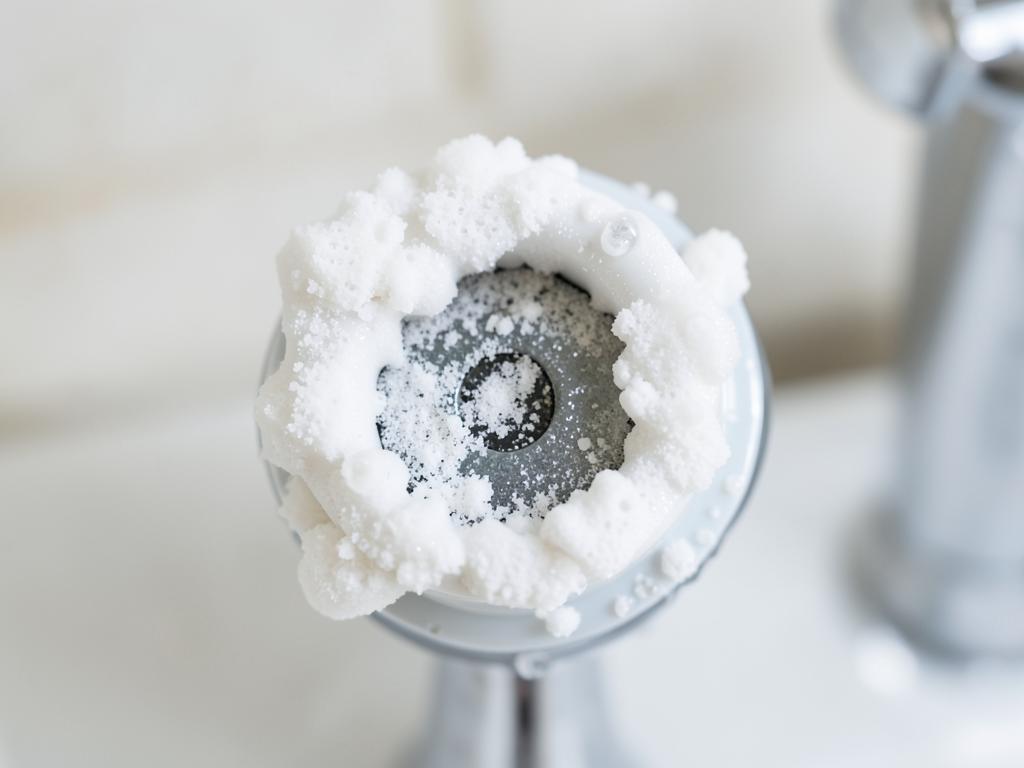
Visual clues include white chalky deposits around faucets and showerheads which are actually mineral scale that has dried on surfaces. If you see this buildup on the outside of fixtures imagine how much worse it is inside your pipes where you can’t see it. Additionally if your water heater makes popping or rumbling sounds this indicates sediment buildup from hard water minerals settling at the bottom of the tank reducing efficiency and potentially causing premature failure.
The hidden dangers of slow leaks
One of the most insidious aspects of hard water damage is the development of slow hidden leaks. Pinhole leaks in copper pipes often start as tiny openings that allow just a few drops of water to escape per hour. These small leaks can go undetected for months or even years slowly saturating walls floors and ceilings with moisture. By the time visible water damage appears the structural damage and mold growth behind walls can be extensive.
Hard water accelerates the corrosion process in copper pipes through a phenomenon called galvanic corrosion. When different metals are in contact with hard water an electrical current is created that speeds up the breakdown of the pipe material. This process is particularly common in homes with mixed plumbing systems where copper pipes connect to other metal components like water heaters or valves.
The secondary damage from these slow leaks is often more costly than replacing the damaged pipes themselves. Water seeping into wall cavities creates ideal conditions for mold growth which can begin within 24-48 hours of moisture exposure according to EPA guidelines. The resulting mold remediation structural repairs and content restoration can easily exceed $10000 for a single incident making early detection and prevention crucial for homeowners. EPA mold guidelines.
Appliance damage and energy waste
Hard water doesn’t just damage your pipes; it also destroys water-using appliances throughout your home. Water heaters are particularly vulnerable as mineral sediment accumulates at the bottom of the tank creating an insulating layer that forces the heating element to work harder. This reduces efficiency by up to 30% and can cut the lifespan of a water heater from the expected 10-12 years to as little as 5-7 years.
Dishwashers and washing machines also suffer from hard water exposure. Mineral deposits clog spray arms reduce cleaning effectiveness and damage internal components like pumps and valves. The buildup on heating elements forces these appliances to use more energy to achieve the same results increasing your utility bills while decreasing performance. Many homeowners don’t realize that their appliances are working twice as hard as they should be simply because of the water quality in their area.
The financial impact extends beyond replacement costs. Hard water damage can void manufacturer warranties on many appliances leaving homeowners to bear the full cost of repairs or replacements. Additionally the increased energy consumption from struggling appliances adds up over time with some studies showing that hard water can increase household energy costs by $500-800 annually.
Professional solutions for hard water damage
When hard water damage reaches the point where professional intervention is needed the first step is a comprehensive plumbing inspection. Using advanced diagnostic tools like video pipe inspection cameras technicians can identify the extent of mineral buildup locate hidden leaks and assess the overall condition of your plumbing system. This inspection provides the data needed to recommend the most cost-effective restoration approach.
For severe cases pipe replacement may be necessary. Modern PEX (cross-linked polyethylene) piping offers excellent resistance to hard water damage and can be installed with minimal disruption to your home. Unlike traditional copper or galvanized steel PEX doesn’t corrode and maintains its full internal diameter throughout its service life. The installation process typically takes 2-3 days for an average home and can prevent future water damage emergencies.
Water heater replacement is often part of the restoration process especially if the existing unit has been damaged by years of sediment buildup. Tankless water heaters offer an additional advantage in hard water areas as they don’t store water and therefore don’t accumulate sediment. However they do require periodic descaling to maintain efficiency making them a good option for homes with extremely hard water. Retail Store Water Cleanup.
Prevention: water softeners and filtration systems
The most effective long-term solution for hard water damage is installing a whole-house water softener. These systems use ion exchange technology to remove calcium and magnesium from your water supply before it enters your plumbing system. A properly sized and maintained water softener can extend the life of your pipes and appliances by 50% or more while also improving soap lathering reducing soap scum and making your skin and hair feel better after bathing.
Modern water softeners come with smart technology that monitors water usage and regenerates only when necessary reducing salt consumption and wastewater. Many systems also include bypass valves that allow you to use unsoftened water for outdoor irrigation saving money and preventing the salty discharge that can harm plants and soil. The initial investment of $1500-3000 typically pays for itself within 3-5 years through reduced appliance replacement costs and lower energy bills.
For homeowners who prefer not to use salt-based softeners template-assisted crystallization (TAC) systems offer an alternative approach. These systems don’t remove minerals from the water but instead change their structure so they don’t adhere to surfaces. While not as effective as traditional softeners in extremely hard water areas TAC systems can still provide significant protection for your plumbing while avoiding the ongoing salt costs and wastewater discharge of conventional softeners.
Emergency response for water damage
When hard water damage leads to flooding or significant water intrusion immediate professional response is critical. The first 24-48 hours after water damage occurs are crucial for preventing mold growth and minimizing structural damage. Professional water damage restoration companies use industrial-grade equipment to extract standing water remove damaged materials and thoroughly dry affected areas using air movers and dehumidifiers.
The restoration process follows industry standards set by the IICRC (Institute of Inspection Cleaning and Restoration Certification) specifically the S500 standard for water damage restoration. This protocol ensures that all water-damaged materials are properly assessed contaminated materials are removed and the affected area is dried to prevent secondary damage. Professional restoration also includes documentation for insurance claims which can be invaluable when dealing with the financial impact of water damage emergencies. IICRC S500 standard.
Many homeowners don’t realize that standard homeowner’s insurance policies often exclude damage from slow leaks or maintenance-related failures. However sudden and accidental water damage from burst pipes is typically covered. This makes prevention through water softener installation and regular plumbing maintenance not just a matter of convenience but a critical financial protection strategy.
Cost comparison: prevention vs. emergency restoration
The financial mathematics of hard water damage are stark. Installing a whole-house water softener costs $1500-3000 upfront with annual maintenance costs of $100-200 for salt and system upkeep. In contrast emergency pipe replacement due to hard water damage typically costs $2000-5000 while water heater replacement runs $1000-2500. When you factor in the potential for flooding damage mold remediation and content restoration the total cost of reactive repairs can easily exceed $10000-15000.
Beyond the direct repair costs there’s the inconvenience factor to consider. Emergency plumbing repairs often require shutting off water to your entire home for extended periods disrupting daily life and potentially forcing you to relocate temporarily. Water damage restoration can take weeks to complete during which time you may not have full use of affected rooms or may need to vacate the premises entirely.
The peace of mind that comes with prevention is also valuable. Knowing that your plumbing system is protected from hard water damage means one less thing to worry about in your busy life. Many homeowners find that the improved water quality from a softener system including better-tasting water and reduced soap usage provides additional benefits that make the investment even more worthwhile.
Local water quality resources
Edwardsville residents can access detailed water quality reports from the Kansas City Water Services Department which provides annual Consumer Confidence Reports showing exact mineral content and hardness levels for different service areas. These reports are available online and can help you understand the specific challenges your home faces based on your exact location within the water distribution system.
Local plumbing contractors and water treatment specialists can also provide on-site water testing to determine your home’s specific hardness level and recommend appropriate treatment solutions. Many offer free initial consultations and can show you before-and-after water quality data to demonstrate the effectiveness of different treatment options.
For homes with extremely hard water or specific contamination concerns more advanced treatment options like reverse osmosis systems can provide additional protection. These systems remove not just hardness minerals but also other potential contaminants providing the highest quality water for drinking and cooking while protecting your plumbing infrastructure.
Frequently Asked Questions
How do I know if my home has hard water damage?
Look for reduced water pressure white mineral deposits on fixtures popping sounds from your water heater and increased energy bills. If you notice these signs especially in combination your plumbing may already have significant mineral buildup requiring professional assessment.
Can hard water damage be reversed without replacing pipes?
In some cases professional descaling services can remove mineral deposits from accessible pipes and fixtures. However once pipes are significantly restricted replacement is usually the most cost-effective long-term solution. Prevention through water softening is always preferable to attempting to reverse existing damage.
Will my homeowner’s insurance cover hard water damage?
Standard policies typically cover sudden and accidental damage like burst pipes but exclude damage from slow leaks or lack of maintenance. This means that while a catastrophic failure might be covered the gradual damage from hard water buildup over years is usually not covered by insurance.
Take action before disaster strikes
Hard water damage is a silent threat that affects nearly every home in Edwardsville but you don’t have to wait for a plumbing emergency to take action. Whether you’re experiencing reduced water pressure noticing mineral buildup on fixtures or simply want to protect your home’s plumbing infrastructure professional assessment and treatment can save you thousands in potential damage costs.
Our team of experienced water damage restoration specialists understands the unique challenges that Edwardsville’s hard water presents to local homeowners. We offer comprehensive plumbing inspections water quality testing and both emergency response and preventative treatment solutions. Don’t wait for a burst pipe or flooded basement to discover the true cost of hard water damage. What to do when your Overland Park basement floods during a storm.
Call (816) 473-3833 today to schedule your free water quality assessment and learn how we can protect your home from the hidden dangers of hard water. Our 24/7 emergency response team is ready to help you avoid the costly repairs and disruptions that come with plumbing failures caused by mineral buildup.
Pick up the phone and call (816) 473-3833 before the next storm hits. Edwardsville’s hard water won’t wait and neither should you when it comes to protecting your home and family from preventable water damage emergencies.
- Test your water quality
Contact a local water treatment specialist for a free water hardness test to determine your exact mineral levels and receive recommendations for appropriate treatment solutions.
- Install preventative treatment
Choose between traditional water softeners TAC systems or reverse osmosis based on your water quality budget and household needs to prevent future mineral buildup.
- Schedule regular maintenance
Have your plumbing system inspected annually by a professional who can identify early signs of hard water damage before they become major problems.
You may also find this helpful. Handling a flooded laundry room in your Lenexa home without the stress.
{
“@context”: “https://schema.org”,
“@type”: “BlogPosting”,
“headline”: “How the hard water in Edwardsville is secretly shortening the life of your plumbing and appliances”,
“description”: “Discover how Edwardsville’s hard water damages plumbing and appliances. Learn about local water quality, warning signs, and prevention solutions to protect your home.”,
“wordCount”: 2557,
“datePublished”: “2026-04-26T09:17:00.000Z”,
“dateModified”: “2026-04-26T09:17:00.000Z”,
“inLanguage”: “en-US”,
“mainEntityOfPage”: {
“@type”: “WebPage”,
“@id”: “https://apluswaterdamagerestorationkansascity.com”
},
“publisher”: {
“@type”: “LocalBusiness”,
“name”: “A Plus Water Damage Restoration Kansas City”,
“url”: “https://apluswaterdamagerestorationkansascity.com”
},
“author”: {
“@type”: “Organization”,
“name”: “A Plus Water Damage Restoration Kansas City”,
“url”: “https://apluswaterdamagerestorationkansascity.com”
},
“image”: {
“@type”: “ImageObject”,
“url”: “https://apluswaterdamagerestorationkansascity.com/wp-content/uploads/2026/03/how-the-hard-water-in-edwardsville-is-secretly-sho-1.png”
}
}
{
“@context”: “https://schema.org”,
“@type”: “LocalBusiness”,
“name”: “A Plus Water Damage Restoration Kansas City”,
“url”: “https://apluswaterdamagerestorationkansascity.com”,
“address”: {
“@type”: “PostalAddress”,
“addressLocality”: “Kansas City”
},
“areaServed”: {
“@type”: “City”,
“name”: “Kansas City”
}
}
{
“@context”: “https://schema.org”,
“@type”: “FAQPage”,
“mainEntity”: [
{
“@type”: “Question”,
“name”: “How do I know if my home has hard water damage?”,
“acceptedAnswer”: {
“@type”: “Answer”,
“text”: “Look for reduced water pressure white mineral deposits on fixtures popping sounds from your water heater and increased energy bills. If you notice these signs especially in combination your plumbing may already have significant mineral buildup requiring professional assessment.”
}
},
{
“@type”: “Question”,
“name”: “Can hard water damage be reversed without replacing pipes?”,
“acceptedAnswer”: {
“@type”: “Answer”,
“text”: “In some cases professional descaling services can remove mineral deposits from accessible pipes and fixtures. However once pipes are significantly restricted replacement is usually the most cost-effective long-term solution. Prevention through water softening is always preferable to attempting to reverse existing damage.”
}
},
{
“@type”: “Question”,
“name”: “Will my homeowner’s insurance cover hard water damage?”,
“acceptedAnswer”: {
“@type”: “Answer”,
“text”: “Standard policies typically cover sudden and accidental damage like burst pipes but exclude damage from slow leaks or lack of maintenance. This means that while a catastrophic failure might be covered the gradual damage from hard water buildup over years is usually not covered by insurance.”
}
}
]
}
{
“@context”: “https://schema.org”,
“@type”: “HowTo”,
“name”: “How to protect your home from hard water damage”,
“step”: [
{
“@type”: “HowToStep”,
“position”: 1,
“name”: “Test your water quality”,
“text”: “Contact a local water treatment specialist for a free water hardness test to determine your exact mineral levels and receive recommendations for appropriate treatment solutions.”
},
{
“@type”: “HowToStep”,
“position”: 2,
“name”: “Install preventative treatment”,
“text”: “Choose between traditional water softeners TAC systems or reverse osmosis based on your water quality budget and household needs to prevent future mineral buildup.”
},
{
“@type”: “HowToStep”,
“position”: 3,
“name”: “Schedule regular maintenance”,
“text”: “Have your plumbing system inspected annually by a professional who can identify early signs of hard water damage before they become major problems.”
}
],
“image”: “https://apluswaterdamagerestorationkansascity.com/wp-content/uploads/2026/03/how-the-hard-water-in-edwardsville-is-secretly-sho-1.png”
}
{
“@context”: “https://schema.org”,
“@type”: “BreadcrumbList”,
“itemListElement”: [
{
“@type”: “ListItem”,
“position”: 1,
“name”: “Home”,
“item”: “https://apluswaterdamagerestorationkansascity.com”
},
{
“@type”: “ListItem”,
“position”: 2,
“name”: “Blog”,
“item”: “https://apluswaterdamagerestorationkansascity.com/blog”
},
{
“@type”: “ListItem”,
“position”: 3,
“name”: “How the hard water in Edwardsville is secretly shortening the life of your plumbing and appliances”
}
]
}
{
“@context”: “https://schema.org”,
“@type”: “Service”,
“serviceType”: “Water Damage Restoration”,
“provider”: {
“@type”: “LocalBusiness”,
“name”: “A Plus Water Damage Restoration Kansas City”,
“url”: “https://apluswaterdamagerestorationkansascity.com”
},
“areaServed”: {
“@type”: “City”,
“name”: “Kansas City”
},
“description”: “Discover how Edwardsville’s hard water damages plumbing and appliances. Learn about local water quality, warning signs, and prevention solutions to protect your home.”
}