What actually happens during the professional dehumidification process in a Lee’s Summit home?
When water invades your Lee’s Summit home, the clock starts ticking. Within 24-48 hours, moisture trapped in walls, floors, and ceilings begins creating the perfect environment for mold growth. That’s why professional dehumidification isn’t just about removing water—it’s about preventing secondary damage that can cost thousands more to repair. EPA Mold Guidelines.
Professional structural drying in Lee’s Summit homes follows a precise science called psychrometry. This process controls air temperature, humidity, and air movement to extract moisture from building materials at the molecular level. Unlike running a box fan or opening windows, professional dehumidification uses industrial-grade equipment and daily monitoring to ensure your home returns to a safe, dry condition.
Lee’s Summit’s unique climate—with humid summers and cold winters—creates specific challenges. The area’s clay-rich soil can hold moisture against foundation walls, and many homes built in the 1970s through 1990s have construction methods that trap water in wall cavities. Understanding these local factors is crucial for effective structural drying.. Read more about Fixing the mess after a water heater bursts in your Smithville home.
The Science of Psychrometry: How We Dry Your Property
Psychrometry is the study of air and water vapor mixtures. In water damage restoration, we manipulate three key factors: temperature, humidity, and air movement. When these elements work together correctly, water molecules trapped in wood, drywall, and concrete release into the air and get captured by dehumidifiers.
Here’s what happens at the molecular level: Warm air can hold more moisture than cool air. By raising the temperature in affected areas to around 85-90°F, we increase the air’s moisture-holding capacity. Then, we use high-velocity air movers to create a boundary layer of warm, dry air that constantly replaces the cool, moist air against wet surfaces. This process accelerates evaporation from building materials.
The dehumidifiers then capture this moisture-laden air. Low Grain Refrigerant (LGR) dehumidifiers cool the air below its dew point, causing water vapor to condense into liquid that gets pumped out. The dry air cycles back through the room, creating a continuous moisture removal system. This process can extract up to 20-25 gallons of water per day from a typical water-damaged home.
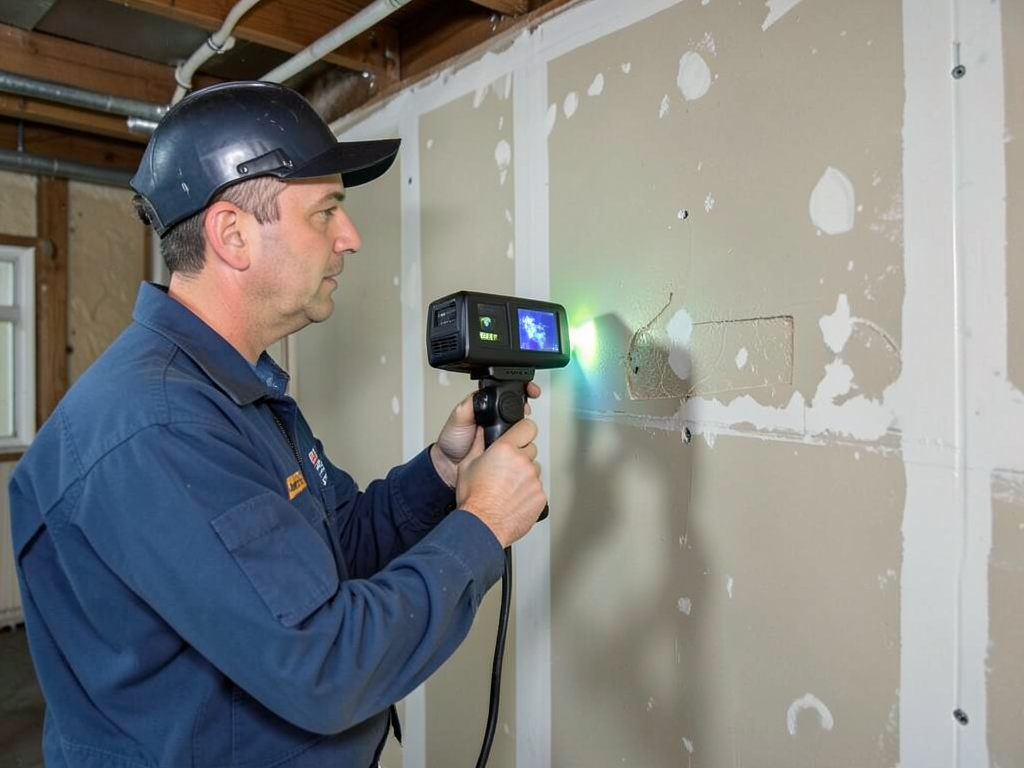
Image description: Technician using thermal imaging camera to scan wall cavities for hidden moisture in a Lee’s Summit basement. Thermal imaging reveals temperature variations that indicate water presence behind drywall.
Our Step-by-Step Structural Drying Workflow
- Moisture Mapping & Thermal Imaging Inspection
Before any equipment gets placed, technicians use moisture meters and FLIR thermal cameras to create a moisture map of your home. This diagnostic step identifies all affected areas, including hidden moisture in wall cavities, under flooring, and in ceiling spaces. In Lee’s Summit homes, we often find moisture traveling along vapor barriers or accumulating in insulation.
- High-Volume Water Extraction
Standing water gets removed using truck-mounted extraction units that can remove 10-15 gallons per minute. This step is critical—removing bulk water reduces drying time by up to 75% and prevents water from wicking further into building materials.
- Strategic Air Mover Placement (Evaporation)
Air movers get positioned at precise angles—typically 45 degrees to walls—to create optimal air circulation. The general rule is one air mover per 10-16 linear feet of wall space. In Lee’s Summit basements, we often need additional units due to the concrete’s density and moisture retention. What to do when your Overland Park basement floods during a storm.
- Industrial Dehumidification (LGR Technology)
LGR dehumidifiers get placed to create a balanced drying system. These units can maintain relative humidity below 40%, even in large spaces. For a typical Lee’s Summit home, we might use 2-3 commercial dehumidifiers running continuously for 3-5 days. Specialized commercial water damage restoration for Kansas City business owners.
- Daily Monitoring and Documentation
Technicians return daily to measure moisture content in materials using penetrating moisture meters. They track progress on drying logs that become essential for insurance claims. This monitoring ensures we achieve the dry standard—the moisture level of unaffected materials in your home.
Advanced Equipment Used in Lee’s Summit Restorations
Professional water damage restoration requires specialized equipment that goes far beyond household fans and dehumidifiers. Here’s what we use in Lee’s Summit homes:
| Equipment Type | Function | Lee’s Summit Application |
|---|---|---|
| LGR Dehumidifier | Removes moisture from air | Extracts 20-25 gallons daily from flooded basements |
| Centrifugal Air Mover | Creates high-velocity airflow | Dries hardwood floors and wall cavities |
| Moisture Meter (penetrating) | Measures moisture content | Tests wood (target: <16% moisture) |
| FLIR Thermal Camera | Detects temperature variations | Identifies hidden water in walls and ceilings |
| Desiccant Dehumidifier | Removes extreme moisture | Used in Category 3 water damage |
| Injectidry System | Dries wall cavities | Preserves drywall by drying from inside |
The difference between professional and consumer equipment is substantial. A typical home dehumidifier removes about 1-2 gallons of water per day and struggles to maintain humidity below 50%. Our LGR units remove 10-15 times more water and can achieve 30-35% relative humidity, which is crucial for preventing mold growth in Lee’s Summit’s naturally humid climate.
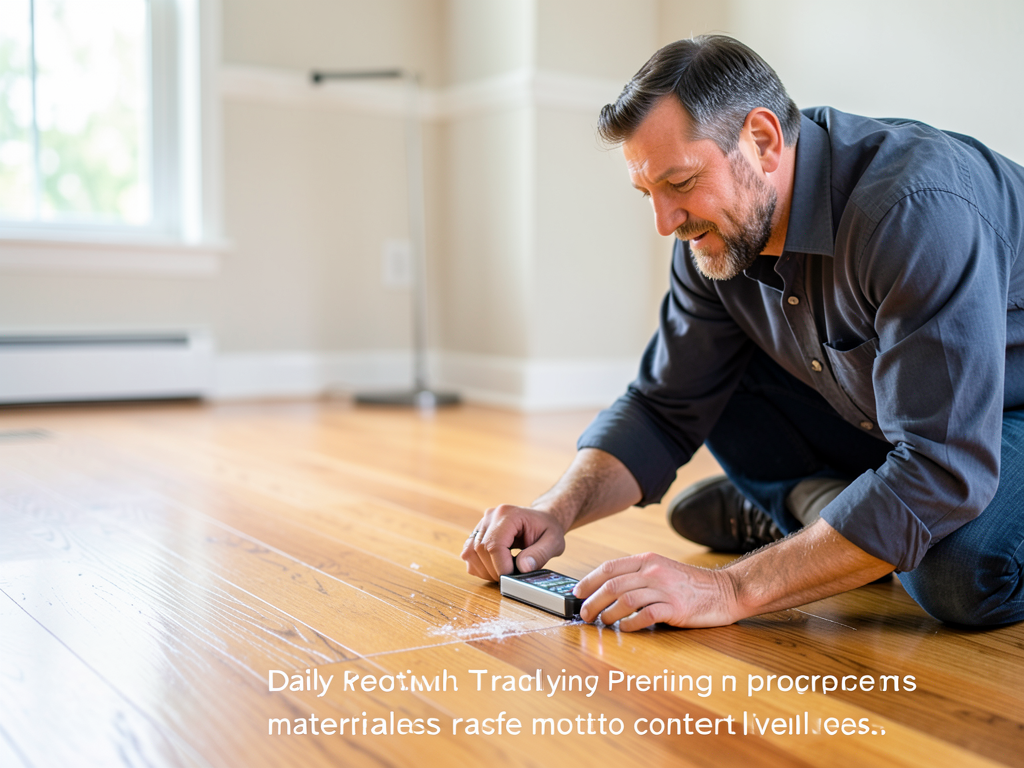
Image description: Technician monitoring moisture levels in a Lee’s Summit home using penetrating moisture meter on hardwood floor. Daily readings track drying progress and ensure materials reach safe moisture content levels.
Why Lee’s Summit Residents Choose Professional Drying
Lee’s Summit’s specific challenges make professional structural drying essential. The area receives an average of 40 inches of rain annually, and summer humidity often exceeds 70%. When water damage occurs, these conditions create a perfect storm for secondary damage if not addressed properly.
Many Lee’s Summit homes have basements with poured concrete walls that can absorb and hold moisture for weeks. The clay soil common in Jackson County expands when wet, putting pressure on foundation walls and creating pathways for water intrusion. Professional drying addresses these local factors that generic approaches miss.
We follow the IICRC S500 Standard for Professional Water Damage Restoration, which establishes the procedures for effective structural drying. This standard requires daily monitoring, documentation, and achieving specific moisture content goals for different materials. For example, hardwood flooring must reach 6-9% moisture content, while drywall should be below 12%. IICRC S500 Standard.
The cost of professional drying varies based on the Class of water intrusion:
- Class 1 (minimal area, minimal absorption): 2-3 days, $1,200-2,500
- Class 2 (entire room, carpet, padding): 3-4 days, $2,500-4,500
- Class 3 (above ceiling, walls, floors): 4-5 days, $4,000-7,000
- Class 4 (specialty materials, deep saturation): 5-7 days, $6,000-12,000
These ranges reflect Lee’s Summit’s market conditions and the specific challenges of local construction methods. The investment in professional drying typically prevents $5,000-15,000 in secondary damage that occurs when water isn’t properly removed.
Mold Prevention During the Structural Drying Window
The 48-72 hour window after water intrusion is critical. Mold spores, which exist naturally in all homes, begin germinating when moisture levels exceed 16% in wood and 12% in drywall. Once established, mold colonies can spread rapidly, especially in Lee’s Summit’s humid climate.
Professional dehumidification prevents this by maintaining conditions that inhibit mold growth. We keep relative humidity below 40% and ensure materials dry to their pre-loss moisture content. This process often requires specialized equipment like HEPA air scrubbers that filter mold spores from the air during drying.
For Category 3 water damage (sewage or contaminated water), we follow additional protocols. These situations require antimicrobial treatments, containment barriers, and more aggressive drying strategies. The EPA mandates specific disposal procedures for contaminated materials, which we strictly follow to protect your family’s health.
Insurance companies recognize the value of professional structural drying. Many policies require certification that proper drying procedures were followed to prevent mold claims. Our daily monitoring logs and moisture maps provide this documentation, which can mean the difference between a covered claim and a denied one.
Common Water Damage Scenarios in Lee’s Summit Homes
Lee’s Summit’s specific vulnerabilities create recurring water damage patterns. Understanding these helps homeowners recognize when professional help is needed:
Basement Flooding from Clay Soil Expansion: During heavy rains, the area’s clay soil expands, putting pressure on foundation walls. This can cause cracks that allow water intrusion. Professional drying addresses not just the visible water but the moisture absorbed by concrete and block walls.
Burst Pipes During Winter Freezes: Lee’s Summit experiences several freeze-thaw cycles each winter. When pipes freeze and burst, water can travel through wall cavities for hours before detection. Professional drying uses injectidry systems to dry these hidden spaces without removing drywall.
Roof Leaks from Severe Thunderstorms: The area’s severe weather can damage roofing materials, allowing water intrusion. Professional drying addresses the complex path water takes through attic insulation, ceiling joists, and wall cavities.
Sump Pump Failures During Spring Storms: Heavy spring rains can overwhelm sump systems, especially in homes with high water tables. Professional drying addresses the comprehensive moisture that affects basements and crawl spaces.
Frequently Asked Questions
How long does professional structural drying take?
Most Lee’s Summit water damage situations require 3-5 days of professional drying. The exact timeline depends on the Class of water intrusion, materials affected, and local humidity conditions. We monitor daily and continue until materials reach their dry standard.
Can I just use fans and a dehumidifier from the hardware store?
Consumer equipment lacks the capacity and precision of professional systems. A typical home dehumidifier removes 1-2 gallons daily versus 20-25 gallons for our LGR units. Professional air movers create the specific airflow patterns needed to accelerate evaporation from building materials.
Will my insurance cover professional structural drying?
Most homeowner’s policies cover sudden water damage and the necessary drying process. However, coverage varies by policy and the water source. We work with all major insurance companies and can help document the process to support your claim.
How do I know when my home is truly dry?
We use moisture meters to test materials against their pre-loss moisture content. For example, oak flooring should be 6-9% moisture, while drywall should be below 12%. Our daily monitoring continues until all materials reach these standards. Why you should not ignore that musty smell in your Olathe basement.
What happens if I wait to call for help?
Delaying professional drying allows water to spread and materials to absorb more moisture. Within 48-72 hours, mold can begin growing. What might have been a $3,000 drying job can become a $10,000 mold remediation project if not addressed promptly.
Emergency Response: What to Expect When You Call
When you contact us about water damage in your Lee’s Summit home, we respond within 60 minutes. Our emergency team arrives with the equipment needed to begin extraction immediately. We assess the situation, explain our findings, and provide a clear plan of action.
Our process includes:
- 24/7 emergency response with live operators
- Free moisture assessment and damage evaluation
- Direct insurance billing for covered services
- Daily progress updates and documentation
- Final moisture verification before completion
We understand the stress of water damage. Our goal is to restore your home quickly and completely, preventing the secondary damage that occurs when water isn’t properly removed. With Lee’s Summit’s specific climate challenges, professional structural drying isn’t just a service—it’s an investment in your home’s long-term health. Retail Store Water Cleanup.
Protecting Your Lee’s Summit Home from Future Water Damage
While we’re here to help with any water emergency, prevention is always better than restoration. Consider these steps to protect your Lee’s Summit home:
- Install water leak detection systems that can shut off supply lines automatically
- Maintain your sump pump with battery backup for power outages
- Clean gutters and downspouts regularly to direct water away from foundation
- Inspect your roof annually for damaged shingles or flashing
- Seal foundation cracks before they allow water intrusion
Lee’s Summit’s combination of clay soil, seasonal storms, and occasional freezing temperatures creates unique challenges. Professional structural drying addresses these local factors to ensure your home returns to a safe, dry condition.
Don’t let water damage compromise your home’s structure or your family’s health. When water invades your Lee’s Summit home, call the professionals who understand the science of structural drying and the specific challenges of our local climate.
Take Action Now
Water damage waits for no one. If you’re dealing with a flood, leak, or moisture problem in your Lee’s Summit home, every hour counts. Call (816) 473-3833 now for immediate professional response. Our IICRC-certified technicians are ready to begin the structural drying process that will protect your home and prevent costly secondary damage. Dealing with a burst pipe in the Northland (Emergency repair and drying).
Pick up the phone and call (816) 473-3833 before the next storm hits. Don’t let water win the battle against your home’s structural integrity.
You may also find this helpful. Dealing with a flooded crawl space in your Kearney home before it rots your floor joists.
{
“@context”: “https://schema.org”,
“@type”: “BlogPosting”,
“headline”: “What actually happens during the professional dehumidification process in a Lee’s Summit home?”,
“description”: “Discover the science behind professional structural drying in Lee’s Summit homes. Learn how IICRC-certified technicians use LGR dehumidifiers and moisture mapping to prevent mold.”,
“wordCount”: 2074,
“datePublished”: “2026-03-21T15:55:00.000Z”,
“dateModified”: “2026-03-21T15:55:00.000Z”,
“inLanguage”: “en-US”,
“mainEntityOfPage”: {
“@type”: “WebPage”,
“@id”: “https://apluswaterdamagerestorationkansascity.com”
},
“publisher”: {
“@type”: “LocalBusiness”,
“name”: “A Plus Water Damage Restoration Kansas City”,
“url”: “https://apluswaterdamagerestorationkansascity.com”
},
“author”: {
“@type”: “Organization”,
“name”: “A Plus Water Damage Restoration Kansas City”,
“url”: “https://apluswaterdamagerestorationkansascity.com”
},
“image”: {
“@type”: “ImageObject”,
“url”: “https://apluswaterdamagerestorationkansascity.com/wp-content/uploads/2026/03/what-actually-happens-during-the-professional-dehu-1.png”
}
}
{
“@context”: “https://schema.org”,
“@type”: “LocalBusiness”,
“name”: “A Plus Water Damage Restoration Kansas City”,
“url”: “https://apluswaterdamagerestorationkansascity.com”,
“address”: {
“@type”: “PostalAddress”,
“addressLocality”: “Kansas City”
},
“areaServed”: {
“@type”: “City”,
“name”: “Kansas City”
}
}
{
“@context”: “https://schema.org”,
“@type”: “FAQPage”,
“mainEntity”: [
{
“@type”: “Question”,
“name”: “How long does professional structural drying take?”,
“acceptedAnswer”: {
“@type”: “Answer”,
“text”: “Most Lee’s Summit water damage situations require 3-5 days of professional drying. The exact timeline depends on the Class of water intrusion, materials affected, and local humidity conditions. We monitor daily and continue until materials reach their dry standard.”
}
},
{
“@type”: “Question”,
“name”: “Can I just use fans and a dehumidifier from the hardware store?”,
“acceptedAnswer”: {
“@type”: “Answer”,
“text”: “Consumer equipment lacks the capacity and precision of professional systems. A typical home dehumidifier removes 1-2 gallons daily versus 20-25 gallons for our LGR units. Professional air movers create the specific airflow patterns needed to accelerate evaporation from building materials.”
}
},
{
“@type”: “Question”,
“name”: “Will my insurance cover professional structural drying?”,
“acceptedAnswer”: {
“@type”: “Answer”,
“text”: “Most homeowner’s policies cover sudden water damage and the necessary drying process. However, coverage varies by policy and the water source. We work with all major insurance companies and can help document the process to support your claim.”
}
},
{
“@type”: “Question”,
“name”: “How do I know when my home is truly dry?”,
“acceptedAnswer”: {
“@type”: “Answer”,
“text”: “We use moisture meters to test materials against their pre-loss moisture content. For example, oak flooring should be 6-9% moisture, while drywall should be below 12%. Our daily monitoring continues until all materials reach these standards. Why you should not ignore that musty smell in your Olathe basement.”
}
},
{
“@type”: “Question”,
“name”: “What happens if I wait to call for help?”,
“acceptedAnswer”: {
“@type”: “Answer”,
“text”: “Delaying professional drying allows water to spread and materials to absorb more moisture. Within 48-72 hours, mold can begin growing. What might have been a $3,000 drying job can become a $10,000 mold remediation project if not addressed promptly.”
}
}
]
}
{
“@context”: “https://schema.org”,
“@type”: “HowTo”,
“name”: “Professional Structural Drying Process”,
“step”: [
{
“@type”: “HowToStep”,
“position”: 1,
“name”: “Moisture Mapping & Thermal Imaging Inspection”,
“text”: “Before any equipment gets placed, technicians use moisture meters and FLIR thermal cameras to create a moisture map of your home. This diagnostic step identifies all affected areas, including hidden moisture in wall cavities, under flooring, and in ceiling spaces. In Lee’s Summit homes, we often find moisture traveling along vapor barriers or accumulating in insulation.”
},
{
“@type”: “HowToStep”,
“position”: 2,
“name”: “High-Volume Water Extraction”,
“text”: “Standing water gets removed using truck-mounted extraction units that can remove 10-15 gallons per minute. This step is critical—removing bulk water reduces drying time by up to 75% and prevents water from wicking further into building materials.”
},
{
“@type”: “HowToStep”,
“position”: 3,
“name”: “Strategic Air Mover Placement (Evaporation)”,
“text”: “Air movers get positioned at precise angles—typically 45 degrees to walls—to create optimal air circulation. The general rule is one air mover per 10-16 linear feet of wall space. In Lee’s Summit basements, we often need additional units due to the concrete’s density and moisture retention. What to do when your Overland Park basement floods during a storm.”
},
{
“@type”: “HowToStep”,
“position”: 4,
“name”: “Industrial Dehumidification (LGR Technology)”,
“text”: “LGR dehumidifiers get placed to create a balanced drying system. These units can maintain relative humidity below 40%, even in large spaces. For a typical Lee’s Summit home, we might use 2-3 commercial dehumidifiers running continuously for 3-5 days. Specialized commercial water damage restoration for Kansas City business owners.”
},
{
“@type”: “HowToStep”,
“position”: 5,
“name”: “Daily Monitoring and Documentation”,
“text”: “Technicians return daily to measure moisture content in materials using penetrating moisture meters. They track progress on drying logs that become essential for insurance claims. This monitoring ensures we achieve the dry standard—the moisture level of unaffected materials in your home.”
}
],
“image”: “https://apluswaterdamagerestorationkansascity.com/wp-content/uploads/2026/03/what-actually-happens-during-the-professional-dehu-1.png”
}
{
“@context”: “https://schema.org”,
“@type”: “BreadcrumbList”,
“itemListElement”: [
{
“@type”: “ListItem”,
“position”: 1,
“name”: “Home”,
“item”: “https://apluswaterdamagerestorationkansascity.com”
},
{
“@type”: “ListItem”,
“position”: 2,
“name”: “Blog”,
“item”: “https://apluswaterdamagerestorationkansascity.com/blog”
},
{
“@type”: “ListItem”,
“position”: 3,
“name”: “What actually happens during the professional dehumidification process in a Lee’s Summit home?”
}
]
}
{
“@context”: “https://schema.org”,
“@type”: “Service”,
“serviceType”: “Water Damage Restoration”,
“provider”: {
“@type”: “LocalBusiness”,
“name”: “A Plus Water Damage Restoration Kansas City”,
“url”: “https://apluswaterdamagerestorationkansascity.com”
},
“areaServed”: {
“@type”: “City”,
“name”: “Kansas City”
},
“description”: “Discover the science behind professional structural drying in Lee’s Summit homes. Learn how IICRC-certified technicians use LGR dehumidifiers and moisture mapping to prevent mold.”
}