
Dealing with a flooded crawl space in your Kearney home before it rots your floor joists
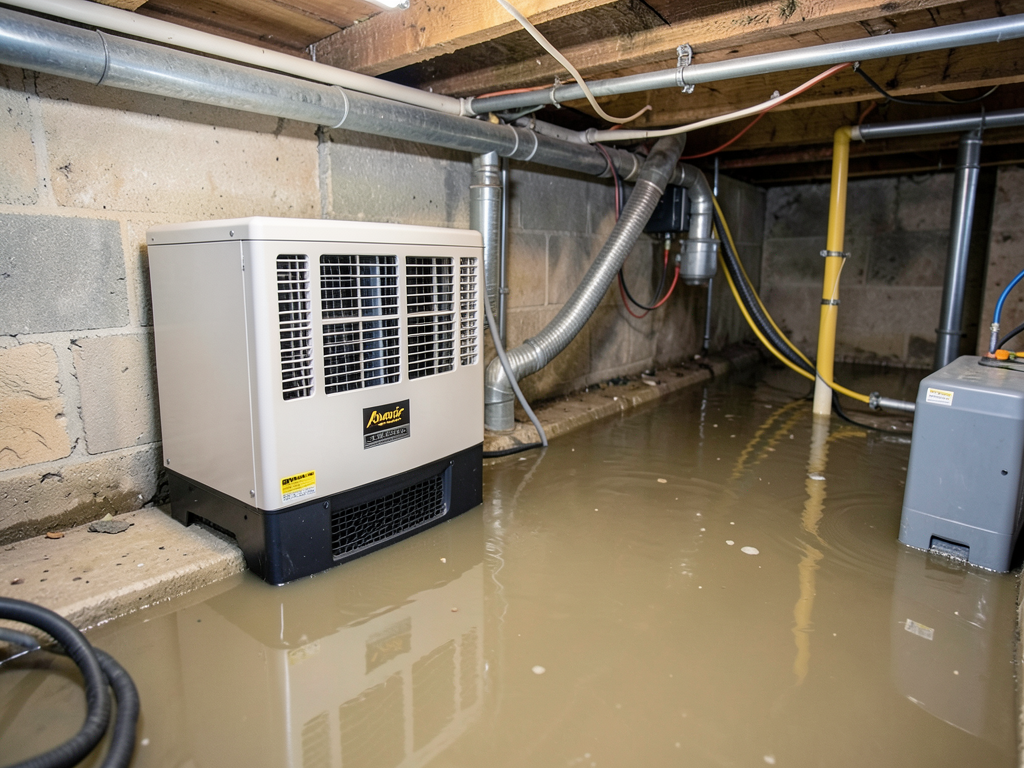
Standing water under your Kearney home is not just a nuisance. It is a structural threat. Clay County’s soil composition and spring storm patterns create conditions where water pools beneath houses and stays there. Left unchecked, that moisture rots floor joists, promotes mold growth, and compromises your home’s foundation. This guide explains what causes crawl space flooding in Kearney, how to recognize the warning signs, and what professional restoration looks like before the damage becomes irreversible. Water Stains on Drywall.
Why Kearney crawl spaces flood
Kearney sits on Missouri’s dense clay soil that holds water like a sponge. When heavy rains fall, the ground cannot drain quickly. Water collects against foundation walls and seeps into crawl spaces through vents, cracks, or unsealed access points. Add in Kearney’s older homes with aging vapor barriers and you have a recipe for chronic moisture problems. Water Damage Restoration Harrisonville.
Common causes include:
- Failed or undersized sump pumps during spring storms
- Clogged exterior drainage or downspouts dumping water near the foundation
- High water table from prolonged wet periods
- Plumbing leaks under the home
- Missing or torn vapor barriers
Clay County building codes require proper grading and drainage around foundations to prevent hydrostatic pressure. When those systems fail, water intrusion becomes inevitable.. Read more about Fixing the mess after a water heater bursts in your Smithville home.
Warning signs of crawl space water damage
Water in a crawl space often goes unnoticed until damage appears upstairs. Watch for these indicators:
- Damp or musty odors in rooms above the crawl space
- Bouncing or squeaking floors from weakened joists
- Visible mold on baseboards or lower walls
- Increased allergy symptoms among residents
- Higher than normal humidity levels inside the home
A moisture meter reading above 20% in floor joists signals active rot risk. At that point, structural integrity is compromised.
The dangers of ignoring standing water
Standing water in a crawl space creates multiple hazards. Mold spores such as Stachybotrys chartarum thrive in dark, damp environments and can spread through HVAC systems. Wood-destroying fungi break down floor joists within months. Termites are attracted to moist wood. Foundation walls can crack from constant hydrostatic pressure. The longer water sits, the more expensive the repairs become. EPA mold guidelines.
According to the IICRC S500 standard for water damage restoration, Category 3 water (contaminated with soil or sewage) requires full personal protective equipment and specialized cleaning to prevent health risks. Even clean rainwater left for over 48 hours becomes a Category 2 hazard. IICRC S500 standard for water damage restoration.
Professional crawl space water removal process
Removing water from a crawl space is not a DIY job. Professionals follow a systematic approach:
- Inspection and moisture mapping – Using thermal imaging and moisture meters to locate all affected areas
- Water extraction – Submersible pumps and wet vacuums remove standing water
- Structural drying – Axial fans and desiccant dehumidifiers dry joists and subfloor
- Antimicrobial treatment – EPA-registered disinfectants prevent mold growth
- Vapor barrier replacement – New 6-mil or thicker polyethylene sheeting isolates soil moisture
- Sump pump assessment – Repair or replace to prevent future flooding
The entire process typically takes 3 to 5 days depending on severity. Drying must be complete before encapsulation to avoid trapping moisture.
Preventing future crawl space flooding
Prevention starts with exterior water management. Ensure downspouts extend at least five feet from the foundation. Grade soil away from the house at a slope of 6 inches per 10 feet. Install or upgrade a sump pump with battery backup. Seal crawl space vents and consider encapsulation with a sealed liner and dehumidifier. In Kearney’s climate, a dehumidifier with a condensate pump is essential to handle seasonal humidity swings.
Clay County code requires that sump pump discharge pipes not connect to sanitary sewers to prevent overloading municipal systems. Always direct discharge to a dry well or storm drain.
Why professional help matters
Crawl space work involves confined spaces, potential mold exposure, and electrical hazards. Professionals carry IICRC certification, use commercial-grade equipment, and understand local building requirements. They also provide documentation for insurance claims, which can be critical when water damage is sudden and severe. Specialized commercial water damage restoration for Kansas City business owners.
Attempting to dry a crawl space with household fans often leaves moisture in wood and insulation, leading to hidden mold growth. Professional drying uses moisture probes at multiple depths to confirm dryness before reconstruction.
Local Kearney case example
A Kearney homeowner near 92 Highway discovered soft spots in the living room floor. Inspection revealed three inches of standing water in the crawl space and advanced wood rot in several joists. The team extracted water, treated mold, replaced damaged joists, and installed a new sump pump and encapsulation system. The home was stabilized within five days, preventing collapse of the floor system.
This type of rapid response is only possible with 24/7 availability and local knowledge of Kearney’s soil and weather patterns.
Comparing DIY vs. professional restoration
| Aspect | DIY Approach | Professional Service |
|---|---|---|
| Equipment | Household fans, wet vac | Commercial dehumidifiers, air movers, moisture meters |
| Time to complete | Often incomplete, weeks | 3-5 days with monitoring |
| Mold prevention | Minimal or none | Antimicrobial treatment, HEPA air scrubbing |
| Insurance documentation | None | Detailed reports, photos, drying logs |
| Long-term results | High failure rate | Warranty-backed, code compliant |
Frequently Asked Questions
How much does crawl space water removal cost in Kearney?
Costs vary based on water volume, damage extent, and required repairs. Minor extraction may start around $1,500 while extensive restoration with structural repairs can exceed $10,000. Insurance may cover sudden water events if documented promptly.
Can I stay in my home during the process?
In most cases yes, but expect noise from equipment and limited access to affected areas. If mold remediation is needed, temporary relocation may be advised until clearance testing passes.
How long before wood rot becomes a structural issue?
Softwood joists can lose 20% of their strength in as little as 30 days under constant moisture. Once rot is visible or moisture content exceeds 20%, immediate action is required to prevent collapse.
Does homeowners insurance cover crawl space flooding?
Sudden and accidental water events like burst pipes are typically covered. Groundwater flooding or long-term moisture issues may be excluded. Always check your policy and document damage with photos and professional reports. Dealing with a burst pipe in the Northland (Emergency repair and drying).
What is crawl space encapsulation and is it worth it?
Encapsulation seals the crawl space with a vapor barrier, insulation, and dehumidifier to control moisture. It prevents future flooding, improves energy efficiency, and protects structural components. In Kearney’s climate, it is a strong long-term investment.

Take action before your floor joists fail
Water under your Kearney home is a ticking clock. The longer it sits, the more it costs and the greater the risk to your family’s safety. If you see signs of moisture, hear floor squeaks, or smell musty odors, do not wait. Call (816) 473-3833 today to schedule an inspection. Our team responds 24/7 and brings the equipment and expertise to stop the damage before it spreads. Pick up the phone and call (816) 473-3833 before the next storm hits.
You may also find this helpful. What to do when your Belton basement floods after a heavy South KC storm.
{
“@context”: “https://schema.org”,
“@type”: “BlogPosting”,
“headline”: “Dealing with a flooded crawl space in your Kearney home before it rots your floor joists”,
“description”: “Flooded crawl space in Kearney? Learn how standing water damages floor joists and what to do before structural rot sets in. Call (816) 473-3833 for 24/7 help.”,
“wordCount”: 1189,
“datePublished”: “2026-04-11T08:55:00.000Z”,
“dateModified”: “2026-04-11T08:55:00.000Z”,
“inLanguage”: “en-US”,
“mainEntityOfPage”: {
“@type”: “WebPage”,
“@id”: “https://apluswaterdamagerestorationkansascity.com”
},
“publisher”: {
“@type”: “LocalBusiness”,
“name”: “A Plus Water Damage Restoration Kansas City”,
“url”: “https://apluswaterdamagerestorationkansascity.com”
},
“author”: {
“@type”: “Organization”,
“name”: “A Plus Water Damage Restoration Kansas City”,
“url”: “https://apluswaterdamagerestorationkansascity.com”
},
“image”: {
“@type”: “ImageObject”,
“url”: “https://apluswaterdamagerestorationkansascity.com/wp-content/uploads/2026/03/dealing-with-a-flooded-crawl-space-in-your-kearney-1.png”
}
}
{
“@context”: “https://schema.org”,
“@type”: “LocalBusiness”,
“name”: “A Plus Water Damage Restoration Kansas City”,
“url”: “https://apluswaterdamagerestorationkansascity.com”,
“address”: {
“@type”: “PostalAddress”,
“addressLocality”: “Kansas City”
},
“areaServed”: {
“@type”: “City”,
“name”: “Kansas City”
}
}
{
“@context”: “https://schema.org”,
“@type”: “FAQPage”,
“mainEntity”: [
{
“@type”: “Question”,
“name”: “How much does crawl space water removal cost in Kearney?”,
“acceptedAnswer”: {
“@type”: “Answer”,
“text”: “Costs vary based on water volume, damage extent, and required repairs. Minor extraction may start around $1,500 while extensive restoration with structural repairs can exceed $10,000. Insurance may cover sudden water events if documented promptly.”
}
},
{
“@type”: “Question”,
“name”: “Can I stay in my home during the process?”,
“acceptedAnswer”: {
“@type”: “Answer”,
“text”: “In most cases yes, but expect noise from equipment and limited access to affected areas. If mold remediation is needed, temporary relocation may be advised until clearance testing passes.”
}
},
{
“@type”: “Question”,
“name”: “How long before wood rot becomes a structural issue?”,
“acceptedAnswer”: {
“@type”: “Answer”,
“text”: “Softwood joists can lose 20% of their strength in as little as 30 days under constant moisture. Once rot is visible or moisture content exceeds 20%, immediate action is required to prevent collapse.”
}
},
{
“@type”: “Question”,
“name”: “Does homeowners insurance cover crawl space flooding?”,
“acceptedAnswer”: {
“@type”: “Answer”,
“text”: “Sudden and accidental water events like burst pipes are typically covered. Groundwater flooding or long-term moisture issues may be excluded. Always check your policy and document damage with photos and professional reports. Dealing with a burst pipe in the Northland (Emergency repair and drying).”
}
},
{
“@type”: “Question”,
“name”: “What is crawl space encapsulation and is it worth it?”,
“acceptedAnswer”: {
“@type”: “Answer”,
“text”: “Encapsulation seals the crawl space with a vapor barrier, insulation, and dehumidifier to control moisture. It prevents future flooding, improves energy efficiency, and protects structural components. In Kearney’s climate, it is a strong long-term investment.”
}
}
]
}
{
“@context”: “https://schema.org”,
“@type”: “BreadcrumbList”,
“itemListElement”: [
{
“@type”: “ListItem”,
“position”: 1,
“name”: “Home”,
“item”: “https://apluswaterdamagerestorationkansascity.com”
},
{
“@type”: “ListItem”,
“position”: 2,
“name”: “Blog”,
“item”: “https://apluswaterdamagerestorationkansascity.com/blog”
},
{
“@type”: “ListItem”,
“position”: 3,
“name”: “Dealing with a flooded crawl space in your Kearney home before it rots your floor joists”
}
]
}
{
“@context”: “https://schema.org”,
“@type”: “Service”,
“serviceType”: “Water Damage Restoration”,
“provider”: {
“@type”: “LocalBusiness”,
“name”: “A Plus Water Damage Restoration Kansas City”,
“url”: “https://apluswaterdamagerestorationkansascity.com”
},
“areaServed”: {
“@type”: “City”,
“name”: “Kansas City”
},
“description”: “Flooded crawl space in Kearney? Learn how standing water damages floor joists and what to do before structural rot sets in. Call (816) 473-3833 for 24/7 help.”
}