
Signs that your Northland roof has an ice dam causing interior water damage
Ice dams form when heat escapes from your attic and melts snow on the roof. The water runs down and refreezes at the colder eaves, creating a wall of ice that traps melting snow. In the Northland where winter temperatures fluctuate around freezing, this freeze-thaw cycle happens repeatedly, causing water to back up under shingles and leak into your home. You might notice water stains on your ceiling, peeling paint near windows, or a musty smell in your attic. These are warning signs that an ice dam has already caused interior water damage and immediate action is needed to prevent mold growth and structural rot. Water Stains on Drywall.
Common signs of ice dam water damage inside your Northland home
Water damage from ice dams often appears in predictable patterns. Ceiling stains near exterior walls are the most obvious sign. These stains typically start small and grow larger with each thaw cycle. You might also notice water dripping from light fixtures or ceiling fans during sunny winter days when snow melts rapidly. Attic spaces often reveal the first evidence of a leak with wet insulation, dark spots on rafters, or frost on the underside of the roof deck. Walls near the ceiling may show bubbling paint or wallpaper, and window frames might have water damage or rot at the corners. The musty odor of mold often accompanies these visible signs, especially in enclosed attic spaces. Water Damage Restoration Harrisonville.
How ice dams form in Northland winter conditions
Northland homes face unique challenges during Kansas City winters. The region’s freeze-thaw cycles, where temperatures swing above and below 32 degrees Fahrenheit within 24 hours, create perfect conditions for ice dam formation. Heat escaping from poorly insulated attics melts snow on the roof surface. This meltwater flows down to the cold eaves and refreezes, gradually building a dam. As the dam grows, it traps more meltwater, forcing it under shingles and into your home. Homes with complex rooflines, valleys, or multiple levels are particularly vulnerable because they create areas where snow accumulates and heat distribution becomes uneven. The clay-heavy soil in many Northland neighborhoods also contributes to foundation issues that can affect attic ventilation and temperature control.. Read more about Could your Northland home be making you sick? (The real signs of hidden mold).
Physical warning signs on your roof exterior
Before interior damage appears, your roof often shows clear signs of ice dam formation. Large icicles hanging from gutters are the most visible indicator, though they don’t always mean water has entered your home yet. Ice buildup in gutters that prevents proper drainage is another warning sign. You might notice horizontal ice bands forming along the roof edge or ice extending several feet up from the eaves. Snow melt patterns that show bare spots on the upper roof while lower areas remain covered indicate heat loss through the attic. These exterior signs mean water is likely working its way under your shingles even if you haven’t seen interior damage yet.
Emergency steps to take when you discover ice dam damage
If you notice signs of ice dam water damage, immediate action can prevent further destruction. First, move furniture and valuables away from affected areas and place buckets under active leaks. Do not attempt to chip away ice from your roof with tools, as this can damage shingles and create more entry points for water. If safe to access, use a roof rake to remove snow from the lower three to four feet of your roof edge. This reduces the snow available to melt and refreeze. Increase attic ventilation if possible by opening access doors or using fans to circulate air. Document all damage with photos for insurance purposes. Most importantly, call a professional water damage restoration company immediately. The longer water sits in your walls and ceiling, the more extensive and expensive the repairs become. EPA Mold Guidelines.
Professional ice dam removal and water damage restoration process
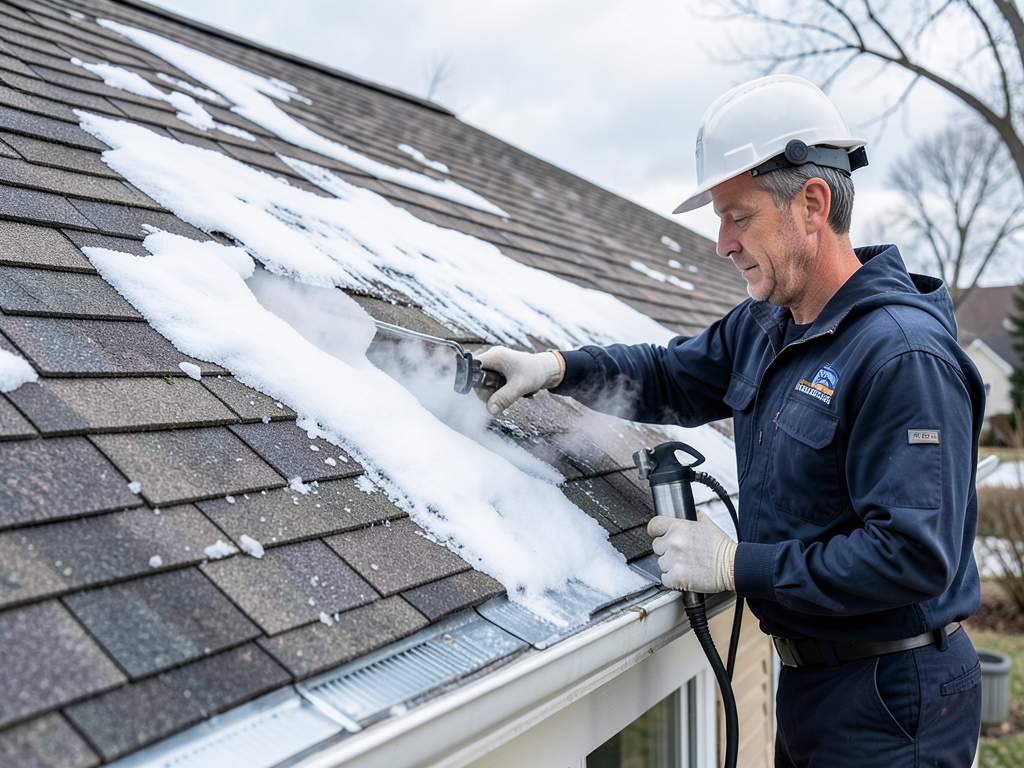
Professional restoration follows a systematic approach to both remove the ice dam and repair the resulting water damage. The process begins with a thorough inspection using moisture meters and thermal imaging cameras to map the extent of water infiltration. Ice dam removal is performed using low-pressure steam rather than mechanical tools, which prevents damage to roofing materials. Once the ice is removed, the restoration team extracts standing water from affected areas using industrial vacuums and pumps. Structural drying involves placing commercial-grade dehumidifiers and air movers throughout the damaged spaces. Moisture levels are monitored daily until materials return to normal moisture content. Any compromised materials like wet drywall, insulation, or ceiling tiles are removed and replaced. The final step includes antimicrobial treatment to prevent mold growth in areas that were exposed to moisture. Specialized commercial water damage restoration for Kansas City business owners.
Preventing future ice dams in your Northland home
Preventing ice dams requires addressing the root cause: heat loss through your attic. Proper insulation with an R-value of at least R-38 in your attic floor prevents warm air from reaching the roof deck. Sealing attic bypasses around light fixtures, plumbing vents, and chimney chases eliminates hidden sources of heat loss. Adequate ventilation through soffit and ridge vents creates airflow that keeps the roof deck cold. In some cases, installing heat cables along roof edges provides additional protection for problem areas. Regular gutter cleaning before winter ensures proper drainage when snow melts. A professional energy audit can identify specific areas where your home is losing heat and recommend targeted improvements.
Insurance coverage for ice dam water damage
Most standard homeowners insurance policies in Kansas City cover sudden and accidental water damage from ice dams, but coverage details vary by provider. Damage to the interior of your home, including ceilings, walls, and personal property, is typically covered under the dwelling and personal property sections of your policy. However, removal of the ice dam itself and repairs to the roof structure may not be covered unless the damage was caused by a covered peril like a fallen tree. Many policies exclude damage from long-term neglect, so documenting the sudden onset of damage is important. Working with a restoration company that has experience with insurance claims can simplify the process and ensure proper documentation for your adjuster.. Read more about Why River Market loft owners need to worry about flat roof leaks.
Health risks from ice dam water damage
Water from ice dams creates more than just cosmetic damage. Within 24 to 48 hours, damp materials become breeding grounds for mold and bacteria. Mold spores can trigger allergic reactions, asthma attacks, and other respiratory problems, particularly in children, elderly individuals, and those with compromised immune systems. Some molds produce mycotoxins that can cause more serious health effects. Water-damaged building materials can also harbor bacteria that cause infections or unpleasant odors. The longer moisture remains in your home, the greater the health risk becomes. Professional restoration includes antimicrobial treatments that eliminate these biological hazards and prevent their return.
Common mistakes Northland homeowners make with ice dams
Many homeowners inadvertently make ice dam problems worse by using incorrect removal methods. Chipping away at ice with hammers, picks, or even heated tools often damages shingles and flashing, creating new leak points. Using salt or chemical de-icers on your roof can corrode metal components and kill surrounding vegetation when the chemicals wash off. Some homeowners try to melt ice dams with heat guns or torches, creating fire hazards and potential roof damage. Others ignore small signs of water damage, assuming they’ll dry on their own, which allows mold to establish and wood to rot. The most costly mistake is waiting too long to call professionals, as water continues to spread through building materials and the scope of restoration work expands. Why you should not ignore that musty smell in your Olathe basement.
Local building codes and ice dam prevention in Kansas City
Kansas City building codes require specific measures to prevent ice dam formation and water intrusion. The International Residential Code, adopted by Kansas City, mandates minimum attic insulation levels and requires proper ventilation in all residential structures. Section R806 of the IRC specifies that attics must have net free ventilation area equal to at least 1/150 of the attic floor area. Many homes in older Northland neighborhoods were built before these requirements existed, making them more vulnerable to ice dams. Local building officials also require ice and water shield underlayment in roof valleys and along eaves in our climate zone, though installation quality varies among contractors. When restoring water damage, professionals must follow these codes and often recommend upgrades to bring older homes into compliance. Restoring historic homes in Brookside and Waldo after water damage.
When to call a professional for ice dam water damage
Call a professional immediately if you notice active water intrusion, see mold growth, or have water stains covering more than a few square feet. Professional help is also needed if you cannot safely access your roof to remove snow, if you suspect structural damage to rafters or ceiling joists, or if your home has experienced previous ice dam issues. The cost of professional restoration is often less than the long-term damage that occurs when water problems are ignored. A professional assessment can also identify underlying issues like inadequate insulation or ventilation that need to be addressed to prevent future problems.
Frequently Asked Questions
How long does it take for mold to grow after ice dam water damage?
Mold can begin growing within 24 to 48 hours in damp conditions. The warm, dark environment inside walls and ceilings provides ideal conditions for rapid mold growth once moisture is present. This is why immediate water extraction and drying are critical steps in ice dam damage restoration.
Can I prevent ice dams without replacing my roof?
Yes, most ice dams can be prevented through improved attic insulation, sealing air leaks, and proper ventilation without roof replacement. These improvements address the root cause of heat loss that leads to ice dam formation. In some cases, installing heat cables along roof edges provides additional protection.
Will my ceiling need to be replaced after ice dam water damage?
Not always. The extent of replacement depends on how long water was present and what materials were affected. Drywall that has been wet for less than 48 hours and shows no signs of warping or mold growth can often be dried and saved. However, sagging ceilings, stained areas, or materials with mold growth typically require replacement.
Don’t let ice dam water damage destroy your Northland home
Ice dams are more than just an inconvenience during Kansas City winters. They can cause thousands of dollars in damage to your home’s structure, create health hazards from mold growth, and significantly reduce your property value. The freeze-thaw cycles common in the Northland make local homes particularly vulnerable to this type of damage. If you notice any signs of water intrusion from your ceiling, walls, or attic, immediate professional intervention is essential. The restoration process involves more than just drying out visible water; it requires identifying all affected areas, removing compromised materials, and preventing future problems through proper remediation techniques.
Pick up the phone and call (816) 473-3833 before the next storm hits. Our emergency response team is ready to assess your ice dam damage, remove the ice safely, and begin the restoration process immediately. We work directly with your insurance company to handle claims and get your home back to normal as quickly as possible. Don’t wait until a small leak becomes a major reconstruction project.
Call (816) 473-3833 today to schedule your inspection and protect your Northland home from further ice dam damage. For more information, visit FEMA Ice Dam Prevention.
{
“@context”: “https://schema.org”,
“@type”: “BlogPosting”,
“headline”: “Signs that your Northland roof has an ice dam causing interior water damage”,
“description”: “Learn the critical warning signs of ice dam damage in your Northland home before water destroys your ceilings and walls. Call (816) 473-3833 for emergency restoration.”,
“wordCount”: 1933,
“datePublished”: “2026-03-14T16:22:00.000Z”,
“dateModified”: “2026-03-14T16:22:00.000Z”,
“inLanguage”: “en-US”,
“mainEntityOfPage”: {
“@type”: “WebPage”,
“@id”: “https://apluswaterdamagerestorationkansascity.com”
},
“publisher”: {
“@type”: “LocalBusiness”,
“name”: “A Plus Water Damage Restoration Kansas City”,
“url”: “https://apluswaterdamagerestorationkansascity.com”
},
“author”: {
“@type”: “Organization”,
“name”: “A Plus Water Damage Restoration Kansas City”,
“url”: “https://apluswaterdamagerestorationkansascity.com”
},
“image”: {
“@type”: “ImageObject”,
“url”: “https://apluswaterdamagerestorationkansascity.com/wp-content/uploads/2026/03/signs-that-your-northland-roof-has-an-ice-dam-caus-1.png”
}
}
{
“@context”: “https://schema.org”,
“@type”: “LocalBusiness”,
“name”: “A Plus Water Damage Restoration Kansas City”,
“url”: “https://apluswaterdamagerestorationkansascity.com”,
“address”: {
“@type”: “PostalAddress”,
“addressLocality”: “Kansas City”
},
“areaServed”: {
“@type”: “City”,
“name”: “Kansas City”
}
}
{
“@context”: “https://schema.org”,
“@type”: “FAQPage”,
“mainEntity”: [
{
“@type”: “Question”,
“name”: “How long does it take for mold to grow after ice dam water damage?”,
“acceptedAnswer”: {
“@type”: “Answer”,
“text”: “Mold can begin growing within 24 to 48 hours in damp conditions. The warm, dark environment inside walls and ceilings provides ideal conditions for rapid mold growth once moisture is present. This is why immediate water extraction and drying are critical steps in ice dam damage restoration.”
}
},
{
“@type”: “Question”,
“name”: “Can I prevent ice dams without replacing my roof?”,
“acceptedAnswer”: {
“@type”: “Answer”,
“text”: “Yes, most ice dams can be prevented through improved attic insulation, sealing air leaks, and proper ventilation without roof replacement. These improvements address the root cause of heat loss that leads to ice dam formation. In some cases, installing heat cables along roof edges provides additional protection.”
}
},
{
“@type”: “Question”,
“name”: “Will my ceiling need to be replaced after ice dam water damage?”,
“acceptedAnswer”: {
“@type”: “Answer”,
“text”: “Not always. The extent of replacement depends on how long water was present and what materials were affected. Drywall that has been wet for less than 48 hours and shows no signs of warping or mold growth can often be dried and saved. However, sagging ceilings, stained areas, or materials with mold growth typically require replacement.”
}
}
]
}
{
“@context”: “https://schema.org”,
“@type”: “BreadcrumbList”,
“itemListElement”: [
{
“@type”: “ListItem”,
“position”: 1,
“name”: “Home”,
“item”: “https://apluswaterdamagerestorationkansascity.com”
},
{
“@type”: “ListItem”,
“position”: 2,
“name”: “Blog”,
“item”: “https://apluswaterdamagerestorationkansascity.com/blog”
},
{
“@type”: “ListItem”,
“position”: 3,
“name”: “Signs that your Northland roof has an ice dam causing interior water damage”
}
]
}
{
“@context”: “https://schema.org”,
“@type”: “Service”,
“serviceType”: “Water Damage Restoration”,
“provider”: {
“@type”: “LocalBusiness”,
“name”: “A Plus Water Damage Restoration Kansas City”,
“url”: “https://apluswaterdamagerestorationkansascity.com”
},
“areaServed”: {
“@type”: “City”,
“name”: “Kansas City”
},
“description”: “Learn the critical warning signs of ice dam damage in your Northland home before water destroys your ceilings and walls. Call (816) 473-3833 for emergency restoration.”
}