
Could your Northland home be making you sick? (The real signs of hidden mold)
Your Northland home might be hiding more than just old family photos. If you’ve been dealing with persistent health issues that seem to worsen when you’re at home, you could be experiencing the effects of hidden mold growth. Many Kansas City homeowners don’t realize that the very place they consider their sanctuary could be the source of their health problems. Dealing with a burst pipe in the Northland (Emergency repair and drying).
The Northland’s unique climate creates perfect conditions for mold growth. With our high humidity levels, especially during those muggy summer months, and the frequent temperature swings we experience throughout the year, moisture can easily become trapped in your home’s walls, basement, or attic. When water damage occurs from a burst pipe, roof leak, or flooding, mold can begin growing within 24 to 48 hours if not properly addressed. What to do when your Overland Park basement floods during a storm.
Before you dismiss those nagging symptoms as seasonal allergies or stress, take a closer look at what’s happening in your home. The connection between your health and your living environment is stronger than most people realize.
Common health symptoms that could indicate mold exposure
Mold affects people differently, but there are several telltale signs that your health issues might be related to mold exposure rather than other causes. Understanding these symptoms can help you determine whether you need to investigate your home further.
Respiratory problems are often the most noticeable. You might experience persistent coughing, wheezing, or shortness of breath that seems to improve when you leave your home. Many people also report a feeling of tightness in their chest or difficulty breathing deeply, especially at night.
Nasal and sinus issues are another common indicator. If you find yourself constantly battling congestion, sneezing fits, or post-nasal drip that doesn’t respond to typical allergy medications, mold could be the culprit. Some people develop chronic sinus infections that keep returning despite treatment.
Skin reactions can also signal mold exposure. You might notice unexplained rashes, hives, or itchy patches that appear and disappear without any clear pattern. These skin issues often worsen when you spend extended time in certain areas of your home.
Neurological symptoms are less obvious but equally important. Many people with mold exposure report feeling mentally foggy, having difficulty concentrating, or experiencing memory problems. You might find yourself forgetting simple things or struggling to complete tasks that were once easy.
Fatigue that doesn’t improve with rest is another significant warning sign. If you’re getting adequate sleep but still feel exhausted throughout the day, mold toxins could be affecting your energy levels. This fatigue often comes with a general feeling of malaise or being unwell.
Eye irritation is also common. Red, itchy, or watery eyes that seem to worsen when you’re at home could indicate mold exposure. Some people also experience a burning sensation in their eyes or increased sensitivity to light. Water Stains on Drywall.
Headaches that occur regularly and seem to worsen in specific areas of your home might be related to mold. These aren’t your typical tension headaches but rather persistent, sometimes severe headaches that don’t respond well to over-the-counter pain relievers.
Digestive issues can also be linked to mold exposure. Some people experience nausea, stomach pain, or changes in appetite without any clear dietary cause. In more severe cases, mold exposure can lead to chronic digestive problems.
Respiratory infections that keep recurring might indicate your immune system is compromised by ongoing mold exposure. If you find yourself getting sick more often than usual or having trouble recovering from common illnesses, your home environment could be playing a role.
Why Northland homes are particularly vulnerable to mold problems
The Northland’s geographic location and building patterns create unique challenges for homeowners. Understanding these local factors can help you recognize why your home might be at higher risk for mold growth.
Our region experiences extreme humidity levels, particularly during the summer months when dew points can exceed 70 degrees Fahrenheit. This moisture-rich air naturally seeks cooler surfaces inside your home, where it condenses and creates ideal conditions for mold growth.
Many Northland homes were built during rapid development periods in the 1970s through 1990s. These homes often have construction features that can trap moisture, such as inadequate vapor barriers, poor ventilation in attics and crawl spaces, and basements that weren’t properly waterproofed according to current standards.. Read more about How hidden water damage actually ruins the structural integrity of your Shawnee home.
The clay soil common throughout the Kansas City area, particularly in the Northland, poses additional challenges. This expansive soil expands when wet and contracts when dry, creating pressure on foundation walls that can lead to cracks. These cracks allow moisture to seep into basements and crawl spaces, providing the water mold needs to thrive.
Many Northland neighborhoods were developed near creeks, streams, and low-lying areas that are prone to flooding during heavy rains. Even if your home hasn’t flooded recently, previous water events could have left moisture trapped in wall cavities or under flooring, creating hidden mold problems that persist for years.
The freeze-thaw cycles we experience during winter months can cause additional stress on your home’s exterior. Water that enters small cracks can freeze and expand, creating larger openings that allow moisture intrusion. This seasonal damage often goes unnoticed until mold problems become severe.
Older homes in established Northland neighborhoods like those near Parkville, Gladstone, or Liberty often have outdated HVAC systems that don’t properly control indoor humidity. Without adequate dehumidification, these homes remain vulnerable to mold growth year-round.
Many Northland homes have finished basements that were converted without proper moisture management. These spaces often lack adequate ventilation and can become breeding grounds for mold if any moisture problems develop in the foundation or plumbing systems.
The combination of our local climate, soil conditions, and building patterns means that Northland homeowners need to be particularly vigilant about moisture control and mold prevention. What works in drier climates simply isn’t sufficient for our conditions.. Read more about The truth about waterproof LVP flooring when your Lake Quivira basement actually floods.
Where mold typically hides in Kansas City homes
Understanding where mold commonly grows can help you identify potential problem areas in your home. Mold needs moisture, organic material to feed on, and the right temperature to thrive, which means it often grows in places you don’t see regularly.
Behind drywall is one of the most common hiding spots. If you’ve had any water leaks from plumbing, roof issues, or flooding, moisture can become trapped inside wall cavities where it remains undetected for months or even years. The paper backing on drywall provides an ideal food source for mold.
Under flooring materials is another frequent location. Carpet padding, especially in basements or areas that have experienced moisture, can harbor mold growth beneath the surface. Even hardwood and laminate flooring can develop mold problems if moisture becomes trapped underneath.
Inside HVAC systems and ductwork is particularly problematic because it allows mold spores to circulate throughout your entire home. Condensation on air conditioning coils, combined with dust and debris in ductwork, creates perfect conditions for mold growth that affects every room.
Attics often develop mold problems due to poor ventilation. When warm, moist air from your living spaces rises into the attic and cannot escape, it condenses on cooler surfaces. This is especially common in homes with bathroom fans that vent directly into the attic rather than outside.
Crawl spaces and basements are naturally prone to moisture problems. Even with sump pumps and dehumidifiers, these areas can develop mold if there are any cracks in the foundation or if groundwater levels rise during wet seasons.
Under sinks and around plumbing fixtures are common problem areas that many homeowners overlook. Small leaks from supply lines or drain pipes can create persistent moisture that leads to mold growth in cabinet bases and wall cavities.
Window sills and door frames can develop mold when condensation forms on these surfaces, particularly in homes with single-pane windows or poor insulation. The wooden components provide organic material for mold to feed on.
Behind large furniture pieces against exterior walls is another overlooked area. When furniture blocks air circulation, temperature differences between the wall and room air can cause condensation that leads to mold growth over time.
Inside appliances like washing machines, dishwashers, and refrigerators can harbor mold, particularly in the seals and drainage areas. These hidden locations often go unnoticed until the mold problem becomes severe.
How to investigate potential mold problems in your home
If you suspect mold might be affecting your health, there are several steps you can take to investigate your home safely. Remember that disturbing mold colonies can release spores into the air, so proceed cautiously.
Start with a visual inspection of the most likely areas. Look for discoloration on walls, ceilings, or flooring that could indicate water damage or mold growth. Mold often appears as dark spots, but it can also be white, green, or other colors depending on the species.
Pay attention to musty odors, particularly in basements, bathrooms, or areas where moisture problems are common. Mold produces volatile organic compounds that create distinctive smells, even when the mold itself isn’t visible.
Check for signs of past water damage, such as water stains, peeling paint or wallpaper, or warped materials. Even if the area appears dry now, previous moisture events could have created conditions for mold growth.
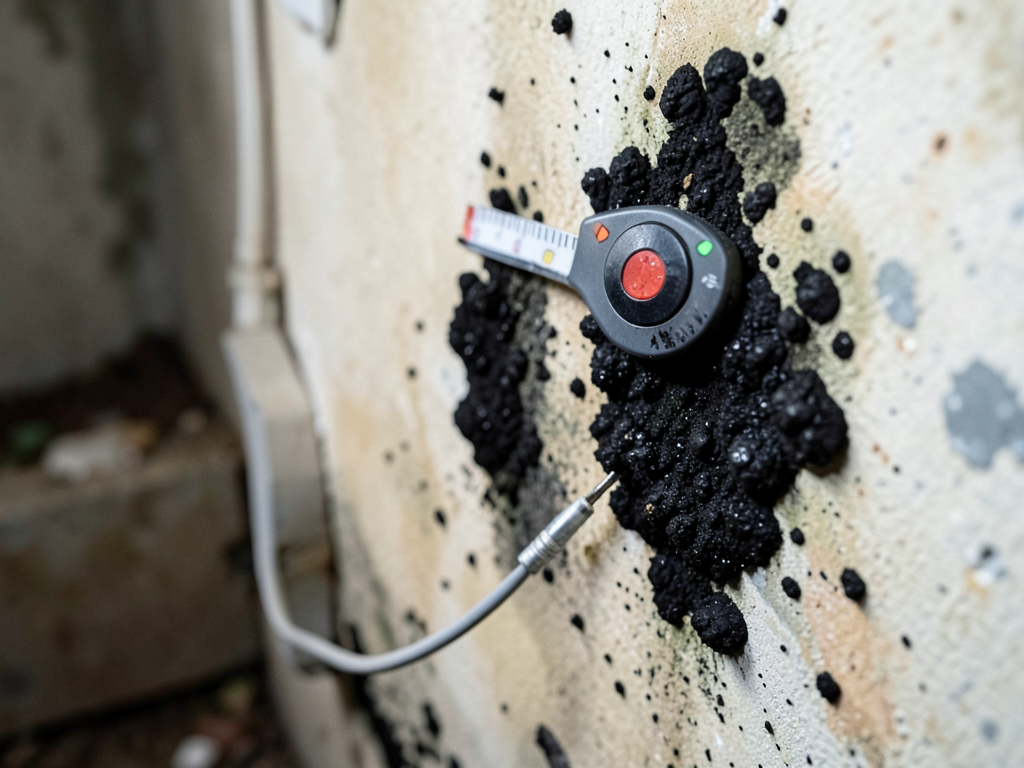
Use a moisture meter to check suspicious areas. These inexpensive tools can detect elevated moisture levels in walls, floors, and ceilings that might indicate hidden water problems. Readings above 15-20% moisture content warrant further investigation.
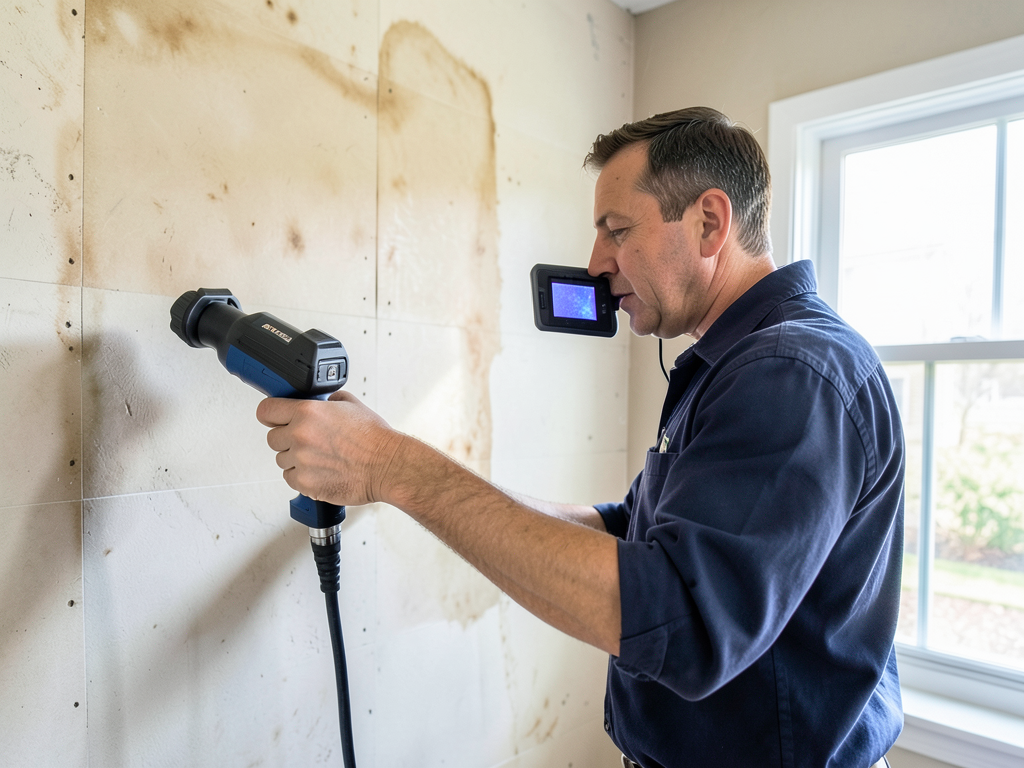
Consider hiring a professional mold inspector if your initial investigation suggests problems. Professional inspectors use specialized equipment like thermal imaging cameras to detect moisture behind walls and air quality testing to measure mold spore levels. Specialized commercial water damage restoration for Kansas City business owners.
Document your symptoms and when they occur. Keep a log of when you feel worst and what areas of your home you were in at those times. This information can help professionals identify patterns and potential sources.
Don’t attempt extensive mold removal yourself if you find significant growth. Large mold colonies require professional remediation to prevent spreading spores throughout your home and to ensure complete removal.
Be aware that some mold problems require destructive testing to fully assess. This might involve removing small sections of drywall or flooring to inspect hidden areas. Professional remediation companies can perform this testing safely.
Consider the age of your home and any previous water events. Homes that have experienced flooding, plumbing leaks, or roof damage are at higher risk for hidden mold problems that may not be immediately apparent.
The difference between mold allergies and mold toxicity
Not all mold-related health problems are the same. Understanding the difference between allergic reactions and toxic effects can help you better assess your situation and seek appropriate help.
Mold allergies are similar to other environmental allergies. Your immune system overreacts to mold spores, causing symptoms like sneezing, runny nose, itchy eyes, and skin rashes. These reactions are typically immediate and can be managed with antihistamines and other allergy medications.
Mold toxicity, also called mycotoxicosis, occurs when you’re exposed to high levels of mold toxins over time. This can happen with certain types of mold, particularly Stachybotrys chartarum (often called black mold), though other species can also produce harmful mycotoxins.
Toxic mold exposure often causes more severe and persistent symptoms than simple allergies. You might experience neurological symptoms like brain fog, memory problems, and mood changes that don’t respond to typical allergy treatments.
The timing of symptoms can provide clues about the type of mold problem you’re experiencing. Allergic reactions typically occur quickly after exposure, while toxic effects often develop gradually over weeks or months of continuous exposure.
The severity of your symptoms doesn’t always indicate the severity of the mold problem. Some people are more sensitive to mold than others, and individual reactions can vary widely even in the same environment.
Professional testing can help distinguish between different types of mold and their potential health effects. Air quality testing can measure both mold spore counts and the presence of specific mycotoxins that cause toxic reactions.
Treatment approaches differ significantly between allergies and toxicity. Allergic reactions often respond to standard allergy treatments, while toxic exposure may require more comprehensive interventions including removal from the exposure environment.
Understanding these differences is crucial for getting proper medical care. If you’re experiencing severe or persistent symptoms, consult with a healthcare provider who understands the health effects of mold exposure.
When to call a professional for mold inspection and remediation
While some mold problems can be handled with DIY approaches, certain situations require professional intervention. Knowing when to call in experts can protect your health and ensure the problem is properly resolved.
Call a professional if you discover mold covering more than 10 square feet. Large mold colonies require specialized equipment and techniques to remove safely without spreading spores throughout your home.
Professional help is essential if you suspect mold in your HVAC system. Mold in ductwork can circulate throughout your entire home, and cleaning these systems requires specialized equipment to prevent contamination of other areas.
If you or your family members are experiencing severe health symptoms that you suspect are mold-related, don’t wait to get professional help. The longer exposure continues, the more severe the health effects can become.
Call experts if you’ve had recent water damage from flooding, leaks, or other sources. Even if you’ve cleaned up visible water, moisture can remain trapped in building materials where it creates ideal conditions for mold growth.
Professional inspection is warranted if you’re buying or selling a home and want to ensure there are no hidden mold problems. Mold issues can significantly impact property values and should be addressed before real estate transactions. Why you should not ignore that musty smell in your Olathe basement.
If you’ve tried DIY mold removal but the problem keeps returning, you need professional assessment. Recurring mold often indicates an underlying moisture problem that hasn’t been properly addressed.
Call experts if you’re dealing with sewage contamination or other hazardous water sources. These situations require specialized safety equipment and disposal procedures that go beyond standard mold remediation.
Professional help is crucial if you have compromised immune systems in your household. People with asthma, allergies, or other respiratory conditions are more vulnerable to mold effects and need thorough remediation.
Don’t attempt to handle mold problems yourself if you’re unsure about the extent of the contamination. What appears to be a small problem could be part of a much larger issue hidden behind walls or under flooring.
Remember that proper mold remediation isn’t just about removing visible mold. It requires identifying and correcting the moisture source, containing the work area to prevent spore spread, and verifying that the problem has been completely resolved.
Preventing future mold problems in your Northland home
Once you’ve addressed any existing mold issues, taking steps to prevent future problems is essential. Prevention is always easier and less expensive than remediation.
Control indoor humidity levels to keep them between 30-50%. Use dehumidifiers in basements and other damp areas, especially during our humid summer months. Many Northland homeowners find they need to run dehumidifiers continuously during July and August.
Ensure proper ventilation throughout your home. Use exhaust fans in bathrooms and kitchens that vent directly outside rather than into attics or wall cavities. Consider installing whole-house ventilation systems if your home tends to trap moisture.
Address water leaks immediately. Even small drips from plumbing fixtures can create conditions for mold growth within 24-48 hours. Regular inspection of supply lines, drain pipes, and appliance connections can catch problems before they become severe.
Maintain your roof and gutters to prevent water intrusion. Clean gutters regularly and ensure downspouts direct water at least 6 feet away from your foundation. Check your roof annually for damaged shingles or flashing that could allow water entry.
Seal foundation cracks and ensure proper grading around your home’s exterior. Water should always flow away from your foundation rather than toward it. This is particularly important in the Northland where our clay soil can create hydrostatic pressure against foundation walls.
Use mold-resistant materials when building or remodeling. Many modern building products include mold inhibitors that can help prevent growth even if moisture problems occur.
Install proper vapor barriers in crawl spaces and basements according to current building codes. These barriers prevent ground moisture from evaporating into your home’s living spaces.
Consider professional waterproofing if your basement experiences regular moisture problems. Modern waterproofing systems can dramatically reduce the risk of mold growth in below-grade spaces.
Regular maintenance of your HVAC system, including changing filters and cleaning coils, helps prevent mold growth in these systems and ensures proper moisture control throughout your home.
Be proactive about moisture control rather than reactive about mold removal. The small investment in prevention can save you thousands in remediation costs and protect your family’s health.
Frequently Asked Questions
How quickly can mold make you sick after exposure?
Health effects can appear within hours for sensitive individuals, though most people develop symptoms gradually over days or weeks of exposure. The timing depends on your sensitivity, the type of mold, and the concentration of spores in your environment.
Can mold behind walls affect your health even if you can’t see it?
Yes, absolutely. Mold doesn’t need to be visible to cause health problems. Spores can easily pass through drywall and other building materials, and the toxins produced by some molds can affect your health even when the mold colony is completely hidden.
How do I know if my symptoms are from mold or seasonal allergies?
Mold symptoms often persist year-round rather than following seasonal patterns. They may worsen in specific areas of your home or improve when you’re away for several days. If typical allergy medications aren’t providing relief, mold could be the cause.
Is black mold the only dangerous type of mold?
No, while Stachybotrys chartarum (black mold) is particularly concerning, many other mold species can cause health problems. The color of mold doesn’t indicate its toxicity. Any mold growth in your home should be addressed promptly.
How much does professional mold testing cost in the Kansas City area?
Professional mold testing typically costs between $300-$600 in the Kansas City metro area, depending on the size of your home and the extent of testing needed. This investment can help identify hidden problems before they become severe.
Can I stay in my home during mold remediation?
It depends on the extent of the problem. For small areas, you might be able to remain in your home with proper containment. However, for extensive mold problems or if anyone in your household has health sensitivities, temporary relocation during remediation is often recommended.
How long does mold remediation typically take?
Small mold remediation projects might take 1-2 days, while extensive problems can require a week or more. The timeline depends on the size of the affected area, the type of materials involved, and whether any reconstruction is needed after removal.
Will my homeowners insurance cover mold damage?
Coverage varies by policy. Many standard policies exclude mold damage unless it results from a covered peril like a sudden pipe burst. Review your policy carefully and consider adding mold coverage if it’s not included.
What should I do immediately if I find mold in my home?
First, avoid disturbing the area to prevent spreading spores. Identify and stop any active water sources. For small areas under 10 square feet, you might be able to clean it yourself with proper safety equipment. Larger areas require professional assessment.
How can I tell if mold is making me sick or if it’s something else?
Mold-related symptoms that improve when you leave your home for several days, worsen in specific areas, or persist despite typical treatments for similar conditions could indicate mold exposure. Professional medical evaluation and home testing can help determine the cause.
Take action to protect your health and home
Your health and your home’s safety are too important to ignore potential mold problems. If you’re experiencing persistent symptoms that seem to worsen at home, or if you’ve discovered signs of moisture damage, don’t wait for the problem to get worse.
Professional mold inspection and remediation can identify hidden problems and provide solutions that protect both your health and your property value. The cost of professional assessment is minimal compared to the potential health impacts and property damage that can result from untreated mold growth.
Call (816) 473-3833 today to schedule your comprehensive mold inspection. Our experienced technicians understand the unique challenges Northland homeowners face and can provide the thorough assessment and effective solutions you need.
Don’t let hidden mold continue to affect your family’s health. Pick up the phone and call (816) 473-3833 before the next storm hits or the next plumbing leak occurs. Your health is worth the call.
Remember, the sooner you address potential mold problems, the easier and less expensive they are to resolve. Your Northland home should be a source of comfort and security, not a cause of health concerns. Take the first step toward a healthier home today. For more information, visit EPA Mold Resources. For more information, visit CDC Mold Information.
{
“@context”: “https://schema.org”,
“@type”: “BlogPosting”,
“headline”: “Could your Northland home be making you sick? (The real signs of hidden mold)”,
“description”: “Don’t ignore these warning signs of hidden mold in your Kansas City home. Learn how moisture problems affect your health and what to do next.”,
“wordCount”: 3533,
“datePublished”: “2026-03-27T09:40:00.000Z”,
“dateModified”: “2026-03-27T09:40:00.000Z”,
“inLanguage”: “en-US”,
“mainEntityOfPage”: {
“@type”: “WebPage”,
“@id”: “https://apluswaterdamagerestorationkansascity.com”
},
“publisher”: {
“@type”: “LocalBusiness”,
“name”: “A Plus Water Damage Restoration Kansas City”,
“url”: “https://apluswaterdamagerestorationkansascity.com”
},
“author”: {
“@type”: “Organization”,
“name”: “A Plus Water Damage Restoration Kansas City”,
“url”: “https://apluswaterdamagerestorationkansascity.com”
},
“image”: {
“@type”: “ImageObject”,
“url”: “https://apluswaterdamagerestorationkansascity.com/wp-content/uploads/2026/03/could-your-northland-home-be-making-you-sick-the-r-1.png”
}
}
{
“@context”: “https://schema.org”,
“@type”: “LocalBusiness”,
“name”: “A Plus Water Damage Restoration Kansas City”,
“url”: “https://apluswaterdamagerestorationkansascity.com”,
“address”: {
“@type”: “PostalAddress”,
“addressLocality”: “Kansas City”
},
“areaServed”: {
“@type”: “City”,
“name”: “Kansas City”
}
}
{
“@context”: “https://schema.org”,
“@type”: “FAQPage”,
“mainEntity”: [
{
“@type”: “Question”,
“name”: “How quickly can mold make you sick after exposure?”,
“acceptedAnswer”: {
“@type”: “Answer”,
“text”: “Health effects can appear within hours for sensitive individuals, though most people develop symptoms gradually over days or weeks of exposure. The timing depends on your sensitivity, the type of mold, and the concentration of spores in your environment.”
}
},
{
“@type”: “Question”,
“name”: “Can mold behind walls affect your health even if you can’t see it?”,
“acceptedAnswer”: {
“@type”: “Answer”,
“text”: “Yes, absolutely. Mold doesn’t need to be visible to cause health problems. Spores can easily pass through drywall and other building materials, and the toxins produced by some molds can affect your health even when the mold colony is completely hidden.”
}
},
{
“@type”: “Question”,
“name”: “How do I know if my symptoms are from mold or seasonal allergies?”,
“acceptedAnswer”: {
“@type”: “Answer”,
“text”: “Mold symptoms often persist year-round rather than following seasonal patterns. They may worsen in specific areas of your home or improve when you’re away for several days. If typical allergy medications aren’t providing relief, mold could be the cause.”
}
},
{
“@type”: “Question”,
“name”: “Is black mold the only dangerous type of mold?”,
“acceptedAnswer”: {
“@type”: “Answer”,
“text”: “No, while Stachybotrys chartarum (black mold) is particularly concerning, many other mold species can cause health problems. The color of mold doesn’t indicate its toxicity. Any mold growth in your home should be addressed promptly.”
}
},
{
“@type”: “Question”,
“name”: “How much does professional mold testing cost in the Kansas City area?”,
“acceptedAnswer”: {
“@type”: “Answer”,
“text”: “Professional mold testing typically costs between $300-$600 in the Kansas City metro area, depending on the size of your home and the extent of testing needed. This investment can help identify hidden problems before they become severe.”
}
},
{
“@type”: “Question”,
“name”: “Can I stay in my home during mold remediation?”,
“acceptedAnswer”: {
“@type”: “Answer”,
“text”: “It depends on the extent of the problem. For small areas, you might be able to remain in your home with proper containment. However, for extensive mold problems or if anyone in your household has health sensitivities, temporary relocation during remediation is often recommended.”
}
},
{
“@type”: “Question”,
“name”: “How long does mold remediation typically take?”,
“acceptedAnswer”: {
“@type”: “Answer”,
“text”: “Small mold remediation projects might take 1-2 days, while extensive problems can require a week or more. The timeline depends on the size of the affected area, the type of materials involved, and whether any reconstruction is needed after removal.”
}
},
{
“@type”: “Question”,
“name”: “Will my homeowners insurance cover mold damage?”,
“acceptedAnswer”: {
“@type”: “Answer”,
“text”: “Coverage varies by policy. Many standard policies exclude mold damage unless it results from a covered peril like a sudden pipe burst. Review your policy carefully and consider adding mold coverage if it’s not included.”
}
},
{
“@type”: “Question”,
“name”: “What should I do immediately if I find mold in my home?”,
“acceptedAnswer”: {
“@type”: “Answer”,
“text”: “First, avoid disturbing the area to prevent spreading spores. Identify and stop any active water sources. For small areas under 10 square feet, you might be able to clean it yourself with proper safety equipment. Larger areas require professional assessment.”
}
},
{
“@type”: “Question”,
“name”: “How can I tell if mold is making me sick or if it’s something else?”,
“acceptedAnswer”: {
“@type”: “Answer”,
“text”: “Mold-related symptoms that improve when you leave your home for several days, worsen in specific areas, or persist despite typical treatments for similar conditions could indicate mold exposure. Professional medical evaluation and home testing can help determine the cause.”
}
}
]
}
{
“@context”: “https://schema.org”,
“@type”: “BreadcrumbList”,
“itemListElement”: [
{
“@type”: “ListItem”,
“position”: 1,
“name”: “Home”,
“item”: “https://apluswaterdamagerestorationkansascity.com”
},
{
“@type”: “ListItem”,
“position”: 2,
“name”: “Blog”,
“item”: “https://apluswaterdamagerestorationkansascity.com/blog”
},
{
“@type”: “ListItem”,
“position”: 3,
“name”: “Could your Northland home be making you sick? (The real signs of hidden mold)”
}
]
}
{
“@context”: “https://schema.org”,
“@type”: “Service”,
“serviceType”: “Water Damage Restoration”,
“provider”: {
“@type”: “LocalBusiness”,
“name”: “A Plus Water Damage Restoration Kansas City”,
“url”: “https://apluswaterdamagerestorationkansascity.com”
},
“areaServed”: {
“@type”: “City”,
“name”: “Kansas City”
},
“description”: “Don’t ignore these warning signs of hidden mold in your Kansas City home. Learn how moisture problems affect your health and what to do next.”
}