The difference between Class 1 and Class 4 water intrusions in your Shawnee property
Water damage classifications determine everything from drying equipment to insurance coverage. Understanding these categories helps Shawnee homeowners communicate effectively with restoration professionals and insurance adjusters after a water event.. Read more about Emergency water extraction for businesses in the West Bottoms industrial district.
Understanding water damage classifications
Water damage professionals use two classification systems: Categories (based on contamination level) and Classes (based on evaporation rate and material saturation). Both systems work together to create a complete restoration plan.. Read more about How hidden water damage actually ruins the structural integrity of your Shawnee home.
Shawnee’s climate creates unique challenges. The area’s high humidity levels and clay soil composition affect how water moves through structures and how quickly materials dry. These local factors directly impact classification decisions and restoration timelines.
Water Categories vs Water Classes
Categories describe contamination sources while Classes describe the extent of water spread. A Category 1 clean water leak can become a Class 4 specialty drying situation depending on where it occurs and how long it sits.
Category 1 water comes from clean sources like broken supply lines or rainwater. Category 2 water contains significant contamination from sources like washing machine overflow. Category 3 water is highly contaminated, including sewage backups and floodwater from the Kansas River.
Classes range from Class 1 (minimal water absorption) to Class 4 (specialty drying situations). The classification determines equipment needs, drying times, and restoration costs.
Class 1 water damage: Minimal absorption
Class 1 situations involve minimal water absorption where only part of a room is affected. Low-porosity materials like concrete, tile, and some hardwoods show limited moisture absorption.
Common Class 1 scenarios in Shawnee include small supply line breaks on concrete basement floors or minor roof leaks affecting limited attic space. The water remains contained to materials with low permeance ratings. What to do when your Overland Park basement floods during a storm.
Drying Class 1 damage typically requires standard air movers and dehumidifiers. Restoration usually completes within 24-48 hours under normal conditions. The key advantage is minimal demolition requirements.
Class 4 water damage: Specialty drying situations
Class 4 situations involve specialty drying where water has penetrated deep into materials with very low permeance. These materials include hardwood flooring, concrete, brick, and stone.
Shawnee’s older homes often contain Class 4 situations when water seeps through hardwood floors or affects concrete basement walls. The clay soil around foundations can hold moisture against structures for extended periods.
Class 4 drying requires specialized equipment including desiccant dehumidifiers, heat drying systems, and sometimes injectidry systems. These situations often need 4-7 days for complete moisture removal. Specialized commercial water damage restoration for Kansas City business owners.
Local factors affecting water damage classification
Shawnee’s geographic location creates specific challenges. The area sits on clay-rich soil that expands when wet and contracts when dry. This movement can create foundation cracks that allow water intrusion.
Johnson County building codes require specific waterproofing measures for basements in areas with high water tables. Homes near Mill Creek or along the Kansas River face increased flood risks during heavy storms. Johnson County Emergency Management.
The local climate affects drying times significantly. Shawnee’s summer humidity can extend Class 4 drying from 4 days to 6-7 days even with industrial equipment.
IICRC S500 standards for classification
Professional restorers follow IICRC S500 standards when classifying water damage. This industry standard provides specific criteria for determining water categories and classes. IICRC S500 standards.
Technicians use moisture meters and thermal imaging cameras to assess damage extent. The S500 standard requires documentation of initial conditions, daily progress monitoring, and final verification of normal moisture content.
Proper classification affects insurance coverage. Many policies have different coverage limits based on water source and damage extent. Accurate classification ensures proper claim processing.
Common Shawnee water damage scenarios
Supply line breaks under kitchen sinks often create Class 1 situations when caught quickly. The limited water spread and low-porosity materials keep classification minimal.
Roof leaks during Shawnee’s spring storms can create Class 3 or 4 situations. Water traveling through ceiling assemblies saturates insulation and drywall, requiring specialty drying equipment.
Basement flooding from sump pump failures frequently results in Class 2 or 3 classifications. The extent of carpet and drywall saturation determines the final classification.
Diagnostic testing on job sites
Professional restorers use specific diagnostic tests to determine water damage class. The moisture meter test measures water content at different depths in affected materials. Retail Store Water Cleanup.
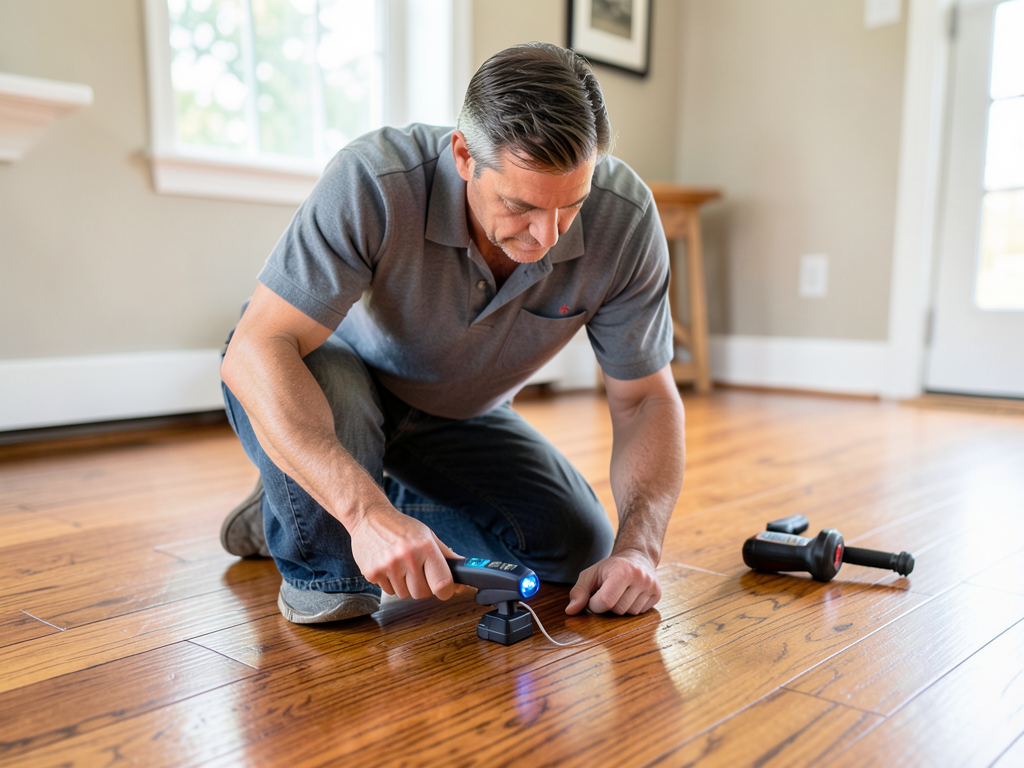
Technicians insert moisture probes into hardwood flooring to determine if water has penetrated the tongue and groove joints. This test often reveals Class 4 situations that appear minor on the surface.
Thermal imaging cameras help identify hidden moisture pockets behind walls and under flooring. These tools prevent misclassification that could lead to incomplete drying.
Insurance claim implications
Water damage classification directly affects insurance coverage. Category 1 water from a broken pipe typically receives full coverage. Category 3 water from sewage backup may have coverage limitations.
Class 4 situations often require additional documentation for insurance approval. The specialized equipment and extended drying times increase restoration costs significantly.
Shawnee homeowners should document damage extent with photos and moisture readings before cleanup begins. This documentation supports accurate classification and proper claim processing. Why you should not ignore that musty smell in your Olathe basement.
Restoration equipment by classification
Class 1 damage requires basic equipment: standard air movers and refrigerant dehumidifiers. These situations respond well to conventional drying methods.
Class 4 situations need specialty equipment including desiccant dehumidifiers that can achieve extremely low humidity levels. Heat drying systems accelerate moisture removal from dense materials.
Shawnee’s humidity levels often require additional equipment beyond standard recommendations. Local conditions may necessitate running dehumidifiers longer than typical drying scenarios.
Prevention strategies for Shawnee homes
Regular maintenance prevents many water damage situations. Checking supply lines, cleaning gutters, and testing sump pumps reduces risk significantly.
Foundation waterproofing becomes crucial in Shawnee’s clay soil conditions. Proper grading directs water away from foundations, reducing hydrostatic pressure against basement walls.
Installing water detection systems provides early warning of leaks. These systems can prevent minor issues from becoming major restoration projects.
Professional assessment process
Certified restorers follow a specific assessment process. They document damage extent, determine water category, and classify the water damage before creating a restoration plan.
The assessment includes moisture mapping to identify all affected areas. This mapping ensures no hidden damage gets overlooked during restoration.
Professional assessment prevents costly mistakes. Misclassification can lead to inadequate drying, resulting in secondary damage like mold growth.
Time sensitivity factors
Water damage worsens with time. Category 1 water can become Category 2 within 48-72 hours as materials break down and microorganisms grow.
Class 4 situations require immediate attention. The longer specialty materials remain wet, the greater the risk of permanent damage and increased restoration costs.
Shawnee’s humidity accelerates deterioration. The combination of moisture and warm temperatures creates ideal conditions for mold growth within 24-48 hours.
Cost factors by classification
Class 1 damage typically costs $500-$2,000 to restore. The minimal equipment needs and quick drying times keep costs manageable.
Class 4 damage can cost $5,000-$15,000 or more. The specialized equipment, extended drying times, and potential demolition requirements drive up costs significantly.
Insurance coverage varies by classification. Many policies cover sudden water damage fully but limit coverage for long-term moisture issues.
Health and safety considerations
Category 3 water requires biohazard precautions. Restorers wear personal protective equipment and follow specific decontamination procedures.
Class 4 drying can create dust hazards when removing damaged materials. Proper containment prevents cross-contamination to unaffected areas.
Shawnee homeowners should avoid entering areas with suspected Category 3 contamination. Professional assessment determines the appropriate safety protocols.
Local building code requirements
Johnson County requires specific restoration practices for water damage. These requirements ensure proper drying and prevent future moisture problems.
Building codes mandate moisture testing before reconstruction begins. This testing verifies that materials have returned to acceptable moisture content levels.
Local regulations require proper disposal of contaminated materials. This disposal prevents environmental contamination and protects public health.
Documentation requirements
Professional restorers document all aspects of water damage classification. This documentation includes moisture readings, equipment usage logs, and daily progress reports.
Insurance companies require specific documentation for claim processing. Proper classification documentation supports appropriate coverage and payment.
Shawnee homeowners should keep copies of all restoration documentation. This documentation proves valuable for future property sales or insurance claims.
Common misconceptions
Many homeowners believe visible dryness means complete restoration. However, materials can feel dry while retaining moisture deep within their structure.
Some people think all water damage requires demolition. Proper classification often allows for in-place drying of materials that appear severely damaged.
The belief that fans alone can dry water damage leads to incomplete restoration. Professional equipment achieves moisture removal rates that household fans cannot match.
Emergency response timing
Water damage requires immediate response. The first 24-48 hours determine the extent of damage and restoration complexity.
Category 1 water remains clean only for a limited time. Quick response prevents contamination that would increase restoration complexity and cost.
Class 4 situations benefit from immediate professional intervention. Early specialty drying prevents permanent damage to valuable materials.
Equipment selection criteria
Restorers select equipment based on water damage classification. The classification determines the type, quantity, and placement of drying equipment.
Class 1 situations use standard air movers and dehumidifiers. These situations respond well to conventional drying methods.
Class 4 situations require specialty equipment including desiccant dehumidifiers and heat drying systems. These situations need equipment capable of achieving extremely low humidity levels.
Success metrics
Professional restorers use specific metrics to determine restoration success. These metrics include moisture content readings, humidity levels, and material temperature.
Normal moisture content varies by material type. Wood typically requires 6-12% moisture content, while concrete may need readings below 4,000 ppm.
Daily monitoring tracks progress toward these success metrics. This monitoring ensures complete drying before reconstruction begins.
Final verification
Restoration completion requires final verification testing. This testing confirms that all affected materials have returned to normal moisture content.
Final verification includes moisture mapping of all previously affected areas. This mapping ensures no hidden moisture pockets remain.
Professional restorers provide documentation of final verification results. This documentation supports insurance claims and provides homeowners with restoration completion confirmation.
Frequently Asked Questions
How long does water damage classification take?
Professional assessment typically takes 1-2 hours for initial classification. Complex situations may require additional time for thorough evaluation.
Can I classify water damage myself?
DIY classification often misses hidden damage. Professional assessment using specialized equipment provides accurate classification and prevents costly mistakes.
Does water damage classification affect insurance claims?
Yes. Classification determines coverage extent and claim processing requirements. Accurate classification ensures proper claim handling and payment.
Take action now
Water damage requires immediate professional attention. Every hour increases damage extent and restoration complexity. Call (816) 473-3833 today to schedule your inspection before secondary damage occurs.
Don’t wait for visible damage to worsen. Professional assessment prevents costly mistakes and ensures proper restoration. Pick up the phone and call (816) 473-3833 before the next storm hits Shawnee.
Local resources
Shawnee residents can access additional water damage resources through Johnson County Emergency Management. The county provides flood preparedness information and emergency contact numbers.
Local building departments offer guidance on restoration permits and code compliance. Understanding these requirements helps ensure proper restoration procedures.
Professional restorers familiar with Shawnee’s specific conditions provide the best restoration outcomes. Local experience matters when dealing with regional climate and soil conditions. Dealing with a burst pipe in the Northland (Emergency repair and drying).
You may also find this helpful. Dealing with a flooded crawl space in your Kearney home before it rots your floor joists.
{
“@context”: “https://schema.org”,
“@type”: “BlogPosting”,
“headline”: “The difference between Class 1 and Class 4 water intrusions in your Shawnee property”,
“description”: “Learn how Class 1 vs Class 4 water damage affects your Shawnee home. Local experts explain drying times, equipment needs, and insurance coverage.”,
“wordCount”: 1894,
“datePublished”: “2026-03-19T16:38:00.000Z”,
“dateModified”: “2026-03-19T16:38:00.000Z”,
“inLanguage”: “en-US”,
“mainEntityOfPage”: {
“@type”: “WebPage”,
“@id”: “https://apluswaterdamagerestorationkansascity.com”
},
“publisher”: {
“@type”: “LocalBusiness”,
“name”: “A Plus Water Damage Restoration Kansas City”,
“url”: “https://apluswaterdamagerestorationkansascity.com”
},
“author”: {
“@type”: “Organization”,
“name”: “A Plus Water Damage Restoration Kansas City”,
“url”: “https://apluswaterdamagerestorationkansascity.com”
},
“image”: {
“@type”: “ImageObject”,
“url”: “https://apluswaterdamagerestorationkansascity.com/wp-content/uploads/2026/03/the-difference-between-class-1-and-class-4-water-i-1.png”
}
}
{
“@context”: “https://schema.org”,
“@type”: “LocalBusiness”,
“name”: “A Plus Water Damage Restoration Kansas City”,
“url”: “https://apluswaterdamagerestorationkansascity.com”,
“address”: {
“@type”: “PostalAddress”,
“addressLocality”: “Kansas City”
},
“areaServed”: {
“@type”: “City”,
“name”: “Kansas City”
}
}
{
“@context”: “https://schema.org”,
“@type”: “FAQPage”,
“mainEntity”: [
{
“@type”: “Question”,
“name”: “How long does water damage classification take?”,
“acceptedAnswer”: {
“@type”: “Answer”,
“text”: “Professional assessment typically takes 1-2 hours for initial classification. Complex situations may require additional time for thorough evaluation.”
}
},
{
“@type”: “Question”,
“name”: “Can I classify water damage myself?”,
“acceptedAnswer”: {
“@type”: “Answer”,
“text”: “DIY classification often misses hidden damage. Professional assessment using specialized equipment provides accurate classification and prevents costly mistakes.”
}
},
{
“@type”: “Question”,
“name”: “Does water damage classification affect insurance claims?”,
“acceptedAnswer”: {
“@type”: “Answer”,
“text”: “Yes. Classification determines coverage extent and claim processing requirements. Accurate classification ensures proper claim handling and payment.”
}
}
]
}
{
“@context”: “https://schema.org”,
“@type”: “BreadcrumbList”,
“itemListElement”: [
{
“@type”: “ListItem”,
“position”: 1,
“name”: “Home”,
“item”: “https://apluswaterdamagerestorationkansascity.com”
},
{
“@type”: “ListItem”,
“position”: 2,
“name”: “Blog”,
“item”: “https://apluswaterdamagerestorationkansascity.com/blog”
},
{
“@type”: “ListItem”,
“position”: 3,
“name”: “The difference between Class 1 and Class 4 water intrusions in your Shawnee property”
}
]
}
{
“@context”: “https://schema.org”,
“@type”: “Service”,
“serviceType”: “Water Damage Restoration”,
“provider”: {
“@type”: “LocalBusiness”,
“name”: “A Plus Water Damage Restoration Kansas City”,
“url”: “https://apluswaterdamagerestorationkansascity.com”
},
“areaServed”: {
“@type”: “City”,
“name”: “Kansas City”
},
“description”: “Learn how Class 1 vs Class 4 water damage affects your Shawnee home. Local experts explain drying times, equipment needs, and insurance coverage.”
}