
Why your Westwood yard stays soggy after it rains and how it hurts your foundation
Standing water in your Westwood yard after a rainstorm isn’t just an eyesore. It’s a warning sign that your home’s foundation is under attack. Kansas City’s heavy clay soil combined with poor drainage creates a perfect storm for foundation damage that can cost thousands in repairs. EPA moisture control guidelines.
When rainwater pools in your yard it doesn’t just disappear. That water saturates the ground around your foundation creating hydrostatic pressure that pushes against basement walls. Over time this pressure causes cracks bowing walls and water intrusion that leads to mold growth and structural damage. What to do when your Overland Park basement floods during a storm.
The problem is especially severe in Westwood where many homes were built on properties with minimal slope and compacted clay soil. Understanding why your yard stays soggy is the first step to protecting your foundation and preserving your home’s value.
How Kansas City’s soil makes your Westwood yard a water trap
Kansas City sits on a foundation of dense clay soil often called “KC blue clay” by local contractors. This soil has unique properties that create drainage nightmares for Westwood homeowners.
Clay soil particles are extremely small and tightly packed. When dry clay becomes rock hard but when wet it expands like a sponge. This expansion can increase soil volume by up to 10% according to the USDA Natural Resources Conservation Service. That expansion pushes against your foundation walls with tremendous force. USDA Natural Resources Conservation Service.
Unlike sandy soil that drains quickly clay holds water for days or even weeks. After a heavy rain your Westwood yard can stay saturated for 72 hours or more while water slowly seeps deeper into the ground. This creates the perfect conditions for foundation damage. Water Stains on Drywall.
The clay’s low permeability means water cannot drain through it easily. Instead water moves laterally through the soil layer searching for the path of least resistance. Often that path leads directly to your basement walls. Water Damage Restoration Harrisonville.
Three signs your Westwood yard has a serious drainage problem
Water pooling in your yard after rain is just one symptom of a larger drainage issue. Here are three warning signs that indicate your foundation is at risk.. Read more about How hidden water damage actually ruins the structural integrity of your Shawnee home.
First look for standing water that remains for more than 24 hours after rain stops. This indicates your yard’s natural drainage capacity has been exceeded. The water should drain away within a day or it will start affecting your foundation. Why you should not ignore that musty smell in your Olathe basement.
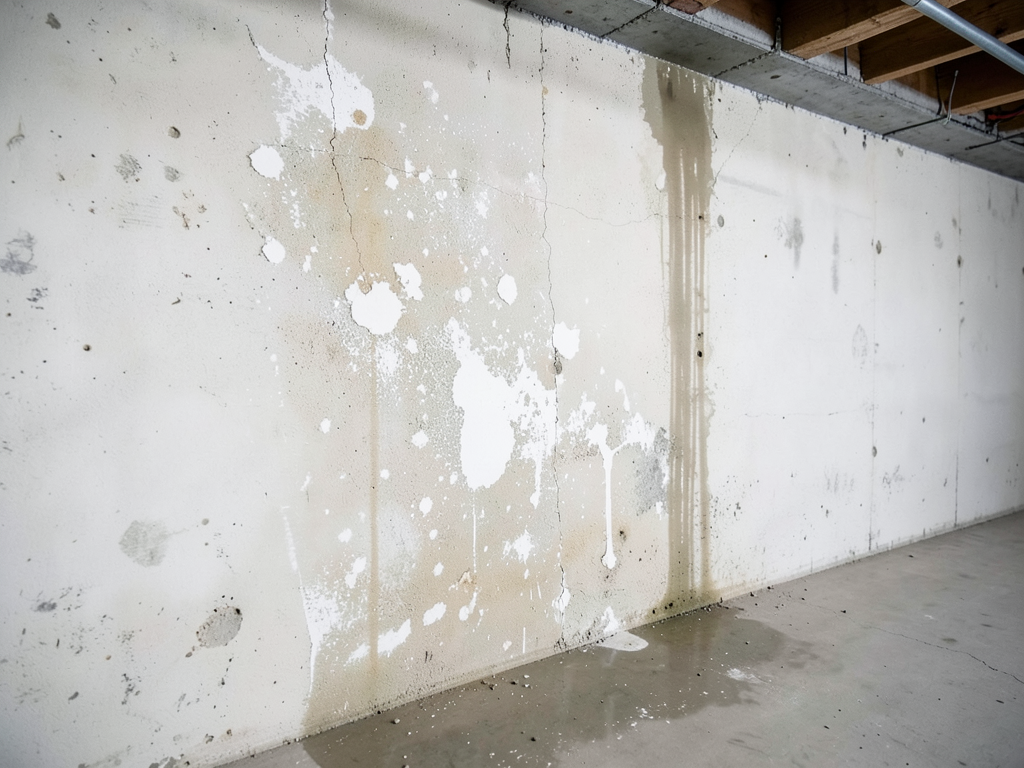
Second check your basement walls for efflorescence. This white powdery substance appears when water moves through concrete blocks carrying dissolved minerals that leave deposits on the surface. Efflorescence means water is already penetrating your foundation walls.. Read more about How to stop your basement window wells from turning into fish tanks during a Grain Valley downpour.
Third watch for foundation cracks that appear or widen after rainy periods. These cracks often start as hairline fractures but can grow to allow significant water intrusion. According to the International Residential Code Section R405 basement walls must resist lateral earth and water pressure to maintain structural integrity.
Addressing these signs early can prevent costly foundation repairs that typically range from $5,000 to $20,000 according to HomeAdvisor’s 2026 cost data.
The hidden cost of soggy yards: foundation damage you can’t see
Foundation damage from poor drainage often starts beneath the surface where you can’t see it. By the time visible signs appear the damage may be extensive and expensive to repair.
Hydrostatic pressure from saturated soil can exert up to 60 pounds per square foot against your foundation walls according to engineering studies. This constant pressure causes walls to bow inward creating structural weakness that compromises your home’s stability.
Water that enters through foundation cracks carries dissolved minerals and soil particles. These deposits create pathways for future water intrusion even after the initial crack is repaired. The EPA’s moisture control guidelines warn that persistent moisture creates ideal conditions for mold growth within 24 to 48 hours.
The freeze-thaw cycle common in Kansas City winters makes the problem worse. Water trapped in foundation cracks expands when it freezes pushing cracks wider. This cycle repeats every winter widening cracks and allowing more water intrusion each spring.
Foundation damage also affects your home’s resale value. Buyers and home inspectors look for signs of water damage and foundation issues. A history of basement flooding or visible foundation cracks can reduce your home’s market value by 10% to 30% according to real estate market analysis.
Five drainage solutions that protect Westwood foundations
Fixing drainage problems requires understanding your specific yard conditions and choosing the right solution. Here are five proven methods that work well in Westwood’s clay soil conditions.
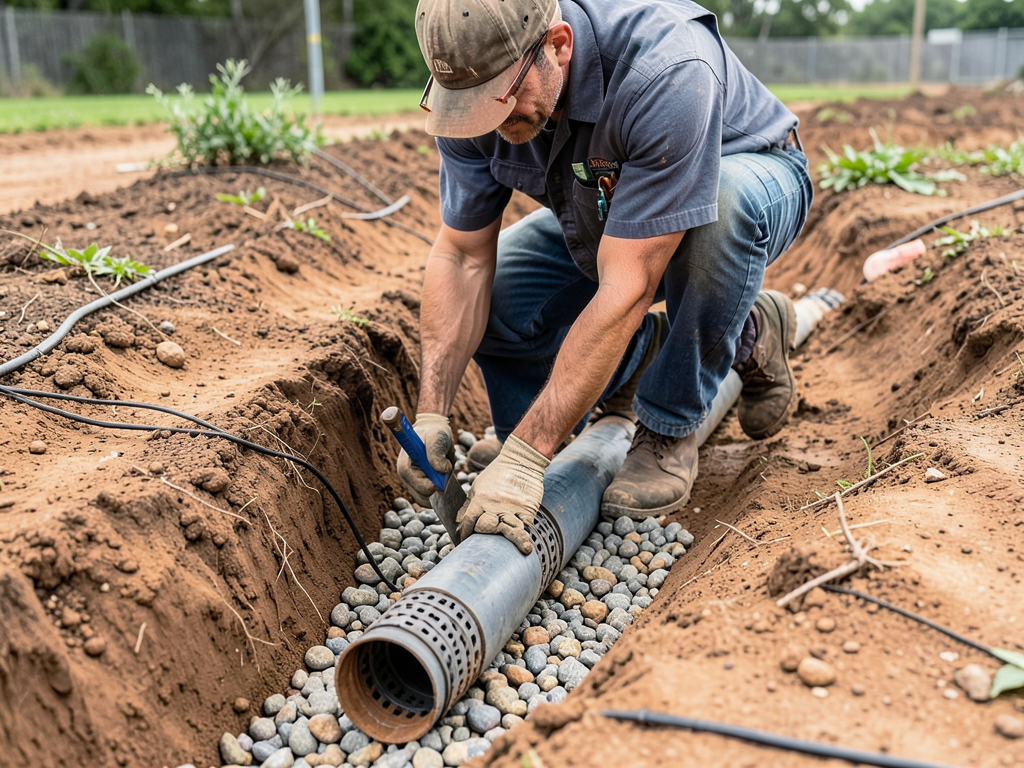
French drains provide the most comprehensive solution for chronic drainage problems. These systems use perforated pipes buried in gravel trenches to collect and redirect subsurface water away from your foundation. The pipes typically run 18 to 24 inches deep and slope away from your home at a minimum 1% grade.
Sump pump systems work best for basements that already experience water intrusion. These pumps collect water from foundation drains and eject it away from your home. Modern sump pumps include battery backup systems that keep working during power outages when you need them most.
Surface grading corrects the slope of your yard to direct water away from your foundation. The ground should slope away from your home at a rate of 6 inches over the first 10 feet according to building code requirements. This simple fix often solves minor drainage issues.
Downspout extensions carry roof water at least 10 feet away from your foundation. Many Westwood homes have downspouts that dump water directly against foundation walls. Extending these pipes underground prevents this concentrated water from saturating the soil near your foundation.
Window well drains prevent water from collecting in basement window wells. These drains connect to your foundation drainage system and prevent water from building up against basement windows where it can leak into your home.
How to diagnose your Westwood drainage problem
Before investing in drainage solutions you need to understand exactly what’s causing your soggy yard. Here’s how to diagnose the problem like a professional.
Start with a simple perc test to measure how quickly water drains through your soil. Dig a hole 12 inches deep and fill it with water. If the water remains after 24 hours you have a severe drainage problem that requires professional intervention.
Check your yard’s slope using a level and straight board. Place one end against your foundation and extend the board outward. If the board doesn’t show a downward slope of at least 2% you need to regrade your yard.
Examine your downspouts during the next rainstorm. Watch where water flows from each downspout. If water pools near your foundation or creates erosion channels you need downspout extensions or underground drainage pipes.
Look for signs of soil erosion around your foundation. Eroded soil creates low spots that collect water. These areas often indicate where water is already causing foundation problems.
Check your neighbor’s yard elevation. Water flows downhill so if your neighbor’s yard is higher than yours they may be directing water onto your property. This common problem in older Westwood neighborhoods requires drainage solutions that handle water from multiple properties.
The cost of doing nothing: foundation repair vs prevention
Many Westwood homeowners delay drainage improvements hoping the problem will fix itself. This decision often leads to much higher costs down the road.
Foundation repairs for water damage typically start at $5,000 for minor crack sealing and can exceed $20,000 for major structural repairs. These costs don’t include water damage restoration which averages $3,500 to $7,500 for basement flooding according to industry data.
Mold remediation adds another $2,000 to $6,000 to repair costs. The EPA warns that mold exposure can cause respiratory problems and other health issues making this more than just a property damage issue.
Preventative drainage improvements cost significantly less. A basic French drain system installation ranges from $2,000 to $8,000 depending on yard size and soil conditions. Sump pump installation with battery backup costs $1,500 to $3,500.
The return on investment for drainage improvements is substantial. Preventing one major foundation repair can save you $15,000 to $30,000. Plus you avoid the stress and disruption of major home repairs.
Consider this comparison of potential costs:
| Problem | Preventative Cost | Repair Cost | Difference |
|---|---|---|---|
| Minor drainage issues | $2,000 – $4,000 | $8,000 – $12,000 | Save $6,000 – $8,000 |
| Foundation cracks | $3,000 – $6,000 | $15,000 – $25,000 | Save $12,000 – $19,000 |
| Basement flooding | $4,000 – $8,000 | $10,000 – $20,000 | Save $6,000 – $12,000 |
Choosing the right drainage contractor in Westwood
Not all drainage contractors have the experience needed to solve Westwood’s unique soil and drainage challenges. Here’s what to look for when hiring a professional.
First verify they understand local soil conditions. Ask specifically about experience with Kansas City clay soil and how it affects drainage system design. Contractors unfamiliar with local conditions often recommend solutions that fail within a few years.
Second check their understanding of local building codes. The Kansas City, MO building code requires specific permits for foundation drainage work. A qualified contractor should know these requirements and handle permitting for you.
Third ask about their diagnostic process. Quality contractors perform thorough site evaluations including soil testing and drainage pattern analysis before recommending solutions. Avoid contractors who suggest solutions without understanding your specific conditions.
Fourth request references from Westwood homeowners with similar properties. Drainage solutions that work on one type of property may fail on another due to differences in soil, slope, and water flow patterns.
Finally verify their warranty terms. Quality drainage work should include at least a 5-year warranty on materials and workmanship. Be wary of contractors offering only 1-year warranties as this may indicate low confidence in their work quality.
Maintenance tips to keep your drainage system working
Even the best drainage system requires regular maintenance to function properly. Here are essential maintenance tasks that protect your foundation year-round.
Clean your gutters and downspouts twice yearly, in spring and fall. Clogged gutters overflow and direct water against your foundation walls. This simple task prevents many drainage problems.
Inspect your foundation drainage pipes annually. Look for signs of soil settlement, pipe damage, or plant root intrusion. Small problems caught early prevent major failures later.
Test your sump pump every three months by pouring water into the sump pit. The pump should activate automatically and eject water away from your home. Replace backup batteries every two years even if they seem to be working.
Check window well covers seasonally. These covers prevent debris from clogging window well drains and keep water from accumulating against basement windows.
Monitor your yard’s grade after heavy rains. Soil settles over time creating low spots that collect water. Add soil to maintain proper slope away from your foundation.
Consider installing a water alarm in your basement. These devices detect water accumulation and alert you before minor leaks become major flooding events.
Frequently Asked Questions
How long should water stay in my yard after it rains?
Water should drain from your yard within 24 to 48 hours after rain stops. If water remains longer you likely have a drainage problem that needs attention.
Can I fix drainage problems myself or do I need a professional?
Minor grading issues and downspout extensions can be DIY projects. However foundation drainage systems, French drains, and major regrading typically require professional equipment and expertise to ensure proper function.
How much does foundation drainage repair cost in Westwood?
Costs vary widely based on the solution needed. Simple downspout extensions cost $150 to $300 while comprehensive French drain systems range from $2,000 to $8,000. Most homeowners spend $3,000 to $5,000 for effective drainage improvements.
Will improving drainage increase my home’s value?
Yes. Proper drainage protects your foundation and prevents water damage that can reduce home value by 10% to 30%. Buyers view good drainage as a valuable asset when evaluating properties.
How do I know if my foundation already has water damage?
Look for cracks in foundation walls, efflorescence on basement walls, musty odors, or water stains. If you notice these signs have a professional inspection to assess the extent of damage and recommend repairs.
Protect your Westwood home before the next storm hits
Standing water in your yard isn’t just a landscaping nuisance. It’s a serious threat to your home’s foundation that worsens with every rainstorm. The combination of Kansas City’s clay soil and Westwood’s older properties creates perfect conditions for foundation damage.
You don’t have to wait for visible foundation cracks or basement flooding to take action. A professional drainage assessment can identify problems early when solutions are simpler and less expensive.
Call (816) 473-3833 today to schedule your drainage inspection. Our local experts understand Westwood’s unique soil conditions and can recommend solutions that protect your foundation for years to come. Don’t let the next storm cause damage that costs thousands to repair.
Pick up the phone and call (816) 473-3833 before the next heavy rain turns your yard into a water trap that threatens your home’s foundation.
{
“@context”: “https://schema.org”,
“@type”: “BlogPosting”,
“headline”: “Why your Westwood yard stays soggy after it rains and how it hurts your foundation”,
“description”: “Discover why Westwood yards stay soggy after rain and the foundation damage it causes. Learn about local drainage solutions and how to protect your Kansas City home.”,
“wordCount”: 2191,
“datePublished”: “2026-03-24T13:58:00.000Z”,
“dateModified”: “2026-03-24T13:58:00.000Z”,
“inLanguage”: “en-US”,
“mainEntityOfPage”: {
“@type”: “WebPage”,
“@id”: “https://apluswaterdamagerestorationkansascity.com”
},
“publisher”: {
“@type”: “LocalBusiness”,
“name”: “A Plus Water Damage Restoration Kansas City”,
“url”: “https://apluswaterdamagerestorationkansascity.com”
},
“author”: {
“@type”: “Organization”,
“name”: “A Plus Water Damage Restoration Kansas City”,
“url”: “https://apluswaterdamagerestorationkansascity.com”
},
“image”: {
“@type”: “ImageObject”,
“url”: “https://apluswaterdamagerestorationkansascity.com/wp-content/uploads/2026/03/why-your-westwood-yard-stays-soggy-after-it-rains-1.png”
}
}
{
“@context”: “https://schema.org”,
“@type”: “LocalBusiness”,
“name”: “A Plus Water Damage Restoration Kansas City”,
“url”: “https://apluswaterdamagerestorationkansascity.com”,
“address”: {
“@type”: “PostalAddress”,
“addressLocality”: “Kansas City”
},
“areaServed”: {
“@type”: “City”,
“name”: “Kansas City”
}
}
{
“@context”: “https://schema.org”,
“@type”: “FAQPage”,
“mainEntity”: [
{
“@type”: “Question”,
“name”: “How long should water stay in my yard after it rains?”,
“acceptedAnswer”: {
“@type”: “Answer”,
“text”: “Water should drain from your yard within 24 to 48 hours after rain stops. If water remains longer you likely have a drainage problem that needs attention.”
}
},
{
“@type”: “Question”,
“name”: “Can I fix drainage problems myself or do I need a professional?”,
“acceptedAnswer”: {
“@type”: “Answer”,
“text”: “Minor grading issues and downspout extensions can be DIY projects. However foundation drainage systems, French drains, and major regrading typically require professional equipment and expertise to ensure proper function.”
}
},
{
“@type”: “Question”,
“name”: “How much does foundation drainage repair cost in Westwood?”,
“acceptedAnswer”: {
“@type”: “Answer”,
“text”: “Costs vary widely based on the solution needed. Simple downspout extensions cost $150 to $300 while comprehensive French drain systems range from $2,000 to $8,000. Most homeowners spend $3,000 to $5,000 for effective drainage improvements.”
}
},
{
“@type”: “Question”,
“name”: “Will improving drainage increase my home’s value?”,
“acceptedAnswer”: {
“@type”: “Answer”,
“text”: “Yes. Proper drainage protects your foundation and prevents water damage that can reduce home value by 10% to 30%. Buyers view good drainage as a valuable asset when evaluating properties.”
}
},
{
“@type”: “Question”,
“name”: “How do I know if my foundation already has water damage?”,
“acceptedAnswer”: {
“@type”: “Answer”,
“text”: “Look for cracks in foundation walls, efflorescence on basement walls, musty odors, or water stains. If you notice these signs have a professional inspection to assess the extent of damage and recommend repairs.”
}
}
]
}
{
“@context”: “https://schema.org”,
“@type”: “BreadcrumbList”,
“itemListElement”: [
{
“@type”: “ListItem”,
“position”: 1,
“name”: “Home”,
“item”: “https://apluswaterdamagerestorationkansascity.com”
},
{
“@type”: “ListItem”,
“position”: 2,
“name”: “Blog”,
“item”: “https://apluswaterdamagerestorationkansascity.com/blog”
},
{
“@type”: “ListItem”,
“position”: 3,
“name”: “Why your Westwood yard stays soggy after it rains and how it hurts your foundation”
}
]
}
{
“@context”: “https://schema.org”,
“@type”: “Service”,
“serviceType”: “Water Damage Restoration”,
“provider”: {
“@type”: “LocalBusiness”,
“name”: “A Plus Water Damage Restoration Kansas City”,
“url”: “https://apluswaterdamagerestorationkansascity.com”
},
“areaServed”: {
“@type”: “City”,
“name”: “Kansas City”
},
“description”: “Discover why Westwood yards stay soggy after rain and the foundation damage it causes. Learn about local drainage solutions and how to protect your Kansas City home.”
}