
Why your Lenexa outdoor faucet could be a ticking time bomb this winter
Your outdoor faucet in Lenexa is more dangerous than you think. When temperatures drop below freezing, the water trapped inside your hose bib can expand and crack the pipe. Most homeowners don’t realize the damage happens inside the wall where you can’t see it. By the time you notice low water pressure or see water pooling near your foundation, the damage has already spread to your basement or crawlspace. What to do when your Overland Park basement floods during a storm.
Lenexa’s winter weather creates the perfect conditions for pipe bursts. The area experiences freeze-thaw cycles that put stress on copper pipes. When a sudden cold snap hits after a warm spell, water inside unprotected faucets can freeze within hours. The result is often a split copper pipe that leaks for weeks before anyone notices. Dealing with a burst pipe in the Northland (Emergency repair and drying).
The real danger isn’t just the broken faucet. Water from a burst pipe travels behind walls and under floors. It soaks into insulation, drywall, and wooden framing. Within 24 to 48 hours, mold begins growing in the damp spaces. What starts as a simple plumbing repair becomes a major water damage restoration project costing thousands of dollars. Water Stains on Drywall.
This guide shows you how to spot the warning signs, what to do when a pipe bursts, and why Lenexa homeowners need to act fast. We’ll cover the specific risks in your area, the repair process, and how to prevent costly damage to your home. Water Damage Restoration Harrisonville.
Signs your outdoor spigot is frozen or burst
Water won’t flow when you turn the handle. This is the most obvious sign. If no water comes out of your outdoor faucet but your indoor plumbing works fine, the pipe is likely frozen somewhere between the valve and the spigot.
You see ice or frost on the faucet itself. Visible ice means water inside has frozen solid. The expansion can crack the brass housing or split the copper pipe behind it.
Water pressure drops when you use the outdoor faucet. A small crack in the pipe creates a leak that reduces water flow. You might notice the pressure gets weaker over several days.
You hear dripping sounds inside your walls near the faucet. Water escaping from a cracked pipe sounds like a faint tapping or dripping noise. This often happens in finished basements where the pipe runs through interior walls.
You notice water stains on interior walls or ceilings. A burst pipe inside the wall assembly leaks water that travels along framing members. The first visible sign is often a yellowish stain on drywall or ceiling panels.
Lenexa-specific risk factors: Many homes in the 66214 and 66215 zip codes were built with standard sillcocks that lack frost protection. The area’s clay soil holds moisture against foundations, increasing freeze risk. Homes near the Indian Creek floodway experience more severe freeze-thaw cycles due to the waterway’s temperature moderating effect.
Immediate steps what to do when a hose bib bursts
Shut off the water supply immediately. Find the indoor shut-off valve that controls your outdoor faucet. In most Lenexa homes, this valve is located in the basement or crawlspace on the pipe leading to the outside faucet. Turn the valve clockwise until it stops.
Open the outdoor faucet to drain remaining water. This relieves pressure in the line and prevents further leaking. Leave the faucet open until no more water drips out.
Check for visible water damage inside your home. Look at the ceiling, walls, and floor near where the outdoor faucet connects to your plumbing. Use a flashlight to inspect corners and along baseboards.
Place buckets or towels to catch dripping water. If water is actively leaking, contain it to prevent damage to flooring and furniture. Change towels frequently to avoid water spreading.
Call a professional immediately. Time matters when dealing with burst pipes. Water continues damaging your home every minute it flows. A restoration company can arrive within hours to begin water extraction and drying.
Emergency contact: Call (816) 473-3833 for 24/7 emergency response in Lenexa and surrounding Johnson County areas.
The repair process professional vs DIY
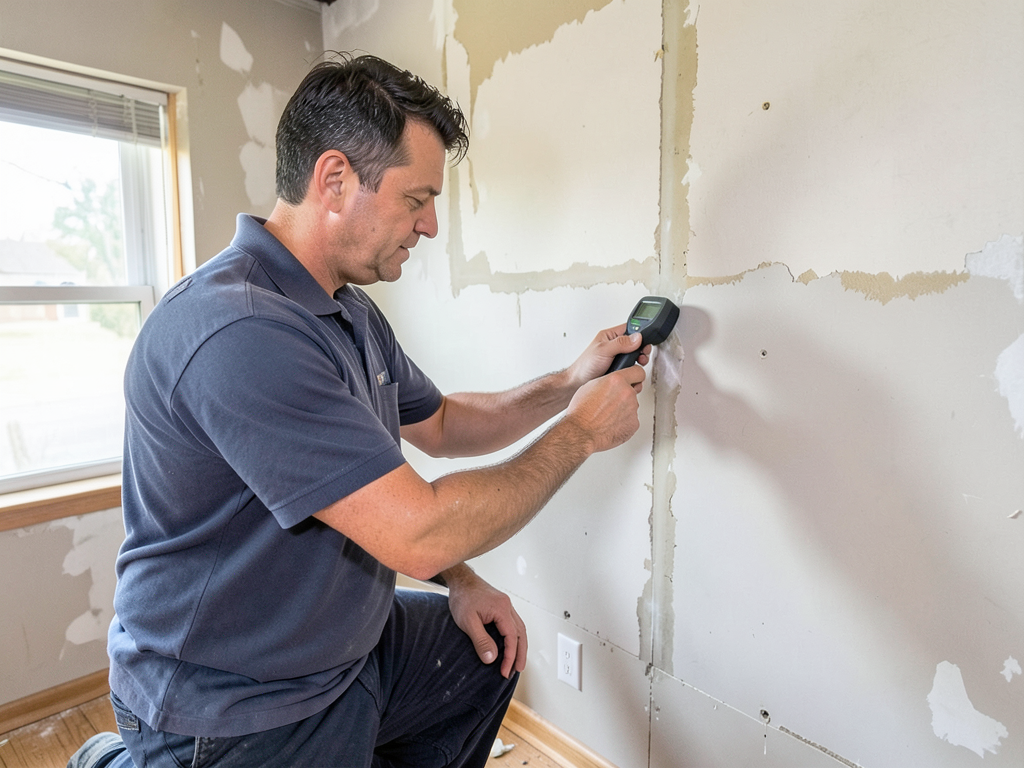
Professional repair involves removing the damaged sillcock and inspecting the surrounding wall cavity. Technicians use moisture meters to detect hidden water in insulation and framing. They often find that what looks like a simple faucet replacement requires cutting into walls to access split pipes.
DIY repair attempts often fail because homeowners can’t see the full extent of damage. A cracked pipe inside the wall continues leaking even after you replace the visible faucet. Water trapped in insulation creates perfect conditions for mold growth.
Professional restoration includes water extraction using commercial-grade pumps and vacuums. Technicians set up industrial dehumidifiers and air movers to dry affected areas. They monitor moisture levels daily with specialized meters until materials return to normal moisture content. Specialized commercial water damage restoration for Kansas City business owners.
The complete process typically takes 3 to 5 days for minor damage. Severe cases involving soaked insulation or damaged subflooring may require a week or more. During this time, technicians may need to remove sections of drywall to access wet materials behind walls.
Cost factors vary widely. A simple sillcock replacement runs $150 to $300. Water damage restoration for a small area starts around $1,200. Extensive damage affecting multiple rooms can exceed $5,000. Insurance often covers sudden pipe bursts but may deny claims for neglected maintenance issues.
Why Kansas City winters are brutal on plumbing
Lenexa sits in USDA hardiness zone 6a, where winter temperatures regularly drop below 0°F. The frost line in Johnson County extends 30 to 36 inches underground, deeper than many homeowners realize. Pipes buried above this depth are vulnerable to freezing.
The area experiences rapid temperature swings common to the Midwest. A 40-degree drop in 24 hours puts extreme stress on metal pipes. Copper expands and contracts with temperature changes, weakening over time.
Lenexa’s clay soil retains moisture against foundation walls. When this moisture freezes, it expands and puts pressure on pipes. The combination of soil movement and temperature stress often causes pipes to fail at their weakest points.
According to the National Weather Service, the Kansas City metro area averages 18 days per year with temperatures below 20°F. Most pipe bursts occur during the first hard freeze of the season when homeowners haven’t taken winter precautions. National Weather Service.
Water damage mitigation and structural drying
Water damage mitigation follows IICRC S500 standards for professional restoration. The process begins with water extraction using truck-mounted or portable extraction units. These remove standing water faster than household wet vacuums. IICRC S500 standards.
Structural drying involves placing commercial dehumidifiers and high-velocity air movers throughout affected areas. Technicians calculate the exact number of equipment units needed based on cubic footage and moisture levels. They create a drying plan that ensures all materials return to safe moisture content.
Moisture detection uses penetrating and non-penetrating moisture meters. Technicians test multiple depths in walls, floors, and ceilings. They also use infrared cameras to identify temperature differences that indicate hidden moisture pockets.
Content manipulation protects your belongings during restoration. Technicians move furniture to dry areas or place it on blocks. They may set up containment barriers to prevent dust and debris from spreading to unaffected rooms.
Demolition only occurs when necessary to access wet materials or prevent mold growth. Technicians cut drywall strategically to minimize repair costs. They dispose of contaminated materials following local regulations for construction debris.
Monitoring continues throughout the drying process. Technicians take moisture readings twice daily and adjust equipment placement as needed. They document progress with photos and moisture maps to ensure complete drying.
Preventing frozen pipes in Lenexa homes
Install frost-proof sillcocks that extend the valve mechanism into the heated space of your home. These faucets have a long stem that places the actual water shut-off point inside your basement or crawlspace where temperatures stay above freezing.
Disconnect garden hoses before the first freeze. Water trapped in hoses can back up into the faucet and freeze. Even frost-proof models fail if a hose holds water against the valve.
Install faucet covers on outdoor spigots. These insulated covers provide an extra layer of protection during extreme cold snaps. They’re inexpensive and easy to install but must be removed in spring to prevent moisture buildup.
Let indoor faucets drip during severe cold weather. Moving water freezes more slowly than standing water. A slow drip from faucets on exterior walls can prevent freezing in vulnerable pipes.
Seal gaps around pipes where they enter your home. Cold air drafts can freeze pipes near foundation walls. Use expanding foam or caulk to close openings around plumbing penetrations.
Consider heat tape for pipes in unheated spaces. This electrical heating cable wraps around vulnerable pipes and maintains temperatures above freezing. Follow manufacturer instructions carefully to prevent fire hazards.
Insurance coverage for burst pipe damage
Most homeowners insurance policies cover sudden and accidental water damage from burst pipes. Coverage typically includes water extraction, structural drying, and repairs to damaged materials. However, policies often exclude damage from neglected maintenance or freezing due to lack of heat.
Document everything when you discover water damage. Take photos and videos of the damage before cleanup begins. Keep receipts for emergency services and temporary repairs. This documentation speeds up the claims process.
Notify your insurance company immediately after discovering damage. Most policies require prompt reporting of claims. Delays can result in denied coverage or reduced payouts.
Work with restoration companies that have experience with insurance claims. They can provide detailed documentation and communicate directly with adjusters. This expertise often results in faster approvals and better coverage.
Understand your deductible and coverage limits. Some policies have separate deductibles for water damage claims. Know what’s covered before you need it by reviewing your policy annually.
Lenexa building codes and plumbing requirements
Johnson County follows the 2021 International Plumbing Code with local amendments. The code requires frost-proof sillcocks for exterior hose connections in new construction. Existing homes are not required to upgrade but must meet safety standards when repairs are made.
Local plumbing permits are required for replacing exterior faucets that involve cutting into existing water lines. The permit ensures work meets code requirements and passes inspection. Unpermitted work can cause issues when selling your home.
Backflow prevention devices are required on outdoor faucets in commercial properties and some residential areas. These prevent contaminated water from flowing back into your drinking water supply. They add an extra layer of protection but require annual testing.
Local contractors must be licensed by the City of Lenexa for plumbing work. Verify licenses and insurance before hiring anyone to work on your home’s plumbing system.
When to call a professional immediately
Water is actively flowing from walls or ceilings. This indicates a major pipe break that requires emergency shut-off and professional extraction.
You smell musty odors coming from walls or floors. This often indicates active mold growth from a slow leak that’s been occurring for days or weeks.
Electrical outlets or appliances are near standing water. Water and electricity create serious safety hazards. Evacuate the area and call professionals immediately.
You discover water damage in multiple rooms. This suggests a main water line break rather than a localized issue. The problem requires immediate professional attention.
Your home has a slab foundation with water surfacing through cracks. Slab leaks can undermine your foundation and require specialized detection equipment.
Cost comparison: Prevention vs restoration
| Service | Average Cost | Prevention Value |
|---|---|---|
| Frost-proof sillcock installation | $150 – $300 | Prevents costly damage |
| Outdoor faucet cover | $5 – $15 | Minimal investment |
| Professional pipe insulation | $200 – $500 | Protects vulnerable areas |
| Water damage restoration (small area) | $1,200 – $3,000 | Emergency expense |
| Extensive water damage repair | $5,000 – $15,000 | Major financial impact |
| Mold remediation | $2,000 – $6,000 | Health and structural risk |
Frequently Asked Questions
How long does it take for a frozen pipe to burst?
A frozen pipe can burst within 6 to 12 hours of freezing temperatures, depending on the pipe’s location and insulation. The actual break often occurs during the thawing process when ice melts and water pressure increases.
Can I use a hairdryer to thaw a frozen outdoor faucet?
Yes, but use caution. Apply low heat slowly and keep the faucet open. Never use open flames or high heat that could damage the faucet or start a fire. If you don’t see improvement within 30 minutes, call a professional.
Will my homeowners insurance cover a burst outdoor faucet?
Most policies cover sudden and accidental water damage from burst pipes. However, coverage may be denied if the damage resulted from neglect or lack of maintenance. Check your specific policy details and document all damage thoroughly.
How can I tell if water damage is behind my walls?
Signs include water stains, bubbling paint, soft drywall, musty odors, and increased humidity in the room. A moisture meter can detect hidden water, but professional testing provides the most accurate results.
What should I do if I find water in my basement near an outdoor faucet?
Shut off the main water supply immediately, then call (816) 473-3833 for emergency water damage restoration. Don’t wait to see if it dries on its own. Hidden moisture causes mold growth within 24 to 48 hours.
Protect your Lenexa home this winter
Don’t wait for disaster to strike. A frozen outdoor faucet can turn into a flooded basement within hours. The cost of prevention is minimal compared to emergency restoration services.
Take action now by scheduling a winter plumbing inspection. A professional can identify vulnerable pipes, recommend appropriate upgrades, and help you avoid costly damage.
If you’ve already discovered water damage or suspect a frozen pipe, call (816) 473-3833 immediately. Our 24/7 emergency response team serves Lenexa and all of Johnson County with rapid water extraction and complete restoration services.
Pick up the phone and call (816) 473-3833 before the next cold snap hits. Your home deserves protection from Kansas City’s harsh winter weather.
{
“@context”: “https://schema.org”,
“@type”: “BlogPosting”,
“headline”: “Why your Lenexa outdoor faucet could be a ticking time bomb this winter”,
“description”: “Learn why Lenexa outdoor faucets freeze and burst during KC winters. Get emergency steps, repair costs, and local restoration services before water damage spreads.”,
“wordCount”: 2342,
“datePublished”: “2026-03-29T06:18:00.000Z”,
“dateModified”: “2026-03-29T06:18:00.000Z”,
“inLanguage”: “en-US”,
“mainEntityOfPage”: {
“@type”: “WebPage”,
“@id”: “https://apluswaterdamagerestorationkansascity.com”
},
“publisher”: {
“@type”: “LocalBusiness”,
“name”: “A Plus Water Damage Restoration Kansas City”,
“url”: “https://apluswaterdamagerestorationkansascity.com”
},
“author”: {
“@type”: “Organization”,
“name”: “A Plus Water Damage Restoration Kansas City”,
“url”: “https://apluswaterdamagerestorationkansascity.com”
},
“image”: {
“@type”: “ImageObject”,
“url”: “https://apluswaterdamagerestorationkansascity.com/wp-content/uploads/2026/03/why-your-lenexa-outdoor-faucet-could-be-a-ticking-1.png”
}
}
{
“@context”: “https://schema.org”,
“@type”: “LocalBusiness”,
“name”: “A Plus Water Damage Restoration Kansas City”,
“url”: “https://apluswaterdamagerestorationkansascity.com”,
“address”: {
“@type”: “PostalAddress”,
“addressLocality”: “Kansas City”
},
“areaServed”: {
“@type”: “City”,
“name”: “Kansas City”
}
}
{
“@context”: “https://schema.org”,
“@type”: “FAQPage”,
“mainEntity”: [
{
“@type”: “Question”,
“name”: “How long does it take for a frozen pipe to burst?”,
“acceptedAnswer”: {
“@type”: “Answer”,
“text”: “A frozen pipe can burst within 6 to 12 hours of freezing temperatures, depending on the pipe’s location and insulation. The actual break often occurs during the thawing process when ice melts and water pressure increases.”
}
},
{
“@type”: “Question”,
“name”: “Can I use a hairdryer to thaw a frozen outdoor faucet?”,
“acceptedAnswer”: {
“@type”: “Answer”,
“text”: “Yes, but use caution. Apply low heat slowly and keep the faucet open. Never use open flames or high heat that could damage the faucet or start a fire. If you don’t see improvement within 30 minutes, call a professional.”
}
},
{
“@type”: “Question”,
“name”: “Will my homeowners insurance cover a burst outdoor faucet?”,
“acceptedAnswer”: {
“@type”: “Answer”,
“text”: “Most policies cover sudden and accidental water damage from burst pipes. However, coverage may be denied if the damage resulted from neglect or lack of maintenance. Check your specific policy details and document all damage thoroughly.”
}
},
{
“@type”: “Question”,
“name”: “What should I do if I find water in my basement near an outdoor faucet?”,
“acceptedAnswer”: {
“@type”: “Answer”,
“text”: “Shut off the main water supply immediately, then call (816) 473-3833 for emergency water damage restoration. Don’t wait to see if it dries on its own. Hidden moisture causes mold growth within 24 to 48 hours.”
}
}
]
}
{
“@context”: “https://schema.org”,
“@type”: “BreadcrumbList”,
“itemListElement”: [
{
“@type”: “ListItem”,
“position”: 1,
“name”: “Home”,
“item”: “https://apluswaterdamagerestorationkansascity.com”
},
{
“@type”: “ListItem”,
“position”: 2,
“name”: “Blog”,
“item”: “https://apluswaterdamagerestorationkansascity.com/blog”
},
{
“@type”: “ListItem”,
“position”: 3,
“name”: “Why your Lenexa outdoor faucet could be a ticking time bomb this winter”
}
]
}
{
“@context”: “https://schema.org”,
“@type”: “Service”,
“serviceType”: “Water Damage Restoration”,
“provider”: {
“@type”: “LocalBusiness”,
“name”: “A Plus Water Damage Restoration Kansas City”,
“url”: “https://apluswaterdamagerestorationkansascity.com”
},
“areaServed”: {
“@type”: “City”,
“name”: “Kansas City”
},
“description”: “Learn why Lenexa outdoor faucets freeze and burst during KC winters. Get emergency steps, repair costs, and local restoration services before water damage spreads.”
}