
Water Damage Restoration & Wet Wall Stud Drying in Red Bridge Kansas City
Red Bridge homeowners often discover a troubling pattern after water damage. The drywall surface feels dry to the touch within days but the wooden wall studs behind it remain saturated with moisture. This hidden dampness creates perfect conditions for mold growth and structural weakening particularly in the humid Kansas City climate where moisture lingers longer than expected. Water Stains on Drywall.
Understanding why wall studs stay wet requires examining the physics of water absorption and the unique construction methods found in Red Bridge homes. Most houses built in this South Kansas City neighborhood feature mid-century ranch construction with 2×4 or 2×6 wood framing often with plaster or drywall over wood lath. When water infiltrates these walls the porous wood studs act like sponges drawing moisture deep into their cellular structure through capillary action.. Read more about How trapped water behind vinyl siding can rot your Blue Springs home from the outside in.
How to Identify Wet Wall Studs Signs of trapped moisture behind Red Bridge plaster or drywall
Surface dryness is misleading. A moisture meter reading at the drywall surface might show 12-15% moisture content but the wood studs behind it can register 25-30% or higher. This hidden moisture creates several diagnostic challenges for Red Bridge homeowners.
Common indicators include a musty odor that persists even after visible water is removed dark staining or discoloration that appears on walls days after the initial incident paint bubbling or peeling that occurs weeks after the water event and increased humidity levels in affected rooms that don’t normalize.
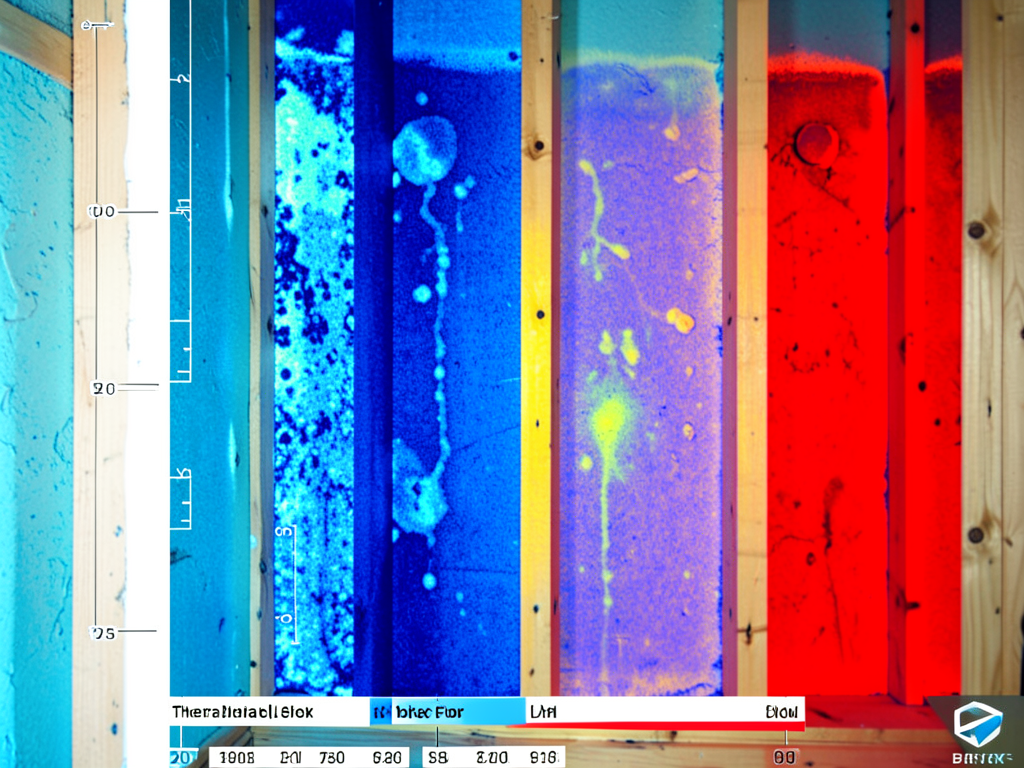
Professional moisture mapping using thermal imaging cameras reveals temperature variations that indicate hidden moisture. Wet wood studs appear cooler than dry materials because evaporating moisture absorbs heat energy. This diagnostic tool is essential for Red Bridge homes where water may have traveled along floor plates or sill plates before wicking up into wall cavities.
The Science of Structural Drying Why wall studs require specialized In-Place drying or Flood Cuts
Wood’s hygroscopic nature means it absorbs and releases moisture based on relative humidity levels. In Kansas City’s climate where summer humidity regularly exceeds 70% wood studs struggle to reach equilibrium moisture content quickly. The cellular structure of wood creates pathways for water to travel deep into the material far beyond what surface drying can address.. Read more about Cleanup and drying for fire sprinkler mishaps in Crossroads District commercial spaces.
Standard drying methods often fail because air movers cannot penetrate deep enough into wall cavities to reach the core of wet studs dehumidifiers work on the principle of removing moisture from the air but trapped moisture in wood releases slowly and without proper vapor pressure differential moisture remains locked in the wood structure.
Professional structural drying follows IICRC S500 standards which specify moisture content thresholds for different materials. For wood framing the standard requires reducing moisture content to 12-16% depending on the wood species and local climate conditions. In Red Bridge homes where Douglas fir and pine are common framing materials achieving these levels often requires specialized equipment. IICRC S500 standards.
Professional Drying Techniques for Red Bridge Wall Studs
Two primary methods exist for drying wall studs effectively. In-place drying with injection drying systems forces dry air into wall cavities through small access holes. Flood cuts remove the bottom 24 inches of drywall to create access for air circulation and dehumidification.
Injection drying involves drilling 3/8-inch holes at the top and bottom of affected walls then using specialized equipment to pump dehumidified air into the cavity. This creates positive pressure that forces moisture out through the opposite side. For Red Bridge homes with plaster walls this method often proves more effective than flood cuts since plaster removal is more invasive and costly. Specialized commercial water damage restoration for Kansas City business owners.
Flood cuts become necessary when moisture content exceeds 20% in wall studs Category 2 or 3 water contamination occurred visible mold growth is present on studs or structural integrity is compromised.
The Risks of Delay Mold growth and structural compromised wood in the humid Kansas City climate
Time is the enemy when wall studs remain wet. In Red Bridge’s climate mold can begin colonizing damp wood within 24-48 hours. The combination of warm temperatures and high humidity creates ideal conditions for fungal growth particularly Stachybotrys chartarum black mold and Aspergillus species.
Structural risks compound over time. Wood rot begins when moisture content exceeds 20% for extended periods termite activity increases in damp wood creating secondary infestation issues metal fasteners and connectors corrode when exposed to prolonged moisture and insulation loses R-value when wet increasing energy costs.
Building codes in Kansas City require replacement of any structural wood that has lost 20% or more of its original strength. This often occurs in studs that have been wet for weeks or months even if the surface appears intact. The International Residential Code IRC Section R318 addresses moisture protection requirements for wood framing emphasizing the importance of proper drying and treatment. International Residential Code Section R318.
Our Red Bridge Process From thermal imaging inspections to industrial-grade dehumidification
Professional water damage restoration in Red Bridge homes follows a systematic approach that addresses both visible and hidden moisture. Our process begins with comprehensive moisture mapping using FLIR thermal imaging cameras and penetrating moisture meters that can read through multiple material layers. FLIR thermal imaging cameras.
The diagnostic phase includes thermal imaging to identify temperature anomalies indicating moisture pin-type moisture meters to measure actual moisture content in wood relative humidity and temperature monitoring to establish drying goals and visual inspection for signs of microbial growth or structural damage.
Drying equipment selection depends on the severity of saturation and the construction type. For Red Bridge homes we typically deploy LGR Low Grain Refrigerant dehumidifiers capable of removing 20-30 gallons of water per day high-velocity air movers creating 3000+ CFM airflow for rapid evaporation desiccant dehumidifiers for extreme moisture conditions or cold weather and heat drying systems that raise wall cavity temperatures to accelerate evaporation.
Monitoring continues throughout the drying process with daily moisture readings to track progress. We document all readings and provide homeowners with detailed reports showing the reduction in moisture content over time ensuring compliance with industry standards and insurance requirements.
Local Emergency Response Why 24/7 proximity to the Red Bridge Shopping Center/Blue River area matters for preventing long-term damage
Red Bridge’s location in South Kansas City creates specific challenges during water emergencies. The neighborhood’s proximity to the Blue River means many homes sit on soil with high clay content which can affect drainage patterns and foundation moisture levels. Additionally the area’s aging infrastructure in some sections means older plumbing systems are more prone to failure.
Quick response times are critical because water spreads rapidly through wall cavities especially in homes with balloon framing common in mid-century construction humidity levels in Red Bridge can remain elevated for days after rain events slowing natural drying and local building materials respond differently to moisture than materials in other regions.
Our team maintains 24/7 emergency response capability with technicians stationed throughout the Red Bridge area. This proximity allows us to arrive within 60 minutes of your call assess the situation and begin emergency mitigation before secondary damage occurs.
Local knowledge matters when dealing with Red Bridge’s specific construction patterns. Many homes in the 64131 and 64137 zip codes feature similar framing techniques insulation types and moisture barriers. Understanding these local construction nuances allows us to develop more effective drying strategies tailored to your specific home. Dealing with a burst pipe in the Northland (Emergency repair and drying).
Preventing Future Wall Stud Moisture Problems in Red Bridge Homes
While emergency response is crucial prevention remains the best strategy for protecting your home’s structural integrity. Red Bridge homeowners can take several steps to reduce the risk of wall stud moisture problems.
Install water leak detection systems that can shut off supply lines automatically maintain proper grading around your foundation to direct water away from walls clean gutters and downspouts regularly to prevent overflow into wall cavities inspect plumbing fixtures and supply lines annually for signs of wear and consider vapor barriers in crawl spaces to prevent ground moisture migration.
Regular home maintenance should include checking for signs of moisture intrusion particularly after heavy rains or rapid temperature changes. Red Bridge’s climate creates conditions where condensation can form on cold water pipes or exterior walls leading to hidden moisture problems over time. Why you should not ignore that musty smell in your Olathe basement.
For homes with finished basements proper dehumidification becomes essential. Maintaining indoor humidity between 30-50% helps prevent both excessive moisture absorption by wood and the conditions that promote mold growth. Whole-house dehumidification systems can be particularly beneficial for Red Bridge homes where basement finishing is common. What to do when your Overland Park basement floods during a storm.
Understanding your home’s construction history also helps prevent moisture problems. Many Red Bridge homes built in the 1950s-1970s used building practices that differ from modern standards. Knowing when your home was built and what materials were used helps identify potential vulnerability points for moisture intrusion.
If you suspect your wall studs remain wet after a water incident don’t wait for visible signs of damage to appear. Professional moisture assessment can identify problems while they’re still manageable potentially saving thousands in repair costs and preventing health hazards from mold growth.. Read more about Saving designer grasscloth and high-end wallpaper in Mission Hills after a water leak.
Call (816) 473-3833 today to schedule your moisture inspection. Our Red Bridge-based technicians understand the unique challenges of Kansas City’s climate and construction methods ensuring your home receives the specialized care it needs to remain safe and structurally sound.
Frequently Asked Questions
How long does it take for wall studs to dry completely?
Wall studs typically require 3-7 days to dry to acceptable moisture content levels using professional equipment. The exact timeframe depends on the extent of saturation wall construction type and ambient conditions. Red Bridge’s humid climate often extends drying times compared to drier regions.
Can I dry wall studs myself with fans and dehumidifiers?
Consumer-grade equipment lacks the power and precision needed to effectively dry wall studs. Professional restoration equipment removes 10-20 times more moisture per day than typical home dehumidifiers. Without proper moisture monitoring you risk leaving hidden moisture that causes long-term damage.
What moisture content percentage is considered safe for wall studs?
For wood studs in Kansas City’s climate moisture content should be reduced to 12-16% according to IICRC S500 standards. Levels above 20% create conditions favorable for mold growth and wood rot while content above 28% indicates severe saturation requiring immediate professional intervention.
Will my insurance cover professional drying of wall studs?
Most homeowners insurance policies cover water damage restoration when the cause is sudden and accidental such as burst pipes or appliance failures. Coverage for gradual moisture problems or maintenance-related issues varies by policy. We work with all major insurance providers and can help document the necessary restoration work.
You may also find this helpful. How to dry out a flooded garage in Basehor before the moisture ruins your tools and drywall.
You may also find this helpful. Will my cupped hardwood floors ever flatten out after a leak in Brookside?.
You may also find this helpful. Buying a fixer-upper in Independence? (Look for these hidden water damage signs first).
You may also find this helpful. Dealing with attic condensation and mystery ceiling spots in Lee’s Summit.
{
“@context”: “https://schema.org”,
“@type”: “BlogPosting”,
“headline”: “Why the wood studs inside your Red Bridge walls stay wet long after the drywall feels dry”,
“description”: “Discover why Red Bridge wall studs stay wet after water damage and how local building codes, climate, and construction methods create hidden moisture risks.”,
“wordCount”: 1797,
“datePublished”: “2026-05-23T14:51:00.000Z”,
“dateModified”: “2026-05-23T14:51:00.000Z”,
“inLanguage”: “en-US”,
“mainEntityOfPage”: {
“@type”: “WebPage”,
“@id”: “https://apluswaterdamagerestorationkansascity.com”
},
“publisher”: {
“@type”: “LocalBusiness”,
“name”: “A Plus Water Damage Restoration Kansas City”,
“url”: “https://apluswaterdamagerestorationkansascity.com”
},
“author”: {
“@type”: “Organization”,
“name”: “A Plus Water Damage Restoration Kansas City”,
“url”: “https://apluswaterdamagerestorationkansascity.com”
},
“image”: {
“@type”: “ImageObject”,
“url”: “https://apluswaterdamagerestorationkansascity.com/wp-content/uploads/2026/03/why-the-wood-studs-inside-your-red-bridge-walls-st-1.png”
}
}
{
“@context”: “https://schema.org”,
“@type”: “LocalBusiness”,
“name”: “A Plus Water Damage Restoration Kansas City”,
“url”: “https://apluswaterdamagerestorationkansascity.com”,
“address”: {
“@type”: “PostalAddress”,
“addressLocality”: “Kansas City”
},
“areaServed”: {
“@type”: “City”,
“name”: “Kansas City”
}
}
{
“@context”: “https://schema.org”,
“@type”: “FAQPage”,
“mainEntity”: [
{
“@type”: “Question”,
“name”: “How long does it take for wall studs to dry completely?”,
“acceptedAnswer”: {
“@type”: “Answer”,
“text”: “Wall studs typically require 3-7 days to dry to acceptable moisture content levels using professional equipment. The exact timeframe depends on the extent of saturation wall construction type and ambient conditions. Red Bridge’s humid climate often extends drying times compared to drier regions.”
}
},
{
“@type”: “Question”,
“name”: “Can I dry wall studs myself with fans and dehumidifiers?”,
“acceptedAnswer”: {
“@type”: “Answer”,
“text”: “Consumer-grade equipment lacks the power and precision needed to effectively dry wall studs. Professional restoration equipment removes 10-20 times more moisture per day than typical home dehumidifiers. Without proper moisture monitoring you risk leaving hidden moisture that causes long-term damage.”
}
},
{
“@type”: “Question”,
“name”: “What moisture content percentage is considered safe for wall studs?”,
“acceptedAnswer”: {
“@type”: “Answer”,
“text”: “For wood studs in Kansas City’s climate moisture content should be reduced to 12-16% according to IICRC S500 standards. Levels above 20% create conditions favorable for mold growth and wood rot while content above 28% indicates severe saturation requiring immediate professional intervention.”
}
},
{
“@type”: “Question”,
“name”: “Will my insurance cover professional drying of wall studs?”,
“acceptedAnswer”: {
“@type”: “Answer”,
“text”: “Most homeowners insurance policies cover water damage restoration when the cause is sudden and accidental such as burst pipes or appliance failures. Coverage for gradual moisture problems or maintenance-related issues varies by policy. We work with all major insurance providers and can help document the necessary restoration work.”
}
}
]
}
{
“@context”: “https://schema.org”,
“@type”: “BreadcrumbList”,
“itemListElement”: [
{
“@type”: “ListItem”,
“position”: 1,
“name”: “Home”,
“item”: “https://apluswaterdamagerestorationkansascity.com”
},
{
“@type”: “ListItem”,
“position”: 2,
“name”: “Blog”,
“item”: “https://apluswaterdamagerestorationkansascity.com/blog”
},
{
“@type”: “ListItem”,
“position”: 3,
“name”: “Why the wood studs inside your Red Bridge walls stay wet long after the drywall feels dry”
}
]
}
{
“@context”: “https://schema.org”,
“@type”: “Service”,
“serviceType”: “Water Damage Restoration”,
“provider”: {
“@type”: “LocalBusiness”,
“name”: “A Plus Water Damage Restoration Kansas City”,
“url”: “https://apluswaterdamagerestorationkansascity.com”
},
“areaServed”: {
“@type”: “City”,
“name”: “Kansas City”
},
“description”: “Discover why Red Bridge wall studs stay wet after water damage and how local building codes, climate, and construction methods create hidden moisture risks.”
}