Why IICRC certification matters for your Kansas City water damage project
When water floods your Kansas City basement or seeps through your ceiling after a storm, you need more than just a cleanup crew. You need certified professionals who understand the science of structural drying and the specific challenges of our local climate. IICRC certification isn’t just a badge – it’s your guarantee that your property will be restored to pre-loss condition using proven, industry-standard methods. IICRC official website.
Water damage in Kansas City presents unique challenges. Our clay-heavy soil expands and contracts with moisture changes, putting pressure on foundations. Our humid summers create perfect conditions for mold growth within 24-48 hours of water exposure. And our aging infrastructure means many homes have hidden plumbing issues that can turn a small leak into a major restoration project.
The science behind professional water restoration
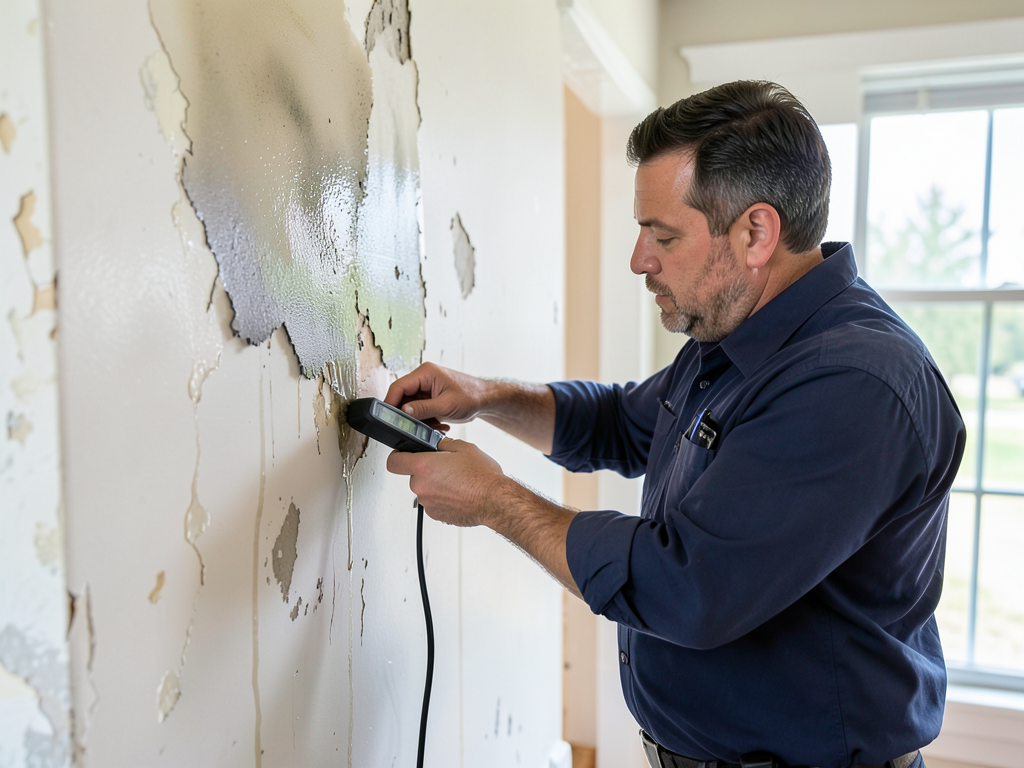
Certified technicians use psychrometry – the science of drying – to determine exactly how much equipment is needed and where to place it. They measure moisture in materials, calculate vapor pressure differentials, and create drying plans that prevent secondary damage like warped wood or crumbling drywall.
Without proper certification, contractors might simply extract visible water and set up a few fans. This approach leaves moisture trapped in wall cavities, under flooring, and in structural components. That hidden moisture becomes a breeding ground for mold and can compromise your home’s structural integrity over time.
IICRC S500 standards: Your protection guarantee
The Institute of Inspection, Cleaning and Restoration Certification (IICRC) developed the S500 Standard for Professional Water Damage Restoration. This document outlines specific procedures for handling different categories of water damage, from clean water from a broken supply line to contaminated water from sewage backups.
Certified firms follow these standards because they understand that proper restoration isn’t just about appearance – it’s about creating a safe, healthy living environment. They use moisture meters, thermal imaging cameras, and hygrometers to verify that materials have returned to acceptable moisture content levels before considering the job complete.
Local expertise meets national standards
Kansas City’s unique combination of clay soil, high humidity, and temperature extremes requires specialized knowledge. Certified technicians understand how our local conditions affect the drying process. They know that a home in Overland Park might have different moisture issues than a property in the River Market area due to variations in soil composition and building age. What to do when your Overland Park basement floods during a storm.
Local certification also means understanding Kansas City’s building codes and permit requirements. When structural repairs are needed, certified contractors know exactly what documentation and inspections are required to bring your property back to code compliance. EPA mold guidelines.
The equipment advantage
Professional water restoration requires specialized equipment that most homeowners and general contractors don’t own or know how to operate properly. Certified firms invest in industrial-grade dehumidifiers, air movers, and specialty drying systems like injectidry equipment for wall cavities. Specialized commercial water damage restoration for Kansas City business owners.
They also use HEPA air scrubbers to filter out mold spores and other contaminants during the drying process. This equipment isn’t just about speed – it’s about creating the right conditions to prevent secondary damage and ensure complete restoration.
Insurance claim navigation
Insurance companies prefer working with IICRC-certified firms because they provide detailed documentation that supports your claim. Certified technicians create moisture maps, take daily readings, and provide written reports that show exactly what was damaged and how it was restored. Retail Store Water Cleanup.
This documentation often means faster claim approvals and fewer disputes about the scope of necessary repairs. It also protects you from contractors who might cut corners to save time or money at your expense.
Health and safety considerations
Category 3 water damage – which includes sewage backups and floodwater – requires specific safety protocols that uncertified contractors might not follow. Certified technicians wear appropriate personal protective equipment, use proper containment procedures, and dispose of contaminated materials according to EPA guidelines.
They also understand the health risks associated with mold exposure and take appropriate precautions to protect your family during the restoration process. This includes setting up containment barriers and using negative air pressure to prevent the spread of contaminants.
Time is critical: The 72-hour window
Water damage follows a predictable timeline. Within the first 24 hours, drywall begins to swell and break down. Metal surfaces start to tarnish. Furniture can crack or warp. Musty odors appear. After 48 hours, mold can begin to grow on damp surfaces.
Within 72 hours, the damage becomes much more extensive and expensive to repair. That’s why certified firms offer 24/7 emergency response. They understand that every hour counts when it comes to minimizing damage and preventing secondary issues.
Verification and testing
Certified restoration isn’t complete until thorough testing confirms that all moisture has been removed and that no secondary damage has occurred. This includes using moisture meters to verify that materials have returned to normal moisture content levels and conducting visual inspections for signs of mold or structural compromise.
They also test indoor air quality to ensure that the restoration process hasn’t created any new health hazards. This level of verification provides peace of mind that your home is truly safe and restored to pre-loss condition.
Cost considerations
While certified restoration might seem more expensive upfront, it often saves money in the long run. Proper drying prevents the need for extensive mold remediation later. Complete documentation supports your insurance claim. And the guarantee that comes with professional certification means you won’t face unexpected costs from incomplete work.
Additionally, many insurance policies require that restoration work be performed by certified professionals to be covered. Using uncertified contractors could result in claim denials or reduced coverage.
Specialized training matters
IICRC certification requires ongoing education and recertification. Technicians must stay current on the latest restoration techniques, equipment, and safety protocols. They learn about new building materials and how they respond to water damage, ensuring they can properly restore even the newest construction methods.
This specialized training also includes understanding how to work with different types of flooring, wall systems, and building materials common in Kansas City homes. From historic properties in Westport to modern constructions in Leawood, certified technicians know how to approach each restoration project appropriately. Restoring historic homes in Brookside and Waldo after water damage.
The documentation difference
Professional restoration includes comprehensive documentation that serves multiple purposes. It provides a clear record for your insurance company, creates a baseline for any future claims, and gives you peace of mind that the work was completed properly.
This documentation includes before and after photos, moisture readings, equipment logs, and detailed reports of all work performed. It’s the kind of documentation that stands up to insurance company scrutiny and provides a clear record of the restoration process.
Local building considerations
Kansas City’s building stock includes everything from century-old homes with plaster walls to modern constructions with engineered wood products. Each material type responds differently to water damage and requires specific restoration approaches.
Certified technicians understand these differences and adjust their restoration strategies accordingly. They know that a water-damaged plaster wall in a Waldo bungalow requires different treatment than a water-damaged drywall in a newer Blue Springs home.
Environmental responsibility
Professional restoration includes proper disposal of contaminated materials and water according to local regulations. Certified firms understand how to handle hazardous materials safely and ensure that contaminated water doesn’t enter the storm sewer system or groundwater.
They also use environmentally responsible cleaning products and disposal methods that protect both your family and the local environment. This includes proper handling of any mold-contaminated materials and safe disposal of cleaning chemicals.
Peace of mind guarantee
When you hire IICRC-certified professionals, you’re not just getting water removal – you’re getting a comprehensive restoration solution backed by industry standards and professional accountability. If issues arise after the restoration is complete, certified firms stand behind their work and will address any problems that result from their restoration efforts.
This guarantee provides confidence that your home will be restored properly the first time, without the need for costly rework or ongoing problems from incomplete restoration.
Emergency response capabilities
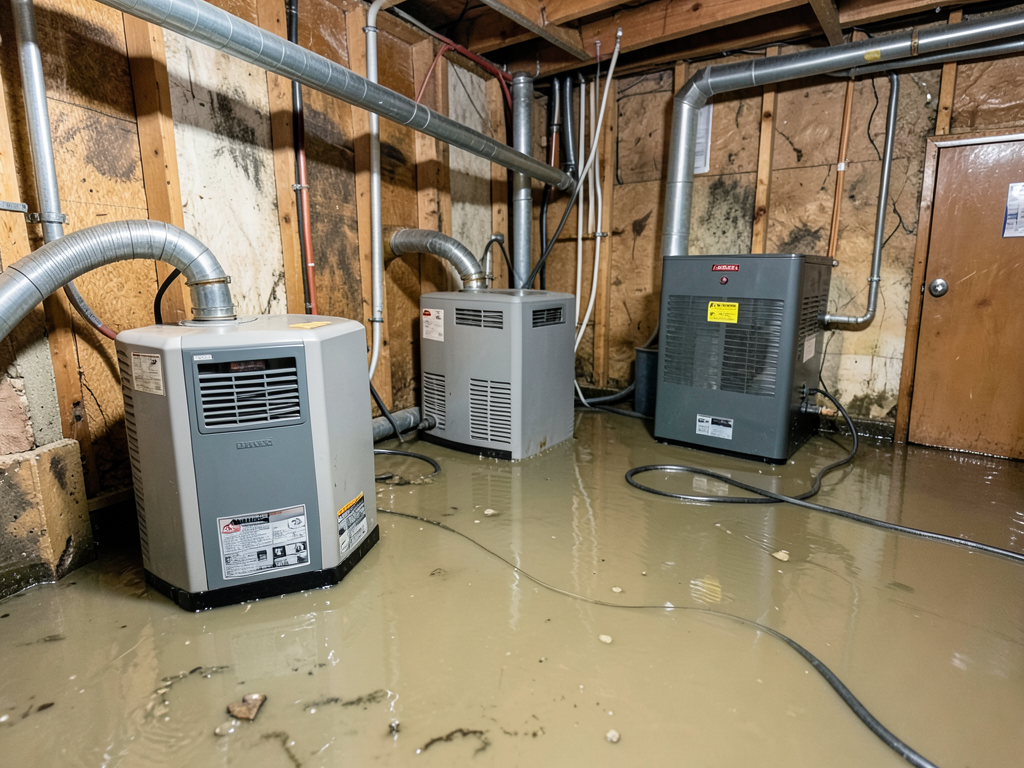
Certified firms maintain fully stocked emergency response vehicles that can be deployed immediately when disaster strikes. These vehicles contain all the necessary equipment to begin the restoration process right away, preventing further damage while the full restoration plan is being developed.
They also have established relationships with local suppliers and can quickly obtain any additional materials or equipment needed for your specific restoration project. This rapid response capability can make the difference between a minor inconvenience and a major reconstruction project.
The complete restoration process
Professional water restoration follows a systematic process that ensures nothing is overlooked. This includes initial assessment, water extraction, drying and dehumidification, cleaning and sanitizing, and finally, restoration of damaged materials and structures.
Each step builds on the previous one, creating a comprehensive solution that addresses both visible damage and hidden moisture that could cause problems later. This systematic approach ensures that your home is restored to a safe, healthy condition.
Community trust and reputation
IICRC-certified firms have invested in their professional development and maintain high standards of service to protect their certification status. They understand that their reputation in the Kansas City community depends on providing quality service and standing behind their work.
This commitment to professional standards means you can trust that certified firms will treat your home with respect and complete the restoration work to the highest industry standards.
Making the right choice
When facing water damage, the choice between certified and uncertified restoration can have long-lasting consequences for your home’s safety, your family’s health, and your financial well-being. Certified restoration provides the expertise, equipment, and accountability needed to ensure your home is properly restored.
The investment in certified restoration pays dividends in peace of mind, proper documentation, and protection against future problems that could arise from incomplete or improper restoration work.
Take action now
Water damage waits for no one. Every hour that passes allows moisture to spread deeper into your home’s structure, increasing the risk of mold growth and structural damage. Don’t wait until a small problem becomes a major reconstruction project.
Call (816) 473-3833 today to schedule your inspection. Our IICRC-certified technicians are ready to respond 24/7 to protect your Kansas City home from the devastating effects of water damage.
Frequently Asked Questions
How quickly should I call for water damage restoration?
Call immediately. Water damage worsens by the hour, with mold potentially starting to grow within 24-48 hours. Our 24/7 emergency response team can begin mitigation within an hour of your call.
Will my insurance cover certified water damage restoration?
Most homeowner’s insurance policies cover water damage restoration when caused by sudden, accidental events like burst pipes or appliance failures. We work directly with insurance companies and provide the documentation they require for claim approval. Dealing with a burst pipe in the Northland (Emergency repair and drying).
What makes IICRC certification different from other credentials?
IICRC certification requires rigorous training, ongoing education, and adherence to industry standards like the S500 Standard. It’s the most widely recognized certification in the restoration industry and demonstrates a commitment to professional excellence.
How long does the water damage restoration process take?
The timeline varies based on the extent of damage, but most residential projects take 3-5 days for complete drying and restoration. We provide detailed timelines and keep you informed throughout the process.
Can I stay in my home during the restoration process?
In most cases, yes. Our technicians use containment procedures and work efficiently to minimize disruption. However, if there’s extensive damage or contamination, temporary relocation might be recommended for safety.
What should I do while waiting for the restoration team to arrive?
Turn off the water source if possible, move valuable items to dry areas, and avoid walking through standing water. Do not attempt to use household fans or vacuum cleaners on wet surfaces.
How do you prevent mold growth during the restoration process?
We use industrial-grade dehumidifiers, maintain specific temperature and humidity levels, and apply antimicrobial treatments to prevent mold growth. Our moisture monitoring ensures complete drying before we consider the job complete.
Do you provide documentation for insurance purposes?
Yes, we provide comprehensive documentation including moisture readings, damage assessments, daily progress reports, and before/after photos. This documentation supports your insurance claim and provides a clear record of the restoration work.
What types of water damage do you handle?
We handle all categories of water damage including clean water from supply lines, gray water from appliances, and black water from sewage backups or flooding. Each type requires specific handling procedures that our certified technicians are trained to perform.
How do I know the restoration is complete?
We verify completion through moisture testing, visual inspections, and air quality testing. You’ll receive documentation showing that all affected materials have returned to acceptable moisture content levels and that no secondary damage has occurred.
{
“@context”: “https://schema.org”,
“@type”: “BlogPosting”,
“headline”: “Why IICRC certification matters for your Kansas City water damage project”,
“description”: “Learn why IICRC-certified restoration protects your Kansas City home. Discover the S500 standard, local expertise, and emergency response that generic contractors can’t match.”,
“wordCount”: 2162,
“datePublished”: “2026-02-27T08:55:00.000Z”,
“dateModified”: “2026-02-27T08:55:00.000Z”,
“inLanguage”: “en-US”,
“mainEntityOfPage”: {
“@type”: “WebPage”,
“@id”: “https://apluswaterdamagerestorationkansascity.com”
},
“publisher”: {
“@type”: “LocalBusiness”,
“name”: “A Plus Water Damage Restoration Kansas City”,
“url”: “https://apluswaterdamagerestorationkansascity.com”
},
“author”: {
“@type”: “Organization”,
“name”: “A Plus Water Damage Restoration Kansas City”,
“url”: “https://apluswaterdamagerestorationkansascity.com”
},
“image”: {
“@type”: “ImageObject”,
“url”: “https://apluswaterdamagerestorationkansascity.com/wp-content/uploads/2026/03/why-iicrc-certification-matters-for-your-kansas-ci-1.png”
}
}
{
“@context”: “https://schema.org”,
“@type”: “LocalBusiness”,
“name”: “A Plus Water Damage Restoration Kansas City”,
“url”: “https://apluswaterdamagerestorationkansascity.com”,
“address”: {
“@type”: “PostalAddress”,
“addressLocality”: “Kansas City”
},
“areaServed”: {
“@type”: “City”,
“name”: “Kansas City”
}
}
{
“@context”: “https://schema.org”,
“@type”: “FAQPage”,
“mainEntity”: [
{
“@type”: “Question”,
“name”: “How quickly should I call for water damage restoration?”,
“acceptedAnswer”: {
“@type”: “Answer”,
“text”: “Call immediately. Water damage worsens by the hour, with mold potentially starting to grow within 24-48 hours. Our 24/7 emergency response team can begin mitigation within an hour of your call.”
}
},
{
“@type”: “Question”,
“name”: “Will my insurance cover certified water damage restoration?”,
“acceptedAnswer”: {
“@type”: “Answer”,
“text”: “Most homeowner’s insurance policies cover water damage restoration when caused by sudden, accidental events like burst pipes or appliance failures. We work directly with insurance companies and provide the documentation they require for claim approval. Dealing with a burst pipe in the Northland (Emergency repair and drying).”
}
},
{
“@type”: “Question”,
“name”: “What makes IICRC certification different from other credentials?”,
“acceptedAnswer”: {
“@type”: “Answer”,
“text”: “IICRC certification requires rigorous training, ongoing education, and adherence to industry standards like the S500 Standard. It’s the most widely recognized certification in the restoration industry and demonstrates a commitment to professional excellence.”
}
},
{
“@type”: “Question”,
“name”: “How long does the water damage restoration process take?”,
“acceptedAnswer”: {
“@type”: “Answer”,
“text”: “The timeline varies based on the extent of damage, but most residential projects take 3-5 days for complete drying and restoration. We provide detailed timelines and keep you informed throughout the process.”
}
},
{
“@type”: “Question”,
“name”: “Can I stay in my home during the restoration process?”,
“acceptedAnswer”: {
“@type”: “Answer”,
“text”: “In most cases, yes. Our technicians use containment procedures and work efficiently to minimize disruption. However, if there’s extensive damage or contamination, temporary relocation might be recommended for safety.”
}
},
{
“@type”: “Question”,
“name”: “What should I do while waiting for the restoration team to arrive?”,
“acceptedAnswer”: {
“@type”: “Answer”,
“text”: “Turn off the water source if possible, move valuable items to dry areas, and avoid walking through standing water. Do not attempt to use household fans or vacuum cleaners on wet surfaces.”
}
},
{
“@type”: “Question”,
“name”: “How do you prevent mold growth during the restoration process?”,
“acceptedAnswer”: {
“@type”: “Answer”,
“text”: “We use industrial-grade dehumidifiers, maintain specific temperature and humidity levels, and apply antimicrobial treatments to prevent mold growth. Our moisture monitoring ensures complete drying before we consider the job complete.”
}
},
{
“@type”: “Question”,
“name”: “Do you provide documentation for insurance purposes?”,
“acceptedAnswer”: {
“@type”: “Answer”,
“text”: “Yes, we provide comprehensive documentation including moisture readings, damage assessments, daily progress reports, and before/after photos. This documentation supports your insurance claim and provides a clear record of the restoration work.”
}
},
{
“@type”: “Question”,
“name”: “What types of water damage do you handle?”,
“acceptedAnswer”: {
“@type”: “Answer”,
“text”: “We handle all categories of water damage including clean water from supply lines, gray water from appliances, and black water from sewage backups or flooding. Each type requires specific handling procedures that our certified technicians are trained to perform.”
}
},
{
“@type”: “Question”,
“name”: “How do I know the restoration is complete?”,
“acceptedAnswer”: {
“@type”: “Answer”,
“text”: “We verify completion through moisture testing, visual inspections, and air quality testing. You’ll receive documentation showing that all affected materials have returned to acceptable moisture content levels and that no secondary damage has occurred.”
}
}
]
}
{
“@context”: “https://schema.org”,
“@type”: “BreadcrumbList”,
“itemListElement”: [
{
“@type”: “ListItem”,
“position”: 1,
“name”: “Home”,
“item”: “https://apluswaterdamagerestorationkansascity.com”
},
{
“@type”: “ListItem”,
“position”: 2,
“name”: “Blog”,
“item”: “https://apluswaterdamagerestorationkansascity.com/blog”
},
{
“@type”: “ListItem”,
“position”: 3,
“name”: “Why IICRC certification matters for your Kansas City water damage project”
}
]
}
{
“@context”: “https://schema.org”,
“@type”: “Service”,
“serviceType”: “Water Damage Restoration”,
“provider”: {
“@type”: “LocalBusiness”,
“name”: “A Plus Water Damage Restoration Kansas City”,
“url”: “https://apluswaterdamagerestorationkansascity.com”
},
“areaServed”: {
“@type”: “City”,
“name”: “Kansas City”
},
“description”: “Learn why IICRC-certified restoration protects your Kansas City home. Discover the S500 standard, local expertise, and emergency response that generic contractors can’t match.”
}