Who is responsible for water damage in a Kansas City condo (HOA vs Owner)
When water starts dripping through your ceiling in a Kansas City condo, the first question isn’t about cleanup – it’s about who pays. The answer depends on where the water came from, what your HOA documents say, and whether your neighbor’s washing machine decided to flood your living room.
In Kansas City’s mixed housing landscape, from historic Plaza high-rises to modern Liberty lofts, the responsibility split typically follows a “walls-in” policy. The HOA maintains common areas, exterior walls, and shared plumbing infrastructure. You’re responsible for everything inside your unit – drywall, flooring, personal property, and fixtures. But when water travels through shared walls or ceilings, determining fault becomes complicated fast. Restoring historic homes in Brookside and Waldo after water damage.
The Missouri Condominium Property Act and Kansas Uniform Condominium Act both require HOAs to maintain common elements, but they don’t define “common” the same way. Some KC HOAs consider all plumbing within walls common, while others draw the line at the main stack. Your HOA’s declaration of covenants is the final word, and it’s usually 50-100 pages of legal language that no one reads until disaster strikes. Missouri Condominium Property Act.
Understanding this responsibility split matters because water damage restoration in multi-unit buildings requires coordination between multiple parties. The wrong call to your insurance company or a delay in notifying your HOA can mean thousands in denied claims or prolonged displacement while disputes get sorted out.
Common water damage scenarios in Kansas City condos
Water damage in condos follows predictable patterns, especially in Kansas City’s climate. Winter freeze-thaw cycles cause pipe bursts in older buildings. Spring thunderstorms overwhelm aging drainage systems. Summer humidity creates condensation issues in poorly ventilated units. Fall leaves clog rooftop drains, sending water into top-floor units. Dealing with a burst pipe in the Northland (Emergency repair and drying).
The most common scenario involves water traveling vertically through a building. A leak on the fifth floor becomes a ceiling collapse on the third floor. The water might originate from a neighbor’s water heater, a shared HVAC condensation line, or even a roof leak that affects multiple units. Each scenario triggers different responsibility chains.
In Liberty’s newer condo developments, modern PEX plumbing reduces burst pipe risks, but the flexible tubing can develop slow leaks that go undetected for months. By the time you notice water damage, mold has already started growing inside your walls. Older buildings in Independence and North Kansas City often have galvanized steel pipes that corrode from the inside out, creating weak points that fail under pressure.
Commercial-grade water damage in mixed-use buildings presents unique challenges. A restaurant on the ground floor might have a dishwasher leak that affects the law office above. The restoration process must account for different occupancy types, business interruption concerns, and health code compliance. Specialized commercial water damage restoration for Kansas City business owners.
Missouri vs Kansas condo laws: What you need to know
Missouri and Kansas handle condo water damage responsibility differently, and Kansas City straddles both states. Missouri’s Condominium Property Act gives HOAs broad authority to maintain common elements but places the burden on individual owners for anything inside their unit boundaries. Kansas law is similar but includes specific provisions for insurance requirements.
Missouri Revised Statutes Section 448.1-114 requires HOAs to maintain insurance covering common elements, but this typically excludes interior unit damage. Kansas Statutes Annotated Chapter 58a-114 has similar requirements but mandates that HOAs also maintain liability insurance for common area incidents.
The practical difference matters when water damage occurs. In Missouri, if a pipe bursts in a shared wall and damages your kitchen, your HOA might argue the pipe was a “limited common element” serving only your unit, making you responsible. In Kansas, the same scenario might trigger the HOA’s liability coverage, but only if you can prove the HOA failed to maintain the system properly.
Both states follow the “reasonable care” standard. If you left a window open during a storm and water damaged your unit and the one below, you’re likely responsible regardless of HOA documents. But if a roof leak from deferred maintenance affects multiple units, the HOA bears responsibility.
HOA master policies vs. HO-6 insurance coverage
Understanding the difference between your HOA’s master policy and your personal HO-6 insurance is crucial for Kansas City condo owners. The master policy typically covers the building structure, common areas, and sometimes fixtures like original cabinets or flooring. Your HO-6 policy covers your personal property, upgrades, and interior repairs.
Most KC HOAs carry a “bare walls-in” policy that covers everything except the interior surfaces of your unit. Some carry a “single entity” policy that includes original fixtures and finishes. A few carry a “modified single entity” policy that covers some upgrades but not others.
Your HO-6 policy fills the gaps. It covers your furniture, electronics, and clothing. It pays for upgrades you’ve made – like granite countertops or hardwood floors. It also covers your share of the HOA’s deductible if the master policy is triggered.
Coverage gaps create nightmares. If your HOA’s master policy has a $10,000 deductible and a pipe bursts in a shared wall, you might be responsible for the first $10,000 even if the HOA is ultimately at fault. Your HO-6 policy might cover this, but only if you’ve added the right endorsements.
Call (816) 473-3833 today to schedule your inspection before the next storm hits.
Emergency response for condo water damage
When water starts leaking in your Kansas City condo, the first 60 minutes determine whether you’re dealing with a simple cleanup or a major restoration project. The vertical nature of condo buildings means water can travel through multiple units before you notice it.
The immediate steps are critical. Shut off the water source if you can identify it. Notify your HOA management immediately – most have 24/7 emergency lines. Document everything with photos and videos before cleanup begins. This documentation becomes crucial for insurance claims and liability determination.
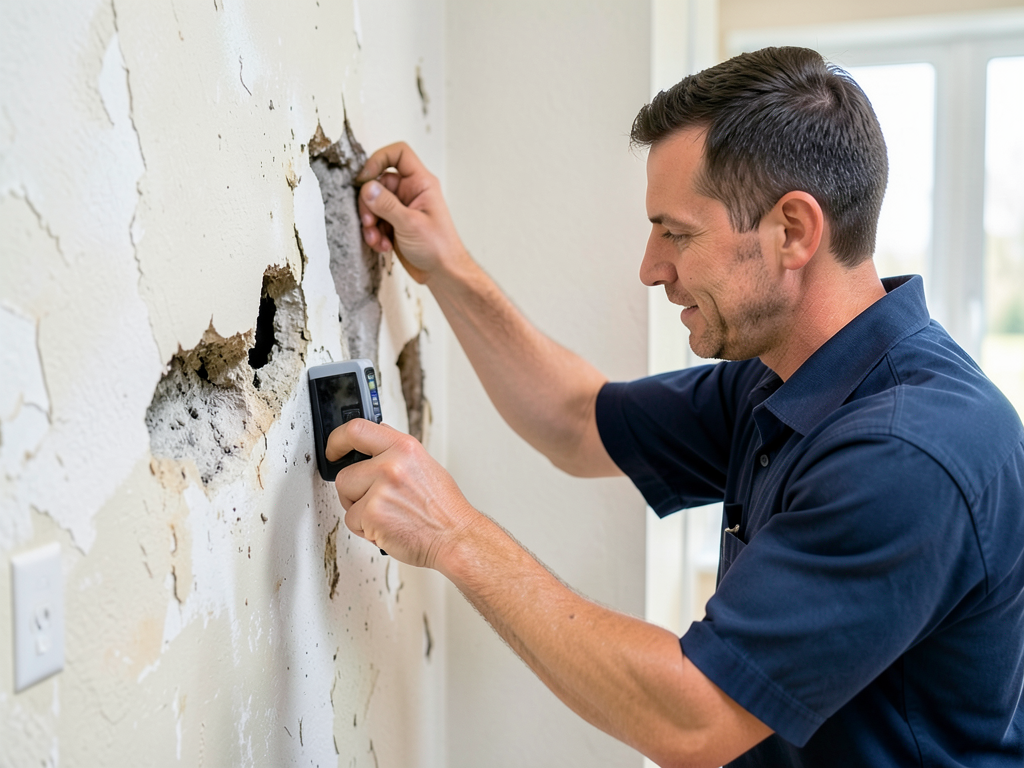
Professional water damage restoration in condos requires specialized equipment and coordination. Industrial-grade dehumidifiers must be placed strategically to prevent moisture migration to adjacent units. Air movers need to be positioned to create proper airflow without disturbing neighbors. Moisture meters help track water migration through shared walls and ceilings.
The restoration timeline varies based on the damage category. Clean water from a supply line break might require 3-5 days of drying. Gray water from a washing machine overflow needs sanitization and might take 5-7 days. Black water from sewage backup requires complete removal of affected materials and can take 7-14 days.. Read more about Managing a sewage backup in your KCK rental property without losing your tenants.
During restoration, containment barriers prevent dust and debris from spreading to neighboring units. Negative air pressure systems keep contaminated air from migrating through shared HVAC systems. These measures protect your neighbors’ health and prevent liability issues.
Common causes of condo water damage in Kansas City
Kansas City’s climate and building stock create specific water damage patterns. Winter temperatures regularly drop below freezing, causing pipe bursts in unheated areas like attics and crawl spaces. The freeze-thaw cycle puts stress on aging plumbing joints, especially in buildings over 30 years old.
Spring thunderstorms overwhelm drainage systems designed for less intense rainfall. Many KC condos were built before modern stormwater management requirements, leaving them vulnerable to flash flooding. The clay soil common in the area expands when saturated, putting pressure on foundation walls and creating cracks that allow water intrusion.
Summer humidity creates condensation problems in buildings with poor ventilation. Air conditioning units work overtime, and condensate lines can back up if not properly maintained. The moisture condenses on cool surfaces, creating ideal conditions for mold growth behind walls and under flooring.
Fall brings leaves and debris that clog roof drains and gutter systems. In multi-story buildings, a single clogged drain can send hundreds of gallons of water into units below. The weight of saturated debris can also damage roofing materials, creating entry points for water.
Older buildings in areas like Brookside and Waldo often have original plumbing that’s reached the end of its service life. Galvanized steel pipes corrode from the inside out, creating weak points that fail without warning. The corrosion also reduces water pressure, causing homeowners to delay repairs until a catastrophic failure occurs.
Restoration process for multi-unit buildings
Water damage restoration in Kansas City condos follows a specific process that accounts for shared spaces and multiple stakeholders. The first step is always assessment – determining the water category, affected areas, and potential for secondary damage.
Category 1 water from a clean source requires extraction and drying. Category 2 water from appliances needs sanitization. Category 3 water from sewage or flooding requires complete removal of affected materials. The category determines the restoration approach and timeline.
Moisture mapping is critical in multi-unit buildings. Water travels along the path of least resistance, often moving horizontally through walls before dropping to lower floors. Thermal imaging cameras help identify hidden moisture in shared wall cavities. Moisture meters at different depths track drying progress.
Structural drying requires industrial-grade equipment. Dehumidifiers remove moisture from the air, preventing it from being absorbed by dry materials. Air movers create airflow across wet surfaces, accelerating evaporation. The equipment setup must account for shared walls and prevent moisture migration to adjacent units.
Documentation throughout the process protects all parties. Daily moisture readings show drying progress. Photos document damage extent and restoration work. This documentation becomes crucial for insurance claims and potential liability disputes.
Call (816) 473-3833 today to schedule your inspection before the next storm hits.
Preventing future water damage in your condo
Prevention is always cheaper than restoration. Regular maintenance of your unit’s plumbing, HVAC, and appliances prevents most water damage scenarios. Annual inspections of water supply lines, drain lines, and appliance connections catch problems before they cause damage.
Install water leak detectors in high-risk areas like under sinks, behind refrigerators, and near water heaters. Smart detectors can send alerts to your phone, allowing you to respond before significant damage occurs. Some systems can automatically shut off water supply when leaks are detected.
Know your building’s plumbing layout. Locate the main water shutoff valve for your unit. Understand which pipes serve multiple units versus those that serve only your unit. This knowledge helps you respond quickly when problems occur.
Maintain good relationships with your neighbors. Water damage often originates in adjacent units. A neighbor who knows you’re responsive to problems is more likely to notify you quickly when they notice a potential issue.
Review your HOA documents annually. Understand what’s covered by the master policy and what requires your HO-6 coverage. Know the HOA’s emergency response procedures and contact information.
Consider additional insurance coverage. Sewer backup coverage protects against one of the most expensive types of water damage. Service line coverage protects against underground pipe failures. These endorsements cost relatively little but provide significant protection.
Working with your HOA during restoration
Water damage restoration in condos requires coordination with your HOA. The HOA typically has authority over common elements and may need to approve restoration work that affects shared spaces. Understanding this process prevents delays and conflicts.
Most HOAs require restoration companies to be licensed and insured. They may have preferred vendors or require approval before work begins. Some HOAs require multiple bids for restoration work exceeding certain thresholds.
Communication is key. Keep your HOA informed about damage extent, restoration plans, and timeline. Provide documentation of damage and restoration proposals. This transparency builds trust and prevents disputes.
Understand your HOA’s financial processes. Some HOAs maintain emergency funds for water damage restoration. Others require individual owners to pay upfront and seek reimbursement through insurance. Knowing these procedures helps you plan financially.
Be prepared for potential assessments. If the HOA’s master policy deductible is high and multiple units are affected, the HOA might levy a special assessment to cover costs. Understanding this possibility helps you budget appropriately.
Insurance claim process for condo water damage
Filing insurance claims for condo water damage involves multiple policies and potentially multiple insurance companies. The process starts with determining which policy applies – yours, your neighbor’s, or the HOA’s master policy.
Document everything immediately. Photos and videos of damage before any cleanup begins are crucial. Keep receipts for any emergency measures you take. This documentation becomes the foundation of your insurance claim.
Notify all relevant parties quickly. Your insurance company needs to know about the damage. Your HOA needs to be aware of any issues affecting common elements. Your neighbors might need to file their own claims if their units were affected.
Understand the claim process timeline. Most insurance policies require prompt notice of claims. Delays can result in denied claims. Work with your restoration company to provide the documentation insurance companies need.
Be prepared for potential disputes. When multiple policies are involved, insurance companies might argue about liability. Having professional documentation and working with experienced restoration companies helps resolve these disputes.
Consider hiring a public adjuster for significant claims. Public adjusters work for you, not the insurance company, and can help maximize your claim settlement. They understand the complexities of multi-policy claims in condo buildings.
Legal considerations in condo water damage
Water damage in condos can lead to legal disputes over liability and responsibility. Understanding your legal rights and obligations helps you navigate these situations effectively.
Review your HOA documents carefully. These documents define the boundaries between common elements and individual units. They also establish procedures for handling damage and disputes. Understanding these provisions helps you know your rights.
Document everything. Photos, videos, written communications, and professional assessments create a record that protects you in potential disputes. This documentation becomes crucial if liability needs to be determined legally.
Understand the statute of limitations for claims in your state. Missouri and Kansas have different time limits for filing claims related to property damage. Missing these deadlines can prevent you from recovering damages.
Consider mediation for disputes with neighbors or the HOA. Many HOAs require mediation before legal action. Mediation can resolve disputes more quickly and cost-effectively than litigation.
Consult with an attorney experienced in condo law if disputes become complex. They can help you understand your rights and navigate the legal process effectively.
Cost factors in condo water damage restoration
The cost of water damage restoration in Kansas City condos varies based on several factors. The water category is the primary determinant – clean water is cheapest to restore, while black water requires complete material removal and disposal. Retail Store Water Cleanup.
Damage extent affects costs significantly. A small leak that’s caught quickly might cost a few hundred dollars to dry out. Water that’s been present for days or weeks can require thousands in demolition, drying, and reconstruction.
Multi-unit involvement increases costs exponentially. Water that travels through shared walls and ceilings affects multiple insurance policies and requires coordination between multiple owners and the HOA. This coordination adds administrative costs to the restoration process.
Building age and construction type affect restoration costs. Older buildings might require specialized restoration techniques to preserve historic elements. Modern buildings with complex systems might require more extensive diagnostic work to identify water migration paths.
Urgency affects pricing. Emergency response services cost more than scheduled work, but the cost of delayed response – including mold growth and structural damage – often far exceeds the premium for immediate service.
Insurance coverage significantly impacts your out-of-pocket costs. Understanding your coverage limits, deductibles, and any applicable assessments helps you budget appropriately for potential water damage scenarios.
Choosing the right restoration company
Not all water damage restoration companies are equipped to handle condo projects. Multi-unit buildings require specific expertise, equipment, and coordination capabilities that not every company possesses.
Look for companies with experience in multi-unit residential restoration. They should understand HOA procedures, insurance claim processes, and the unique challenges of working in shared spaces. Ask for references from similar projects. Why you should not ignore that musty smell in your Olathe basement.
Verify licensing and insurance. Restoration companies working in condos should carry appropriate licenses for your state and adequate insurance coverage. They should also carry pollution liability insurance for mold-related work.
Check for industry certifications. IICRC certification in water damage restoration indicates the company follows industry standards. Certifications in mold remediation, fire restoration, and structural drying indicate broader expertise. IICRC S500 Standard for Professional Water Damage Restoration.
Ask about equipment and techniques. Professional restoration requires industrial-grade dehumidifiers, air movers, and moisture detection equipment. The company should be able to explain their drying strategy and timeline.
Understand their communication process. Multi-unit restoration requires coordination with multiple parties. The company should have a clear process for communicating with you, your neighbors, the HOA, and insurance companies.
Frequently Asked Questions
Who pays for water damage in a condo if the source is unknown?
When the water source is unknown, responsibility typically falls to the party whose unit shows damage first. However, if the damage affects multiple units or common areas, the HOA’s master policy might apply. Your HO-6 insurance is designed to cover gaps when responsibility is unclear.
How quickly should I respond to water damage in my condo?
Immediate response is critical. Water can cause permanent damage within 24-48 hours, and mold can begin growing within 48-72 hours. Shut off the water source if possible, notify your HOA, and contact a professional restoration company immediately. Delays significantly increase restoration costs and complexity.
Does my condo insurance cover damage from a neighbor’s leak?
Your HO-6 policy covers damage to your unit and belongings regardless of the source. If your neighbor’s leak causes damage, their liability insurance might cover your deductible and any costs your insurance doesn’t cover. However, pursuing neighbor claims can be complicated and may require legal assistance.
What should I do if my HOA denies responsibility for water damage?
If your HOA denies responsibility, review your HOA documents to understand the basis for their decision. Document all damage and communications. If you believe the HOA is responsible under the documents, you may need to pursue the matter through legal channels or file a claim with your own insurance company.
How long does water damage restoration take in a condo?
Restoration timelines vary based on damage extent and category. Clean water damage might require 3-5 days of drying. Gray water damage typically needs 5-7 days including sanitization. Black water damage can require 7-14 days including material removal and reconstruction. Multi-unit involvement often extends these timelines due to coordination requirements.
Water damage in Kansas City condos creates complex situations involving multiple parties, insurance policies, and legal considerations. Understanding your rights and responsibilities helps you respond effectively when disaster strikes. When water damage occurs, quick action, proper documentation, and professional restoration services protect your investment and your peace of mind.
Don’t wait until water is dripping through your ceiling. Call (816) 473-3833 today to schedule your inspection before the next storm hits.
{
“@context”: “https://schema.org”,
“@type”: “BlogPosting”,
“headline”: “Who is responsible for water damage in a Kansas City condo (HOA vs Owner)”,
“description”: “Confused about condo water damage liability in Kansas City? Learn who pays for repairs, what your HOA covers, and when to call our 24/7 emergency restoration team.”,
“wordCount”: 3140,
“datePublished”: “2026-04-12T11:50:00.000Z”,
“dateModified”: “2026-04-12T11:50:00.000Z”,
“inLanguage”: “en-US”,
“mainEntityOfPage”: {
“@type”: “WebPage”,
“@id”: “https://apluswaterdamagerestorationkansascity.com”
},
“publisher”: {
“@type”: “LocalBusiness”,
“name”: “A Plus Water Damage Restoration Kansas City”,
“url”: “https://apluswaterdamagerestorationkansascity.com”
},
“author”: {
“@type”: “Organization”,
“name”: “A Plus Water Damage Restoration Kansas City”,
“url”: “https://apluswaterdamagerestorationkansascity.com”
},
“image”: {
“@type”: “ImageObject”,
“url”: “https://apluswaterdamagerestorationkansascity.com/wp-content/uploads/2026/03/who-is-responsible-for-water-damage-in-a-kansas-ci-1.png”
}
}
{
“@context”: “https://schema.org”,
“@type”: “LocalBusiness”,
“name”: “A Plus Water Damage Restoration Kansas City”,
“url”: “https://apluswaterdamagerestorationkansascity.com”,
“address”: {
“@type”: “PostalAddress”,
“addressLocality”: “Kansas City”
},
“areaServed”: {
“@type”: “City”,
“name”: “Kansas City”
}
}
{
“@context”: “https://schema.org”,
“@type”: “FAQPage”,
“mainEntity”: [
{
“@type”: “Question”,
“name”: “Who pays for water damage in a condo if the source is unknown?”,
“acceptedAnswer”: {
“@type”: “Answer”,
“text”: “When the water source is unknown, responsibility typically falls to the party whose unit shows damage first. However, if the damage affects multiple units or common areas, the HOA’s master policy might apply. Your HO-6 insurance is designed to cover gaps when responsibility is unclear.”
}
},
{
“@type”: “Question”,
“name”: “How quickly should I respond to water damage in my condo?”,
“acceptedAnswer”: {
“@type”: “Answer”,
“text”: “Immediate response is critical. Water can cause permanent damage within 24-48 hours, and mold can begin growing within 48-72 hours. Shut off the water source if possible, notify your HOA, and contact a professional restoration company immediately. Delays significantly increase restoration costs and complexity.”
}
},
{
“@type”: “Question”,
“name”: “Does my condo insurance cover damage from a neighbor’s leak?”,
“acceptedAnswer”: {
“@type”: “Answer”,
“text”: “Your HO-6 policy covers damage to your unit and belongings regardless of the source. If your neighbor’s leak causes damage, their liability insurance might cover your deductible and any costs your insurance doesn’t cover. However, pursuing neighbor claims can be complicated and may require legal assistance.”
}
},
{
“@type”: “Question”,
“name”: “What should I do if my HOA denies responsibility for water damage?”,
“acceptedAnswer”: {
“@type”: “Answer”,
“text”: “If your HOA denies responsibility, review your HOA documents to understand the basis for their decision. Document all damage and communications. If you believe the HOA is responsible under the documents, you may need to pursue the matter through legal channels or file a claim with your own insurance company.”
}
},
{
“@type”: “Question”,
“name”: “How long does water damage restoration take in a condo?”,
“acceptedAnswer”: {
“@type”: “Answer”,
“text”: “Restoration timelines vary based on damage extent and category. Clean water damage might require 3-5 days of drying. Gray water damage typically needs 5-7 days including sanitization. Black water damage can require 7-14 days including material removal and reconstruction. Multi-unit involvement often extends these timelines due to coordination requirements.”
}
}
]
}
{
“@context”: “https://schema.org”,
“@type”: “BreadcrumbList”,
“itemListElement”: [
{
“@type”: “ListItem”,
“position”: 1,
“name”: “Home”,
“item”: “https://apluswaterdamagerestorationkansascity.com”
},
{
“@type”: “ListItem”,
“position”: 2,
“name”: “Blog”,
“item”: “https://apluswaterdamagerestorationkansascity.com/blog”
},
{
“@type”: “ListItem”,
“position”: 3,
“name”: “Who is responsible for water damage in a Kansas City condo (HOA vs Owner)”
}
]
}
{
“@context”: “https://schema.org”,
“@type”: “Service”,
“serviceType”: “Water Damage Restoration”,
“provider”: {
“@type”: “LocalBusiness”,
“name”: “A Plus Water Damage Restoration Kansas City”,
“url”: “https://apluswaterdamagerestorationkansascity.com”
},
“areaServed”: {
“@type”: “City”,
“name”: “Kansas City”
},
“description”: “Confused about condo water damage liability in Kansas City? Learn who pays for repairs, what your HOA covers, and when to call our 24/7 emergency restoration team.”
}