Managing moisture and air quality in Waldo basement apartments (A guide for landlords)
Waldo basement apartments face unique moisture challenges due to Kansas City’s expansive Missouri clay soil and the neighborhood’s historic bungalow construction. The combination of sub-grade living spaces and aging limestone foundations creates conditions where humidity levels can exceed 70% during summer months, leading to mold growth, musty odors, and structural damage if left unaddressed. What to do when your Overland Park basement floods during a storm.
Managing these issues requires understanding the specific vulnerabilities of Waldo’s housing stock and implementing targeted solutions that protect both your property and your tenants’ health. This guide covers the diagnostic process, legal requirements, and professional solutions tailored to Kansas City’s unique environmental conditions.
Why Waldo basements are prone to moisture
The Missouri clay soil that underlies most of Waldo creates significant hydrostatic pressure against foundation walls. This clay expands when wet and contracts when dry, causing foundation movement that can crack mortar joints and create pathways for water infiltration. Homes built between 1920 and 1940 in the 64114 and 64113 zip codes typically feature limestone or concrete block foundations that are particularly susceptible to this pressure.
Waldo’s elevation sits approximately 900 feet above sea level, which affects how groundwater flows through the area. During heavy rainfall events common to the Kansas City metro, water can accumulate around foundation perimeters faster than it can drain away, especially in properties with improper grading or clogged footer drains.. Read more about Comparing French drains and interior perimeter drains for Northland basement waterproofing.
According to the International Building Code Section 1203.4, basement apartments require proper ventilation and moisture control to maintain indoor air quality standards. The Kansas City Healthy Homes Rental Inspection Program specifically mandates that landlords address visible mold growth and persistent moisture issues that could affect tenant health. International Building Code.
Signs of moisture in your Waldo apartment
Early detection prevents costly repairs and tenant complaints. Look for these specific indicators in your basement apartment: EPA mold guidelines.
- Efflorescence: White powdery deposits on limestone or concrete block walls indicate water is moving through the foundation and leaving mineral deposits behind
- Musty odors: Persistent damp smells suggest active mold growth or moisture accumulation in wall cavities
- Peeling paint or wallpaper: Moisture behind surfaces causes adhesion failure and bubbling
- Condensation on windows and pipes: High humidity levels cause water vapor to condense on cool surfaces
- Wood rot or warping: Baseboards, door frames, and flooring materials show damage when exposed to sustained moisture
- Damp spots on walls: Water stains or discoloration indicate active leaks or seepage
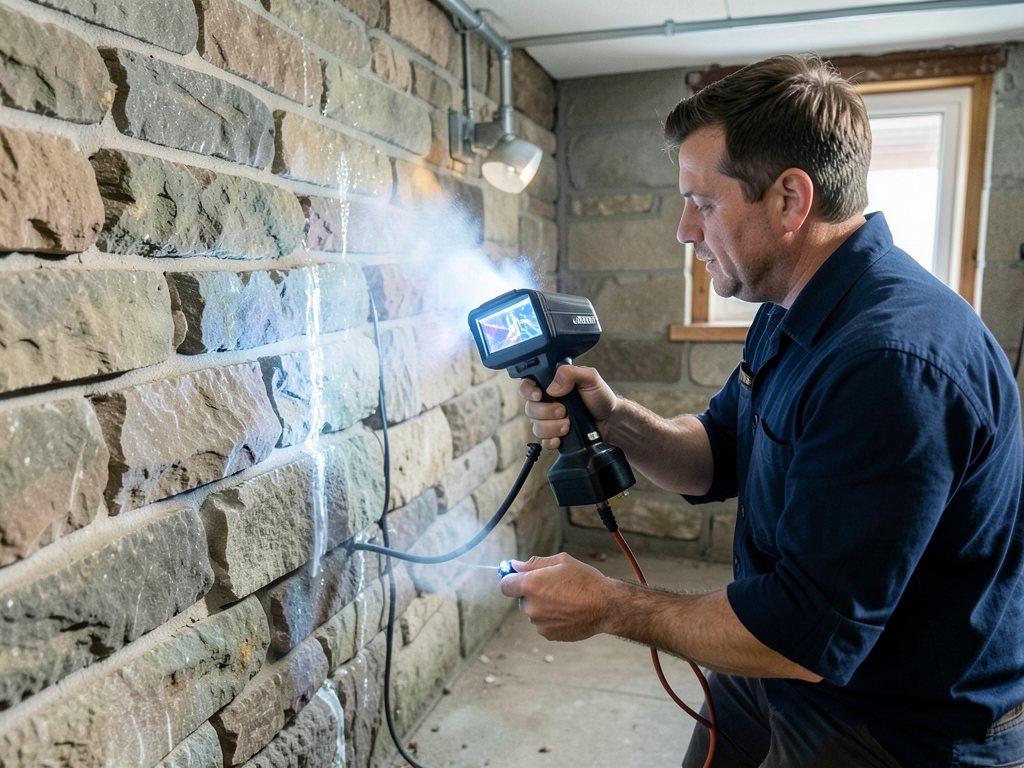
A moisture meter reading above 16% on wood surfaces or 12% on drywall indicates conditions favorable for mold growth. Professional restoration technicians use thermal imaging cameras to detect temperature differences that reveal hidden moisture behind walls and under flooring.. Read more about Why the wrong carpet pad can trap moisture in your Northland basement for weeks.
Health risks for tenants
Basement apartments with poor moisture control create environments where mold spores, dust mites, and bacteria thrive. The EPA’s guidelines on indoor air quality identify relative humidity levels above 60% as ideal conditions for biological contaminant growth.
Common health issues associated with basement moisture include:
- Respiratory problems: Mold exposure can trigger asthma attacks and cause chronic coughing or wheezing
- Allergic reactions: Symptoms include sneezing, runny nose, red eyes, and skin rashes
- Compromised immune systems: Young children, elderly tenants, and those with existing health conditions face higher risks
- Structural concerns: Moisture-damaged flooring creates tripping hazards, while weakened structures pose safety risks
The Kansas City Healthy Homes Rental Inspection Program requires landlords to maintain habitable conditions, which includes addressing moisture problems that could affect tenant health. Failure to address documented moisture issues can result in code violations and potential liability for health-related damages.
Professional solutions for local landlords
Effective moisture management in Waldo basement apartments requires a multi-faceted approach tailored to the specific conditions of each property. Professional restoration services follow the IICRC S500 standard for water damage restoration, which emphasizes thorough drying, cleaning, and prevention of future issues.
Common professional solutions include:
- Internal perimeter drains: Perforated pipes installed along basement walls collect water before it enters living spaces
- Sump pump installation: Automatic pumps remove collected water and discharge it away from the foundation
- Dehumidification systems: Commercial-grade units maintain humidity levels between 30-50%, preventing mold growth
- Vapor barriers: Plastic sheeting on walls and floors prevents moisture migration from the ground
- Foundation crack repair: Epoxy injections seal existing cracks and prevent future water entry
- Exterior waterproofing: Membranes applied to foundation exteriors stop water before it reaches the structure
Professional restoration technicians use moisture meters to establish baseline readings and verify that drying goals have been achieved. The process typically involves removing damaged materials, cleaning affected surfaces with antimicrobial solutions, and implementing prevention measures to avoid recurrence.
Emergency restoration services in South KC
Water damage in basement apartments requires immediate attention to prevent mold growth and structural damage. Professional restoration companies in the Kansas City area offer 24/7 emergency response with typical arrival times under 60 minutes for Waldo and surrounding neighborhoods.
Emergency services include:
- Water extraction: High-powered pumps and vacuums remove standing water quickly
- Structural drying: Industrial air movers and dehumidifiers dry building materials to prevent secondary damage
- Mold prevention: Antimicrobial treatments inhibit mold growth during the drying process
- Content protection: Moving and protecting tenant belongings from water damage
- Insurance documentation: Detailed reports and photos for insurance claims processing
Local restoration companies understand the specific challenges of working in Waldo’s older homes, including navigating narrow basement stairs, dealing with limestone foundation walls, and working around tenant-occupied spaces while maintaining privacy and minimizing disruption. Dealing with a burst pipe in the Northland (Emergency repair and drying).
Preventing future moisture problems
Prevention is more cost-effective than emergency restoration. Implementing these measures can significantly reduce moisture-related issues in your basement apartments:
- Regular gutter maintenance: Clean gutters and downspouts prevent water from overflowing near foundation walls
- Proper grading: Soil should slope away from the foundation at a minimum 6-inch drop over 10 feet
- Sump pump testing: Test pumps monthly and replace backup batteries annually
- Humidity monitoring: Use hygrometers to track basement humidity levels and maintain them below 50%
- Foundation inspection: Check for new cracks or signs of movement quarterly
- Plumbing maintenance: Inspect pipes for leaks and insulate exposed pipes to prevent condensation
Landlords should also educate tenants about moisture prevention, including proper use of exhaust fans, avoiding drying clothes indoors, and reporting water issues immediately. Clear communication in lease agreements about moisture-related responsibilities can prevent disputes and ensure prompt attention to developing problems. Why you should not ignore that musty smell in your Olathe basement.
Legal requirements for Kansas City landlords
Kansas City Municipal Code Section 31-53 requires landlords to maintain rental properties in a safe and sanitary condition. This includes addressing moisture problems that could affect habitability or create health hazards.
Specific requirements include:
- Habitability standards: Properties must be free from conditions that endanger tenant health or safety
- Moisture control: Persistent dampness or water infiltration must be repaired promptly
- Mold remediation: Active mold growth exceeding 10 square feet requires professional remediation
- Ventilation: Basement apartments must have adequate ventilation to control humidity and remove contaminants
- Emergency repairs: Water leaks and flooding must be addressed within 24-48 hours to prevent further damage
Landlords should document all moisture-related repairs and communications with tenants. This documentation can prove valuable if disputes arise or if code enforcement becomes involved. Professional restoration companies can provide detailed reports that satisfy both insurance requirements and municipal inspection standards.
Cost considerations for landlords
Moisture management costs vary significantly based on the severity of the problem and the chosen solutions. Understanding these cost factors helps landlords budget effectively and make informed decisions.
Typical cost ranges include:
- Moisture assessment: $200-500 for professional inspection and testing
- Minor repairs: $500-2,000 for sealing small cracks or installing vapor barriers
- Dehumidification systems: $1,000-3,000 for commercial-grade units with proper drainage
- Interior drainage systems: $3,000-8,000 for perimeter drains and sump pump installation
- Exterior waterproofing: $8,000-15,000 for comprehensive foundation waterproofing
- Emergency restoration: $1,500-5,000+ depending on damage extent and required services
While these costs may seem significant, they pale in comparison to the expenses associated with tenant turnover, legal disputes, or major structural repairs resulting from neglected moisture problems. Many landlords find that investing in prevention and early intervention provides the best return on investment.
DIY vs. professional restoration
Landlords often wonder whether they can handle moisture issues themselves or if professional help is necessary. While some minor issues can be addressed with DIY approaches, most basement moisture problems require professional expertise.
DIY appropriate for:
- Cleaning minor mold spots under 10 square feet
- Installing basic dehumidifiers
- Improving grading around the foundation
- Cleaning gutters and downspouts
Professional required for:
- Active water infiltration through foundation walls
- Mold growth exceeding 10 square feet
- Structural damage to foundation or framing
- Persistent humidity problems despite basic interventions
- Health complaints from tenants
- Insurance claims or code compliance issues
Professional restoration technicians have specialized equipment, training in moisture science, and experience with local building conditions that DIY approaches cannot match. They also provide documentation that may be required for insurance claims or municipal inspections. Specialized commercial water damage restoration for Kansas City business owners.
Tenant communication and responsibility
Clear communication with tenants about moisture management helps prevent problems and ensures prompt attention when issues arise. Include specific provisions in lease agreements regarding moisture control and reporting requirements.
Key communication points:
- Report water issues immediately, even if they seem minor
- Use exhaust fans when cooking or showering
- Avoid drying clothes indoors
- Keep basement windows closed during humid weather
- Notify landlord of musty odors or visible mold
Provide tenants with simple maintenance instructions and emergency contact information. Consider including a moisture prevention checklist in welcome packets or annual maintenance reminders. Proactive tenant education can prevent many common moisture problems and ensure early detection when issues do occur.
Frequently Asked Questions
How quickly does mold grow after water damage?
Mold can begin growing within 24-48 hours after water exposure under favorable conditions. This is why immediate water removal and drying are critical for preventing mold growth in basement apartments.
What humidity level should I maintain in my basement apartment?
Maintain relative humidity between 30-50% in basement apartments. Use a hygrometer to monitor levels and adjust dehumidification systems accordingly. Humidity above 60% creates conditions favorable for mold growth.
Are landlords legally required to provide dehumidifiers?
Kansas City law does not specifically require landlords to provide dehumidifiers, but landlords must maintain habitable conditions. If moisture problems persist despite other interventions, providing a dehumidifier may be necessary to meet habitability standards.
How often should I inspect my basement apartment for moisture issues?
Inspect basement apartments quarterly for signs of moisture, with additional checks during and after heavy rainfall events. Annual professional inspections can identify developing issues before they become major problems.
Can I withhold rent if my landlord doesn’t fix moisture problems?
Missouri law allows rent withholding in certain circumstances, but the process is complex and risky. Document all communication with your landlord and consider legal counsel before withholding rent for moisture issues.
What’s the difference between efflorescence and mold?
Efflorescence appears as white powdery deposits on masonry surfaces and is caused by water movement through the foundation. Mold appears as colored spots or patches and is a living organism that grows on organic materials in moist conditions.
Taking action to protect your investment
Managing moisture in Waldo basement apartments requires a proactive approach that combines understanding local conditions, implementing appropriate solutions, and maintaining regular monitoring. The unique combination of Missouri clay soil, historic construction, and Kansas City’s climate creates challenges that demand specific expertise and targeted interventions. Restoring historic homes in Brookside and Waldo after water damage.
Successful moisture management protects your property value, ensures tenant satisfaction, and prevents costly emergency repairs. Whether you’re dealing with existing moisture problems or looking to prevent future issues, professional restoration services can provide the expertise and solutions needed for long-term success.
Don’t wait for moisture problems to become emergencies. Contact a local restoration professional today to assess your property’s specific needs and develop a comprehensive moisture management plan. Your investment, your tenants, and your peace of mind are worth protecting.
Call (816) 473-3833 today to schedule your inspection and take the first step toward eliminating moisture problems in your Waldo basement apartment.
{
“@context”: “https://schema.org”,
“@type”: “BlogPosting”,
“headline”: “Managing moisture and air quality in Waldo basement apartments (A guide for landlords)”,
“description”: “Expert guide for Waldo landlords on preventing basement moisture, mold, and air quality issues in Kansas City’s historic bungalows.”,
“wordCount”: 2027,
“datePublished”: “2026-05-29T11:23:00.000Z”,
“dateModified”: “2026-05-29T11:23:00.000Z”,
“inLanguage”: “en-US”,
“mainEntityOfPage”: {
“@type”: “WebPage”,
“@id”: “https://apluswaterdamagerestorationkansascity.com”
},
“publisher”: {
“@type”: “LocalBusiness”,
“name”: “A Plus Water Damage Restoration Kansas City”,
“url”: “https://apluswaterdamagerestorationkansascity.com”
},
“author”: {
“@type”: “Organization”,
“name”: “A Plus Water Damage Restoration Kansas City”,
“url”: “https://apluswaterdamagerestorationkansascity.com”
},
“image”: {
“@type”: “ImageObject”,
“url”: “https://apluswaterdamagerestorationkansascity.com/wp-content/uploads/2026/03/managing-moisture-and-air-quality-in-waldo-basemen-1.png”
}
}
{
“@context”: “https://schema.org”,
“@type”: “LocalBusiness”,
“name”: “A Plus Water Damage Restoration Kansas City”,
“url”: “https://apluswaterdamagerestorationkansascity.com”,
“address”: {
“@type”: “PostalAddress”,
“addressLocality”: “Kansas City”
},
“areaServed”: {
“@type”: “City”,
“name”: “Kansas City”
}
}
{
“@context”: “https://schema.org”,
“@type”: “FAQPage”,
“mainEntity”: [
{
“@type”: “Question”,
“name”: “How quickly does mold grow after water damage?”,
“acceptedAnswer”: {
“@type”: “Answer”,
“text”: “Mold can begin growing within 24-48 hours after water exposure under favorable conditions. This is why immediate water removal and drying are critical for preventing mold growth in basement apartments.”
}
},
{
“@type”: “Question”,
“name”: “What humidity level should I maintain in my basement apartment?”,
“acceptedAnswer”: {
“@type”: “Answer”,
“text”: “Maintain relative humidity between 30-50% in basement apartments. Use a hygrometer to monitor levels and adjust dehumidification systems accordingly. Humidity above 60% creates conditions favorable for mold growth.”
}
},
{
“@type”: “Question”,
“name”: “How often should I inspect my basement apartment for moisture issues?”,
“acceptedAnswer”: {
“@type”: “Answer”,
“text”: “Inspect basement apartments quarterly for signs of moisture, with additional checks during and after heavy rainfall events. Annual professional inspections can identify developing issues before they become major problems.”
}
},
{
“@type”: “Question”,
“name”: “Can I withhold rent if my landlord doesn’t fix moisture problems?”,
“acceptedAnswer”: {
“@type”: “Answer”,
“text”: “Missouri law allows rent withholding in certain circumstances, but the process is complex and risky. Document all communication with your landlord and consider legal counsel before withholding rent for moisture issues.”
}
},
{
“@type”: “Question”,
“name”: “What’s the difference between efflorescence and mold?”,
“acceptedAnswer”: {
“@type”: “Answer”,
“text”: “Efflorescence appears as white powdery deposits on masonry surfaces and is caused by water movement through the foundation. Mold appears as colored spots or patches and is a living organism that grows on organic materials in moist conditions.”
}
}
]
}
{
“@context”: “https://schema.org”,
“@type”: “BreadcrumbList”,
“itemListElement”: [
{
“@type”: “ListItem”,
“position”: 1,
“name”: “Home”,
“item”: “https://apluswaterdamagerestorationkansascity.com”
},
{
“@type”: “ListItem”,
“position”: 2,
“name”: “Blog”,
“item”: “https://apluswaterdamagerestorationkansascity.com/blog”
},
{
“@type”: “ListItem”,
“position”: 3,
“name”: “Managing moisture and air quality in Waldo basement apartments (A guide for landlords)”
}
]
}
{
“@context”: “https://schema.org”,
“@type”: “Service”,
“serviceType”: “Water Damage Restoration”,
“provider”: {
“@type”: “LocalBusiness”,
“name”: “A Plus Water Damage Restoration Kansas City”,
“url”: “https://apluswaterdamagerestorationkansascity.com”
},
“areaServed”: {
“@type”: “City”,
“name”: “Kansas City”
},
“description”: “Expert guide for Waldo landlords on preventing basement moisture, mold, and air quality issues in Kansas City’s historic bungalows.”
}