
How to tell if your Blue Springs home needs a flood cut after a pipe burst
When a pipe bursts in your Blue Springs home the water spreads fast through walls and insulation. You might see wet spots on drywall or hear dripping inside the wall cavity. The big question is whether you need a flood cut or if the wall can simply dry out. A flood cut means removing the lower portion of drywall usually 12 to 24 inches above the highest water line to access and dry the wall cavity and insulation. This step is critical in Blue Springs where our clay-heavy soil and older plumbing systems create unique moisture challenges. Dealing with a burst pipe in the Northland (Emergency repair and drying).
The first sign you need a flood cut is visible water line on drywall. If water has wicked up the wall more than two feet from the floor the moisture likely penetrated the insulation. In Blue Springs many homes built before the 1980s have fiberglass insulation that traps water and becomes a mold breeding ground. Another indicator is if the drywall feels soft or spongy when you press it. That means the gypsum core has absorbed too much water to dry in place. Water Stains on Drywall.
Smell is another diagnostic tool. If you detect a musty odor within 48 hours of the pipe burst that is often the first sign of microbial growth. In our humid Midwest climate mold can begin forming in as little as 24 to 48 hours. You might also see bubbling or peeling paint and visible discoloration. These are signs that water has wicked into the drywall and insulation beyond the surface. Water Damage Restoration Harrisonville.
Time is the enemy. The longer water sits in wall cavities the more damage it causes to structural components and the greater the mold risk. In Blue Springs we see many homes with pier-and-beam foundations or crawl spaces where trapped moisture can go unnoticed for days. That is why a moisture meter reading above 16 percent in wall cavities almost always means a flood cut is needed.
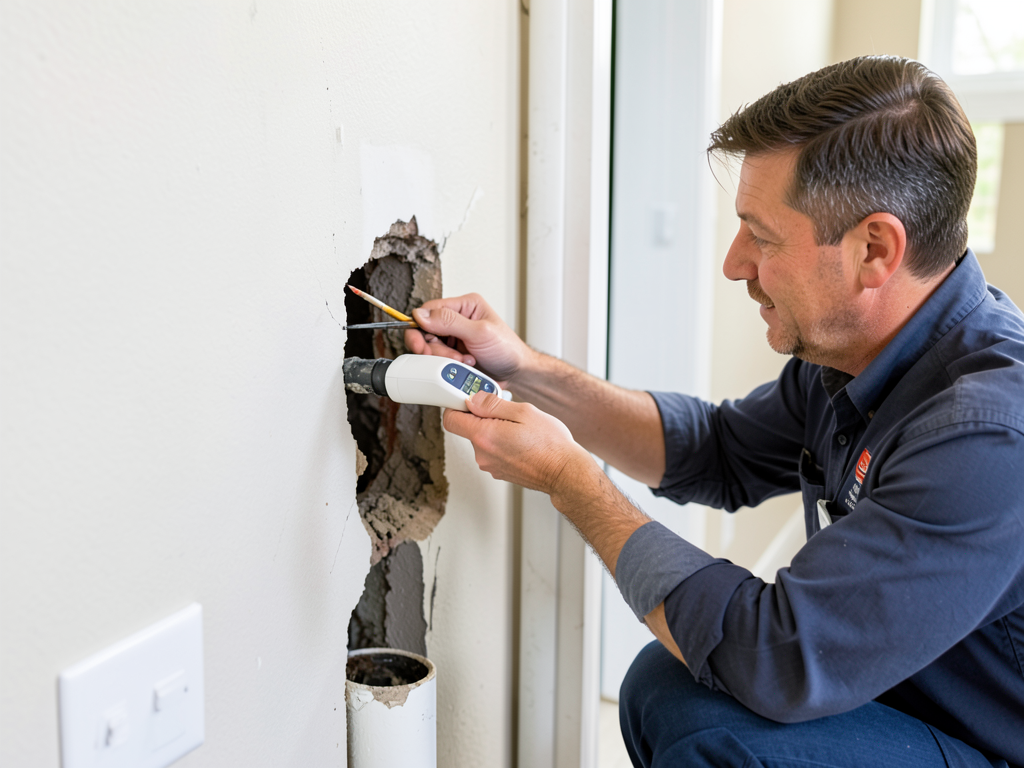
During the inspection process we use a penetrating moisture meter to check inside the wall cavity at multiple heights. We also use a non-penetrating meter to scan the surface. If readings are high at the base and decrease as you move up the wall that confirms the water line and helps determine the cut height. We also check for any insulation behind the drywall since wet insulation must be removed to prevent long-term damage.
In Blue Springs many homes have plaster walls over wood lath which can hide moisture pockets. A flood cut in these walls often reveals saturated wood that would never dry without removal. The same applies to homes near the Missouri River where high water tables can complicate drying efforts. In these cases a flood cut is not just about removing damaged material but also about preventing future problems.
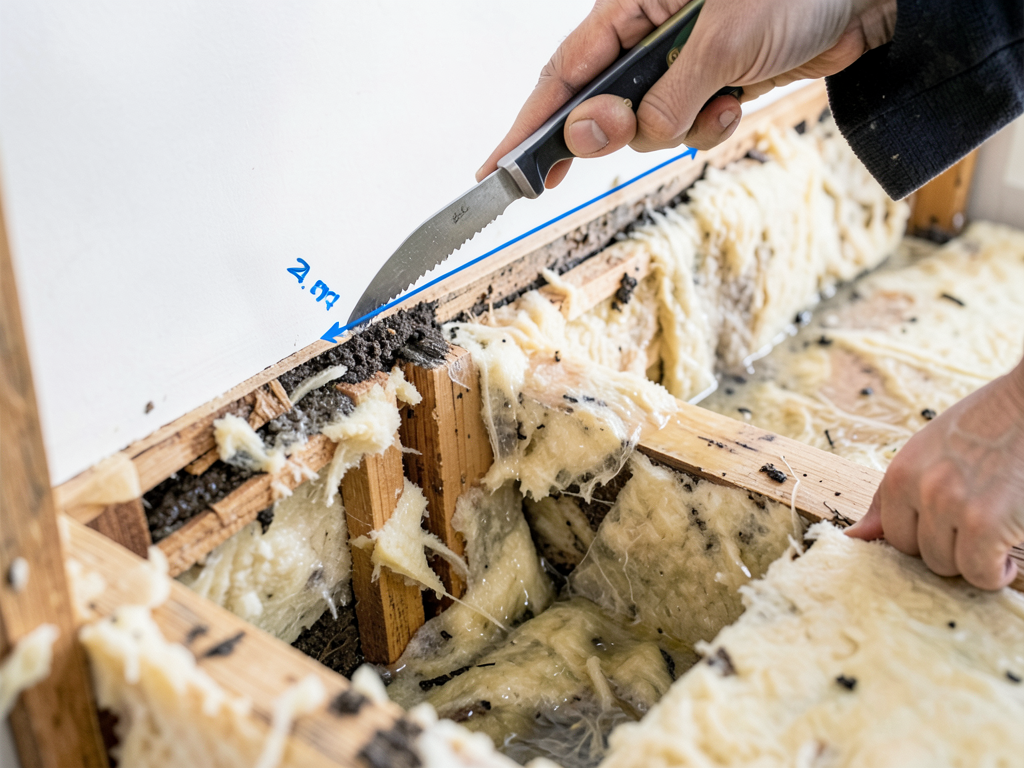
The process itself is straightforward but requires precision. We mark a straight line 12 to 24 inches above the highest water stain. We cut cleanly with a utility knife or reciprocating saw and remove the lower drywall section. We then inspect the exposed cavity for mold or rot. If insulation is present we remove it and bag it for disposal. We then set up drying equipment to thoroughly dry the studs and sill plate before any rebuild.
Insurance adjusters in Jackson County often require documentation of moisture levels before and after drying to approve the flood cut. This is where IICRC S500 standards come in. The S500 is the industry benchmark for water damage restoration and it calls for removing materials that cannot be dried in place within 72 hours. Following these standards not only protects your home but also strengthens your insurance claim. IICRC S500 standards.
Some homeowners worry about the cost of a flood cut. While it does add labor and disposal fees it is far less expensive than dealing with mold remediation months later. In Blue Springs the average cost for a flood cut and drying ranges from $800 to $2 500 depending on the size of the affected area. That is a small price compared to the thousands it can cost to remove and replace mold-damaged walls and flooring.
If you are unsure whether you need a flood cut the safest approach is to call a certified water damage restoration professional. In Blue Springs we respond within an hour and provide a free inspection with moisture readings. We can tell you definitively whether a flood cut is needed or if other drying methods will work. The key is to act fast before mold takes hold.
Remember that not every wet wall needs a flood cut. If the water only affected the surface and the drywall is non-insulated you might be able to dry it in place with dehumidifiers and air movers. But in most cases where insulation is present or the water line is high a flood cut is the most effective way to prevent long-term damage.
In summary a flood cut is needed when water has wicked into the wall cavity beyond what can be dried in place usually more than two feet up the wall or when insulation is present. Signs include visible water lines soft drywall musty odors and high moisture meter readings. Acting quickly and following IICRC S500 standards protects your home and your health.
When a flood cut is absolutely necessary
There are certain conditions where a flood cut is not optional. If the water came from a contaminated source such as a sewage backup or a washing machine overflow the entire affected area must be removed. This is not just about drying but about sanitation. Category 3 water contains harmful bacteria and pathogens that can linger in insulation and drywall.
Another non-negotiable case is when mold is already visible. If you see black green or white fuzzy growth on the wall surface you must remove the affected material immediately. In Blue Springs where summer humidity often exceeds 70 percent mold can spread behind the wall even if you only see a small spot on the surface.
Older homes with plaster walls present a unique challenge. Plaster over wood lath can hold moisture for weeks without showing signs. By the time you notice damage the cavity behind the wall may be saturated. In these cases a flood cut is the only way to assess and repair the damage. EPA mold guidelines.
Finally if your home has a crawl space or pier-and-beam foundation trapped moisture can cause rot in floor joists and sill plates. A flood cut allows access to these critical structural components so they can be dried and treated before permanent damage occurs.
Flood cut vs. other drying methods
Not every situation requires demolition. If the water only affected the surface of the drywall and there is no insulation behind it you might be able to dry it in place. This is common with small clean water spills on exterior walls or in homes with solid surface walls.
In these cases we use high-volume air movers and commercial dehumidifiers to create a drying chamber. We monitor moisture levels daily with meters to ensure the wall is drying properly. This method can save time and money but it only works if the water did not penetrate deep into the wall. Specialized commercial water damage restoration for Kansas City business owners.
The decision between flood cut and in-place drying comes down to three factors: the height of the water line the presence of insulation and the time elapsed since the leak. If any of these factors suggest deep penetration a flood cut is the safer choice.
Why Blue Springs homes are vulnerable to wall water damage
Blue Springs has unique conditions that make wall water damage more common. Many homes here were built in the 1960s and 1970s with galvanized steel plumbing. These pipes corrode from the inside and are prone to sudden bursts especially in winter when freezing occurs.
The soil in Blue Springs is a mix of clay and silt which expands when wet. This puts pressure on underground pipes and can cause joints to fail. When a pipe bursts the water often travels along the path of least resistance which is frequently inside wall cavities.
Another factor is the age of the homes. Many Blue Springs neighborhoods have mature trees with roots that can invade sewer lines. A blocked sewer line can back up into the home and cause extensive wall damage that requires a flood cut to remediate.
Finally the humid summers in Jackson County mean that any moisture left in walls after a leak can lead to rapid mold growth. This makes timely action and proper drying even more critical in our area.
The flood cut process step by step
Step 1: Inspection and moisture mapping. We use moisture meters to find the highest water line and check for hidden moisture pockets.. Read more about Finding hidden leaks in Leawood homes using thermal imaging technology.
Step 2: Containment setup. We seal off the work area with plastic sheeting to prevent dust and mold spores from spreading.
Step 3: Marking the cut line. We measure 12 to 24 inches above the highest water stain and mark a straight line around the room.
Step 4: Cutting and removal. We cut cleanly along the line and remove the lower drywall section. We bag and remove any wet insulation.
Step 5: Drying the cavity. We set up dehumidifiers and air movers to dry the exposed studs and sill plate. We monitor moisture levels daily.
Step 6: Antimicrobial treatment. Once dry we apply an antimicrobial solution to prevent mold growth.
Step 7: Rebuild. After the area is certified dry we replace the drywall tape and texture to match the existing wall.
Cost factors for flood cuts in Blue Springs
The cost of a flood cut depends on several factors. The size of the affected area is the biggest driver. A small bathroom cut might cost $500 while a whole basement cut could run $3 000 or more. What to do when your Overland Park basement floods during a storm.
The type of wall material matters too. Plaster walls take more time to cut and repair than standard drywall. If you have wood paneling or tile the cost can increase due to the extra labor involved.
Accessibility also affects price. If the affected area is behind cabinets or in a tight crawl space the job takes longer and costs more.
Finally the need for mold remediation can add to the cost. If we find active mold growth during the cut we must follow EPA guidelines for safe removal which adds labor and disposal fees.
Preventing future pipe bursts
While a flood cut fixes the immediate damage you also want to prevent future bursts. In Blue Springs the most common cause is freezing. Insulate exposed pipes in unheated areas like basements and crawl spaces. Use heat tape on pipes near exterior walls.
Another preventive step is to replace old galvanized pipes with PEX or copper. This is especially important in homes over 30 years old. The cost of repiping is far less than the damage from a major burst.
Finally install a water leak detection system. These devices can shut off your water automatically if they detect a leak. Some models connect to your smartphone so you get an alert even when you are away from home.
Insurance coverage for flood cuts
Most homeowners insurance policies in Jackson County cover the cost of a flood cut if it is needed to repair sudden water damage. However they may not cover the cost if the damage was due to neglect such as failing to maintain your plumbing.
The key is to document everything. Take photos of the damage before any work begins. Keep receipts for emergency services. Get a written estimate from your restoration company.
Your insurance adjuster may require a third-party moisture inspection to verify the need for a flood cut. This is where working with a certified restoration company pays off. We provide the documentation your adjuster needs to approve the claim.
Frequently Asked Questions
How long does a flood cut take?
A typical flood cut and drying process takes 3 to 5 days. The cut itself can be done in a few hours but the drying phase takes several days to ensure the cavity is completely dry.
Can I do a flood cut myself?
We do not recommend it. A flood cut involves more than just cutting drywall. You need to check for mold treat the cavity and ensure proper drying. Without the right equipment and training you risk leaving moisture behind which can lead to mold growth.
Will a flood cut match my existing wall?
Yes. Professional restoration companies can match the texture and paint of your existing wall so the repair is invisible. This is part of the rebuild process we include in our service.
How do I know if I need a flood cut or just drying?
The only way to know for sure is to have a moisture inspection. If the water line is high or if there is insulation behind the wall a flood cut is usually necessary. If the damage is minimal and there is no insulation in-place drying might work.
Does a flood cut prevent mold?
A flood cut removes the material that would harbor mold and allows the cavity to dry completely. When done properly it is one of the most effective ways to prevent mold after a major water leak.
If you are dealing with a burst pipe in your Blue Springs home do not wait. Call (816) 473-3833 now for a free inspection. We will tell you exactly what needs to be done and get your home back to normal fast.
You may also find this helpful. When is it safe to just dry the carpet versus replacing the pad in your Gladstone home?.
{
“@context”: “https://schema.org”,
“@type”: “BlogPosting”,
“headline”: “How to tell if your Blue Springs home needs a flood cut after a pipe burst”,
“description”: “Learn how to identify when your Blue Springs home needs a flood cut after a pipe burst. Discover the signs, process, and why quick action prevents mold.”,
“wordCount”: 2308,
“datePublished”: “2026-03-05T14:44:00.000Z”,
“dateModified”: “2026-03-05T14:44:00.000Z”,
“inLanguage”: “en-US”,
“mainEntityOfPage”: {
“@type”: “WebPage”,
“@id”: “https://apluswaterdamagerestorationkansascity.com”
},
“publisher”: {
“@type”: “LocalBusiness”,
“name”: “A Plus Water Damage Restoration Kansas City”,
“url”: “https://apluswaterdamagerestorationkansascity.com”
},
“author”: {
“@type”: “Organization”,
“name”: “A Plus Water Damage Restoration Kansas City”,
“url”: “https://apluswaterdamagerestorationkansascity.com”
},
“image”: {
“@type”: “ImageObject”,
“url”: “https://apluswaterdamagerestorationkansascity.com/wp-content/uploads/2026/03/how-to-tell-if-your-blue-springs-home-needs-a-floo-1.png”
}
}
{
“@context”: “https://schema.org”,
“@type”: “LocalBusiness”,
“name”: “A Plus Water Damage Restoration Kansas City”,
“url”: “https://apluswaterdamagerestorationkansascity.com”,
“address”: {
“@type”: “PostalAddress”,
“addressLocality”: “Kansas City”
},
“areaServed”: {
“@type”: “City”,
“name”: “Kansas City”
}
}
{
“@context”: “https://schema.org”,
“@type”: “FAQPage”,
“mainEntity”: [
{
“@type”: “Question”,
“name”: “How long does a flood cut take?”,
“acceptedAnswer”: {
“@type”: “Answer”,
“text”: “A typical flood cut and drying process takes 3 to 5 days. The cut itself can be done in a few hours but the drying phase takes several days to ensure the cavity is completely dry.”
}
},
{
“@type”: “Question”,
“name”: “Can I do a flood cut myself?”,
“acceptedAnswer”: {
“@type”: “Answer”,
“text”: “We do not recommend it. A flood cut involves more than just cutting drywall. You need to check for mold treat the cavity and ensure proper drying. Without the right equipment and training you risk leaving moisture behind which can lead to mold growth.”
}
},
{
“@type”: “Question”,
“name”: “Will a flood cut match my existing wall?”,
“acceptedAnswer”: {
“@type”: “Answer”,
“text”: “Yes. Professional restoration companies can match the texture and paint of your existing wall so the repair is invisible. This is part of the rebuild process we include in our service.”
}
},
{
“@type”: “Question”,
“name”: “How do I know if I need a flood cut or just drying?”,
“acceptedAnswer”: {
“@type”: “Answer”,
“text”: “The only way to know for sure is to have a moisture inspection. If the water line is high or if there is insulation behind the wall a flood cut is usually necessary. If the damage is minimal and there is no insulation in-place drying might work.”
}
},
{
“@type”: “Question”,
“name”: “Does a flood cut prevent mold?”,
“acceptedAnswer”: {
“@type”: “Answer”,
“text”: “A flood cut removes the material that would harbor mold and allows the cavity to dry completely. When done properly it is one of the most effective ways to prevent mold after a major water leak.”
}
}
]
}
{
“@context”: “https://schema.org”,
“@type”: “BreadcrumbList”,
“itemListElement”: [
{
“@type”: “ListItem”,
“position”: 1,
“name”: “Home”,
“item”: “https://apluswaterdamagerestorationkansascity.com”
},
{
“@type”: “ListItem”,
“position”: 2,
“name”: “Blog”,
“item”: “https://apluswaterdamagerestorationkansascity.com/blog”
},
{
“@type”: “ListItem”,
“position”: 3,
“name”: “How to tell if your Blue Springs home needs a flood cut after a pipe burst”
}
]
}
{
“@context”: “https://schema.org”,
“@type”: “Service”,
“serviceType”: “Water Damage Restoration”,
“provider”: {
“@type”: “LocalBusiness”,
“name”: “A Plus Water Damage Restoration Kansas City”,
“url”: “https://apluswaterdamagerestorationkansascity.com”
},
“areaServed”: {
“@type”: “City”,
“name”: “Kansas City”
},
“description”: “Learn how to identify when your Blue Springs home needs a flood cut after a pipe burst. Discover the signs, process, and why quick action prevents mold.”
}