How to safely handle a sewage backup in your Olathe home
A sewage backup in your Olathe home creates an immediate health emergency. Raw sewage contains Category 3 water with dangerous pathogens including E. coli, Salmonella, and Hepatitis A. These contaminants spread rapidly through your home’s structure and create severe respiratory risks. The longer sewage sits, the more it penetrates porous materials and the greater the damage becomes. Professional sewage cleanup requires specialized equipment, protective gear, and adherence to IICRC S500 standards for Category 3 water remediation. EPA emergency disinfection guidelines.
Time matters. Every hour of delay allows contamination to spread deeper into walls, flooring, and HVAC systems. Olathe’s aging infrastructure in older neighborhoods like downtown and some areas near Santa Fe Street can contribute to sewer line failures. Clay soil conditions common in Johnson County can cause foundation shifting that damages sewer pipes over time. Quick professional response prevents structural damage and protects your family’s health.
Immediate steps to take when sewage backs up
Safety comes first. Sewage water contains harmful bacteria and viruses that can cause serious illness through skin contact or inhalation. Keep children and pets away from contaminated areas. Do not attempt to clean up sewage with household cleaning products. These methods cannot properly disinfect or remove all contaminants.
Turn off electricity to affected areas if water reaches outlets or electrical panels. This prevents shock hazards and electrical fires. Avoid walking through sewage water whenever possible to prevent spreading contamination throughout your home. Document the damage with photos for insurance purposes before any cleanup begins.
Open windows for ventilation but avoid using your HVAC system. Running air handlers can spread contaminated particles through your home’s ductwork. Place towels or barriers at doorways to contain the spread of sewage to unaffected areas. These immediate actions protect your family while professionals arrive with proper equipment.
Professional sewage cleanup process in Olathe
Professional sewage remediation follows a systematic process that ensures complete decontamination. The process begins with a thorough assessment using moisture meters and thermal imaging cameras to identify all affected areas. Sewage can travel through wall cavities and under flooring where it remains hidden from view.
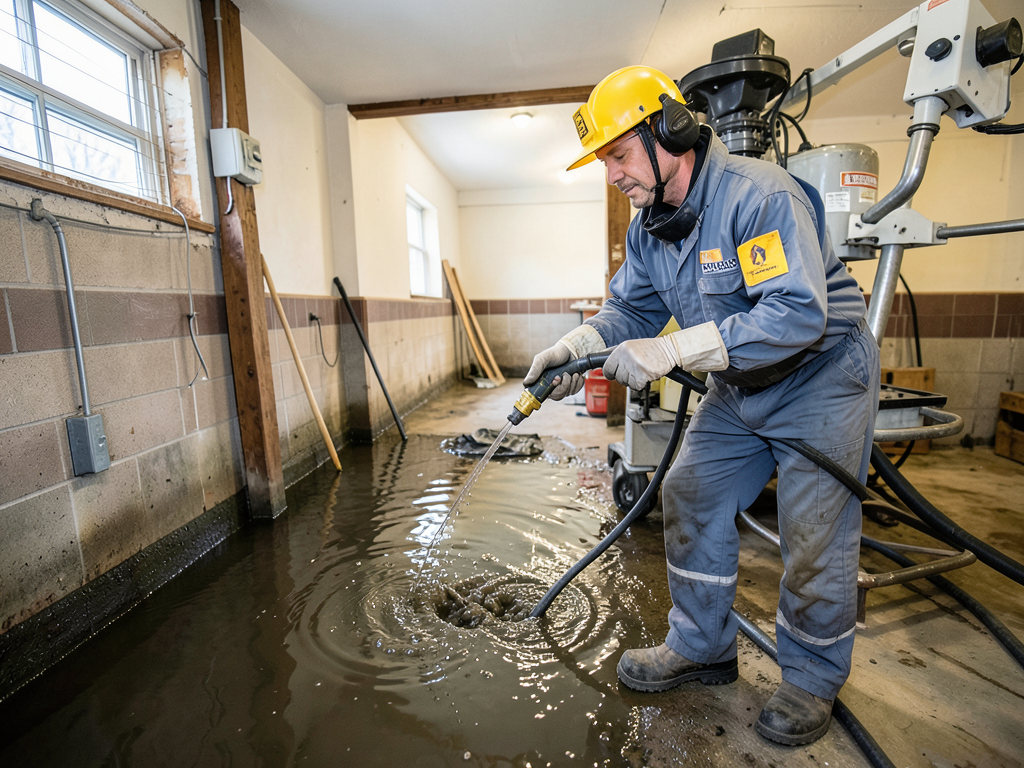
Water extraction uses commercial-grade pumps and wet vacuums designed for Category 3 water removal. Standard shop vacs cannot handle the volume or contamination level of sewage water. Technicians wear full personal protective equipment including respirators, chemical-resistant suits, and waterproof boots during the entire cleanup process.
Structural drying involves removing contaminated materials that cannot be properly disinfected. This typically includes carpet, padding, drywall, and insulation that came into contact with sewage. Non-porous materials receive antimicrobial treatments and thorough cleaning. Air scrubbers with HEPA filters remove airborne contaminants during the drying process.
Final disinfection uses EPA-registered antimicrobials specifically formulated for sewage contamination. Technicians test surfaces to verify proper disinfection levels. The process concludes with moisture testing to ensure complete drying and prevent mold growth. Professional sewage cleanup typically takes 3-5 days depending on the extent of contamination.
Dangers of Category 3 black water contamination
Category 3 water contains harmful pathogens that cause serious illnesses. E. coli bacteria can cause severe gastrointestinal distress and kidney failure. Salmonella leads to fever, abdominal cramps, and dehydration. Hepatitis A virus attacks the liver and causes jaundice, fatigue, and abdominal pain. These pathogens survive in contaminated materials for extended periods.
Mold growth begins within 24-48 hours of water exposure. Sewage provides ideal nutrients for mold spores to multiply rapidly. Black mold species like Stachybotrys chartarum produce mycotoxins that cause respiratory problems, headaches, and immune system suppression. Children, elderly individuals, and those with respiratory conditions face the highest risk.
Structural damage occurs as sewage water breaks down building materials. Drywall loses structural integrity within hours of saturation. Wood flooring warps and delaminates. Concrete foundations can develop cracks that allow future water intrusion. The longer sewage remains, the more extensive and expensive the repairs become.
Air quality deteriorates rapidly in contaminated spaces. Sewage releases hydrogen sulfide gas that causes eye irritation, headaches, and nausea. Airborne bacteria and mold spores circulate through HVAC systems affecting entire homes. Professional air quality testing often reveals contamination levels far exceeding safe limits in untreated sewage areas.
Why Olathe homes face unique sewage risks
Olathe’s combination of older infrastructure and clay soil creates specific sewage backup vulnerabilities. Many homes in established neighborhoods near downtown Olathe were built before modern plumbing codes and may have deteriorating sewer lines. Clay soil expands and contracts with moisture changes, putting pressure on underground pipes and causing cracks or separations.
Johnson County’s water table can rise significantly during heavy rains, overwhelming municipal sewer systems. Combined sewer systems in older parts of Olathe can back up when stormwater enters the system. Tree roots commonly invade sewer lines seeking moisture, creating blockages that cause backups during normal household use.
Recent infrastructure projects along Santa Fe Street and surrounding areas have revealed aging sewer lines that require replacement. These projects often cause temporary disruptions but highlight the need for updated plumbing in many Olathe neighborhoods. Homes built in the 1960s through 1980s face the highest risk of sewer line failure.
Seasonal factors affect sewage backup frequency. Spring thunderstorms overwhelm drainage systems. Summer droughts cause soil contraction that damages pipes. Fall leaf debris can clog municipal drains. Winter freezes can cause pipe cracks that fail when spring thaws arrive. Understanding these patterns helps homeowners prepare for potential sewage issues.
Insurance coverage and claims assistance
Standard homeowners insurance policies typically cover sudden and accidental sewage backups but exclude damage from long-term neglect or maintenance issues. Coverage limits often range from $5,000 to $25,000 for sewage backup damage. Many homeowners discover they need additional riders or endorsements for adequate protection.
Professional restoration companies work directly with insurance carriers to streamline the claims process. They provide detailed documentation including moisture readings, photo evidence, and itemized lists of damaged materials. This documentation proves essential for claim approval and ensures you receive proper compensation for restoration costs.
Time limits apply to insurance claims. Most policies require notification within 24-72 hours of discovering damage. Waiting too long can result in claim denial. Professional restoration teams understand insurance requirements and can help ensure your claim meets all necessary deadlines and documentation standards.
Additional living expenses coverage may apply if sewage damage makes your home uninhabitable. This coverage pays for temporary housing, meals, and other increased living costs while restoration occurs. Understanding your policy details before an emergency helps you make informed decisions during stressful situations.
Preventing future sewage backups
Regular sewer line maintenance prevents most sewage backup issues. Professional camera inspections identify tree root intrusion, pipe cracks, and blockages before they cause major problems. These inspections typically cost $300-500 but can prevent $10,000+ in damage from a major backup.
Install backwater valves on main sewer lines to prevent municipal system backups from entering your home. These one-way valves allow sewage to exit but close automatically when reverse flow is detected. Installation costs range from $1,500-3,000 but provide significant protection against external sewage intrusion.
Proper grease disposal prevents kitchen sink line blockages. Never pour cooking oil, fats, or grease down drains. These substances solidify in pipes and create stubborn clogs that can back up into your home. Use strainers in all drains to catch hair, food particles, and other debris.
Monitor water usage during heavy rainfall. Avoid running multiple water appliances simultaneously when municipal systems face high demand. This reduces pressure on your home’s plumbing and the municipal system, decreasing backup risks. Consider installing water alarms near floor drains and sump pumps for early warning of potential problems.
Health and safety considerations
Category 3 water exposure poses serious health risks that extend beyond immediate illness. Long-term exposure to sewage contaminants can cause chronic respiratory problems, skin infections, and immune system suppression. Professional remediation eliminates these risks through proper decontamination and disposal procedures.
Personal protective equipment requirements exceed standard cleaning gear. Category 3 water remediation requires full-face respirators with P100 filters, chemical-resistant suits, waterproof boots, and heavy-duty gloves. This equipment prevents direct contact with pathogens and blocks inhalation of harmful particles and gases.
Air quality testing verifies when spaces are safe for reoccupation. Professional testing measures bacteria levels, mold spore counts, and volatile organic compounds. These tests ensure all contamination has been removed before families return to affected areas. DIY testing kits cannot accurately measure Category 3 water contamination levels.
Mental health impacts often accompany sewage damage. The stress of dealing with contamination, potential health risks, and property damage creates anxiety and sleep disruption. Professional restoration teams understand these concerns and work efficiently to restore normalcy while maintaining clear communication throughout the process.
Equipment and technology used in sewage cleanup
Professional sewage cleanup requires specialized equipment not available to homeowners. Truck-mounted extraction units provide powerful vacuum capabilities for removing large volumes of contaminated water. These units discharge directly to sanitary sewers, preventing secondary contamination of your property.
Air scrubbers with HEPA filtration remove 99.97% of particles 0.3 microns or larger. This includes bacteria, mold spores, and other pathogens. Multiple air scrubbers create negative pressure environments that contain contamination and prevent spread to unaffected areas. Continuous air monitoring ensures proper filtration throughout the cleanup process.
Moisture meters with penetrating probes measure moisture content in wall cavities, under flooring, and within structural materials. These readings guide the drying process and verify when materials have reached safe moisture levels. Thermal imaging cameras identify hidden moisture pockets that could cause future mold growth.
Hydroxyl generators use UV light technology to neutralize odors and break down organic contaminants at the molecular level. Unlike ozone generators, hydroxyl machines are safe for occupied spaces and effectively eliminate sewage odors without leaving harmful residues. This technology ensures complete odor removal rather than temporary masking.
Local regulations and compliance requirements
Johnson County and Olathe municipal codes require proper disposal of Category 3 water and contaminated materials. The Kansas Department of Health and Environment mandates specific handling and disposal procedures for sewage-contaminated materials. Professional restoration companies maintain current certifications and follow all applicable regulations.
EPA regulations govern the use of antimicrobial treatments and disposal of contaminated materials. Products must be EPA-registered for the specific application and used according to label instructions. Improper use of antimicrobials can create additional health hazards and violate federal regulations.
Building codes require replacement of contaminated materials that cannot be properly disinfected. This includes drywall, insulation, and porous flooring materials. Local inspectors may require documentation of proper disposal and replacement to approve restoration work. Professional companies understand these requirements and ensure compliance.
OSHA regulations protect workers handling Category 3 water through specific personal protective equipment requirements and exposure limits. Professional restoration companies provide comprehensive training and equipment to ensure worker safety. This compliance protects both workers and homeowners from liability issues.
Cost factors and restoration timeline
Sewage cleanup costs vary based on contamination extent, affected area size, and material types involved. Small bathroom backups might cost $2,000-4,000 while whole-house contamination can exceed $15,000. Factors affecting cost include demolition requirements, material replacement needs, and specialized equipment usage.
Restoration timeline depends on contamination severity and drying requirements. Minor cleanups might complete in 3-4 days while extensive damage requires 7-10 days. Factors affecting timeline include material drying times, reconstruction needs, and insurance approval processes. Professional companies provide detailed schedules and keep homeowners informed throughout the process.
Hidden costs often emerge during sewage cleanup. Mold remediation, HVAC cleaning, and structural repairs may be necessary after initial cleanup. Professional assessments identify these potential issues early, allowing for proper budgeting and planning. Understanding the full scope prevents unexpected expenses during restoration.
DIY cleanup attempts typically cost more long-term due to incomplete remediation and secondary damage. Professional services include warranties and guarantees that protect your investment. The initial cost premium often saves money by preventing future problems and ensuring proper restoration the first time.
Choosing the right restoration company
Certification matters when selecting a sewage cleanup company. Look for IICRC certification in water damage restoration and specific training in Category 3 water remediation. These certifications prove technicians understand proper procedures and safety requirements for handling hazardous contamination.
Experience with local conditions provides significant advantages. Companies familiar with Olathe’s infrastructure, soil conditions, and building patterns understand common failure points and effective solutions. Local experience also means familiarity with area building codes and insurance company requirements.
24/7 emergency response capability is essential for sewage backups. Contamination worsens by the hour, making rapid response critical. Professional companies maintain fully equipped response teams ready to deploy within 60 minutes of your call. This immediate response limits damage and protects your family’s health.
Insurance coordination experience simplifies the claims process. Professional companies document damage thoroughly, communicate directly with adjusters, and ensure all necessary information reaches insurance companies promptly. This coordination reduces stress and helps you receive maximum coverage for your restoration costs.
Frequently Asked Questions
How quickly should I respond to a sewage backup?
Immediate response is critical. Sewage contamination spreads rapidly and poses serious health risks. Contact professional restoration services within the first hour of discovering a backup. Every hour of delay allows contamination to spread deeper into your home’s structure and increases health risks for your family.
Can I clean up sewage myself?
No. Household cleaning products cannot properly disinfect Category 3 water contamination. Professional sewage cleanup requires specialized equipment, EPA-registered antimicrobials, and proper disposal procedures that homeowners cannot access. DIY attempts often spread contamination further and create long-term health hazards through incomplete remediation.
Will my insurance cover sewage backup damage?
Most standard homeowners policies cover sudden and accidental sewage backups but require specific endorsements for adequate protection. Coverage typically ranges from $5,000 to $25,000. Professional restoration companies can verify your coverage and assist with the claims process to ensure you receive proper compensation.
How long does sewage cleanup take?
Cleanup timelines vary based on contamination extent but typically require 3-7 days. The process includes water extraction, material removal, antimicrobial treatment, and structural drying. Professional companies provide detailed schedules and update you throughout the restoration process to keep you informed of progress and completion expectations.
What health risks does sewage contamination pose?
Category 3 water contains harmful pathogens including E. coli, Salmonella, and Hepatitis A that cause serious illnesses. Sewage also promotes rapid mold growth that produces respiratory toxins. Professional remediation eliminates these health risks through proper decontamination, air quality testing, and verification that spaces are safe for reoccupation.
Protect your Olathe home from sewage damage
Sewage backups create dangerous health emergencies that require immediate professional attention. The combination of harmful pathogens, rapid mold growth, and structural damage makes DIY cleanup dangerous and ineffective. Professional restoration teams bring the equipment, training, and experience necessary to safely restore your home.
Olathe’s specific conditions including aging infrastructure, clay soil, and seasonal weather patterns create unique sewage backup risks. Understanding these local factors helps homeowners prepare and respond appropriately when problems occur. Regular maintenance and preventive measures reduce but cannot eliminate the risk of sewage backups.
Professional sewage cleanup follows strict safety protocols and regulatory requirements that protect both workers and homeowners. The investment in professional services prevents long-term health issues and ensures complete restoration of your home’s safety and livability. Don’t risk your family’s health by attempting to handle sewage contamination yourself.
Emergency sewage backups require immediate action. Call (816) 473-3833 now for 24/7 professional sewage cleanup in Olathe. Our IICRC certified technicians arrive within 60 minutes with proper equipment and protective gear to safely handle your sewage emergency. Don’t wait until contamination spreads further through your home. For more information, visit CDC infectious disease information.
{
“@context”: “https://schema.org”,
“@type”: “BlogPosting”,
“headline”: “How to safely handle a sewage backup in your Olathe home”,
“description”: “Emergency sewage cleanup in Olathe KS. 24/7 rapid response for black water damage. IICRC certified experts. Call (816) 473-3833 now.”,
“wordCount”: 2576,
“datePublished”: “2026-02-14T08:38:00.000Z”,
“dateModified”: “2026-02-14T08:38:00.000Z”,
“inLanguage”: “en-US”,
“mainEntityOfPage”: {
“@type”: “WebPage”,
“@id”: “https://apluswaterdamagerestorationkansascity.com”
},
“publisher”: {
“@type”: “LocalBusiness”,
“name”: “A Plus Water Damage Restoration Kansas City”,
“url”: “https://apluswaterdamagerestorationkansascity.com”
},
“author”: {
“@type”: “Organization”,
“name”: “A Plus Water Damage Restoration Kansas City”,
“url”: “https://apluswaterdamagerestorationkansascity.com”
},
“image”: {
“@type”: “ImageObject”,
“url”: “https://apluswaterdamagerestorationkansascity.com/wp-content/uploads/2026/03/how-to-safely-handle-a-sewage-backup-in-your-olath-1.png”
}
}
{
“@context”: “https://schema.org”,
“@type”: “LocalBusiness”,
“name”: “A Plus Water Damage Restoration Kansas City”,
“url”: “https://apluswaterdamagerestorationkansascity.com”,
“address”: {
“@type”: “PostalAddress”,
“addressLocality”: “Kansas City”
},
“areaServed”: {
“@type”: “City”,
“name”: “Kansas City”
}
}
{
“@context”: “https://schema.org”,
“@type”: “FAQPage”,
“mainEntity”: [
{
“@type”: “Question”,
“name”: “How quickly should I respond to a sewage backup?”,
“acceptedAnswer”: {
“@type”: “Answer”,
“text”: “Immediate response is critical. Sewage contamination spreads rapidly and poses serious health risks. Contact professional restoration services within the first hour of discovering a backup. Every hour of delay allows contamination to spread deeper into your home’s structure and increases health risks for your family.”
}
},
{
“@type”: “Question”,
“name”: “Can I clean up sewage myself?”,
“acceptedAnswer”: {
“@type”: “Answer”,
“text”: “No. Household cleaning products cannot properly disinfect Category 3 water contamination. Professional sewage cleanup requires specialized equipment, EPA-registered antimicrobials, and proper disposal procedures that homeowners cannot access. DIY attempts often spread contamination further and create long-term health hazards through incomplete remediation.”
}
},
{
“@type”: “Question”,
“name”: “Will my insurance cover sewage backup damage?”,
“acceptedAnswer”: {
“@type”: “Answer”,
“text”: “Most standard homeowners policies cover sudden and accidental sewage backups but require specific endorsements for adequate protection. Coverage typically ranges from $5,000 to $25,000. Professional restoration companies can verify your coverage and assist with the claims process to ensure you receive proper compensation.”
}
},
{
“@type”: “Question”,
“name”: “How long does sewage cleanup take?”,
“acceptedAnswer”: {
“@type”: “Answer”,
“text”: “Cleanup timelines vary based on contamination extent but typically require 3-7 days. The process includes water extraction, material removal, antimicrobial treatment, and structural drying. Professional companies provide detailed schedules and update you throughout the restoration process to keep you informed of progress and completion expectations.”
}
},
{
“@type”: “Question”,
“name”: “What health risks does sewage contamination pose?”,
“acceptedAnswer”: {
“@type”: “Answer”,
“text”: “Category 3 water contains harmful pathogens including E. coli, Salmonella, and Hepatitis A that cause serious illnesses. Sewage also promotes rapid mold growth that produces respiratory toxins. Professional remediation eliminates these health risks through proper decontamination, air quality testing, and verification that spaces are safe for reoccupation.”
}
}
]
}
{
“@context”: “https://schema.org”,
“@type”: “BreadcrumbList”,
“itemListElement”: [
{
“@type”: “ListItem”,
“position”: 1,
“name”: “Home”,
“item”: “https://apluswaterdamagerestorationkansascity.com”
},
{
“@type”: “ListItem”,
“position”: 2,
“name”: “Blog”,
“item”: “https://apluswaterdamagerestorationkansascity.com/blog”
},
{
“@type”: “ListItem”,
“position”: 3,
“name”: “How to safely handle a sewage backup in your Olathe home”
}
]
}
{
“@context”: “https://schema.org”,
“@type”: “Service”,
“serviceType”: “Water Damage Restoration”,
“provider”: {
“@type”: “LocalBusiness”,
“name”: “A Plus Water Damage Restoration Kansas City”,
“url”: “https://apluswaterdamagerestorationkansascity.com”
},
“areaServed”: {
“@type”: “City”,
“name”: “Kansas City”
},
“description”: “Emergency sewage cleanup in Olathe KS. 24/7 rapid response for black water damage. IICRC certified experts. Call (816) 473-3833 now.”
}