Getting your Independence home back to normal after a flash flood
When floodwaters surge through Independence streets and into your basement, every minute counts. Flash flooding from the Little Blue River or sudden downpours can leave homeowners facing contaminated water, damaged belongings, and the looming threat of mold growth. The first 24 hours after a flood are critical for preventing long-term structural damage to your Independence home. What to do when your Overland Park basement floods during a storm.
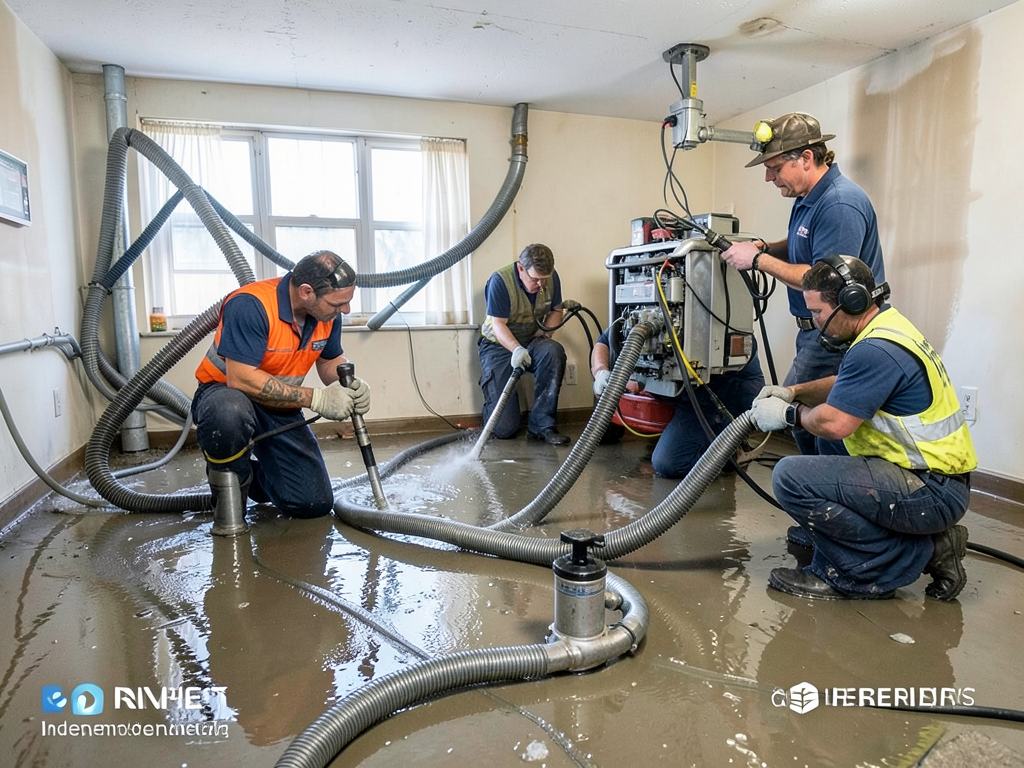
Emergency water extraction and structural drying must begin immediately to stop moisture from seeping into walls, flooring, and your home’s foundation. Professional restoration teams arrive with industrial-grade equipment including truck-mounted extractors, high-velocity air movers, and LGR dehumidifiers that remove moisture at a rate far beyond what household fans can achieve.. Read more about Choosing the right water damage restoration company in Kansas City (What to look for).
Beyond water removal, comprehensive flood restoration includes content cleaning for salvageable items, antimicrobial treatments to prevent mold colonies from establishing, and complete structural repairs to return your Independence home to its pre-flood condition. Working directly with your insurance adjuster, experienced restoration specialists handle the documentation and claims process while you focus on your family’s safety. EPA Mold Guidelines.
Call (816) 473-3833 now for 24/7 emergency response. Our Independence-based team arrives within 60 minutes to begin protecting your home from escalating water damage.. Read more about Emergency storm damage cleanup and tarping in the Kansas City metro.
Understanding flash flood risks in Independence
Independence sits in a unique geographical position where urban development meets the Little Blue River watershed, creating specific flood vulnerabilities. The city’s aging storm sewer infrastructure in neighborhoods like Santa Fe and Bundschu often cannot handle the volume of water during intense thunderstorms that have become more frequent in recent years.
Clay-heavy soils common in Jackson County absorb water slowly, causing rapid surface runoff that overwhelms drainage systems. When heavy rains coincide with high river levels, flash flooding can occur within minutes, catching homeowners off guard and sending contaminated water into basements across Independence.
According to FEMA flood maps, several Independence neighborhoods including areas near the Little Blue River Parkway and portions of the Glenaire district fall within high-risk flood zones. These areas experience repeated flooding events where even moderate rainfall can trigger basement water intrusion. FEMA Flood Insurance Information.
The Missouri Department of Natural Resources mandates specific flood mitigation requirements for homes in these zones, including proper grading away from foundations and sump pump systems that meet current code standards. Homes built before these regulations may lack adequate protection against flash flooding.
Local infrastructure improvements along the Little Blue River have helped reduce flood frequency, but extreme weather events continue to test the city’s drainage capacity. Understanding your property’s specific flood risk requires reviewing both historical flooding patterns and current watershed conditions. Restoring historic homes in Brookside and Waldo after water damage.
Emergency flood response timeline for Independence homeowners
The first hour after floodwater enters your home determines the extent of damage and restoration costs. Within 60 minutes of your call, our Independence-based emergency team arrives with truck-mounted extraction equipment capable of removing thousands of gallons of water per hour from your basement or main floor.
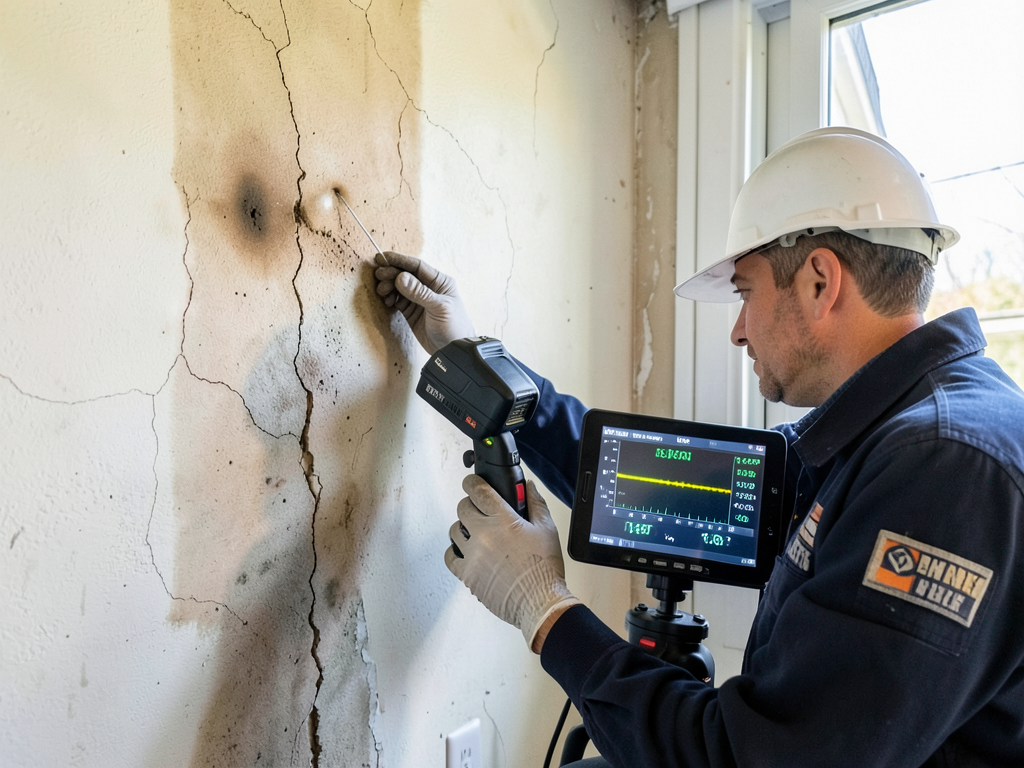
During the initial assessment, technicians use moisture meters to detect water migration into wall cavities, under flooring, and within ceiling spaces. Thermal imaging cameras reveal hidden moisture pockets that could lead to mold growth if left untreated. This diagnostic process follows IICRC S500 standards for water damage restoration.
Water extraction begins immediately using submersible pumps for standing water deeper than two inches, followed by truck-mounted vacuum extraction for remaining moisture. The equipment used exceeds residential capabilities, removing water from carpet padding, hardwood floor seams, and concrete pores where household shop vacs cannot reach.
Within the first four hours, industrial air movers and LGR dehumidifiers create a drying chamber that pulls moisture from structural materials. The drying process requires monitoring moisture content in wood framing, drywall, and concrete to ensure materials return to safe levels below 16% moisture content.
Content manipulation protects your belongings during restoration. Technicians move furniture to dry areas, block items to prevent staining, and identify which items require specialized cleaning or are beyond restoration. This systematic approach prevents secondary damage from prolonged moisture exposure. Specialized commercial water damage restoration for Kansas City business owners.
Insurance documentation begins during the emergency response. Technicians photograph damage, create moisture maps, and provide detailed reports that support your insurance claim. This documentation proves invaluable when working with adjusters who may not visit the site for days after the flooding event.
Structural drying and moisture control in Independence basements
Independence basements face unique drying challenges due to the region’s clay soil composition and high water table in certain areas. When floodwater saturates basement walls and floors, moisture becomes trapped in porous materials like concrete block, mortar joints, and wood framing.
Professional structural drying requires creating a controlled drying environment using industrial dehumidifiers that remove 20-30 gallons of water from the air daily. These LGR (low-grain refrigerant) units achieve moisture levels that standard rental dehumidifiers cannot reach, preventing secondary damage to electronics and wood furnishings.
Air movement plays a critical role in the drying process. High-velocity air movers create evaporation across wet surfaces at rates of up to 30 feet per minute. Technicians position these strategically to direct airflow across the longest dimensions of affected areas, ensuring complete moisture removal from all surfaces.
Moisture content monitoring continues throughout the drying process. Technicians use penetrating moisture meters to test wood framing, concrete moisture meters for slab floors, and hygrometers to track relative humidity levels. This data-driven approach ensures materials reach the dry standard specific to each material type.
Foundation walls in Independence homes often require special attention due to the area’s expansive clay soils. These soils can hold moisture against basement walls for extended periods, requiring targeted drying strategies that address both surface moisture and moisture trapped within the wall assembly.
Dehumidification continues until all materials test within acceptable moisture content ranges. The process typically requires 3-5 days for complete structural drying, depending on the extent of flooding, materials affected, and environmental conditions in your Independence home.
Mold prevention and antimicrobial treatment
Mold growth begins within 24-48 hours after water exposure, making prevention critical in Independence’s humid climate. The combination of moisture, organic materials, and temperatures between 70-90 degrees creates ideal conditions for mold spores to colonize and spread throughout your home.
Antimicrobial treatments applied during the drying process inhibit mold growth on affected surfaces. These EPA-registered products create a protective barrier that prevents spore germination while the structural drying process removes the moisture that mold needs to survive.
Air quality testing during restoration identifies airborne contaminants that may have entered through floodwater. Category 3 water from river flooding or sewage backups contains bacteria, viruses, and other pathogens that require specialized cleaning protocols beyond standard water damage restoration.
Content cleaning separates salvageable items from those that must be discarded. Porous materials like upholstered furniture, mattresses, and paper products exposed to contaminated floodwater typically cannot be restored safely. Non-porous items can be cleaned using hot water extraction and antimicrobial treatments. Retail Store Water Cleanup.
Ventilation strategies during restoration prevent cross-contamination to unaffected areas. Negative air pressure containment using HEPA-filtered air scrubbers isolates the work area, protecting your family from exposure to airborne contaminants during the restoration process.
Post-restoration verification includes visual inspection for mold growth, moisture testing to confirm materials are dry, and air quality sampling when necessary. This final assessment ensures your Independence home is safe for reoccupation and free from conditions that could lead to future mold problems.
Insurance claims assistance for Independence flood damage
Navigating insurance claims after a flood in Independence requires understanding both your policy coverage and the documentation requirements of major carriers operating in Jackson County. Most standard homeowners policies exclude flood damage, requiring separate flood insurance through the National Flood Insurance Program or private carriers.
Professional restoration companies work directly with insurance adjusters to streamline the claims process. Detailed damage documentation including photographs, moisture maps, and itemized estimates provide the evidence needed for claim approval. This coordination prevents delays that could extend the time your family lives with water damage.
Emergency services authorization often requires insurance approval before work begins. Experienced restoration teams understand how to communicate with adjusters about the urgency of flood mitigation, preventing delays that could lead to additional damage and higher restoration costs.
Itemized estimates break down restoration costs by category including water extraction, structural drying, demolition, reconstruction, and content cleaning. This transparency helps you understand where your insurance coverage applies and what costs you might need to cover out-of-pocket.
Supplementation processes address additional damage discovered during restoration. As walls are opened and materials removed, new damage may become visible that wasn’t apparent during the initial assessment. Professional restoration companies handle the paperwork to add these necessary repairs to your insurance claim.
Payment processing through insurance companies typically requires the restoration company to wait for claim approval before beginning reconstruction. Understanding this timeline helps you plan for temporary housing if needed and manage expectations about when your Independence home will be fully restored.
Reconstruction and final restoration
Once structural drying and cleaning are complete, reconstruction begins to return your Independence home to its pre-flood condition. This phase includes replacing damaged drywall, flooring, trim, and other building materials that cannot be restored through cleaning and drying processes.
Material selection during reconstruction considers both durability and moisture resistance. Modern building materials include mold-resistant drywall, water-resistant flooring options, and improved insulation that provides better protection against future water damage events.
Permit requirements for reconstruction work in Independence follow Jackson County building codes. Structural repairs, electrical work, and plumbing modifications require permits and inspections to ensure the work meets current safety standards and building regulations.
Quality control during reconstruction includes moisture testing of new materials before installation, proper sealing of building envelope penetrations, and verification that all work meets both code requirements and manufacturer specifications for installed products.
Final cleaning removes construction dust and debris, preparing your home for your family’s return. This includes HVAC cleaning to remove contaminants that may have entered the system during the flood, ensuring your indoor air quality meets safe standards.
Walk-through inspections with homeowners verify that all restoration work meets your expectations and that your Independence home is fully restored to safe, livable condition. This final step provides documentation of completed work for insurance purposes and your own records.
Preventing future flood damage in Independence
Flood prevention strategies for Independence homes focus on both property-level improvements and community-level infrastructure. Property improvements include proper grading to direct water away from foundations, installing or upgrading sump pump systems with battery backup, and sealing foundation cracks that allow water intrusion.
Landscaping modifications can significantly reduce flood risk. French drains, rain gardens, and proper downspout extensions move water away from your home’s foundation before it can cause damage. These improvements work with Independence’s natural terrain rather than against it.
Community infrastructure improvements along the Little Blue River and in older Independence neighborhoods continue to reduce flood frequency. However, extreme weather events can still overwhelm even the best-designed systems, making property-level protection essential.
Emergency preparedness planning includes maintaining contact information for restoration services, understanding your insurance coverage, and having a plan for temporary housing if flooding makes your home uninhabitable. Quick response to flooding minimizes damage and restoration costs.
Regular maintenance of flood prevention systems ensures they function when needed. Sump pump testing, gutter cleaning, and foundation inspections should occur seasonally, with extra attention before storm seasons when flash flooding risk increases in Independence. Why you should not ignore that musty smell in your Olathe basement.
Frequently Asked Questions
How long does flood restoration take in Independence?
Emergency water extraction and initial drying typically require 3-5 days. Complete restoration including reconstruction can take 2-6 weeks depending on damage extent and insurance approval timing. Our Independence team works efficiently to minimize your home’s downtime.
Is flood water dangerous to my health?
Yes. Flood water often contains bacteria, chemicals, and other contaminants. Category 3 water from river flooding or sewage backups poses serious health risks. Professional restoration includes proper safety equipment, containment procedures, and antimicrobial treatments to protect your family’s health.
Will my homeowners insurance cover flood damage?
Most standard policies exclude flood damage. You need separate flood insurance through NFIP or a private carrier. Our team helps document damage and works with your insurance company to maximize your coverage benefits.
How much does flood restoration cost in Independence?
Costs vary based on damage extent, water category, and materials affected. Professional restoration typically ranges from $3,000 to $15,000 for residential properties. We provide detailed estimates and work with your insurance to minimize out-of-pocket expenses.
What should I do immediately after a flood?
Safety first. Avoid contact with flood water, turn off electricity if safe to do so, and document damage with photos. Call (816) 473-3833 immediately for emergency response. Quick action prevents additional damage and reduces restoration costs.
- Ensure Safety
Evacuate if necessary, avoid flood water contact, and turn off electricity if safe to do so.
- Document Damage
Take photos and videos of all affected areas before beginning cleanup or repairs.
- Call for Help
Contact (816) 473-3833 immediately for 24/7 emergency response in Independence.
- Begin Mitigation
Professional water extraction and drying must start within 24 hours to prevent mold growth.
- Work with Insurance
Provide documentation and estimates to your insurance adjuster for claim processing.
Flash flooding can strike Independence neighborhoods without warning, turning your home into a disaster zone within hours. The combination of the Little Blue River watershed, clay-heavy soils, and aging infrastructure creates conditions where even moderate storms can cause significant basement flooding and structural damage.
Professional flood restoration requires more than just water removal. It demands understanding of local building codes, knowledge of Independence’s specific flood risks, and experience with the insurance claims process that affects most homeowners. Our team brings all these elements together with 24/7 emergency response and the equipment needed to handle any flood situation.
The longer flood water remains in your home, the more extensive and expensive the damage becomes. Mold growth, structural weakening, and content damage escalate rapidly, turning a manageable restoration project into a major reconstruction effort. Quick professional response prevents these secondary damages and protects your family’s health.
Call (816) 473-3833 today to schedule your inspection or for immediate emergency response. Our Independence-based team arrives within 60 minutes to begin protecting your home from escalating water damage. Don’t wait for the next storm to test your flood preparedness – be ready with professional restoration services on call 24/7.
{
“@context”: “https://schema.org”,
“@type”: “BlogPosting”,
“headline”: “Getting your Independence home back to normal after a flash flood”,
“description”: “Emergency flood restoration in Independence MO. 24/7 water extraction, structural drying, and insurance claims assistance. Call (816) 473-3833 for immediate help.”,
“wordCount”: 2410,
“datePublished”: “2026-02-25T08:03:00.000Z”,
“dateModified”: “2026-02-25T08:03:00.000Z”,
“inLanguage”: “en-US”,
“mainEntityOfPage”: {
“@type”: “WebPage”,
“@id”: “https://apluswaterdamagerestorationkansascity.com”
},
“publisher”: {
“@type”: “LocalBusiness”,
“name”: “A Plus Water Damage Restoration Kansas City”,
“url”: “https://apluswaterdamagerestorationkansascity.com”
},
“author”: {
“@type”: “Organization”,
“name”: “A Plus Water Damage Restoration Kansas City”,
“url”: “https://apluswaterdamagerestorationkansascity.com”
},
“image”: {
“@type”: “ImageObject”,
“url”: “https://apluswaterdamagerestorationkansascity.com/wp-content/uploads/2026/03/getting-your-independence-home-back-to-normal-afte-1.png”
}
}
{
“@context”: “https://schema.org”,
“@type”: “LocalBusiness”,
“name”: “A Plus Water Damage Restoration Kansas City”,
“url”: “https://apluswaterdamagerestorationkansascity.com”,
“address”: {
“@type”: “PostalAddress”,
“addressLocality”: “Kansas City”
},
“areaServed”: {
“@type”: “City”,
“name”: “Kansas City”
}
}
{
“@context”: “https://schema.org”,
“@type”: “FAQPage”,
“mainEntity”: [
{
“@type”: “Question”,
“name”: “How long does flood restoration take in Independence?”,
“acceptedAnswer”: {
“@type”: “Answer”,
“text”: “Emergency water extraction and initial drying typically require 3-5 days. Complete restoration including reconstruction can take 2-6 weeks depending on damage extent and insurance approval timing. Our Independence team works efficiently to minimize your home’s downtime.”
}
},
{
“@type”: “Question”,
“name”: “Is flood water dangerous to my health?”,
“acceptedAnswer”: {
“@type”: “Answer”,
“text”: “Yes. Flood water often contains bacteria, chemicals, and other contaminants. Category 3 water from river flooding or sewage backups poses serious health risks. Professional restoration includes proper safety equipment, containment procedures, and antimicrobial treatments to protect your family’s health.”
}
},
{
“@type”: “Question”,
“name”: “Will my homeowners insurance cover flood damage?”,
“acceptedAnswer”: {
“@type”: “Answer”,
“text”: “Most standard policies exclude flood damage. You need separate flood insurance through NFIP or a private carrier. Our team helps document damage and works with your insurance company to maximize your coverage benefits.”
}
},
{
“@type”: “Question”,
“name”: “How much does flood restoration cost in Independence?”,
“acceptedAnswer”: {
“@type”: “Answer”,
“text”: “Costs vary based on damage extent, water category, and materials affected. Professional restoration typically ranges from $3,000 to $15,000 for residential properties. We provide detailed estimates and work with your insurance to minimize out-of-pocket expenses.”
}
},
{
“@type”: “Question”,
“name”: “What should I do immediately after a flood?”,
“acceptedAnswer”: {
“@type”: “Answer”,
“text”: “Safety first. Avoid contact with flood water, turn off electricity if safe to do so, and document damage with photos. Call (816) 473-3833 immediately for emergency response. Quick action prevents additional damage and reduces restoration costs.”
}
}
]
}
{
“@context”: “https://schema.org”,
“@type”: “HowTo”,
“name”: “Emergency Flood Response Steps”,
“step”: [
{
“@type”: “HowToStep”,
“position”: 1,
“name”: “Ensure Safety”,
“text”: “Evacuate if necessary, avoid flood water contact, and turn off electricity if safe to do so.”
},
{
“@type”: “HowToStep”,
“position”: 2,
“name”: “Document Damage”,
“text”: “Take photos and videos of all affected areas before beginning cleanup or repairs.”
},
{
“@type”: “HowToStep”,
“position”: 3,
“name”: “Call for Help”,
“text”: “Contact (816) 473-3833 immediately for 24/7 emergency response in Independence.”
},
{
“@type”: “HowToStep”,
“position”: 4,
“name”: “Begin Mitigation”,
“text”: “Professional water extraction and drying must start within 24 hours to prevent mold growth.”
},
{
“@type”: “HowToStep”,
“position”: 5,
“name”: “Work with Insurance”,
“text”: “Provide documentation and estimates to your insurance adjuster for claim processing.”
}
],
“image”: “https://apluswaterdamagerestorationkansascity.com/wp-content/uploads/2026/03/getting-your-independence-home-back-to-normal-afte-1.png”
}
{
“@context”: “https://schema.org”,
“@type”: “BreadcrumbList”,
“itemListElement”: [
{
“@type”: “ListItem”,
“position”: 1,
“name”: “Home”,
“item”: “https://apluswaterdamagerestorationkansascity.com”
},
{
“@type”: “ListItem”,
“position”: 2,
“name”: “Blog”,
“item”: “https://apluswaterdamagerestorationkansascity.com/blog”
},
{
“@type”: “ListItem”,
“position”: 3,
“name”: “Getting your Independence home back to normal after a flash flood”
}
]
}
{
“@context”: “https://schema.org”,
“@type”: “Service”,
“serviceType”: “Water Damage Restoration”,
“provider”: {
“@type”: “LocalBusiness”,
“name”: “A Plus Water Damage Restoration Kansas City”,
“url”: “https://apluswaterdamagerestorationkansascity.com”
},
“areaServed”: {
“@type”: “City”,
“name”: “Kansas City”
},
“description”: “Emergency flood restoration in Independence MO. 24/7 water extraction, structural drying, and insurance claims assistance. Call (816) 473-3833 for immediate help.”
}