
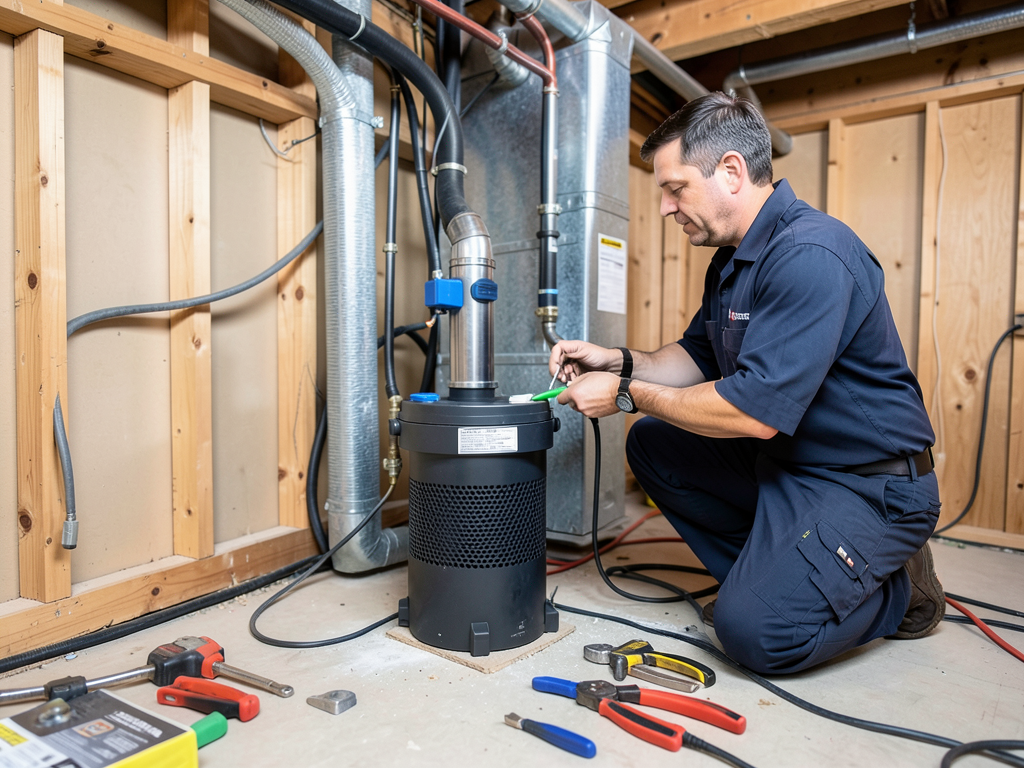
Choosing between a battery backup and a water-powered sump pump in Lenexa
When spring storms roll through Johnson County the last thing you want is a flooded basement. Choosing the right sump pump backup system in Lenexa means understanding how local clay-heavy soil, high water tables near Lake Lenexa, and frequent power outages from summer thunderstorms interact with your pump. This guide breaks down the pros and cons of battery backup versus water-powered backup systems so you can make an informed decision before the next big rain hits. What to do when your Overland Park basement floods during a storm.
How Lenexa’s soil and weather affect sump pump performance
Lenexa sits on expansive clay soil that swells when wet and shrinks when dry. This movement creates pressure on basement walls and can force groundwater toward your sump pit faster than a standard pump can handle. The city also experiences heavy spring rains and occasional ice storms that knock out power for hours. That combination means your primary pump might run nonstop during a storm but fail when the grid goes down. Understanding these local conditions is the first step in choosing a backup that actually works when you need it. Water Stains on Drywall.
Battery backup sump pumps: what they are and how they work
A battery backup sump pump is a secondary unit that sits next to your primary pump. It activates automatically when the primary fails or when water rises too quickly. The system runs on a deep-cycle marine battery and can pump 1 200 to 2 400 gallons per hour depending on the model. Most units include an alarm to alert you when the backup engages. The main advantage is independence from city water pressure which makes it reliable even if municipal supply is interrupted. The downside is limited run time usually between 6 to 12 hours and the need to replace batteries every 3 to 5 years. Water Damage Restoration Harrisonville.
Water-powered backup sump pumps: what they are and how they work
Water-powered backup systems use municipal water pressure to create suction that removes water from your pit. When the primary pump fails a valve opens and city water flows through an ejector creating a vacuum that pulls sump water out. These units can move 750 to 1 500 gallons per hour and run indefinitely as long as water pressure remains. They require no electricity and no battery maintenance. The trade-off is higher water usage during operation which can increase your utility bill and the need for a minimum 40 psi water pressure to function properly.
Comparing battery backup and water-powered backup systems
| Feature | Battery Backup | Water-Powered Backup |
|---|---|---|
| Power source | Battery | Municipal water pressure |
| Run time | 6-12 hours | Unlimited |
| Water usage | None | 1-2 gallons per sump gallon |
| Maintenance | Battery replacement every 3-5 years | Annual valve inspection |
| Installation complexity | Moderate | High (plumbing required) |
| Cost | $500-$1 200 installed | $1 200-$2 000 installed |
Local factors that influence your choice
Lenexa’s water pressure typically runs between 45 and 65 psi which meets the minimum requirement for water-powered systems. However if your home sits at a higher elevation or near the lake the pressure may drop during peak usage. Battery systems perform well regardless of elevation but require a clear path for the alarm to sound inside your home. Homes in the Greystone area with finished basements often prefer battery backups because they are quieter and do not increase water usage. Homes in newer developments like West Creek benefit from the unlimited run time of water-powered systems during multi-day storms.
Installation and maintenance considerations
Professional installation ensures your backup activates correctly and that discharge lines are properly sized. For battery systems this means mounting the controller and alarm where you will hear them. For water-powered systems it means adding a dedicated supply line and check valve to prevent backflow. Annual maintenance includes testing the float switch cleaning the impeller and checking battery voltage or water pressure. Skipping maintenance can leave you unprotected when the next storm hits.
Cost comparison and long-term value
Battery backup systems cost less upfront but require battery replacement every few years which adds $150 to $300 in ongoing costs. Water-powered systems cost more to install but have no consumables and can last 15 to 20 years with proper care. Over a decade the total cost of ownership is often similar. The deciding factor should be reliability during your most likely failure scenario. If you experience frequent short outages a battery system is usually the better choice. If you face rare but prolonged outages water-powered may be worth the investment. Why you should not ignore that musty smell in your Olathe basement.
Choosing the right system for your Lenexa home
Start by assessing your risk. Homes near the Indian Creek corridor or in low-lying areas of East Lenexa face higher groundwater tables and may benefit from the unlimited capacity of water-powered backups. Homes on the city’s west side with municipal water pressure above 50 psi can use either system effectively. Consider your comfort with maintenance. If you prefer a set-it-and-forget-it solution water-powered systems require less hands-on care. If you want the quietest operation and no added water usage battery systems are the way to go.
Warning signs your sump pump system needs attention
Listen for unusual noises like grinding or clicking which can indicate a failing motor or jammed float switch. Check for water around the pit which may mean the check valve is leaking. If your alarm sounds during dry weather the battery may be failing or the controller needs adjustment. Rust or corrosion on the pump housing suggests age and impending failure. Addressing these issues before storm season can prevent costly water damage.
Professional installation versus DIY
Installing a backup sump pump involves electrical work plumbing modifications and understanding local codes. DIY installations risk improper wiring that can create shock hazards or misaligned floats that cause constant cycling. Professional installers in Lenexa also know the city’s sump discharge regulations which prohibit connecting to sanitary sewers and require proper routing to storm drains. Hiring a local expert ensures your system meets code and is sized correctly for your home’s specific needs.
Protecting your home from future flooding
A backup sump pump is only one part of a comprehensive flood protection plan. Keep gutters clean and downspouts directed at least six feet from your foundation. Grade soil away from your home to prevent surface water pooling. Consider a whole-home generator if you experience frequent outages. Finally test your backup system monthly by pouring water into the pit to confirm it activates. These steps combined with the right backup pump give you the best chance of staying dry when Lenexa’s weather turns rough.
Frequently Asked Questions
How long will a battery backup sump pump run during a power outage?
Most battery backup systems provide 6 to 12 hours of continuous pumping depending on the battery size and pumping rate. Larger batteries and lower pumping demands extend run time. If outages last longer you may need a generator or water-powered backup.
Can I install a water-powered backup if I have a well?
No. Water-powered backups require municipal water pressure and will not function with a private well. Homes with wells must rely on battery backup or a generator to power the primary pump during outages.
Do I need a permit to install a backup sump pump in Lenexa?
Lenexa requires a plumbing permit for any new sump pump installation or major modification. The city also mandates that discharge lines exit the home and drain to the yard or storm sewer not the sanitary sewer. A licensed plumber can handle permitting and ensure code compliance.
How much does a backup sump pump system cost in Lenexa?
Battery backup systems installed range from $500 to $1 200. Water-powered systems cost $1 200 to $2 000 installed. Prices vary based on pump capacity discharge line length and installation complexity. Always get a written quote that includes warranty and permit fees.
What is the best way to test my backup sump pump?
Pour a few gallons of water into the sump pit until the float rises. The backup should activate within seconds. Listen for the alarm if equipped and confirm water is discharging outside. Test both the primary and backup pumps monthly to ensure reliability.
Ready to protect your basement from the next big storm
Don’t wait until water is rising to find out your backup system failed. Call (816) 473-3833 today to schedule a professional sump pump inspection in Lenexa. We’ll assess your home’s specific risks recommend the right backup solution and handle all permitting and installation. Whether you need a battery backup for quiet operation or a water-powered system for unlimited run time we have the local expertise to keep your basement dry when it matters most.
Pick up the phone and call (816) 473-3833 before the next storm hits. Your home deserves protection you can count on. For more information, visit EPA guidelines. For more information, visit IICRC S500.
{
“@context”: “https://schema.org”,
“@type”: “BlogPosting”,
“headline”: “Choosing between a battery backup and a water-powered sump pump in Lenexa”,
“description”: “Compare battery backup vs water-powered sump pumps for Lenexa basements. Learn which system protects your home during Kansas storms and power outages.”,
“wordCount”: 1504,
“datePublished”: “2026-03-06T16:37:00.000Z”,
“dateModified”: “2026-03-06T16:37:00.000Z”,
“inLanguage”: “en-US”,
“mainEntityOfPage”: {
“@type”: “WebPage”,
“@id”: “https://apluswaterdamagerestorationkansascity.com”
},
“publisher”: {
“@type”: “LocalBusiness”,
“name”: “A Plus Water Damage Restoration Kansas City”,
“url”: “https://apluswaterdamagerestorationkansascity.com”
},
“author”: {
“@type”: “Organization”,
“name”: “A Plus Water Damage Restoration Kansas City”,
“url”: “https://apluswaterdamagerestorationkansascity.com”
},
“image”: {
“@type”: “ImageObject”,
“url”: “https://apluswaterdamagerestorationkansascity.com/wp-content/uploads/2026/03/choosing-between-a-battery-backup-and-a-water-powe-1.png”
}
}
{
“@context”: “https://schema.org”,
“@type”: “LocalBusiness”,
“name”: “A Plus Water Damage Restoration Kansas City”,
“url”: “https://apluswaterdamagerestorationkansascity.com”,
“address”: {
“@type”: “PostalAddress”,
“addressLocality”: “Kansas City”
},
“areaServed”: {
“@type”: “City”,
“name”: “Kansas City”
}
}
{
“@context”: “https://schema.org”,
“@type”: “FAQPage”,
“mainEntity”: [
{
“@type”: “Question”,
“name”: “How long will a battery backup sump pump run during a power outage?”,
“acceptedAnswer”: {
“@type”: “Answer”,
“text”: “Most battery backup systems provide 6 to 12 hours of continuous pumping depending on the battery size and pumping rate. Larger batteries and lower pumping demands extend run time. If outages last longer you may need a generator or water-powered backup.”
}
},
{
“@type”: “Question”,
“name”: “Can I install a water-powered backup if I have a well?”,
“acceptedAnswer”: {
“@type”: “Answer”,
“text”: “No. Water-powered backups require municipal water pressure and will not function with a private well. Homes with wells must rely on battery backup or a generator to power the primary pump during outages.”
}
},
{
“@type”: “Question”,
“name”: “Do I need a permit to install a backup sump pump in Lenexa?”,
“acceptedAnswer”: {
“@type”: “Answer”,
“text”: “Lenexa requires a plumbing permit for any new sump pump installation or major modification. The city also mandates that discharge lines exit the home and drain to the yard or storm sewer not the sanitary sewer. A licensed plumber can handle permitting and ensure code compliance.”
}
},
{
“@type”: “Question”,
“name”: “How much does a backup sump pump system cost in Lenexa?”,
“acceptedAnswer”: {
“@type”: “Answer”,
“text”: “Battery backup systems installed range from $500 to $1 200. Water-powered systems cost $1 200 to $2 000 installed. Prices vary based on pump capacity discharge line length and installation complexity. Always get a written quote that includes warranty and permit fees.”
}
},
{
“@type”: “Question”,
“name”: “What is the best way to test my backup sump pump?”,
“acceptedAnswer”: {
“@type”: “Answer”,
“text”: “Pour a few gallons of water into the sump pit until the float rises. The backup should activate within seconds. Listen for the alarm if equipped and confirm water is discharging outside. Test both the primary and backup pumps monthly to ensure reliability.”
}
}
]
}
{
“@context”: “https://schema.org”,
“@type”: “BreadcrumbList”,
“itemListElement”: [
{
“@type”: “ListItem”,
“position”: 1,
“name”: “Home”,
“item”: “https://apluswaterdamagerestorationkansascity.com”
},
{
“@type”: “ListItem”,
“position”: 2,
“name”: “Blog”,
“item”: “https://apluswaterdamagerestorationkansascity.com/blog”
},
{
“@type”: “ListItem”,
“position”: 3,
“name”: “Choosing between a battery backup and a water-powered sump pump in Lenexa”
}
]
}
{
“@context”: “https://schema.org”,
“@type”: “Service”,
“serviceType”: “Water Damage Restoration”,
“provider”: {
“@type”: “LocalBusiness”,
“name”: “A Plus Water Damage Restoration Kansas City”,
“url”: “https://apluswaterdamagerestorationkansascity.com”
},
“areaServed”: {
“@type”: “City”,
“name”: “Kansas City”
},
“description”: “Compare battery backup vs water-powered sump pumps for Lenexa basements. Learn which system protects your home during Kansas storms and power outages.”
}