
Buying a fixer-upper in Independence? (Look for these hidden water damage signs first)
Before you sign on that distressed property in Independence, you need to know what lurks behind those charming plaster walls and beneath those hardwood floors. Water damage in older Independence homes isn’t always obvious—but it can destroy your renovation budget faster than you can say “as-is.”. Read more about What to do when your Olathe garage floor drain starts backing up.
The Kansas City metro’s clay-heavy soil and aging infrastructure create unique vulnerabilities for Independence fixer-uppers. A property that looks solid during a walkthrough can hide foundation cracks, mold colonies, and rotted subfloors that cost thousands to repair. Understanding these hidden signs before you buy protects your investment and your health. EPA RRP certification requirements.
The unique challenges of Independence fixer-uppers
Independence sits on expansive clay soil that shifts dramatically with moisture changes. This “KC blue clay” causes foundation movement that creates hairline cracks in basement walls. These cracks widen during wet seasons, allowing groundwater to seep in and create perfect conditions for mold growth behind walls. What to do when your Overland Park basement floods during a storm.
Many Independence homes built before 1970 used galvanized steel plumbing pipes that corrode from the inside out. You won’t see the rust until a pipe bursts or you cut into a wall. The corrosion creates pressure points that lead to slow leaks—exactly the kind that cause hidden water damage over years. Dealing with a burst pipe in the Northland (Emergency repair and drying).
The city’s combined sewer system in older neighborhoods means heavy rains can overwhelm pipes and cause basement backups. A home that survived the last decade’s storms might flood during the next big thunderstorm. This isn’t just dirty water—it’s Category 3 contamination requiring professional remediation.. Read more about How trapped water behind vinyl siding can rot your Blue Springs home from the outside in.
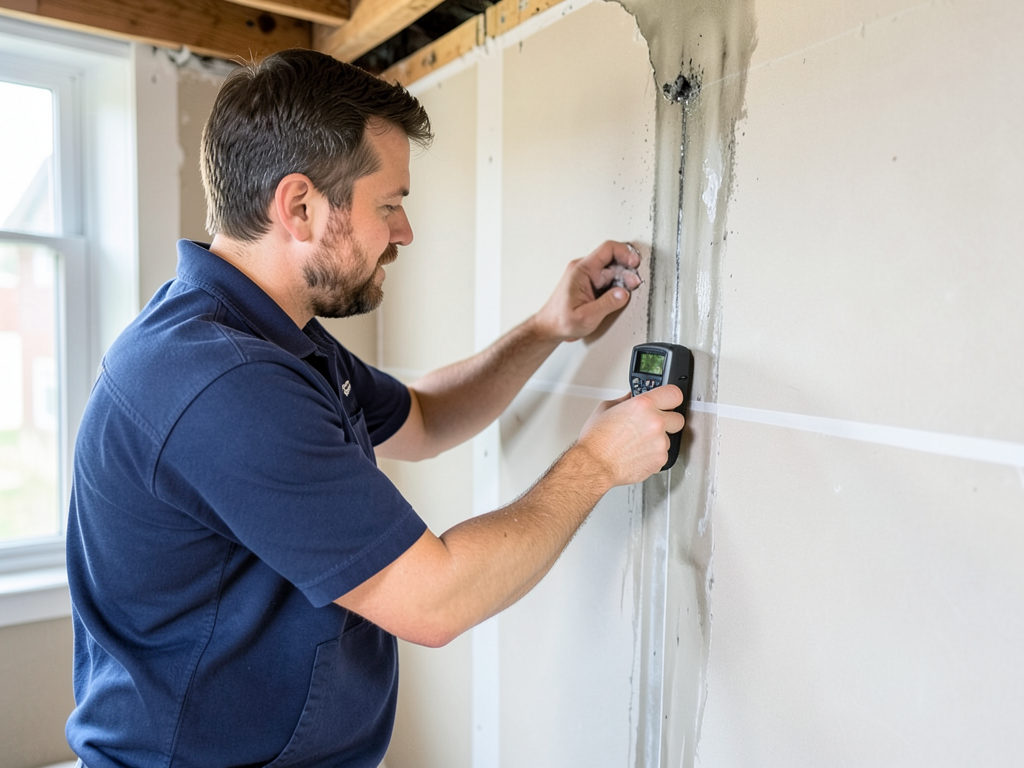
Image description: Technician using moisture meter on basement wall showing hidden water intrusion behind finished drywall in an Independence fixer-upper.
Assessment: Identifying hidden water damage before you buy
Professional home inspectors often miss water damage signs that experienced restoration specialists catch immediately. Here’s what to look for during your property walkthrough:
- Foundation inspection
Check basement walls for stair-step cracks in mortar joints. These indicate soil pressure from the clay soil expanding when wet. Use a flashlight to examine corners where walls meet—cracks here suggest structural movement requiring foundation repair.
- Attic investigation
Look for dark streaks on rafters or roof decking. Water travels along these surfaces before dripping down, so stains appear away from the actual leak source. Check insulation for dark spots or compression—wet insulation never fully dries and loses R-value.. Read more about Replacing wet blown-in insulation in your Shawnee attic after a roof leak.
- Floor assessment
Walk the main floor and feel for soft spots. Water-damaged subfloors feel spongy underfoot. In older homes with plaster walls, water can travel between the plaster and lath for years before showing visible damage.
- Odor detection
Musty smells indicate active mold growth. Trust your nose—if a room smells damp or earthy, water has been present recently. This smell intensifies in humid weather when mold releases more spores.
- Wall examination
Look for bubbling paint or wallpaper at baseboards. Water wicks up walls through capillary action. Check behind furniture and inside closets where previous owners might have hidden damage.
Hidden signs specific to Independence properties
Independence’s climate creates water damage patterns different from other Kansas City suburbs. The area receives 39 inches of annual rainfall—above the national average—and experiences sudden thunderstorms that dump inches of water in hours.
Many Independence homes have finished basements with inadequate drainage. The city’s building code requires proper grading and downspout extensions, but older homes often lack these protections. Water pools against foundation walls during heavy rains, finding entry through the smallest cracks.
The Truman Heritage neighborhood contains many mid-century homes with flat roof sections. These roofs pond water during storms, overwhelming aging seals. Water then travels through ceiling cavities, damaging insulation and creating mold reservoirs before reaching living spaces.
Independence’s historic district properties often have original wood windows with failing seals. Wind-driven rain penetrates these gaps, rotting window sills and wall studs. The damage remains hidden until you remove trim or open walls for renovation. Restoring historic homes in Brookside and Waldo after water damage.
Restoration vs. renovation: where to start?
Many first-time fixer-upper buyers make the critical mistake of starting cosmetic renovations before addressing water damage. This creates a cascade of problems: new drywall covers mold, fresh paint traps moisture, and beautiful finishes hide structural decay.. Read more about Why the wrong carpet pad can trap moisture in your Northland basement for weeks.
The proper sequence for water-damaged fixer-uppers follows the IICRC S500 Standard for Professional Water Damage Restoration. First, identify and stop the water source. Next, remove contaminated materials. Then dry the structure completely before any rebuilding begins. IICRC S500 Standard for Professional Water Damage Restoration.
Hidden water damage affects material choices. Plaster walls in older Independence homes can often be saved if dried properly within 24-48 hours. Drywall, however, wicks water up to 30 inches and develops mold within 72 hours. Understanding these material differences prevents costly mistakes.
Subfloor assessment determines your flooring strategy. Water-damaged floor joists lose structural integrity and may require sistering or replacement. This hidden damage affects your budget more than visible wall stains.
Local regulations and permitting in Independence
The City of Independence requires permits for structural repairs affecting load-bearing elements. Water damage often compromises these elements, making professional assessment essential before demolition begins.
Missouri Department of Natural Resources regulations govern mold remediation in residential properties. Any mold removal exceeding 10 square feet requires containment and proper disposal procedures. DIY mold removal can result in fines and health hazards.
Independence’s building code follows the International Residential Code with local amendments. Foundation repairs must meet specific requirements for footer depth and reinforcement based on soil conditions. The city’s building department provides soil reports that help determine proper repair methods.
Insurance coverage for fixer-upper water damage depends on the damage’s timeline. Gradual damage from long-term leaks often isn’t covered, while sudden pipe bursts typically are. Understanding this distinction affects your purchase negotiations and renovation budget.
Cost factors for water damage restoration
Water damage restoration costs vary dramatically based on several factors specific to Independence properties. Category 1 clean water from a supply line break costs far less to remediate than Category 3 sewage backup from a failed sump pump.
The age of the home affects restoration complexity. Pre-1978 homes may contain lead paint, requiring EPA RRP (Renovation, Repair, and Painting) certification for any disturbance. This adds labor costs but ensures compliance with federal safety standards.
Accessibility impacts pricing. Water in crawl spaces or attics requires specialized equipment and safety procedures. A basement with seven feet of headroom costs less to restore than a tight crawl space where technicians must work on their backs. Specialized commercial water damage restoration for Kansas City business owners.
Time sensitivity affects total costs. Water damage worsens exponentially—mold grows within 24-48 hours, and wood rot accelerates after 72 hours of moisture exposure. Emergency response within the first day often prevents secondary damage that triples restoration costs.
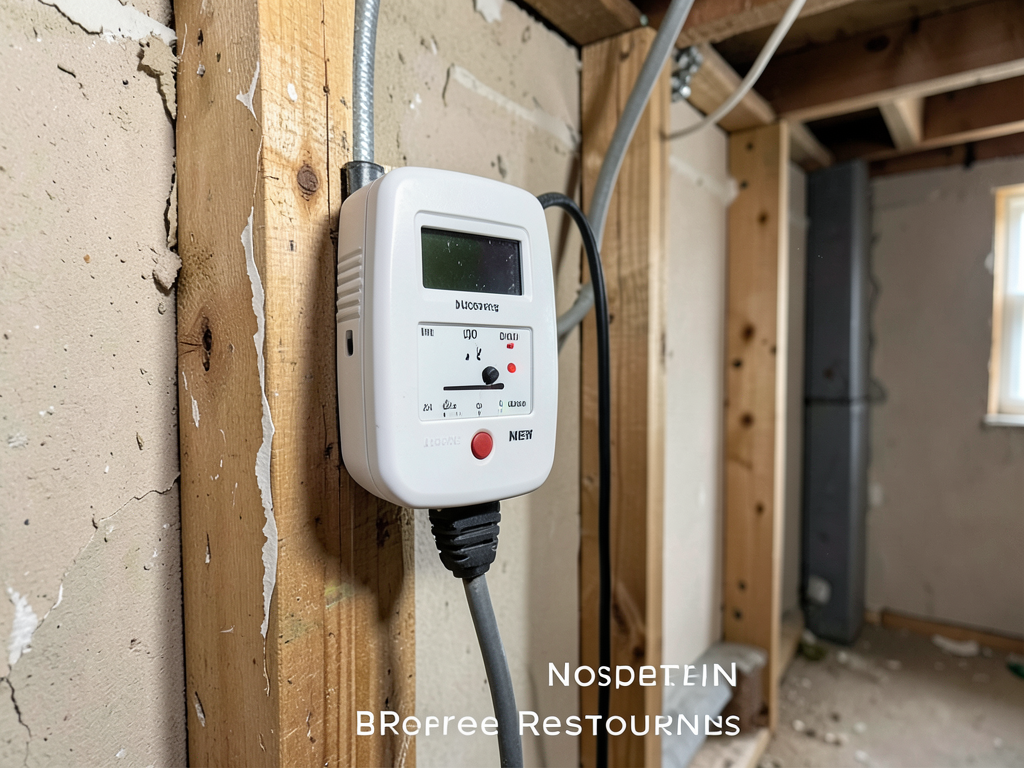
Image description: Moisture meter readings showing hidden water content in wall studs behind drywall in an Independence basement before restoration begins.
Pre-purchase inspection checklist for investors
Standard home inspections rarely catch the water damage issues that derail fixer-upper projects. Create your own assessment protocol focused on moisture intrusion patterns.
Foundation walls should be examined for efflorescence—white mineral deposits that indicate water has evaporated through the concrete. This crystalline growth signals chronic moisture problems even when walls appear dry. Why you should not ignore that musty smell in your Olathe basement.
Check window sills and door thresholds for soft spots using a screwdriver. Water-damaged wood feels spongy and may leave the tool’s tip embedded in the material. This simple test reveals rot that visual inspection misses.
Examine basement floor cracks for moisture. Even hairline cracks can allow groundwater entry during wet seasons. Place a dry paper towel over suspicious cracks and check after 24 hours—dampness indicates active water movement.
Look for rust on water heater bases and HVAC equipment. These appliances sit directly on concrete floors where moisture accumulates. Rust indicates humidity levels high enough to support mold growth in wall cavities.
Insurance considerations for fixer-upper purchases
Insurance companies classify water damage differently based on the source and timeline. Understanding these classifications helps you negotiate purchase prices and plan restoration budgets.
Sudden and accidental damage—like a pipe burst during freezing weather—typically receives full coverage minus your deductible. Gradual damage from neglected maintenance often gets denied, leaving you responsible for all repair costs.
Pre-existing conditions complicate insurance claims on fixer-uppers. If the seller disclosed water damage history, your insurance company may exclude related claims. Always request seller disclosures and review them with your restoration specialist.
Vacant properties face unique insurance challenges. Homes empty for over 30 days often have coverage exclusions for water damage. This vulnerability makes pre-purchase inspections even more critical for investment properties.
Consider requiring professional water damage assessment as a contingency in your purchase offer. This protection costs far less than discovering major structural issues after closing.
Finding the right restoration partner
Not all restoration companies understand the unique needs of fixer-upper investors. Look for firms with experience in both emergency response and renovation projects.
IICRC certification indicates technicians trained in current restoration standards. This certification ensures proper drying techniques that prevent mold growth and secondary damage during the restoration process.
Experience with older Independence homes matters. Properties built before modern building codes require different approaches than newer construction. A company familiar with plaster walls, knob-and-tube wiring, and historic preservation can save you from costly mistakes.
Insurance negotiation experience helps when dealing with complicated claims on distressed properties. A restoration company that works directly with adjusters can expedite approvals and prevent coverage disputes.. Read more about Dealing with attic condensation and mystery ceiling spots in Lee’s Summit.
Ask potential restoration partners about their assessment process. A thorough inspection should include moisture mapping, material testing, and detailed documentation—not just a quick walkthrough and estimate.
Image description: Before and after restoration of water-damaged basement in an Independence fixer-upper showing proper structural drying and mold remediation techniques.
Frequently Asked Questions
How can I tell if water damage is old or new?
Old water damage typically shows as dark stains with defined edges, while active leaks create wet spots that feel damp to touch. Musty odors indicate ongoing moisture issues rather than historical damage.
Should I walk away from a fixer-upper with visible water damage?
Not necessarily. Minor water damage often costs less to repair than the purchase price discount you can negotiate. Professional assessment helps determine if damage is cosmetic or structural before making your decision.
How long does water damage restoration take in an older home?
Restoration timelines vary based on damage extent and home construction. Simple drying might take 3-5 days, while structural repairs in older homes can extend to 2-3 weeks when accounting for material specialty and permit requirements.
Can I do water damage restoration myself to save money?
DIY restoration risks incomplete drying and mold growth. Professional equipment detects hidden moisture that homeowners miss. For investment properties, proper restoration protects your financial stake better than cutting corners.
What’s the most expensive water damage to repair in fixer-uppers?
Foundation water damage typically costs the most due to structural implications. Mold in wall cavities ranks second, followed by subfloor rot. Each requires specialized remediation that basic contractors cannot provide.
Protect your investment before you buy
Water damage in Independence fixer-uppers creates a false economy—properties priced below market often hide restoration costs that exceed the purchase discount. Professional assessment before buying prevents these financial surprises.
The right restoration partner helps you evaluate properties objectively, identifying which fixer-uppers offer genuine investment potential versus money pits disguised as bargains. This expertise becomes your competitive advantage in the local real estate market.
Don’t let hidden water damage sink your renovation dreams. Schedule a professional assessment before making an offer on that Independence property. Understanding the true condition of the structure protects both your investment and your future tenants or family.
Call (816) 473-3833 today to schedule your pre-purchase water damage inspection. Our Independence specialists will identify hidden issues before you commit to that fixer-upper, saving you thousands in unexpected restoration costs.
Pick up the phone and call (816) 473-3833 before the next storm hits. Water damage waits for no one, but proper assessment and planning protect your investment from the start.
You may also find this helpful. Why your Prairie Village refrigerator ice maker line is a hidden flood risk.
{
“@context”: “https://schema.org”,
“@type”: “BlogPosting”,
“headline”: “Buying a fixer-upper in Independence? (Look for these hidden water damage signs first)”,
“description”: “Buying a fixer-upper in Independence? Discover hidden water damage signs before you invest. Expert guide for investors and homebuyers in Jackson County.”,
“wordCount”: 2029,
“datePublished”: “2026-06-03T08:24:00.000Z”,
“dateModified”: “2026-06-03T08:24:00.000Z”,
“inLanguage”: “en-US”,
“mainEntityOfPage”: {
“@type”: “WebPage”,
“@id”: “https://apluswaterdamagerestorationkansascity.com”
},
“publisher”: {
“@type”: “LocalBusiness”,
“name”: “A Plus Water Damage Restoration Kansas City”,
“url”: “https://apluswaterdamagerestorationkansascity.com”
},
“author”: {
“@type”: “Organization”,
“name”: “A Plus Water Damage Restoration Kansas City”,
“url”: “https://apluswaterdamagerestorationkansascity.com”
},
“image”: {
“@type”: “ImageObject”,
“url”: “https://apluswaterdamagerestorationkansascity.com/wp-content/uploads/2026/03/buying-a-fixer-upper-in-independence-look-for-thes-1.png”
}
}
{
“@context”: “https://schema.org”,
“@type”: “LocalBusiness”,
“name”: “A Plus Water Damage Restoration Kansas City”,
“url”: “https://apluswaterdamagerestorationkansascity.com”,
“address”: {
“@type”: “PostalAddress”,
“addressLocality”: “Kansas City”
},
“areaServed”: {
“@type”: “City”,
“name”: “Kansas City”
}
}
{
“@context”: “https://schema.org”,
“@type”: “FAQPage”,
“mainEntity”: [
{
“@type”: “Question”,
“name”: “Restoration vs. renovation: where to start?”,
“acceptedAnswer”: {
“@type”: “Answer”,
“text”: “Many first-time fixer-upper buyers make the critical mistake of starting cosmetic renovations before addressing water damage. This creates a cascade of problems: new drywall covers mold, fresh paint traps moisture, and beautiful finishes hide structural decay.”
}
},
{
“@type”: “Question”,
“name”: “How can I tell if water damage is old or new?”,
“acceptedAnswer”: {
“@type”: “Answer”,
“text”: “Old water damage typically shows as dark stains with defined edges, while active leaks create wet spots that feel damp to touch. Musty odors indicate ongoing moisture issues rather than historical damage.”
}
},
{
“@type”: “Question”,
“name”: “Should I walk away from a fixer-upper with visible water damage?”,
“acceptedAnswer”: {
“@type”: “Answer”,
“text”: “Not necessarily. Minor water damage often costs less to repair than the purchase price discount you can negotiate. Professional assessment helps determine if damage is cosmetic or structural before making your decision.”
}
},
{
“@type”: “Question”,
“name”: “How long does water damage restoration take in an older home?”,
“acceptedAnswer”: {
“@type”: “Answer”,
“text”: “Restoration timelines vary based on damage extent and home construction. Simple drying might take 3-5 days, while structural repairs in older homes can extend to 2-3 weeks when accounting for material specialty and permit requirements.”
}
},
{
“@type”: “Question”,
“name”: “Can I do water damage restoration myself to save money?”,
“acceptedAnswer”: {
“@type”: “Answer”,
“text”: “DIY restoration risks incomplete drying and mold growth. Professional equipment detects hidden moisture that homeowners miss. For investment properties, proper restoration protects your financial stake better than cutting corners.”
}
},
{
“@type”: “Question”,
“name”: “What’s the most expensive water damage to repair in fixer-uppers?”,
“acceptedAnswer”: {
“@type”: “Answer”,
“text”: “Foundation water damage typically costs the most due to structural implications. Mold in wall cavities ranks second, followed by subfloor rot. Each requires specialized remediation that basic contractors cannot provide.”
}
}
]
}
{
“@context”: “https://schema.org”,
“@type”: “HowTo”,
“name”: “How to Spot Hidden Water Damage”,
“step”: [
{
“@type”: “HowToStep”,
“position”: 1,
“name”: “Foundation inspection”,
“text”: “Check basement walls for stair-step cracks in mortar joints. These indicate soil pressure from the clay soil expanding when wet. Use a flashlight to examine corners where walls meet—cracks here suggest structural movement requiring foundation repair.”
},
{
“@type”: “HowToStep”,
“position”: 2,
“name”: “Attic investigation”,
“text”: “Look for dark streaks on rafters or roof decking. Water travels along these surfaces before dripping down, so stains appear away from the actual leak source. Check insulation for dark spots or compression—wet insulation never fully dries and loses R-value.”
},
{
“@type”: “HowToStep”,
“position”: 3,
“name”: “Floor assessment”,
“text”: “Walk the main floor and feel for soft spots. Water-damaged subfloors feel spongy underfoot. In older homes with plaster walls, water can travel between the plaster and lath for years before showing visible damage.”
},
{
“@type”: “HowToStep”,
“position”: 4,
“name”: “Odor detection”,
“text”: “Musty smells indicate active mold growth. Trust your nose—if a room smells damp or earthy, water has been present recently. This smell intensifies in humid weather when mold releases more spores.”
},
{
“@type”: “HowToStep”,
“position”: 5,
“name”: “Wall examination”,
“text”: “Look for bubbling paint or wallpaper at baseboards. Water wicks up walls through capillary action. Check behind furniture and inside closets where previous owners might have hidden damage.”
}
],
“image”: “https://apluswaterdamagerestorationkansascity.com/wp-content/uploads/2026/03/buying-a-fixer-upper-in-independence-look-for-thes-1.png”
}
{
“@context”: “https://schema.org”,
“@type”: “BreadcrumbList”,
“itemListElement”: [
{
“@type”: “ListItem”,
“position”: 1,
“name”: “Home”,
“item”: “https://apluswaterdamagerestorationkansascity.com”
},
{
“@type”: “ListItem”,
“position”: 2,
“name”: “Blog”,
“item”: “https://apluswaterdamagerestorationkansascity.com/blog”
},
{
“@type”: “ListItem”,
“position”: 3,
“name”: “Buying a fixer-upper in Independence? (Look for these hidden water damage signs first)”
}
]
}
{
“@context”: “https://schema.org”,
“@type”: “Service”,
“serviceType”: “Water Damage Restoration”,
“provider”: {
“@type”: “LocalBusiness”,
“name”: “A Plus Water Damage Restoration Kansas City”,
“url”: “https://apluswaterdamagerestorationkansascity.com”
},
“areaServed”: {
“@type”: “City”,
“name”: “Kansas City”
},
“description”: “Buying a fixer-upper in Independence? Discover hidden water damage signs before you invest. Expert guide for investors and homebuyers in Jackson County.”
}