Why wet fiberglass insulation in your Oak Grove walls has to go even if the drywall looks okay
When water infiltrates your Oak Grove home’s walls the damage extends far beyond what you can see on the surface. That fiberglass insulation behind your drywall becomes a sponge for moisture creating the perfect breeding ground for mold and structural decay even when the wallboard appears intact. Many Oak Grove homeowners discover this too late after relying on surface drying methods that leave hidden moisture intact. Water Stains on Drywall.
The humid summers in Jackson County combined with the area’s clay-rich soil create conditions where wall cavities retain moisture long after visible signs disappear. A small roof leak or plumbing failure can saturate insulation without showing immediate exterior damage. By the time musty odors or water stains appear the insulation has already lost its thermal resistance and become contaminated.
Professional moisture detection using thermal imaging cameras and penetrating moisture meters reveals what the naked eye cannot see. These tools show temperature variations and moisture content within wall cavities exposing saturated insulation that appears dry from the outside. This diagnostic step proves essential because fiberglass insulation can hold up to 20 times its weight in water while maintaining its shape.
Replacing wet insulation prevents several serious problems. Mold colonies begin forming within 24 to 48 hours in the warm humid conditions common to Oak Grove. The insulation loses its R-value dropping from R-13 to near zero when saturated. Wood studs and wall plates absorb moisture leading to warping and potential structural compromise. The cost of addressing these secondary issues far exceeds the price of removing and replacing contaminated insulation.. Read more about Beyond the puddles—how secondary damage slowly ruins homes in the Santa Fe neighborhood.
Call (816) 473-3833 today to schedule a professional inspection before hidden moisture causes irreversible damage to your Oak Grove home.
Understanding how water travels through wall cavities
Water moves through wall assemblies following the path of least resistance. In Oak Grove homes built on clay soil foundations water pressure from saturated ground can force moisture upward through foundation walls. Roof leaks allow water to travel along rafters and wall studs before pooling in insulation cavities. Even minor plumbing leaks create moisture migration patterns that spread damage across multiple wall bays.
The construction of typical Oak Grove homes affects how water behaves inside walls. Many houses built before 2000 lack vapor barriers on exterior walls allowing moisture to penetrate more easily. The air gaps between fiberglass batts create channels where water can travel horizontally before saturating large areas. This hidden movement explains why damage often appears far from the original leak source.
Temperature differentials between conditioned interior spaces and exterior walls create condensation risks. During Oak Grove’s humid summers cool air conditioning meets warm exterior walls causing moisture to condense on cooler surfaces. This condensation accumulates in insulation cavities where it remains trapped by the insulation’s air pockets. Over time this moisture buildup creates the same conditions as a direct water intrusion.
Professional restoration technicians use moisture meters to map these migration patterns. By taking readings at multiple depths they can determine how far moisture has traveled and whether it has reached critical structural components. This diagnostic process reveals the true extent of damage often showing contamination in areas that appear completely dry.
Without proper moisture mapping homeowners risk leaving wet areas untouched allowing mold to establish colonies in hidden spaces. The cost of additional remediation later typically exceeds the initial investment in thorough moisture assessment and complete insulation removal.
The science of wet insulation and R-value loss
Fiberglass insulation works by trapping air in millions of tiny pockets creating thermal resistance. When water fills these pockets the insulation loses its ability to resist heat transfer. A fiberglass batt rated at R-13 can drop to R-2 or lower when saturated with water. This dramatic loss means your heating and cooling systems must work much harder to maintain comfortable temperatures.. Read more about Why your HVAC system could be spreading mold spores throughout your De Soto home after a leak.
Water conducts heat approximately 25 times more efficiently than air. This fundamental physics principle explains why wet insulation becomes almost useless for energy efficiency. The moisture also creates thermal bridges where heat transfers rapidly through the wet material. In Oak Grove’s climate where summer temperatures regularly exceed 90 degrees this heat transfer significantly increases cooling costs.
The weight of wet insulation creates additional problems. Saturated fiberglass can weigh up to 20 pounds per cubic foot compared to 1 pound for dry material. This extra weight stresses wall studs and can cause sagging or bulging in drywall. The weight also makes removal more difficult requiring specialized equipment and techniques to prevent damage to surrounding materials. Specialized commercial water damage restoration for Kansas City business owners.
Moisture content above 20 percent creates conditions favorable for mold growth. The combination of organic materials in wall assemblies and constant moisture supply allows mold spores to germinate and spread. Different mold species thrive at various moisture levels with some requiring only brief periods of elevated humidity to establish colonies.
Professional testing determines moisture content throughout wall assemblies. Technicians use penetrating moisture meters that measure electrical resistance to calculate exact moisture percentages. This data guides decisions about whether materials can be dried in place or must be removed. The testing also establishes baseline conditions for monitoring during the drying process.
Why mold develops so quickly in Oak Grove’s climate
Oak Grove’s location in the Missouri River Valley creates conditions ideal for rapid mold growth. Summer humidity levels often exceed 70 percent with temperatures in the 80s and 90s. These conditions combined with the area’s clay soil that retains moisture create a perfect storm for mold development in water-damaged buildings.. Read more about When you actually need a building permit for water damage repairs in Kansas City.
Different mold species have varying growth requirements but most common indoor molds thrive at temperatures between 70 and 90 degrees with relative humidity above 60 percent. Oak Grove routinely experiences these conditions for months at a time. When water damage provides additional moisture sources mold growth accelerates dramatically.
The timeline for mold development follows predictable patterns. Mold spores begin germinating within 24 to 48 hours of moisture exposure. By day three to five visible colonies can form on organic materials. Within one to two weeks extensive mold growth can occur throughout affected areas. This rapid progression explains why immediate response to water damage proves critical.
Certain mold species common in the Midwest pose particular health risks. Stachybotrys chartarum known as black mold thrives on cellulose materials like drywall paper and wood. This toxic mold produces mycotoxins that can cause respiratory problems and other health issues. The mold requires sustained moisture for growth making water-damaged buildings particularly vulnerable.
Professional mold remediation follows strict protocols established by the IICRC S520 standard. This standard requires containment barriers negative air pressure and HEPA filtration during removal. The process also mandates verification testing to ensure complete removal. These procedures protect both workers and building occupants from exposure to harmful mold spores. EPA Mold Resources.
Call (816) 473-3833 to schedule a mold inspection if you suspect water damage in your Oak Grove home. Early detection prevents extensive contamination and costly remediation.
Professional moisture detection methods that reveal hidden damage
Professional water damage restoration relies on sophisticated detection methods that go far beyond visual inspection. Thermal imaging cameras detect temperature variations caused by moisture presence. Wet materials conduct heat differently than dry materials creating temperature patterns visible through infrared scanning. These cameras can reveal moisture behind finished surfaces without destructive testing.
Penetrating moisture meters use electrical resistance to measure moisture content in materials. The meters send a small electrical current through the material and measure how easily it travels. Wet materials conduct electricity more readily than dry materials allowing precise moisture content calculations. These readings help determine whether materials can be salvaged or must be replaced.
Non-penetrating moisture meters use radio frequency technology to scan surfaces without physical contact. These devices can detect moisture through tile hardwood and other finished surfaces. While less precise than penetrating meters they provide quick scanning capabilities for large areas. This technology proves particularly useful for initial assessment and monitoring during drying.
Hygrometers measure relative humidity and temperature in affected spaces. These readings help establish drying goals and monitor progress. The devices also detect conditions that promote secondary damage like condensation on cool surfaces. Professional restorers use this data to adjust drying equipment and prevent additional moisture problems. Retail Store Water Cleanup.
Professional moisture mapping creates a comprehensive picture of damage extent. Technicians systematically test multiple locations throughout affected areas documenting moisture levels in each location. This mapping reveals moisture migration patterns and identifies areas requiring focused drying efforts. The documentation also provides baseline data for insurance claims and verification of successful restoration.
Advanced detection methods often reveal damage far beyond visible signs. What appears as a small water stain might indicate extensive moisture throughout wall cavities and adjacent rooms. This comprehensive assessment prevents incomplete restoration that leaves hidden moisture to cause future problems.
The flood cut procedure for wall restoration
When insulation becomes saturated professional restorers often perform a flood cut to access and remove contaminated materials. This procedure involves cutting away drywall at a specific height above visible water damage. The cut typically extends 12 to 24 inches above the highest moisture reading allowing complete removal of affected insulation and drywall.
The flood cut serves multiple purposes. It provides access to wall cavities for insulation removal and structural drying. The procedure also creates a straight edge for reinstalling new drywall and prevents wicking of moisture into upper wall sections. This methodical approach ensures complete removal of contaminated materials while minimizing unnecessary demolition.
Professional flood cuts follow specific guidelines based on moisture readings and building codes. The cut height depends on factors like water category contamination level and local building requirements. In Oak Grove homes with older construction restorers must also consider potential asbestos or lead paint when planning demolition procedures.
The removal process requires careful containment to prevent cross-contamination. Technicians establish containment barriers and use negative air pressure to keep mold spores and dust from spreading. They wear appropriate personal protective equipment including respirators and disposable coveralls. These safety measures protect both workers and building occupants.
After removing contaminated materials restorers clean and disinfect exposed structural elements. They apply antimicrobial treatments to prevent mold growth on remaining wood components. The area then undergoes thorough drying using industrial dehumidifiers and air movers before new insulation and drywall installation.
The flood cut procedure proves more cost-effective than leaving wet materials in place. While it requires some demolition the complete removal of contaminated materials prevents future problems that would require more extensive repairs. The procedure also allows proper drying of structural components preventing long-term deterioration.
Comparing insulation types and their water resistance
Different insulation materials respond uniquely to water exposure affecting restoration decisions. Fiberglass batts absorb water but maintain their shape allowing potential drying if contamination is minimal. The material’s air pockets fill with water reducing R-value but the glass fibers themselves do not support mold growth. This characteristic makes fiberglass somewhat restorable in clean water situations.
Cellulose insulation presents different challenges. Made from recycled paper products cellulose becomes a sponge when wet absorbing large amounts of water. The material also provides food for mold growth and loses its fire retardant properties when saturated. Most professionals recommend complete replacement of wet cellulose rather than attempting restoration.
Closed-cell spray foam insulation resists water absorption due to its dense structure. The material can withstand brief water exposure without significant damage. However if water penetrates behind foam insulation it can become trapped creating hidden moisture problems. Professional assessment determines whether spray foam requires removal or can remain in place.
Mineral wool insulation similar to fiberglass maintains its shape when wet and does not support mold growth. The material dries more slowly than fiberglass but can often be restored if contamination is minimal. Its higher cost makes restoration more economical than replacement in many cases.
The choice of insulation replacement depends on several factors including building codes energy efficiency goals and budget constraints. Modern building codes often require vapor barriers with certain insulation types particularly in Oak Grove’s climate where humidity levels create condensation risks. Professional restorers consider all these factors when recommending replacement materials.
Table comparing insulation types and water resistance:
| Insulation Type | Water Absorption | Mold Support | Restoration Potential | Typical R-Value |
|---|---|---|---|---|
| Fiberglass Batts | High | No | Possible if clean | R-13 to R-30 |
| Cellulose | Very High | Yes | Rarely | R-13 to R-38 |
| Closed-Cell Foam | Very Low | No | Often | R-6 to R-7 per inch |
| Mineral Wool | Moderate | No | Possible | R-15 to R-23 |
Industrial drying equipment and techniques
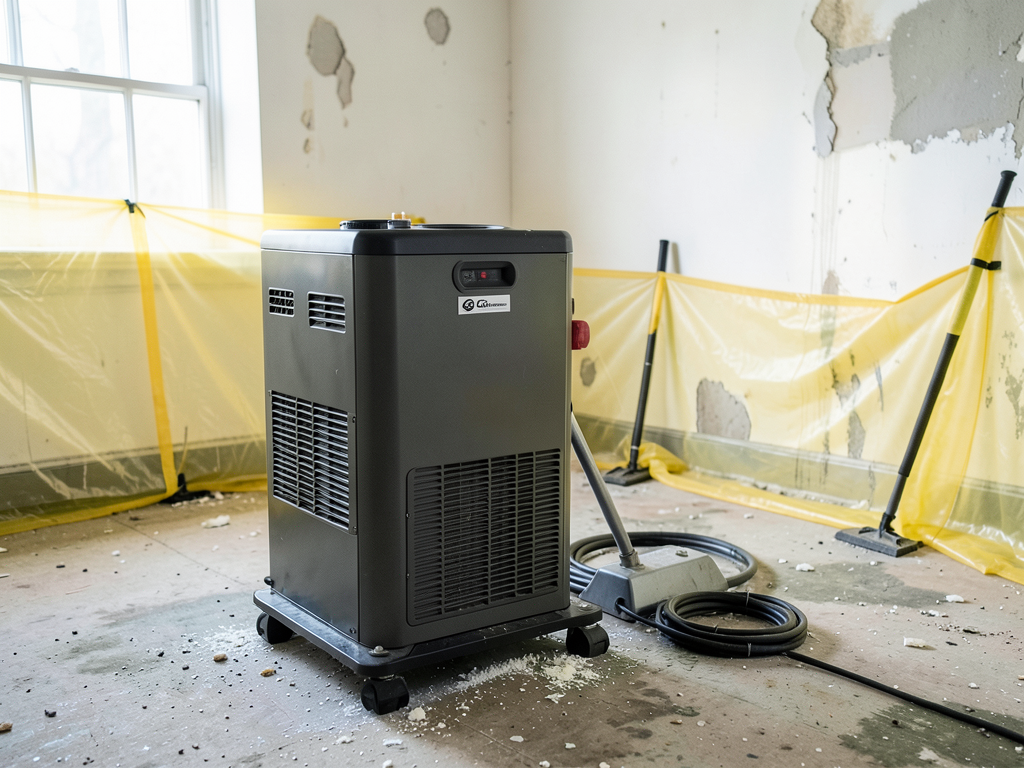
Professional water damage restoration relies on industrial-grade equipment that far exceeds the capabilities of consumer products. Low-grain refrigerant (LGR) dehumidifiers remove moisture from air more efficiently than standard units. These machines can extract 20 to 30 gallons of water per day from affected spaces maintaining optimal drying conditions.
High-velocity air movers create airflow patterns that accelerate evaporation. The equipment directs focused air streams across wet surfaces increasing the rate of moisture transfer from materials to the air. Professional restorers calculate the exact number and placement of air movers based on room dimensions and material types affected.
Desiccant dehumidifiers work differently from refrigerant models using silica gel to absorb moisture from the air. These units excel in cold environments where refrigerant dehumidifiers lose efficiency. The equipment proves particularly useful in basements and crawl spaces where temperature conditions vary significantly. What to do when your Overland Park basement floods during a storm.
Heat drying systems accelerate the evaporation process by warming affected materials. The equipment raises material temperatures 10 to 15 degrees above ambient air temperature without causing damage. This controlled heating significantly reduces drying times while preventing issues like warping or delamination.
Professional restorers use moisture meters to monitor drying progress throughout the process. They take readings at regular intervals documenting moisture content reductions in affected materials. This data guides decisions about when to reposition equipment or when drying goals have been achieved.
The combination of equipment and monitoring creates optimal drying conditions. Restorers adjust equipment placement and settings based on ongoing measurements ensuring efficient moisture removal. This systematic approach typically achieves drying goals within three to five days depending on damage extent and conditions.
Kansas City building codes and insulation replacement requirements
Local building codes in the Kansas City metropolitan area including Oak Grove establish specific requirements for insulation replacement. The Missouri State Building Code adopts the International Energy Conservation Code which mandates minimum R-values for different climate zones. Oak Grove’s location in Zone 4 requires R-13 minimum for exterior walls and R-49 for attics. International Energy Conservation Code.
Building permits often require for insulation replacement projects. The permit process ensures compliance with energy efficiency standards and proper installation techniques. Professional restorers handle permitting requirements as part of their services ensuring all work meets current code requirements.
Fire safety regulations affect insulation choices in certain applications. Building codes require fire-rated materials in specific locations like walls between attached garages and living spaces. These requirements influence insulation selection and installation methods for restoration projects.
Moisture barrier requirements vary based on construction type and climate conditions. In Oak Grove’s humid climate vapor barriers often prove necessary to prevent condensation within wall assemblies. The specific requirements depend on factors like exterior wall orientation and interior humidity levels.
Accessibility requirements under the Americans with Disabilities Act may affect insulation replacement in certain commercial properties. These regulations can influence wall thickness and insulation type choices when modifications are necessary to meet code requirements.
Professional restorers maintain current knowledge of building code requirements. They ensure all replacement work complies with applicable codes and obtains necessary permits. This compliance protects property owners from potential issues during future inspections or property sales.
Insurance coverage considerations for water damage
Homeowners insurance policies typically cover sudden and accidental water damage but exclude gradual damage or maintenance-related issues. A burst pipe causing insulation saturation usually qualifies for coverage while long-term roof leaks causing similar damage might not. Understanding these distinctions helps homeowners make informed decisions about restoration approaches. Dealing with a burst pipe in the Northland (Emergency repair and drying).
Insurance companies often require professional assessment to verify damage extent and establish restoration scope. The documentation provided by certified restorers proves essential for successful claims. This documentation includes moisture readings material assessments and detailed restoration plans.
Many policies include specific provisions for mold damage resulting from covered water losses. These provisions might cover remediation costs if the mold results directly from a covered incident. However policies often exclude mold resulting from maintenance issues or pre-existing conditions.
The claims process typically requires detailed estimates from restoration contractors. Professional restorers provide line-item estimates that insurance adjusters can review and approve. This documentation streamlines the approval process and ensures all necessary work is included in the claim.
Some insurance policies offer additional living expense coverage when water damage makes homes uninhabitable. This coverage helps pay for temporary housing and meals while restoration work proceeds. Understanding these provisions helps homeowners plan for potential displacement during major restoration projects.
Professional restorers often work directly with insurance companies handling documentation and communication. This coordination simplifies the process for homeowners and ensures all required information reaches the insurance company promptly.
Preventing future water damage in your Oak Grove home
Preventive maintenance significantly reduces the risk of water damage in Oak Grove homes. Regular roof inspections identify potential leak sources before they cause interior damage. Professional inspections check for damaged shingles deteriorated flashing and proper ventilation that prevents moisture buildup in attic spaces.
Plumbing system maintenance prevents many common water damage sources. Annual water heater inspections can identify corrosion or failing components before catastrophic leaks occur. Checking supply lines to appliances and fixtures reveals wear that might lead to future failures.
Foundation drainage systems require regular assessment in Oak Grove’s clay soil conditions. Proper grading ensures water flows away from foundations preventing basement leaks and foundation damage. Gutter systems need cleaning and inspection to ensure they direct water away from the home effectively.
Humidity control inside homes prevents condensation-related moisture problems. Dehumidifiers in basements and crawl spaces maintain appropriate humidity levels reducing the risk of condensation on cool surfaces. Proper ventilation in bathrooms and kitchens removes moisture at the source.
Smart home technology provides early warning of water problems. Leak detection systems can alert homeowners to moisture presence before extensive damage occurs. These systems monitor for unusual water usage patterns or direct moisture detection providing advance warning of developing issues.
Professional inspections identify vulnerabilities specific to individual homes. Restorers can assess factors like soil conditions foundation type and construction methods to recommend targeted preventive measures. This customized approach addresses the specific risks facing each property.
Call (816) 473-3833 for a comprehensive home assessment to identify potential water damage risks before they become expensive problems.
Frequently Asked Questions
How long does it take for wet insulation to cause mold growth?
Mold can begin growing within 24 to 48 hours after insulation becomes wet. The combination of moisture organic materials and warm temperatures creates ideal conditions for rapid mold development. Professional drying within this window prevents most mold problems.
Can I dry wet insulation myself with fans and dehumidifiers?
Consumer-grade equipment cannot effectively dry insulation inside wall cavities. The material’s density and location prevent adequate airflow and moisture removal. Professional equipment and techniques are necessary to ensure complete drying and prevent secondary damage.
Will my homeowners insurance cover wet insulation replacement?
Insurance typically covers sudden and accidental water damage including insulation replacement. Coverage depends on the specific cause of damage and your policy terms. Professional assessment and documentation support successful insurance claims for covered losses.
How can I tell if my insulation is wet without removing walls?
Professional moisture detection using thermal imaging and penetrating meters can identify wet insulation without destructive testing. These tools detect moisture through finished surfaces revealing problems that are not visible to the naked eye.
What’s the difference between clean water and contaminated water damage?
Clean water from sources like broken supply lines poses minimal health risks. Contaminated water from sewage backups or flooding requires special handling due to biological hazards. The water category determines restoration procedures and safety requirements.
How much does professional insulation removal and replacement cost?
Costs vary based on damage extent wall accessibility and insulation type. Professional assessment provides accurate estimates for specific situations. The investment typically proves less expensive than addressing secondary damage from incomplete drying or mold growth.
Do I need permits for insulation replacement in Oak Grove?
Building permits are often required for insulation replacement projects. Professional restorers handle permitting requirements ensuring all work complies with local building codes and energy efficiency standards.
How long does the restoration process take?
Restoration typically requires three to five days for complete drying and replacement. Complex situations involving mold remediation or structural repairs may require additional time. Professional assessment provides specific timelines for individual projects.
Wet insulation behind your walls creates hidden dangers that can cause extensive damage to your Oak Grove home. The combination of moisture mold growth and structural deterioration makes professional assessment and removal essential for protecting your property and health. Don’t wait until visible signs appear to address this serious issue.
Call (816) 473-3833 today to schedule a professional inspection and protect your home from the hidden dangers of wet insulation. Our experienced team serves Oak Grove and the surrounding Jackson County area with 24/7 emergency response and comprehensive restoration services.

{
“@context”: “https://schema.org”,
“@type”: “BlogPosting”,
“headline”: “Why wet fiberglass insulation in your Oak Grove walls has to go even if the drywall looks okay”,
“description”: “Wet insulation behind your walls causes hidden mold and structural damage. Learn why professional removal is essential in Oak Grove’s humid climate.”,
“wordCount”: 3554,
“datePublished”: “2026-04-22T12:04:00.000Z”,
“dateModified”: “2026-04-22T12:04:00.000Z”,
“inLanguage”: “en-US”,
“mainEntityOfPage”: {
“@type”: “WebPage”,
“@id”: “https://apluswaterdamagerestorationkansascity.com”
},
“publisher”: {
“@type”: “LocalBusiness”,
“name”: “A Plus Water Damage Restoration Kansas City”,
“url”: “https://apluswaterdamagerestorationkansascity.com”
},
“author”: {
“@type”: “Organization”,
“name”: “A Plus Water Damage Restoration Kansas City”,
“url”: “https://apluswaterdamagerestorationkansascity.com”
},
“image”: {
“@type”: “ImageObject”,
“url”: “https://apluswaterdamagerestorationkansascity.com/wp-content/uploads/2026/03/why-wet-fiberglass-insulation-in-your-oak-grove-wa-1.png”
}
}
{
“@context”: “https://schema.org”,
“@type”: “LocalBusiness”,
“name”: “A Plus Water Damage Restoration Kansas City”,
“url”: “https://apluswaterdamagerestorationkansascity.com”,
“address”: {
“@type”: “PostalAddress”,
“addressLocality”: “Kansas City”
},
“areaServed”: {
“@type”: “City”,
“name”: “Kansas City”
}
}
{
“@context”: “https://schema.org”,
“@type”: “FAQPage”,
“mainEntity”: [
{
“@type”: “Question”,
“name”: “How long does it take for wet insulation to cause mold growth?”,
“acceptedAnswer”: {
“@type”: “Answer”,
“text”: “Mold can begin growing within 24 to 48 hours after insulation becomes wet. The combination of moisture organic materials and warm temperatures creates ideal conditions for rapid mold development. Professional drying within this window prevents most mold problems.”
}
},
{
“@type”: “Question”,
“name”: “Can I dry wet insulation myself with fans and dehumidifiers?”,
“acceptedAnswer”: {
“@type”: “Answer”,
“text”: “Consumer-grade equipment cannot effectively dry insulation inside wall cavities. The material’s density and location prevent adequate airflow and moisture removal. Professional equipment and techniques are necessary to ensure complete drying and prevent secondary damage.”
}
},
{
“@type”: “Question”,
“name”: “Will my homeowners insurance cover wet insulation replacement?”,
“acceptedAnswer”: {
“@type”: “Answer”,
“text”: “Insurance typically covers sudden and accidental water damage including insulation replacement. Coverage depends on the specific cause of damage and your policy terms. Professional assessment and documentation support successful insurance claims for covered losses.”
}
},
{
“@type”: “Question”,
“name”: “What’s the difference between clean water and contaminated water damage?”,
“acceptedAnswer”: {
“@type”: “Answer”,
“text”: “Clean water from sources like broken supply lines poses minimal health risks. Contaminated water from sewage backups or flooding requires special handling due to biological hazards. The water category determines restoration procedures and safety requirements.”
}
},
{
“@type”: “Question”,
“name”: “How much does professional insulation removal and replacement cost?”,
“acceptedAnswer”: {
“@type”: “Answer”,
“text”: “Costs vary based on damage extent wall accessibility and insulation type. Professional assessment provides accurate estimates for specific situations. The investment typically proves less expensive than addressing secondary damage from incomplete drying or mold growth.”
}
},
{
“@type”: “Question”,
“name”: “Do I need permits for insulation replacement in Oak Grove?”,
“acceptedAnswer”: {
“@type”: “Answer”,
“text”: “Building permits are often required for insulation replacement projects. Professional restorers handle permitting requirements ensuring all work complies with local building codes and energy efficiency standards.”
}
},
{
“@type”: “Question”,
“name”: “How long does the restoration process take?”,
“acceptedAnswer”: {
“@type”: “Answer”,
“text”: “Restoration typically requires three to five days for complete drying and replacement. Complex situations involving mold remediation or structural repairs may require additional time. Professional assessment provides specific timelines for individual projects.”
}
}
]
}
{
“@context”: “https://schema.org”,
“@type”: “BreadcrumbList”,
“itemListElement”: [
{
“@type”: “ListItem”,
“position”: 1,
“name”: “Home”,
“item”: “https://apluswaterdamagerestorationkansascity.com”
},
{
“@type”: “ListItem”,
“position”: 2,
“name”: “Blog”,
“item”: “https://apluswaterdamagerestorationkansascity.com/blog”
},
{
“@type”: “ListItem”,
“position”: 3,
“name”: “Why wet fiberglass insulation in your Oak Grove walls has to go even if the drywall looks okay”
}
]
}
{
“@context”: “https://schema.org”,
“@type”: “Service”,
“serviceType”: “Water Damage Restoration”,
“provider”: {
“@type”: “LocalBusiness”,
“name”: “A Plus Water Damage Restoration Kansas City”,
“url”: “https://apluswaterdamagerestorationkansascity.com”
},
“areaServed”: {
“@type”: “City”,
“name”: “Kansas City”
},
“description”: “Wet insulation behind your walls causes hidden mold and structural damage. Learn why professional removal is essential in Oak Grove’s humid climate.”
}