Hidden Water Damage Behind Shower Tile: What Bonner Springs Homeowners Need to Know
Your shower should be a place of relaxation, not a source of hidden destruction. Many Bonner Springs homeowners are shocked to discover that their newer homes can harbor serious water damage behind shower tiles, often without any visible warning signs until major repairs become necessary. EPA Mold Information.
Water damage behind shower tiles is a silent threat that can compromise your home’s structure and lead to costly repairs. In Bonner Springs, where many homes were built during the recent housing boom, construction practices and material choices can create perfect conditions for hidden moisture problems to develop over time. Water Stains on Drywall.
The combination of our region’s humidity levels, temperature fluctuations, and specific building materials used in newer construction creates an environment where water can penetrate tile surfaces and become trapped behind walls. This moisture then creates the perfect breeding ground for mold, mildew, and structural deterioration that you cannot see until it’s too late. Water Damage Restoration Harrisonville.
Understanding the warning signs and knowing when to call professionals can save you thousands of dollars in repairs and protect your family’s health. Let’s explore what causes these hidden problems and how you can identify them before they escalate into major disasters.
Why Shower Tiles Hide Water Damage So Effectively
Shower tiles create a deceptive barrier that makes water damage nearly invisible until it becomes severe. The tile surface itself is non-porous and designed to repel water, but the grout lines between tiles are porous and can allow moisture to seep through over time.
Once water penetrates the grout, it travels through capillary action behind the tiles and into the wall cavity. The cement board backing, while water-resistant, is not waterproof. Water can saturate this material and begin to break down the structural components behind your shower walls.
In Bonner Springs homes, the temperature swings between summer humidity and winter cold can cause materials to expand and contract. This movement creates tiny gaps in grout lines and caulk joints that allow water to enter. Once inside, the water has nowhere to evaporate, creating a perfect environment for mold growth and wood rot.
The problem compounds because the tile surface remains dry and appears normal. Homeowners often don’t suspect anything is wrong until they notice loose tiles, musty odors, or see visible damage on adjacent walls.
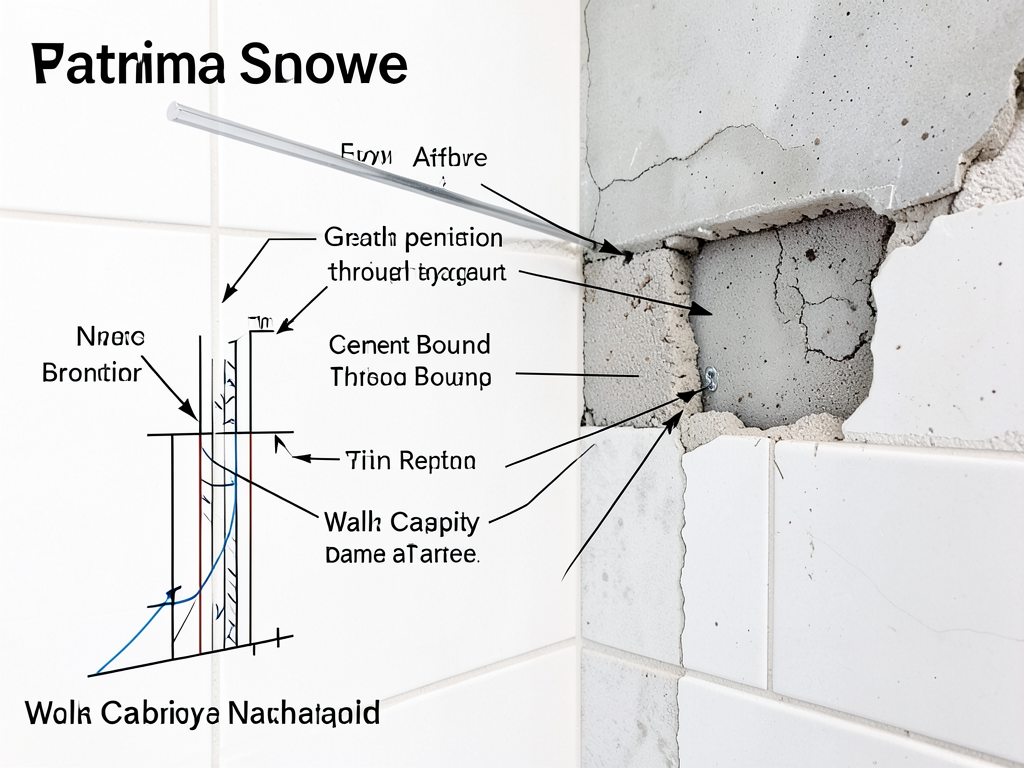
– Technical diagram showing water migration path behind shower tiles, from grout penetration through cement board to wall cavity damage.
5 Warning Signs of Hidden Water Damage Behind Your Shower Tiles
Early detection is crucial for preventing extensive damage. Here are the most common warning signs that indicate water may be damaging your shower walls from behind:
- Musty or moldy odors – If you notice a persistent damp smell in your bathroom even after cleaning, this often indicates mold growth behind the walls. The odor becomes trapped in the wall cavity and slowly releases into your bathroom air.
- Grout lines that stay dark or damp – After a shower, grout should dry within a few hours. If certain areas remain dark or feel damp for extended periods, water may be penetrating and not evaporating properly.
- Spongy or flexible spots – When you press on shower walls or floors and feel areas that give slightly under pressure, this indicates the backing material has become saturated and weakened.
- Peeling paint or wallpaper on adjacent walls – Water damage often manifests on walls outside the shower first. Bubbling paint, peeling wallpaper, or water stains on walls adjacent to the bathroom are red flags.
- The ‘Tap Test’ – hollow-sounding tiles – When you tap on tiles with a hard object, they should produce a solid sound. Hollow or dull sounds indicate the tile has separated from the backing due to moisture damage underneath.
Many Bonner Springs homeowners first notice these signs during seasonal changes when humidity levels fluctuate. The problem often starts small but grows exponentially as more moisture accumulates behind the tiles.
Common Causes of Shower Water Damage in Bonner Springs Homes
Several factors specific to our area and construction practices contribute to shower water damage in newer homes. Understanding these causes can help you prevent problems before they start.
Failing caulk and grout – The constant expansion and contraction from temperature changes causes caulk and grout to crack over time. In Bonner Springs, where we experience both hot summers and cold winters, this cycle happens frequently, creating entry points for water.
Pinhole pipe leaks – Small leaks in the plumbing lines behind shower walls can go unnoticed for months or years. These tiny leaks slowly saturate the surrounding materials, creating hidden damage that spreads outward from the leak source.
Improper waterproofing installation – Some newer homes were built during the construction boom when contractors rushed to complete projects. This sometimes resulted in incomplete or improperly installed waterproofing membranes that fail to protect against moisture intrusion.
Hard water mineral buildup – Bonner Springs water contains minerals that can accumulate in grout lines and on tile surfaces. These deposits create rough surfaces that trap more moisture and can accelerate grout deterioration.
Ventilation issues – Bathrooms without proper exhaust fans or with undersized ventilation systems trap humidity after showers. This constant moisture exposure weakens grout and caulk over time, making them more susceptible to water penetration.
The Danger of Ignoring Hidden Shower Water Damage
Delaying repairs for hidden shower water damage can lead to serious consequences for your home and health. The longer you wait, the more extensive and expensive the repairs become.
Mold growth timeline – Mold can begin colonizing damp materials within 24 to 48 hours of water exposure. In the warm, humid environment behind shower walls, mold species like Stachybotrys (black mold) can thrive and spread rapidly through wall cavities.
Structural damage progression – Water-soaked wood and drywall lose their structural integrity. What starts as minor moisture damage can progress to rotted studs, deteriorated subflooring, and compromised wall framing that requires major reconstruction.
Health risks – Mold spores released from behind walls can trigger allergies, asthma attacks, and other respiratory problems. Some mold species produce mycotoxins that can cause more serious health issues with prolonged exposure.
Property value impact – Undisclosed water damage can significantly reduce your home’s value and make it difficult to sell. Many home inspectors now use moisture meters and thermal imaging to detect hidden problems that sellers might not know exist.
Insurance complications – Most homeowner insurance policies cover sudden, accidental water damage but may not cover damage that results from long-term neglect or maintenance issues. Waiting too long can mean you’re responsible for all repair costs.
How Professionals Detect Hidden Shower Leaks Without Demolition
Modern technology allows water damage professionals to identify hidden problems without tearing apart your bathroom. These non-invasive detection methods save time and money while providing accurate diagnosis.
Thermal imaging cameras – FLIR thermal cameras detect temperature differences that indicate moisture presence. Wet materials hold heat differently than dry materials, creating visible patterns that show exactly where water has penetrated behind surfaces.
Non-invasive moisture meters – These devices measure moisture content in materials without causing damage. Technicians can scan tile surfaces and walls to identify areas with elevated moisture levels that indicate hidden leaks.
Acoustic leak detection – Specialized equipment amplifies the sound of water movement through pipes. Even tiny leaks produce distinctive sounds that can be detected through walls and floors, helping locate the source of hidden water intrusion.
Infrared inspection protocols – Following IICRC S500 standards, professionals use systematic thermal scanning procedures to document moisture patterns and determine the extent of water migration through building materials.
Humidity and dew point analysis – Measuring ambient humidity levels and calculating dew points helps identify areas where condensation is likely to occur, contributing to moisture problems in bathroom environments.
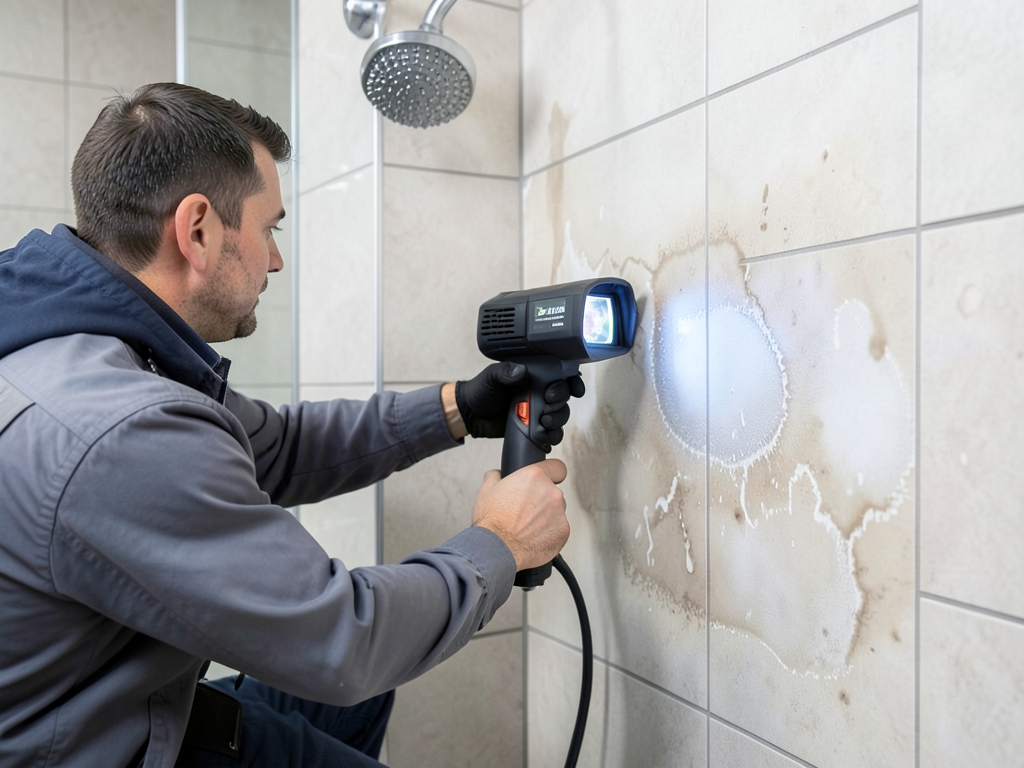
– Photo of a technician using a thermal imaging camera on a shower wall to detect moisture patterns invisible to the naked eye.
Restoration vs. Repair: What Bonner Springs Homeowners Should Expect
When water damage is discovered behind shower tiles, homeowners face a choice between simple repairs and full restoration. Understanding the difference helps you make informed decisions about your investment.
Simple repairs typically involve removing damaged tiles, replacing grout and caulk, and addressing any obvious surface damage. This approach works for minor issues caught early but may not address underlying moisture problems that will cause future damage.
Full restoration involves removing all affected materials down to the studs, addressing the source of moisture intrusion, replacing damaged structural components, and installing new waterproofing systems before rebuilding the shower. This comprehensive approach prevents recurring problems.
The restoration process usually includes these steps: moisture mapping to determine damage extent, controlled demolition of affected areas, structural drying using industrial equipment, mold remediation if needed, installation of new waterproofing membranes, and reconstruction with proper materials and techniques.
In Bonner Springs, where many homes share similar construction characteristics, restoration professionals often recommend upgrading to modern waterproofing systems like Schluter-Kerdi or similar products that provide superior protection compared to traditional methods.
Cost considerations vary widely based on damage extent. Minor repairs might cost a few hundred dollars, while full restoration can range from $3,000 to $8,000 or more for extensive damage. However, addressing problems early typically costs far less than waiting until structural damage requires major reconstruction.
Preventing Future Shower Water Damage in Your Bonner Springs Home
Prevention is always more cost-effective than repair. Here are practical steps Bonner Springs homeowners can take to protect their showers from hidden water damage:
Regular maintenance schedule – Inspect grout and caulk lines every six months for cracks, gaps, or deterioration. Replace damaged areas promptly before water can penetrate behind tiles.
Proper ventilation – Run bathroom exhaust fans during and for 30 minutes after showers. Ensure fans vent to the exterior rather than into attic spaces where moisture can cause additional problems.
Sealant application – Apply penetrating sealer to grout lines annually to reduce water absorption. This creates an additional barrier against moisture penetration while still allowing vapor transmission.
Water pressure monitoring – High water pressure can stress plumbing connections and create small leaks over time. Install pressure regulators if your home’s pressure exceeds 60-70 psi.
Professional inspections – Schedule annual bathroom inspections with water damage professionals who can use moisture meters and thermal imaging to detect problems before they become visible.
Material upgrades – When remodeling, consider upgrading to larger format tiles with fewer grout lines, epoxy grout that resists moisture better than traditional cement grout, and modern waterproofing systems designed to prevent the exact problems many Bonner Springs homes face.
Local Building Code Considerations for Bonner Springs Homeowners
Understanding local building requirements can help you ensure your shower restoration meets current standards and provides maximum protection against future water damage.
The 2021 International Residential Code (IRC), which governs construction in Bonner Springs, requires specific waterproofing measures for wet areas. Section R702.4.1 mandates that wall surfaces in tub and shower areas must be finished with moisture-resistant materials or coated with waterproof coatings. International Residential Code.
Section P2603.2 addresses shower liner requirements, specifying that shower floors must be lined with materials that create a waterproof barrier extending at least 2 inches beyond the rough threshold. This prevents water from escaping the shower pan and damaging subfloor structures.
Local amendments to the building code often address our region’s specific climate challenges. Bonner Springs experiences significant humidity variations that can affect material performance, making proper vapor barrier installation particularly important for preventing condensation-related moisture problems.
When hiring contractors for shower restoration, verify they understand these code requirements and use materials that comply with current standards. Many older homes in Bonner Springs were built before these requirements were in place, making upgrades during restoration particularly valuable.
When to Call a Professional Water Damage Restoration Company
While some shower maintenance tasks are DIY-friendly, certain situations require professional expertise to prevent further damage and ensure proper restoration.
Call professionals immediately if you notice:
- Visible mold growth on walls or ceilings
- Soft or spongy floor areas around the shower
- Water stains on walls or ceilings below bathrooms
- Persistent musty odors that cleaning doesn’t eliminate
- Multiple loose or hollow-sounding tiles
- Evidence of water damage spreading beyond the immediate shower area
Professional water damage restoration companies have the equipment, expertise, and certifications needed to properly assess and address hidden moisture problems. They follow industry standards like IICRC S500 for water damage restoration and can handle mold remediation safely and effectively.
Many Bonner Springs homeowners find that professional assessment provides peace of mind and can identify problems early when repair costs are minimal. The cost of an inspection often pays for itself by catching issues before they require major restoration work.
– Before and after photo showing a shower restoration project, with the damaged wall cavity exposed and the rebuilt waterproof shower system ready for tile installation.
Protecting Your Bonner Springs Home Investment
Your home is likely your largest investment, and protecting it from hidden water damage should be a priority. Shower water damage represents one of the most common and costly problems homeowners face, but it’s also one of the most preventable with proper attention and maintenance. Why you should not ignore that musty smell in your Olathe basement.
By understanding the warning signs, knowing when to call professionals, and taking preventive measures, you can avoid the stress and expense of major water damage restoration. Regular inspections, prompt repairs, and professional assessments when needed will keep your shower functioning properly and protect your home’s value.
Remember that water damage rarely stays contained. What starts as a small leak behind shower tiles can spread through wall cavities, affect multiple rooms, and create health hazards through mold growth. Taking action at the first sign of trouble is always the most cost-effective approach.
If you suspect hidden water damage in your Bonner Springs home, don’t wait for the problem to become visible and expensive. Professional assessment can provide answers and solutions that protect your home and family’s health.
Frequently Asked Questions
How can I tell if my shower has hidden water damage?
Look for warning signs like musty odors, dark or damp grout lines that stay wet long after showering, spongy spots when pressing on walls or floors, peeling paint on adjacent walls, and hollow-sounding tiles when tapped. These symptoms often indicate moisture problems behind the tile surface.
How much does it cost to repair water damage behind shower tiles?
Costs vary widely based on damage extent. Minor repairs might cost $200-$500, while full restoration typically ranges from $3,000 to $8,000. The key is addressing problems early – waiting until structural damage occurs significantly increases repair costs.
Can I fix shower water damage myself?
Minor grout and caulk repairs are DIY-friendly, but hidden water damage often requires professional assessment and restoration. Professionals have specialized equipment to detect moisture, identify the damage extent, and ensure proper waterproofing during repairs. DIY fixes may not address underlying problems, leading to recurring damage. Specialized commercial water damage restoration for Kansas City business owners.
How long does it take for mold to grow behind shower walls?
Mold can begin colonizing damp materials within 24 to 48 hours of water exposure. In the warm, humid environment behind shower walls, mold species like Stachybotrys (black mold) can thrive and spread rapidly through wall cavities if moisture problems persist.
Should I be concerned about water damage in my newer Bonner Springs home?
Yes, newer homes can have hidden water damage too. Construction during housing booms sometimes prioritized speed over quality, and materials can fail even when properly installed. Regular inspections and maintenance are important regardless of your home’s age.
What building codes apply to shower waterproofing in Bonner Springs?
The 2021 International Residential Code (IRC) governs construction in Bonner Springs. Key requirements include moisture-resistant materials in wet areas (Section R702.4.1) and proper shower liner installation extending beyond the threshold (Section P2603.2). Local amendments may address our region’s specific climate challenges.
How can I prevent water damage in my shower?
Prevent water damage by inspecting grout and caulk every six months, running exhaust fans during and after showers, applying grout sealer annually, monitoring water pressure, and scheduling professional inspections. Consider upgrading to modern waterproofing systems when remodeling.. Read more about What every first-time buyer in Raymore needs to check for water damage before closing the deal.
When should I call a professional for shower water damage?
Call professionals immediately if you notice visible mold, soft floor areas, water stains below bathrooms, persistent musty odors, multiple loose tiles, or damage spreading beyond the shower area. Professional assessment can identify problems early when repair costs are minimal.
Take Action Before Hidden Damage Becomes a Major Problem
Don’t let hidden water damage behind your shower tiles turn into a costly disaster. If you’ve noticed any warning signs or simply want peace of mind about your bathroom’s condition, professional assessment can identify problems early when they’re easiest and least expensive to fix.
A+ Water Damage Restoration Kansas City specializes in detecting and repairing hidden water damage throughout the Bonner Springs area. Our certified technicians use advanced moisture detection equipment and follow industry best practices to ensure your home is protected from the damaging effects of hidden water intrusion.
Call (816) 473-3833 today to schedule your professional shower inspection. We’ll assess your bathroom’s condition, identify any hidden problems, and provide clear recommendations for protecting your home investment. Don’t wait until visible damage appears – early detection saves you time, money, and stress.
Pick up the phone and call (816) 473-3833 before the next shower creates more hidden damage behind your tiles. Your home deserves professional protection, and we’re here to help Bonner Springs homeowners keep their bathrooms safe and dry.
Visit our website at apluswaterdamagerestorationkansascity.com to learn more about our water damage restoration services and see how we’ve helped other local homeowners protect their investments from hidden moisture problems.
{
“@context”: “https://schema.org”,
“@type”: “BlogPosting”,
“headline”: “Why your newer Bonner Springs home might have hidden water damage behind the shower tile”,
“description”: “Bonner Springs homeowners discover hidden shower leaks can cause major damage. Learn warning signs, causes, and how A+ Water Damage Restoration can help.”,
“wordCount”: 2963,
“datePublished”: “2026-04-15T12:58:00.000Z”,
“dateModified”: “2026-04-15T12:58:00.000Z”,
“inLanguage”: “en-US”,
“mainEntityOfPage”: {
“@type”: “WebPage”,
“@id”: “https://apluswaterdamagerestorationkansascity.com”
},
“publisher”: {
“@type”: “LocalBusiness”,
“name”: “A Plus Water Damage Restoration Kansas City”,
“url”: “https://apluswaterdamagerestorationkansascity.com”
},
“author”: {
“@type”: “Organization”,
“name”: “A Plus Water Damage Restoration Kansas City”,
“url”: “https://apluswaterdamagerestorationkansascity.com”
},
“image”: {
“@type”: “ImageObject”,
“url”: “https://apluswaterdamagerestorationkansascity.com/wp-content/uploads/2026/03/why-your-newer-bonner-springs-home-might-have-hidd-1.png”
}
}
{
“@context”: “https://schema.org”,
“@type”: “LocalBusiness”,
“name”: “A Plus Water Damage Restoration Kansas City”,
“url”: “https://apluswaterdamagerestorationkansascity.com”,
“address”: {
“@type”: “PostalAddress”,
“addressLocality”: “Kansas City”
},
“areaServed”: {
“@type”: “City”,
“name”: “Kansas City”
}
}
{
“@context”: “https://schema.org”,
“@type”: “FAQPage”,
“mainEntity”: [
{
“@type”: “Question”,
“name”: “How can I tell if my shower has hidden water damage?”,
“acceptedAnswer”: {
“@type”: “Answer”,
“text”: “Look for warning signs like musty odors, dark or damp grout lines that stay wet long after showering, spongy spots when pressing on walls or floors, peeling paint on adjacent walls, and hollow-sounding tiles when tapped. These symptoms often indicate moisture problems behind the tile surface.”
}
},
{
“@type”: “Question”,
“name”: “How much does it cost to repair water damage behind shower tiles?”,
“acceptedAnswer”: {
“@type”: “Answer”,
“text”: “Costs vary widely based on damage extent. Minor repairs might cost $200-$500, while full restoration typically ranges from $3,000 to $8,000. The key is addressing problems early – waiting until structural damage occurs significantly increases repair costs.”
}
},
{
“@type”: “Question”,
“name”: “Can I fix shower water damage myself?”,
“acceptedAnswer”: {
“@type”: “Answer”,
“text”: “Minor grout and caulk repairs are DIY-friendly, but hidden water damage often requires professional assessment and restoration. Professionals have specialized equipment to detect moisture, identify the damage extent, and ensure proper waterproofing during repairs. DIY fixes may not address underlying problems, leading to recurring damage. Specialized commercial water damage restoration for Kansas City business owners.”
}
},
{
“@type”: “Question”,
“name”: “How long does it take for mold to grow behind shower walls?”,
“acceptedAnswer”: {
“@type”: “Answer”,
“text”: “Mold can begin colonizing damp materials within 24 to 48 hours of water exposure. In the warm, humid environment behind shower walls, mold species like Stachybotrys (black mold) can thrive and spread rapidly through wall cavities if moisture problems persist.”
}
},
{
“@type”: “Question”,
“name”: “Should I be concerned about water damage in my newer Bonner Springs home?”,
“acceptedAnswer”: {
“@type”: “Answer”,
“text”: “Yes, newer homes can have hidden water damage too. Construction during housing booms sometimes prioritized speed over quality, and materials can fail even when properly installed. Regular inspections and maintenance are important regardless of your home’s age.”
}
},
{
“@type”: “Question”,
“name”: “What building codes apply to shower waterproofing in Bonner Springs?”,
“acceptedAnswer”: {
“@type”: “Answer”,
“text”: “The 2021 International Residential Code (IRC) governs construction in Bonner Springs. Key requirements include moisture-resistant materials in wet areas (Section R702.4.1) and proper shower liner installation extending beyond the threshold (Section P2603.2). Local amendments may address our region’s specific climate challenges.”
}
},
{
“@type”: “Question”,
“name”: “How can I prevent water damage in my shower?”,
“acceptedAnswer”: {
“@type”: “Answer”,
“text”: “Prevent water damage by inspecting grout and caulk every six months, running exhaust fans during and after showers, applying grout sealer annually, monitoring water pressure, and scheduling professional inspections. Consider upgrading to modern waterproofing systems when remodeling.”
}
},
{
“@type”: “Question”,
“name”: “When should I call a professional for shower water damage?”,
“acceptedAnswer”: {
“@type”: “Answer”,
“text”: “Call professionals immediately if you notice visible mold, soft floor areas, water stains below bathrooms, persistent musty odors, multiple loose tiles, or damage spreading beyond the shower area. Professional assessment can identify problems early when repair costs are minimal.”
}
}
]
}
{
“@context”: “https://schema.org”,
“@type”: “BreadcrumbList”,
“itemListElement”: [
{
“@type”: “ListItem”,
“position”: 1,
“name”: “Home”,
“item”: “https://apluswaterdamagerestorationkansascity.com”
},
{
“@type”: “ListItem”,
“position”: 2,
“name”: “Blog”,
“item”: “https://apluswaterdamagerestorationkansascity.com/blog”
},
{
“@type”: “ListItem”,
“position”: 3,
“name”: “Why your newer Bonner Springs home might have hidden water damage behind the shower tile”
}
]
}
{
“@context”: “https://schema.org”,
“@type”: “Service”,
“serviceType”: “Water Damage Restoration”,
“provider”: {
“@type”: “LocalBusiness”,
“name”: “A Plus Water Damage Restoration Kansas City”,
“url”: “https://apluswaterdamagerestorationkansascity.com”
},
“areaServed”: {
“@type”: “City”,
“name”: “Kansas City”
},
“description”: “Bonner Springs homeowners discover hidden shower leaks can cause major damage. Learn warning signs, causes, and how A+ Water Damage Restoration can help.”
}