Preventing mold growth in your Parkville basement after a sump pump failure
Water from a failed sump pump creates perfect conditions for mold growth within 24 to 48 hours. In Parkville’s humid climate, moisture seeps into porous materials like drywall, wood framing, and carpet padding. The combination of standing water, warm temperatures, and high humidity accelerates microbial growth. Acting quickly prevents structural damage and costly remediation later. Water Stains on Drywall.
The 48-hour window: Why timing is critical in Parkville’s climate
Mold spores begin germinating on damp surfaces within 24 hours. In Parkville, Missouri’s average summer humidity exceeds 70%, creating ideal conditions for rapid growth. The Missouri River’s proximity adds moisture to the air, while clay soil retains water longer than sandy soils. Once spores establish, they spread through HVAC systems and air currents.
Professional restoration follows IICRC S500 standards, which mandate specific drying times and moisture content levels. The standard requires removing visible water within 24 hours and reducing humidity below 60% within 48 hours. Parkville homes built before 2000 often lack proper vapor barriers, making them more vulnerable to moisture migration. IICRC S500 standards.
Immediate steps to take before the professionals arrive
Safety comes first. Turn off electricity to affected areas before entering standing water. Water conducts electricity through metal appliances, wiring, and plumbing. Wear rubber boots and gloves to protect against contaminants in floodwater.
Stop the water source if possible. Most Parkville homes have a main water shutoff valve near the water meter or in the basement. Turn the valve clockwise until it stops. If you cannot locate the valve, call your water utility provider. What to do when your Overland Park basement floods during a storm.
Remove standing water using wet vacuums, mops, or buckets. Parkville’s clay soil makes drainage slow, so water removal may take longer than expected. Open windows and doors to increase airflow, but avoid using fans if sewage contamination is suspected.
Move wet items to dry areas. Lift furniture onto blocks or aluminum foil to prevent staining. Remove area rugs and wet padding. Parkville basements often contain stored items that absorb moisture quickly. Retail Store Water Cleanup.
Professional drying techniques vs. DIY efforts
Professional restoration uses industrial-grade equipment that homeowners cannot rent locally. Low-grain refrigerant (LGR) dehumidifiers remove moisture more efficiently than standard units. These machines extract 15-20 gallons of water per day compared to 5-7 gallons from consumer models.
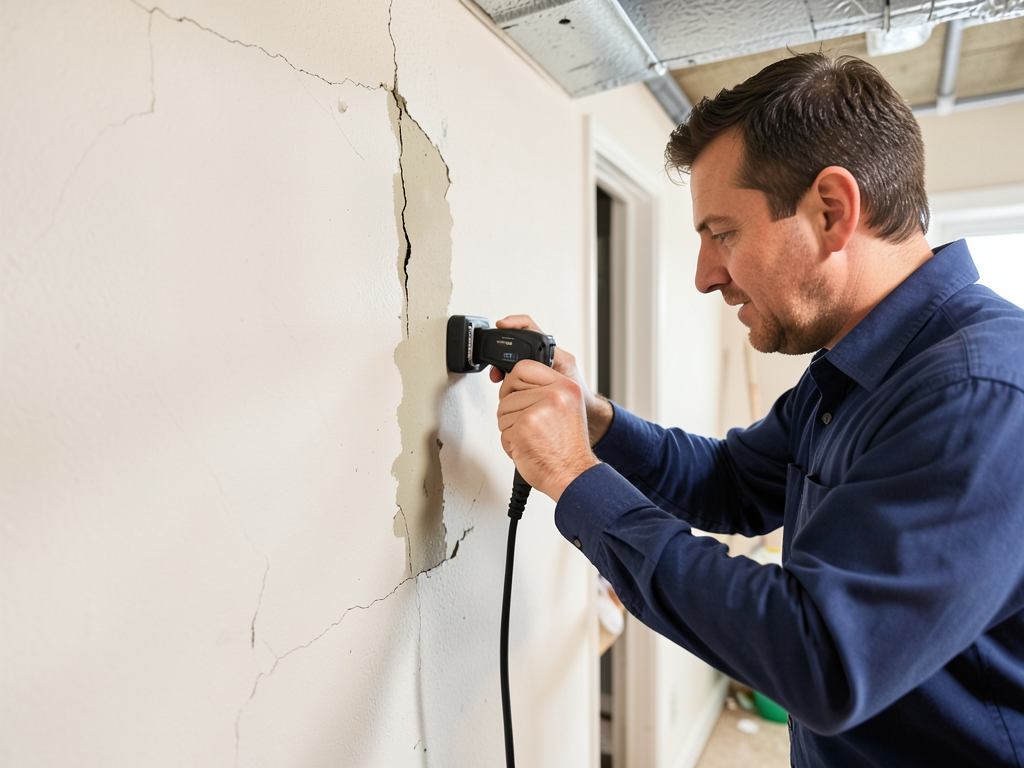
Moisture meters detect hidden water in walls and under flooring. Professionals use penetrating meters that measure moisture content through materials up to 3/4 inch deep. Surface readings alone miss trapped moisture that continues causing damage.
Air movers create directional airflow patterns that evaporate moisture from surfaces. Technicians position these units to create a vortex effect, pulling moist air toward dehumidifiers. This method dries materials from the inside out, preventing warping and buckling.
HEPA air scrubbers filter airborne contaminants and mold spores. These units capture particles as small as 0.3 microns, including most mold spores. In Parkville’s older homes, air scrubbers prevent cross-contamination between affected and unaffected areas. EPA mold information.
Navigating insurance claims for water damage in Platte County
Most homeowner policies cover sudden water damage but exclude groundwater flooding. Sump pump failure typically falls under sudden damage coverage if the pump was properly maintained. Review your policy for specific exclusions and coverage limits.
Document damage thoroughly before cleanup begins. Take photos of standing water, damaged items, and structural issues. Create a detailed inventory with purchase dates and approximate values. Insurance adjusters need this information to process claims efficiently.
Keep receipts for emergency expenses. Most policies reimburse for temporary housing, food, and essential services during restoration. Platte County adjusters often require itemized receipts and may request estimates from multiple contractors.
Mold damage coverage varies significantly between policies. Some insurers require separate mold endorsements, while others limit coverage to specific amounts. Parkville’s humid climate makes mold claims more common, potentially affecting future premiums.
When to call a Parkville water restoration expert
Call professionals when water affects multiple rooms or exceeds one inch in depth. Parkville basements with finished spaces require immediate attention to prevent extensive damage to drywall, insulation, and flooring.
Signs of hidden moisture include musty odors, bubbling paint, and warping wood. These indicators suggest water has penetrated beyond visible surfaces. Thermal imaging cameras detect temperature differences that reveal moisture patterns behind walls.
Category 3 water contamination requires professional handling. This includes sewage backup, river flooding, or water containing harmful bacteria. Parkville’s aging sewer systems can back up during heavy rains, creating hazardous conditions.
Time-sensitive materials need immediate attention. Hardwood flooring begins warping within 24 hours of water exposure. Particleboard furniture swells and disintegrates when wet. Carpeting with foam backing traps moisture against concrete floors.
Professional assessment determines salvageable items. Restoration experts evaluate material composition, water category, and exposure time. Some items require specialized drying chambers or freeze-drying processes. Specialized commercial water damage restoration for Kansas City business owners.
Preventing future sump pump failures
Test your sump pump monthly by pouring water into the pit until the float activates. Listen for unusual noises that indicate failing bearings or motor issues. Parkville’s spring storms often overwhelm undersized pumps.
Install a battery backup system to maintain operation during power outages. Missouri storms frequently cause electrical disruptions. Backup pumps activate automatically when primary units fail or cannot keep pace with incoming water.
Clean the sump pit annually to remove debris that can clog the pump or float switch. Parkville’s clay soil often carries fine particles that settle in the pit. Consider installing a filter sock around the pump inlet.
Check discharge pipes for proper slope and clearance from the foundation. Water should flow away from the house at a minimum 1/4 inch per foot slope. Frozen discharge pipes during winter can cause basement flooding. Why you should not ignore that musty smell in your Olathe basement.
Consider a water alarm system that alerts you to rising water levels. These devices sound alarms or send notifications to smartphones when water reaches critical levels. Early warning provides time to address issues before major damage occurs.
Understanding mold types common in Parkville basements
Stachybotrys chartarum, commonly called black mold, grows on materials with high cellulose content. This includes drywall, ceiling tiles, and wood products. Parkville’s humid summers create ideal conditions for this toxic mold variety.
Aspergillus and Penicillium species grow rapidly on damp organic materials. These molds appear as green, blue, or white fuzzy growth. They produce allergens and mycotoxins that affect indoor air quality.
Cladosporium thrives in cool, damp areas like basement corners and window frames. This mold appears as black or olive-green spots. It grows on both porous and non-porous surfaces, making it particularly persistent.
Chaetomium grows on water-damaged paper products and drywall. It has a cotton-like texture and changes color from white to gray to black as it matures. This mold indicates prolonged moisture exposure.
DIY mold prevention techniques
Maintain indoor humidity between 30-50% using dehumidifiers. Parkville’s summer humidity often exceeds 70%, requiring continuous dehumidification. Empty collection tanks regularly or connect units to continuous drains.
Improve basement ventilation by installing exhaust fans or opening vents during dry weather. Cross-ventilation reduces moisture buildup. Consider a whole-house ventilation system if your home lacks adequate airflow.
Apply mold-resistant paint to basement walls and ceilings. These paints contain antimicrobial agents that inhibit mold growth. Parkville basements benefit from this protection due to high humidity levels.
Store items in plastic containers rather than cardboard boxes. Cardboard absorbs moisture and provides food for mold growth. Elevate stored items on shelves to allow airflow underneath.
Clean and dry wet areas within 24-48 hours. This includes spills, condensation, and minor leaks. Prompt attention prevents mold establishment and reduces remediation costs.
Long-term moisture management strategies
Grade soil away from foundation walls at a minimum 1/4 inch per foot slope. Parkville’s clay soil expands when wet, creating pressure against foundation walls. Proper grading directs water away from the structure.
Install and maintain functional gutters and downspouts. Clean gutters twice yearly to prevent overflow. Extend downspouts at least five feet from the foundation using underground drain lines or splash blocks.
Seal foundation cracks with hydraulic cement or epoxy injection. Parkville homes often develop hairline cracks due to soil expansion and contraction. These cracks allow water infiltration during heavy rains.
Consider exterior waterproofing for severe moisture problems. This involves excavating around foundation walls and applying waterproof membranes. While expensive, this solution addresses the root cause of basement moisture.
Install a French drain system if surface water consistently pools near your foundation. These systems collect and redirect groundwater away from the structure. Parkville’s high water table makes this solution effective for many homes.
Health impacts of basement mold exposure
Mold exposure triggers respiratory symptoms in sensitive individuals. Common reactions include coughing, wheezing, and throat irritation. Parkville residents with asthma or allergies experience more severe symptoms.
Long-term exposure may cause chronic sinus infections and bronchitis. Mold spores irritate mucous membranes and compromise immune function. Children and elderly individuals face higher risks from prolonged exposure.
Some mold species produce mycotoxins that cause neurological symptoms. These include headaches, memory problems, and mood changes. Professional testing identifies toxic mold species requiring specialized remediation.
Mold exposure exacerbates existing health conditions. Individuals with compromised immune systems, COPD, or chronic respiratory diseases should avoid mold-contaminated environments. Professional remediation protects vulnerable household members.
Cost factors for professional mold remediation
Remediation costs depend on affected area size, mold species, and material types. Small areas under 10 square feet cost less than extensive contamination affecting multiple rooms. Parkville’s average remediation costs range from $500 to $6,000.
Material replacement adds significant expense. Removing and replacing drywall, flooring, and insulation increases project costs. Some materials require specialized disposal due to contamination levels.
Containment procedures prevent cross-contamination but add labor costs. Professionals seal affected areas with plastic sheeting and create negative air pressure environments. These steps protect unaffected portions of your home.
Post-remediation testing verifies successful cleanup. Many insurance companies require clearance testing before approving claims. Testing costs vary based on sample types and laboratory fees.
Preventative treatments extend protection but increase initial costs. Antimicrobial coatings and improved ventilation systems reduce future mold growth risk. Consider these investments when planning remediation.
Choosing a qualified mold remediation contractor
Verify contractor certifications through the IICRC or NORMI. These organizations establish industry standards for mold remediation. Certified technicians understand proper containment, removal, and prevention techniques.
Request proof of liability insurance and workers’ compensation coverage. Mold remediation involves hazardous materials and potential property damage. Proper insurance protects both you and the workers.
Ask about experience with Parkville homes specifically. Local contractors understand regional building practices, soil conditions, and climate factors affecting moisture problems. They can recommend solutions tailored to your home’s construction.
Obtain multiple estimates but beware of unusually low bids. Quality remediation requires proper equipment, safety procedures, and disposal methods. Cutting corners compromises effectiveness and may create additional problems.
Check references and online reviews from Parkville residents. Local feedback reveals contractor reliability, communication quality, and cleanup standards. Look for patterns in customer experiences rather than isolated comments.
Maintaining a mold-free basement
Schedule annual HVAC inspections and cleaning. Dirty systems distribute mold spores throughout your home. Replace filters monthly during peak usage seasons to maintain air quality.
Monitor basement humidity levels with a hygrometer. These inexpensive devices help you maintain optimal moisture levels. Address humidity spikes immediately to prevent mold establishment.
Repair plumbing leaks promptly. Even small drips create moisture problems over time. Check under sinks, around toilets, and near water heaters regularly for signs of leakage.
Clean and dry basement surfaces regularly. Vacuum carpets using HEPA filtration to remove mold spores. Wipe down hard surfaces with antimicrobial cleaners to prevent growth.
Consider installing a whole-house dehumidifier if humidity remains problematic. These systems connect to your HVAC and maintain consistent moisture levels throughout your home. They prove particularly valuable in Parkville’s humid climate.
Frequently Asked Questions
How quickly does mold grow after water damage?
Mold begins growing within 24 to 48 hours of water exposure. In Parkville’s humid climate, growth occurs even faster due to high moisture levels in the air.
Can I clean mold myself if the area is small?
Small areas under 10 square feet may be cleaned using proper safety equipment and cleaning products. However, if mold returns or spreads, professional remediation becomes necessary.
Will my insurance cover mold damage?
Coverage varies by policy. Sudden water damage is typically covered, but gradual moisture problems and mold resulting from maintenance issues often aren’t. Review your policy or contact your agent for specifics.
How can I tell if mold is hidden behind walls?
Signs include musty odors, water stains, bubbling paint, and warped materials. Professional moisture meters and thermal imaging detect hidden moisture more accurately than visual inspection alone.
What should I do if I find mold during cleanup?
Stop work immediately and contain the area if possible. Small areas can be cleaned with proper safety equipment, but extensive mold requires professional remediation to prevent spreading spores throughout your home.
How long does professional mold remediation take?
Small projects may take one to two days, while extensive remediation can require a week or more. The timeline depends on contamination extent, material types, and required containment procedures.
Is black mold more dangerous than other types?
All mold types can cause health problems. Stachybotrys chartarum produces mycotoxins but isn’t inherently more dangerous than other species. The extent of exposure and individual sensitivity determine health impacts more than mold color.
How can I prevent mold from returning after remediation?
Control moisture through proper ventilation, humidity management, and prompt leak repairs. Consider mold-resistant materials for repairs and maintain your HVAC system to prevent spore distribution.
Should I test for mold if I don’t see any?
Testing makes sense if you notice musty odors, experience unexplained health symptoms, or had previous water damage. Professional assessment determines if hidden mold requires remediation.
What’s the difference between mold removal and remediation?
Complete removal is impossible since mold exists naturally everywhere. Remediation reduces contamination to safe levels following industry standards. Professionals clean and remove affected materials while preventing spore spread.
- Stop the water source
Turn off electricity, shut off water supply, and stop the sump pump failure cause.
- Remove standing water
Use wet vacuums, mops, or pumps to extract visible water within 24 hours.
- Increase airflow
Open windows, use fans, and run dehumidifiers to reduce moisture levels below 60%.
- Remove wet materials
Discard or dry carpets, padding, and water-damaged items that cannot be salvaged.
- Clean and disinfect
Apply antimicrobial solutions to affected surfaces to prevent mold growth.
- Monitor humidity
Use hygrometers to maintain levels between 30-50% and prevent future moisture problems.
Water damage creates an emergency situation requiring immediate action. Parkville’s humid climate accelerates mold growth, making quick response essential. Professional restoration follows industry standards that ensure complete drying and prevent secondary damage. Don’t wait until mold becomes visible to take action.
Pick up the phone and call (816) 473-3833 before the next storm hits. Our certified technicians understand Parkville’s unique moisture challenges and provide rapid response to protect your home and health. We’ll assess the damage, develop a restoration plan, and work directly with your insurance company to minimize your stress during this difficult time.
Don’t let a failed sump pump turn into a costly mold problem. Call (816) 473-3833 today to schedule your inspection and protect your Parkville home from the damaging effects of moisture and mold.
{
“@context”: “https://schema.org”,
“@type”: “BlogPosting”,
“headline”: “Preventing mold growth in your Parkville basement after a sump pump failure”,
“description”: “Stop mold growth in your Parkville basement after sump pump failure. Learn the 48-hour window, drying techniques, and when to call a local expert at (816) 473-3833.”,
“wordCount”: 2564,
“datePublished”: “2026-03-22T09:37:00.000Z”,
“dateModified”: “2026-03-22T09:37:00.000Z”,
“inLanguage”: “en-US”,
“mainEntityOfPage”: {
“@type”: “WebPage”,
“@id”: “https://apluswaterdamagerestorationkansascity.com”
},
“publisher”: {
“@type”: “LocalBusiness”,
“name”: “A Plus Water Damage Restoration Kansas City”,
“url”: “https://apluswaterdamagerestorationkansascity.com”
},
“author”: {
“@type”: “Organization”,
“name”: “A Plus Water Damage Restoration Kansas City”,
“url”: “https://apluswaterdamagerestorationkansascity.com”
},
“image”: {
“@type”: “ImageObject”,
“url”: “https://apluswaterdamagerestorationkansascity.com/wp-content/uploads/2026/03/preventing-mold-growth-in-your-parkville-basement-1.png”
}
}
{
“@context”: “https://schema.org”,
“@type”: “LocalBusiness”,
“name”: “A Plus Water Damage Restoration Kansas City”,
“url”: “https://apluswaterdamagerestorationkansascity.com”,
“address”: {
“@type”: “PostalAddress”,
“addressLocality”: “Kansas City”
},
“areaServed”: {
“@type”: “City”,
“name”: “Kansas City”
}
}
{
“@context”: “https://schema.org”,
“@type”: “FAQPage”,
“mainEntity”: [
{
“@type”: “Question”,
“name”: “How quickly does mold grow after water damage?”,
“acceptedAnswer”: {
“@type”: “Answer”,
“text”: “Mold begins growing within 24 to 48 hours of water exposure. In Parkville’s humid climate, growth occurs even faster due to high moisture levels in the air.”
}
},
{
“@type”: “Question”,
“name”: “Can I clean mold myself if the area is small?”,
“acceptedAnswer”: {
“@type”: “Answer”,
“text”: “Small areas under 10 square feet may be cleaned using proper safety equipment and cleaning products. However, if mold returns or spreads, professional remediation becomes necessary.”
}
},
{
“@type”: “Question”,
“name”: “Will my insurance cover mold damage?”,
“acceptedAnswer”: {
“@type”: “Answer”,
“text”: “Coverage varies by policy. Sudden water damage is typically covered, but gradual moisture problems and mold resulting from maintenance issues often aren’t. Review your policy or contact your agent for specifics.”
}
},
{
“@type”: “Question”,
“name”: “How can I tell if mold is hidden behind walls?”,
“acceptedAnswer”: {
“@type”: “Answer”,
“text”: “Signs include musty odors, water stains, bubbling paint, and warped materials. Professional moisture meters and thermal imaging detect hidden moisture more accurately than visual inspection alone.”
}
},
{
“@type”: “Question”,
“name”: “What should I do if I find mold during cleanup?”,
“acceptedAnswer”: {
“@type”: “Answer”,
“text”: “Stop work immediately and contain the area if possible. Small areas can be cleaned with proper safety equipment, but extensive mold requires professional remediation to prevent spreading spores throughout your home.”
}
},
{
“@type”: “Question”,
“name”: “How long does professional mold remediation take?”,
“acceptedAnswer”: {
“@type”: “Answer”,
“text”: “Small projects may take one to two days, while extensive remediation can require a week or more. The timeline depends on contamination extent, material types, and required containment procedures.”
}
},
{
“@type”: “Question”,
“name”: “Is black mold more dangerous than other types?”,
“acceptedAnswer”: {
“@type”: “Answer”,
“text”: “All mold types can cause health problems. Stachybotrys chartarum produces mycotoxins but isn’t inherently more dangerous than other species. The extent of exposure and individual sensitivity determine health impacts more than mold color.”
}
},
{
“@type”: “Question”,
“name”: “How can I prevent mold from returning after remediation?”,
“acceptedAnswer”: {
“@type”: “Answer”,
“text”: “Control moisture through proper ventilation, humidity management, and prompt leak repairs. Consider mold-resistant materials for repairs and maintain your HVAC system to prevent spore distribution.”
}
},
{
“@type”: “Question”,
“name”: “Should I test for mold if I don’t see any?”,
“acceptedAnswer”: {
“@type”: “Answer”,
“text”: “Testing makes sense if you notice musty odors, experience unexplained health symptoms, or had previous water damage. Professional assessment determines if hidden mold requires remediation.”
}
},
{
“@type”: “Question”,
“name”: “What’s the difference between mold removal and remediation?”,
“acceptedAnswer”: {
“@type”: “Answer”,
“text”: “Complete removal is impossible since mold exists naturally everywhere. Remediation reduces contamination to safe levels following industry standards. Professionals clean and remove affected materials while preventing spore spread.”
}
}
]
}
{
“@context”: “https://schema.org”,
“@type”: “HowTo”,
“name”: “How to prevent mold after sump pump failure”,
“step”: [
{
“@type”: “HowToStep”,
“position”: 1,
“name”: “Stop the water source”,
“text”: “Turn off electricity, shut off water supply, and stop the sump pump failure cause.”
},
{
“@type”: “HowToStep”,
“position”: 2,
“name”: “Remove standing water”,
“text”: “Use wet vacuums, mops, or pumps to extract visible water within 24 hours.”
},
{
“@type”: “HowToStep”,
“position”: 3,
“name”: “Increase airflow”,
“text”: “Open windows, use fans, and run dehumidifiers to reduce moisture levels below 60%.”
},
{
“@type”: “HowToStep”,
“position”: 4,
“name”: “Remove wet materials”,
“text”: “Discard or dry carpets, padding, and water-damaged items that cannot be salvaged.”
},
{
“@type”: “HowToStep”,
“position”: 5,
“name”: “Clean and disinfect”,
“text”: “Apply antimicrobial solutions to affected surfaces to prevent mold growth.”
},
{
“@type”: “HowToStep”,
“position”: 6,
“name”: “Monitor humidity”,
“text”: “Use hygrometers to maintain levels between 30-50% and prevent future moisture problems.”
}
],
“image”: “https://apluswaterdamagerestorationkansascity.com/wp-content/uploads/2026/03/preventing-mold-growth-in-your-parkville-basement-1.png”
}
{
“@context”: “https://schema.org”,
“@type”: “BreadcrumbList”,
“itemListElement”: [
{
“@type”: “ListItem”,
“position”: 1,
“name”: “Home”,
“item”: “https://apluswaterdamagerestorationkansascity.com”
},
{
“@type”: “ListItem”,
“position”: 2,
“name”: “Blog”,
“item”: “https://apluswaterdamagerestorationkansascity.com/blog”
},
{
“@type”: “ListItem”,
“position”: 3,
“name”: “Preventing mold growth in your Parkville basement after a sump pump failure”
}
]
}
{
“@context”: “https://schema.org”,
“@type”: “Service”,
“serviceType”: “Water Damage Restoration”,
“provider”: {
“@type”: “LocalBusiness”,
“name”: “A Plus Water Damage Restoration Kansas City”,
“url”: “https://apluswaterdamagerestorationkansascity.com”
},
“areaServed”: {
“@type”: “City”,
“name”: “Kansas City”
},
“description”: “Stop mold growth in your Parkville basement after sump pump failure. Learn the 48-hour window, drying techniques, and when to call a local expert at (816) 473-3833.”
}