
Comparing different types of dehumidifiers for damp crawl spaces in Raytown
Damp crawl spaces are a common headache for Raytown homeowners thanks to the area’s heavy clay soil and humid summers. Left unchecked, excess moisture leads to musty odors, wood rot, and mold growth that can spread into your living space. Choosing the right dehumidifier is one of the most effective ways to protect your home’s foundation and air quality.
This guide breaks down the different types of crawl space dehumidifiers, what to look for in Raytown’s climate, and how to compare features so you can make the best choice for your home.
Why Raytown crawl spaces get damp
Raytown’s expansive clay soil holds water like a sponge, especially after heavy spring rains or summer thunderstorms. This creates constant hydrostatic pressure against crawl space walls and vapor drive upward through the dirt floor. Add in Raytown’s average summer humidity of 70-80%, and you have a recipe for persistent dampness. Water Stains on Drywall.
Older Raytown homes built before modern vapor barrier codes often lack proper moisture protection, making them especially vulnerable. The Missouri Department of Natural Resources recommends keeping crawl space relative humidity below 60% to prevent mold growth and structural damage. EPA mold guidelines.
Types of dehumidifiers for crawl spaces
Not all dehumidifiers are created equal when it comes to crawl spaces. Here’s how the main types compare:
| Type | Best For | Key Features | Raytown Suitability |
|---|---|---|---|
| Refrigerant (compressor) | Most common, moderate to high humidity | Cools coils to condense moisture, auto defrost | Excellent – handles Raytown’s humid summers |
| Desiccant | Cold environments, low temperatures | Uses moisture-absorbing material, no compressor | Less ideal – Raytown rarely needs cold-weather operation |
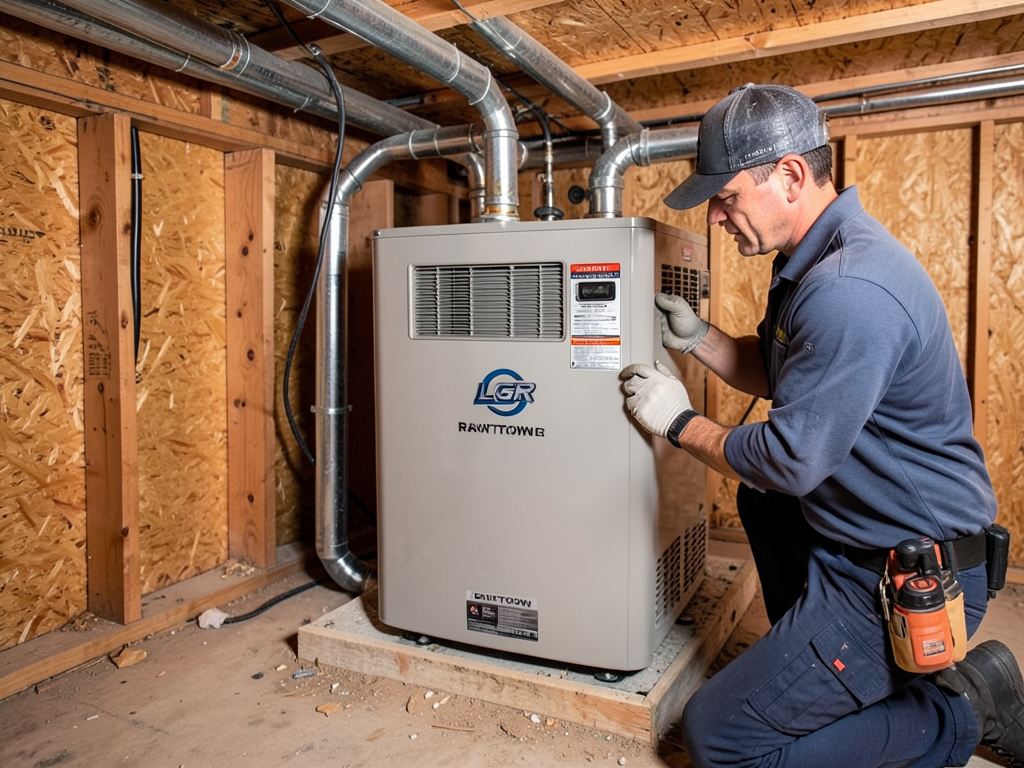
| Low-Grain Refrigerant (LGR) | Heavy-duty, water damage restoration | Removes more moisture per kWh, deeper drying | Excellent – handles severe moisture events |
| Whole-house ventilation | Integrated with HVAC systems | Exhausts humid air, brings in conditioned air | Good for newer homes with existing ductwork |
Key features to compare
When shopping for a crawl space dehumidifier, these features matter most:
- Capacity (PPD) – Pints per day removal rate. For Raytown’s climate, look for 70+ PPD minimum.
- Auto humidistat – Shuts off when target humidity is reached to save energy.
- Drainage options – Gravity drain or built-in pump for continuous operation.
- Auto restart – Restarts after power outages common during storms.
- Energy efficiency – Look for ENERGY STAR® rating to reduce operating costs.
Installation considerations for Raytown homes
Raytown’s older homes often have limited crawl space access. Before purchasing, measure your entry point and vertical clearance. Most residential units need at least 18-24 inches of clearance.
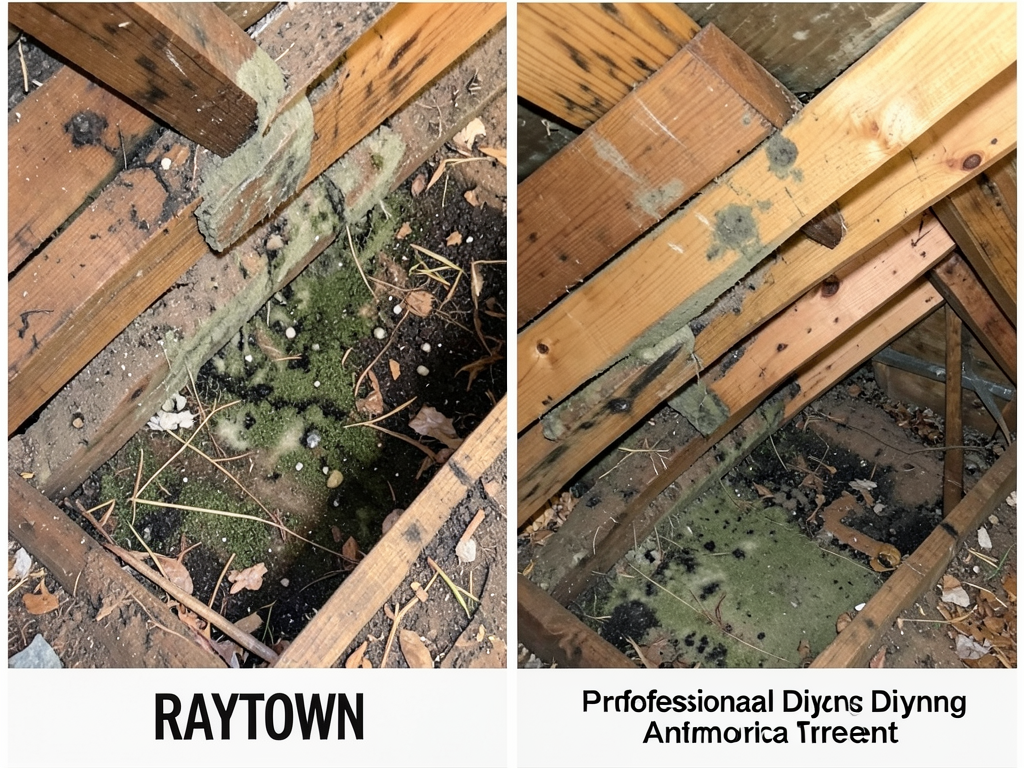
Placement is critical. Position the dehumidifier near the center of the crawl space for even air circulation. If your crawl space has standing water or severe mold, you’ll need professional water extraction and antimicrobial treatment first – running a dehumidifier in those conditions won’t solve the root problem. Water Damage Restoration Harrisonville.
Comparing cost vs. performance
Budget units ($200-$400) work for mildly damp spaces but struggle in Raytown’s high humidity. Mid-range units ($500-$800) offer better durability and features like auto restart. Commercial-grade LGR units ($1,200+) provide maximum moisture removal and are ideal for severe cases or homes with a history of flooding. Specialized commercial water damage restoration for Kansas City business owners.
Consider the total cost of ownership. A cheap unit that runs constantly will cost more in electricity than a higher-efficiency model over time. Raytown’s average electricity rate of 13.5 cents/kWh makes efficiency especially important.
Maintenance and troubleshooting
Even the best dehumidifier needs regular maintenance. Clean or replace filters every 3-6 months. Check the condensate line for clogs that can cause overflow. Listen for unusual noises – a failing compressor often sounds like a clicking or buzzing before it stops working entirely.
If your unit runs constantly but humidity stays high, you may have a larger moisture source like a plumbing leak or poor drainage outside. In Raytown’s clay soil, regrading the yard to direct water away from the foundation often solves persistent crawl space moisture issues.
When to call a professional
DIY dehumidification works for minor dampness, but call a professional if you notice:
- Standing water or mud in the crawl space
- Visible mold on joists or insulation
- Sagging floors or soft spots above the crawl space
- Persistent musty odors despite running a dehumidifier
Professional restoration teams use moisture meters and thermal imaging to find hidden water sources. They also follow IICRC S500 standards for water damage restoration, ensuring your home is dried properly to prevent long-term structural issues. IICRC S500 standards.
Protecting your investment
After installing a dehumidifier, consider adding a vapor barrier on the crawl space floor. This plastic sheeting blocks ground moisture and can reduce your dehumidifier’s workload by up to 50%. In Raytown’s climate, a 6-mil or thicker vapor barrier is recommended.
Combine dehumidification with proper drainage outside. Extend downspouts at least 5 feet from the foundation and ensure the soil slopes away from your home. These steps work together to keep your crawl space dry year-round.
Frequently Asked Questions
What size dehumidifier do I need for a 1,500 sq ft crawl space?
For Raytown’s humid climate, a 70-100 PPD unit is typically sufficient for a 1,500 sq ft crawl space. If your crawl space has severe moisture issues or standing water, you may need a commercial-grade LGR unit rated for 120+ PPD.
How much does it cost to run a crawl space dehumidifier?
A typical 70 PPD unit running 24/7 costs $15-$30 per month in Raytown, depending on your electricity rate and how often the unit cycles. ENERGY STAR models can reduce this by 15-20%.
Can I use a regular room dehumidifier in my crawl space?
Regular dehumidifiers aren’t built for the harsh crawl space environment. They lack the durability, capacity, and auto restart features needed. Plus, most room units won’t fit through standard crawl space access doors.
How long does it take to dry out a damp crawl space?
With the right dehumidifier, you should see humidity drop within 24-48 hours. However, drying out structural wood and addressing the moisture source can take 3-7 days. Severe cases may require professional structural drying equipment. Why you should not ignore that musty smell in your Olathe basement.
Will a dehumidifier prevent mold in my crawl space?
Yes, maintaining humidity below 60% prevents most mold species from growing. However, if mold is already present, you’ll need professional remediation first. A dehumidifier then prevents future growth.
Take control of your crawl space moisture
Don’t let damp crawl spaces compromise your Raytown home’s air quality and structure. Whether you need help choosing the right dehumidifier or require professional moisture remediation, we’re here to help. Our team understands Raytown’s unique soil and climate challenges and can recommend solutions that actually work.
Call (816) 473-3833 today to schedule your crawl space moisture assessment. We’ll help you compare options and find the right solution for your home’s specific needs.
{
“@context”: “https://schema.org”,
“@type”: “BlogPosting”,
“headline”: “Comparing different types of dehumidifiers for damp crawl spaces in Raytown”,
“description”: “Find the best dehumidifier for your Raytown crawl space. Learn how to compare units, spot moisture issues, and prevent mold with expert Kansas City restoration advice.”,
“wordCount”: 1150,
“datePublished”: “2026-03-10T11:02:00.000Z”,
“dateModified”: “2026-03-10T11:02:00.000Z”,
“inLanguage”: “en-US”,
“mainEntityOfPage”: {
“@type”: “WebPage”,
“@id”: “https://apluswaterdamagerestorationkansascity.com”
},
“publisher”: {
“@type”: “LocalBusiness”,
“name”: “A Plus Water Damage Restoration Kansas City”,
“url”: “https://apluswaterdamagerestorationkansascity.com”
},
“author”: {
“@type”: “Organization”,
“name”: “A Plus Water Damage Restoration Kansas City”,
“url”: “https://apluswaterdamagerestorationkansascity.com”
},
“image”: {
“@type”: “ImageObject”,
“url”: “https://apluswaterdamagerestorationkansascity.com/wp-content/uploads/2026/03/comparing-different-types-of-dehumidifiers-for-dam-1.png”
}
}
{
“@context”: “https://schema.org”,
“@type”: “LocalBusiness”,
“name”: “A Plus Water Damage Restoration Kansas City”,
“url”: “https://apluswaterdamagerestorationkansascity.com”,
“address”: {
“@type”: “PostalAddress”,
“addressLocality”: “Kansas City”
},
“areaServed”: {
“@type”: “City”,
“name”: “Kansas City”
}
}
{
“@context”: “https://schema.org”,
“@type”: “FAQPage”,
“mainEntity”: [
{
“@type”: “Question”,
“name”: “What size dehumidifier do I need for a 1,500 sq ft crawl space?”,
“acceptedAnswer”: {
“@type”: “Answer”,
“text”: “For Raytown’s humid climate, a 70-100 PPD unit is typically sufficient for a 1,500 sq ft crawl space. If your crawl space has severe moisture issues or standing water, you may need a commercial-grade LGR unit rated for 120+ PPD.”
}
},
{
“@type”: “Question”,
“name”: “How much does it cost to run a crawl space dehumidifier?”,
“acceptedAnswer”: {
“@type”: “Answer”,
“text”: “A typical 70 PPD unit running 24/7 costs $15-$30 per month in Raytown, depending on your electricity rate and how often the unit cycles. ENERGY STAR models can reduce this by 15-20%.”
}
},
{
“@type”: “Question”,
“name”: “Can I use a regular room dehumidifier in my crawl space?”,
“acceptedAnswer”: {
“@type”: “Answer”,
“text”: “Regular dehumidifiers aren’t built for the harsh crawl space environment. They lack the durability, capacity, and auto restart features needed. Plus, most room units won’t fit through standard crawl space access doors.”
}
},
{
“@type”: “Question”,
“name”: “How long does it take to dry out a damp crawl space?”,
“acceptedAnswer”: {
“@type”: “Answer”,
“text”: “With the right dehumidifier, you should see humidity drop within 24-48 hours. However, drying out structural wood and addressing the moisture source can take 3-7 days. Severe cases may require professional structural drying equipment. Why you should not ignore that musty smell in your Olathe basement.”
}
},
{
“@type”: “Question”,
“name”: “Will a dehumidifier prevent mold in my crawl space?”,
“acceptedAnswer”: {
“@type”: “Answer”,
“text”: “Yes, maintaining humidity below 60% prevents most mold species from growing. However, if mold is already present, you’ll need professional remediation first. A dehumidifier then prevents future growth.”
}
}
]
}
{
“@context”: “https://schema.org”,
“@type”: “BreadcrumbList”,
“itemListElement”: [
{
“@type”: “ListItem”,
“position”: 1,
“name”: “Home”,
“item”: “https://apluswaterdamagerestorationkansascity.com”
},
{
“@type”: “ListItem”,
“position”: 2,
“name”: “Blog”,
“item”: “https://apluswaterdamagerestorationkansascity.com/blog”
},
{
“@type”: “ListItem”,
“position”: 3,
“name”: “Comparing different types of dehumidifiers for damp crawl spaces in Raytown”
}
]
}
{
“@context”: “https://schema.org”,
“@type”: “Service”,
“serviceType”: “Water Damage Restoration”,
“provider”: {
“@type”: “LocalBusiness”,
“name”: “A Plus Water Damage Restoration Kansas City”,
“url”: “https://apluswaterdamagerestorationkansascity.com”
},
“areaServed”: {
“@type”: “City”,
“name”: “Kansas City”
},
“description”: “Find the best dehumidifier for your Raytown crawl space. Learn how to compare units, spot moisture issues, and prevent mold with expert Kansas City restoration advice.”
}