
Restoring historic homes in Brookside and Waldo after water damage
Water damage strikes Brookside and Waldo homes with unique challenges. These historic neighborhoods feature aging clay sewer pipes, plaster walls, and stone foundations that require specialized restoration techniques. Our IICRC-certified team responds 24/7 to extract water, dry structures, and prevent mold growth in these irreplaceable properties. IICRC S500 water damage restoration standard.
Why Brookside and Waldo homes need specialized water damage restoration
Brookside and Waldo homes built before 1950 face specific vulnerabilities. The area’s high clay content soil causes foundation shifting that creates basement cracks. Many properties still use original cast iron or clay sewer lines that crack during Kansas City’s freeze-thaw cycles. These factors combine to create water intrusion patterns unique to these neighborhoods.. Read more about Professional ceiling water damage repair for Blue Springs homes.
The Missouri River’s proximity affects the water table in parts of 64113 and 64114 zip codes. During heavy rains, the saturated ground pushes water through basement walls and floors. Historic homes with stone foundations absorb moisture like sponges, requiring industrial-grade dehumidification equipment.. Read more about Can you actually save hardwood floors after a leak in your Overland Park home?.
Local building codes require specific restoration approaches for historic properties. The Kansas City Historic Preservation Commission mandates that original materials be preserved when possible. This means our technicians use specialized drying techniques that protect plaster walls and hardwood floors while removing moisture.
Brookside’s tree-lined streets and mature landscaping create another challenge. Tree roots infiltrate aging sewer lines, causing backups that flood basements with contaminated water. This category 3 water damage requires immediate extraction and thorough sanitization following EPA guidelines for sewage cleanup. EPA lead-safe renovation rules.
Common water damage sources in Brookside and Waldo homes
Burst pipes represent the most frequent emergency call. Brookside’s older homes often have galvanized steel pipes that corrode from the inside. When these pipes fail, they release hundreds of gallons before homeowners can shut off the main valve. The damage spreads quickly through plaster walls and hardwood floors.. Read more about Dealing with a burst pipe in the Northland (Emergency repair and drying).
Sump pump failures occur during power outages common in Kansas City storms. Many Brookside homes rely on single sump pumps without battery backup. When electricity fails, groundwater floods basements within hours. Our emergency response includes temporary power solutions to keep pumps running.
Roof leaks damage upper floors and attics in these historic homes. The area’s severe thunderstorms bring high winds that tear shingles and flashing. Water travels through wall cavities, soaking insulation and creating perfect conditions for mold growth within 24-48 hours.
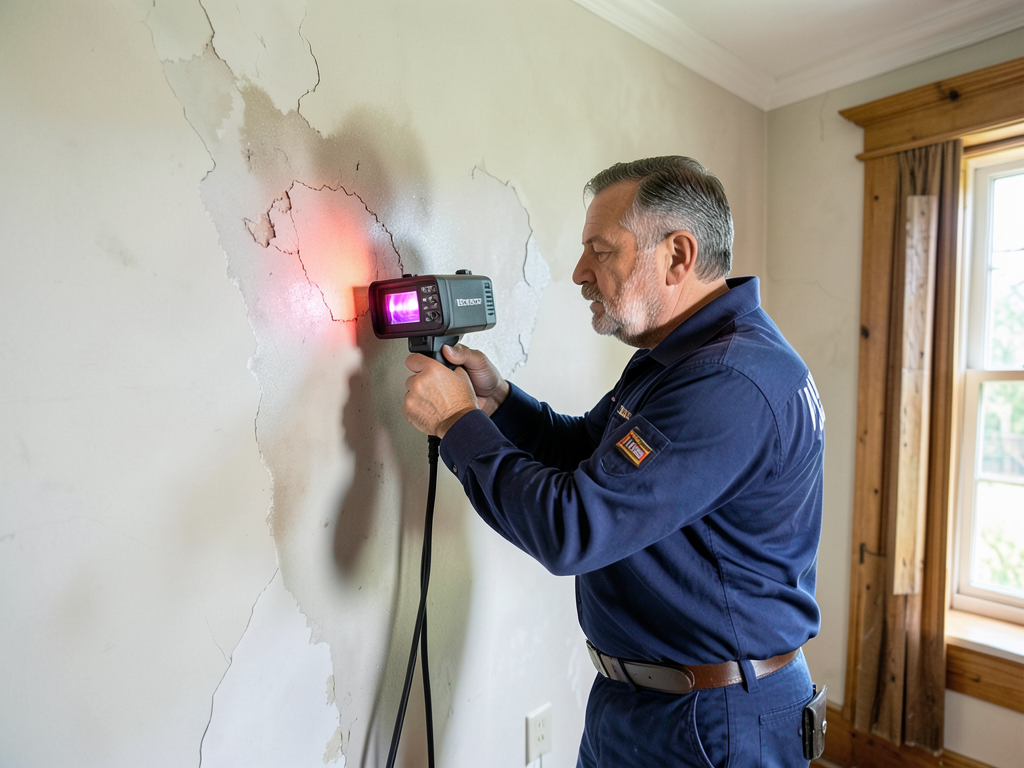
Foundation cracks develop from soil expansion and contraction. Brookside’s clay soil expands when wet and contracts when dry, creating pressure against basement walls. Small cracks become major water entry points during heavy rains. We use moisture meters to detect hidden water behind walls.
Appliance failures cause significant damage in finished basements. Many Brookside homes have converted basements into living spaces with expensive finishes. When washing machine hoses burst or water heaters leak, the damage affects drywall, carpeting, and furniture throughout these finished areas.
Our 5-step water damage restoration process for historic homes
Step 1: Emergency water extraction. We arrive within 60 minutes with truck-mounted extraction units capable of removing thousands of gallons per hour. For Brookside’s plaster walls, we use specialized extraction wands that prevent wall damage while removing water from wall cavities.
Step 2: Moisture mapping and assessment. Our technicians use infrared cameras and moisture meters to create a complete moisture map of your home. This diagnostic process identifies water migration patterns unique to historic construction methods. We document all findings for insurance purposes.
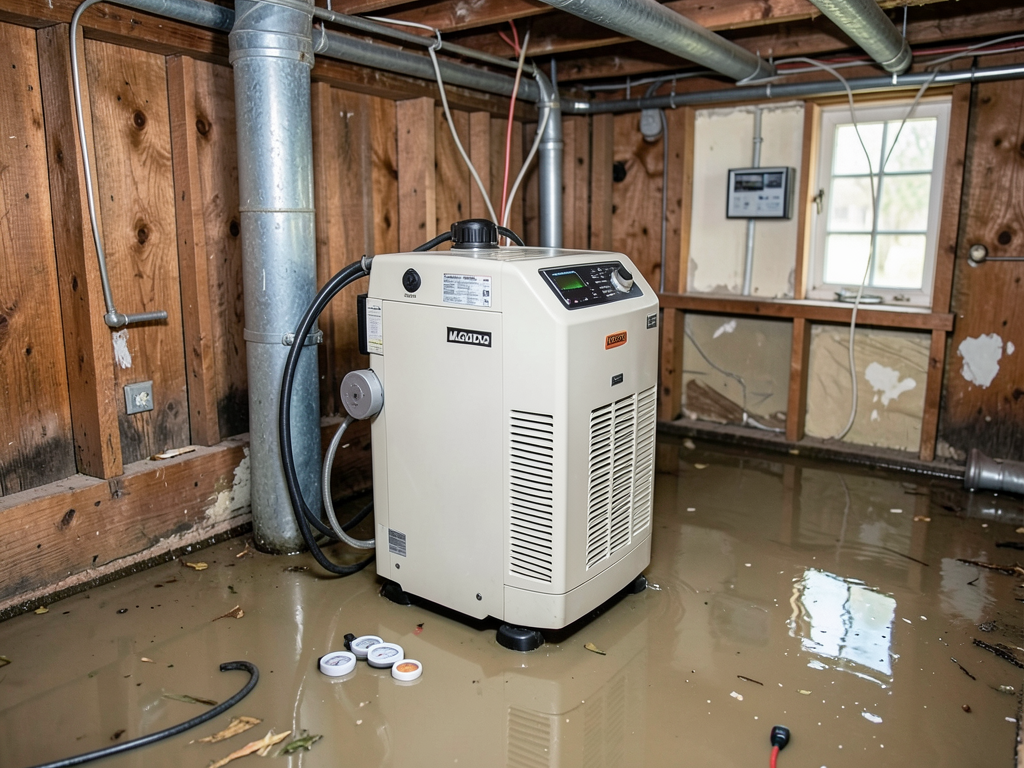
Step 3: Structural drying. We install commercial-grade dehumidifiers and air movers specifically calibrated for historic materials. Plaster walls require lower airflow to prevent cracking, while hardwood floors need specialized drying mats. Our equipment setup follows IICRC S500 standards for category 2 and 3 water damage.
Step 4: Content protection and cleaning. We move and protect valuable antiques and irreplaceable items common in Brookside homes. Our cleaning process uses pH-neutral solutions that won’t damage historic finishes or artwork. We also provide pack-out services for severely damaged contents.
Step 5: Reconstruction and restoration. We work with licensed contractors who understand historic preservation requirements. This includes matching original trim profiles, sourcing period-appropriate materials, and ensuring all work complies with local historic district guidelines.
Equipment and techniques specific to Brookside and Waldo restoration
Our restoration fleet includes LGR (low-grain refrigerant) dehumidifiers capable of removing moisture from dense plaster walls. Standard residential units cannot extract water from these materials effectively. We also use desiccant dehumidifiers for severe cases where moisture levels exceed 40%.
Thermal imaging cameras help us detect water behind lath and plaster walls without destructive testing. This technology identifies moisture patterns that would otherwise require removing entire wall sections. We can often save original plaster by targeting only affected areas.
HEPA air scrubbers filter mold spores and other contaminants during the drying process. Brookside’s older homes often contain lead paint and asbestos in original materials. Our containment procedures follow EPA lead-safe renovation rules to protect your family during restoration.
Moisture meters with multiple depth settings allow us to monitor drying progress in different materials. Hardwood floors require moisture content below 12% before refinishing, while plaster needs to reach equilibrium with ambient conditions. We document all readings for insurance claims.
Our injection drying systems force dry air into wall cavities through small holes. This method preserves plaster walls while effectively removing moisture from insulation and framing. The process reduces drying time by 50% compared to traditional methods.
Insurance coordination and documentation
We work directly with insurance companies familiar with Brookside and Waldo properties. Our detailed documentation includes moisture maps, drying logs, and photographic evidence that supports your claim. We understand how historic home features affect insurance coverage and restoration costs.
Most Brookside homeowners have replacement cost coverage that accounts for historic materials. We help you navigate the claims process to ensure you receive proper compensation for specialized restoration work. Our experience with local insurance adjusters speeds up claim approval.
We provide emergency services authorization forms that allow immediate work to begin. This prevents further damage while waiting for insurance approval. Our pricing follows industry standard Xactimate software used by most insurance companies.
Documentation includes daily moisture readings, equipment logs, and progress photos. This comprehensive record proves the effectiveness of our restoration efforts and supports any additional living expenses claims during the restoration period.
We coordinate with your insurance adjuster throughout the process. Our project managers meet with adjusters to explain restoration approaches specific to historic homes. This collaboration ensures all necessary work receives approval and proper compensation.
Preventing future water damage in historic homes
Regular plumbing inspections prevent catastrophic failures. We recommend annual inspections of supply lines, drain pipes, and water heaters in Brookside homes. Our technicians can identify corrosion, weak joints, and other issues before they cause major damage.
Sump pump maintenance includes testing backup systems and cleaning intake screens. Brookside’s high water table makes reliable sump pumps essential. We install battery backup systems and water-powered alternatives to provide redundancy during power outages.
Roof maintenance prevents water intrusion through aging materials. We inspect flashing, shingles, and gutters twice yearly. Tree trimming prevents branches from damaging roofs during storms common to the Kansas City area.
Foundation waterproofing includes exterior drainage improvements and interior sealants. We install French drains, extend downspouts, and seal foundation cracks to prevent water entry. These preventive measures cost significantly less than emergency restoration.
Appliance maintenance prevents supply line failures. We recommend replacing washing machine hoses every five years and installing automatic shut-off valves. Water heater maintenance includes checking anode rods and testing pressure relief valves.
Emergency response times and service area
Our average response time for Brookside and Waldo is 45 minutes. We maintain crews stationed throughout Kansas City to ensure rapid deployment. Our emergency hotline operates 24/7, connecting you directly with on-call technicians.
We serve the entire 64113 and 64114 zip codes, including Brookside Boulevard, Wornall Road, and Meyer Boulevard areas. Our service area extends to adjacent neighborhoods when demand requires additional resources.
Emergency services include water extraction, structural drying, content protection, and temporary repairs. We provide board-up services for storm damage and tarping for roof leaks. Our goal is to stabilize your property within the first few hours.
We coordinate with local emergency services during major events. Our relationships with fire departments and police departments in Kansas City allow us to access properties quickly during widespread emergencies.
Communication remains constant throughout the emergency. We provide real-time updates to homeowners, insurance companies, and property managers. Our project managers serve as single points of contact for all restoration activities.
Frequently Asked Questions
How long does water damage restoration take in historic homes?
Restoration timelines vary based on damage extent and materials involved. Most Brookside homes require 3-7 days for complete drying. Reconstruction may extend the timeline to 2-4 weeks depending on material availability and historic preservation requirements.
Is mold growth inevitable after water damage?
Mold can begin growing within 24-48 hours under favorable conditions. Our rapid response and professional drying techniques prevent most mold growth. We use antimicrobial treatments and maintain proper humidity levels throughout the restoration process.
Will my insurance cover water damage restoration?
Most homeowners insurance policies cover sudden and accidental water damage. Coverage varies for gradual damage or maintenance-related issues. We help you understand your policy and work directly with your insurance company throughout the claims process.
What makes water damage in historic homes different?
Historic homes feature materials and construction methods not found in modern buildings. Plaster walls, hardwood floors, and original woodwork require specialized drying techniques. Many historic homes also contain hazardous materials like lead paint that require special handling procedures.
How much does water damage restoration cost?
Costs vary based on damage extent, materials affected, and restoration requirements. Simple water extraction might cost $1,500-3,000, while extensive restoration in historic homes can exceed $15,000. We provide detailed estimates after our initial assessment.
Don’t wait for water damage to destroy your historic home
Water damage in Brookside and Waldo homes requires immediate professional attention. The longer water sits, the more extensive the damage becomes. Original plaster walls crack, hardwood floors warp, and mold begins growing within hours.
Our team understands the unique challenges of restoring these irreplaceable properties. We combine rapid emergency response with specialized techniques that protect historic materials while effectively removing moisture. Our experience with local building codes and insurance requirements ensures smooth restoration from start to finish.
Water damage doesn’t wait for business hours. Neither do we. Our 24/7 emergency response team stands ready to protect your Brookside or Waldo home from further damage. Call (816) 473-3833 now for immediate assistance.
Every hour counts when water threatens your historic home. Don’t risk permanent damage to irreplaceable materials. Contact us today at (816) 473-3833 and let our experienced team restore your property to its original condition.
Pick up the phone and call (816) 473-3833 before the next storm hits. Our emergency response team is ready to protect your Brookside or Waldo home from water damage 24 hours a day, 7 days a week.
{
“@context”: “https://schema.org”,
“@type”: “BlogPosting”,
“headline”: “Restoring historic homes in Brookside and Waldo after water damage”,
“description”: “Emergency water damage restoration for Brookside and Waldo historic homes. IICRC-certified technicians serving 64113 and 64114 with 24/7 response. Call (816) 473-3833.”,
“wordCount”: 1818,
“datePublished”: “2026-02-17T07:38:00.000Z”,
“dateModified”: “2026-02-17T07:38:00.000Z”,
“inLanguage”: “en-US”,
“mainEntityOfPage”: {
“@type”: “WebPage”,
“@id”: “https://apluswaterdamagerestorationkansascity.com”
},
“publisher”: {
“@type”: “LocalBusiness”,
“name”: “A Plus Water Damage Restoration Kansas City”,
“url”: “https://apluswaterdamagerestorationkansascity.com”
},
“author”: {
“@type”: “Organization”,
“name”: “A Plus Water Damage Restoration Kansas City”,
“url”: “https://apluswaterdamagerestorationkansascity.com”
},
“image”: {
“@type”: “ImageObject”,
“url”: “https://apluswaterdamagerestorationkansascity.com/wp-content/uploads/2026/03/restoring-historic-homes-in-brookside-and-waldo-af-1.png”
}
}
{
“@context”: “https://schema.org”,
“@type”: “LocalBusiness”,
“name”: “A Plus Water Damage Restoration Kansas City”,
“url”: “https://apluswaterdamagerestorationkansascity.com”,
“address”: {
“@type”: “PostalAddress”,
“addressLocality”: “Kansas City”
},
“areaServed”: {
“@type”: “City”,
“name”: “Kansas City”
}
}
{
“@context”: “https://schema.org”,
“@type”: “FAQPage”,
“mainEntity”: [
{
“@type”: “Question”,
“name”: “How long does water damage restoration take in historic homes?”,
“acceptedAnswer”: {
“@type”: “Answer”,
“text”: “Restoration timelines vary based on damage extent and materials involved. Most Brookside homes require 3-7 days for complete drying. Reconstruction may extend the timeline to 2-4 weeks depending on material availability and historic preservation requirements.”
}
},
{
“@type”: “Question”,
“name”: “Is mold growth inevitable after water damage?”,
“acceptedAnswer”: {
“@type”: “Answer”,
“text”: “Mold can begin growing within 24-48 hours under favorable conditions. Our rapid response and professional drying techniques prevent most mold growth. We use antimicrobial treatments and maintain proper humidity levels throughout the restoration process.”
}
},
{
“@type”: “Question”,
“name”: “Will my insurance cover water damage restoration?”,
“acceptedAnswer”: {
“@type”: “Answer”,
“text”: “Most homeowners insurance policies cover sudden and accidental water damage. Coverage varies for gradual damage or maintenance-related issues. We help you understand your policy and work directly with your insurance company throughout the claims process.”
}
},
{
“@type”: “Question”,
“name”: “What makes water damage in historic homes different?”,
“acceptedAnswer”: {
“@type”: “Answer”,
“text”: “Historic homes feature materials and construction methods not found in modern buildings. Plaster walls, hardwood floors, and original woodwork require specialized drying techniques. Many historic homes also contain hazardous materials like lead paint that require special handling procedures.”
}
},
{
“@type”: “Question”,
“name”: “How much does water damage restoration cost?”,
“acceptedAnswer”: {
“@type”: “Answer”,
“text”: “Costs vary based on damage extent, materials affected, and restoration requirements. Simple water extraction might cost $1,500-3,000, while extensive restoration in historic homes can exceed $15,000. We provide detailed estimates after our initial assessment.”
}
}
]
}
{
“@context”: “https://schema.org”,
“@type”: “BreadcrumbList”,
“itemListElement”: [
{
“@type”: “ListItem”,
“position”: 1,
“name”: “Home”,
“item”: “https://apluswaterdamagerestorationkansascity.com”
},
{
“@type”: “ListItem”,
“position”: 2,
“name”: “Blog”,
“item”: “https://apluswaterdamagerestorationkansascity.com/blog”
},
{
“@type”: “ListItem”,
“position”: 3,
“name”: “Restoring historic homes in Brookside and Waldo after water damage”
}
]
}
{
“@context”: “https://schema.org”,
“@type”: “Service”,
“serviceType”: “Water Damage Restoration”,
“provider”: {
“@type”: “LocalBusiness”,
“name”: “A Plus Water Damage Restoration Kansas City”,
“url”: “https://apluswaterdamagerestorationkansascity.com”
},
“areaServed”: {
“@type”: “City”,
“name”: “Kansas City”
},
“description”: “Emergency water damage restoration for Brookside and Waldo historic homes. IICRC-certified technicians serving 64113 and 64114 with 24/7 response. Call (816) 473-3833.”
}